Bottles
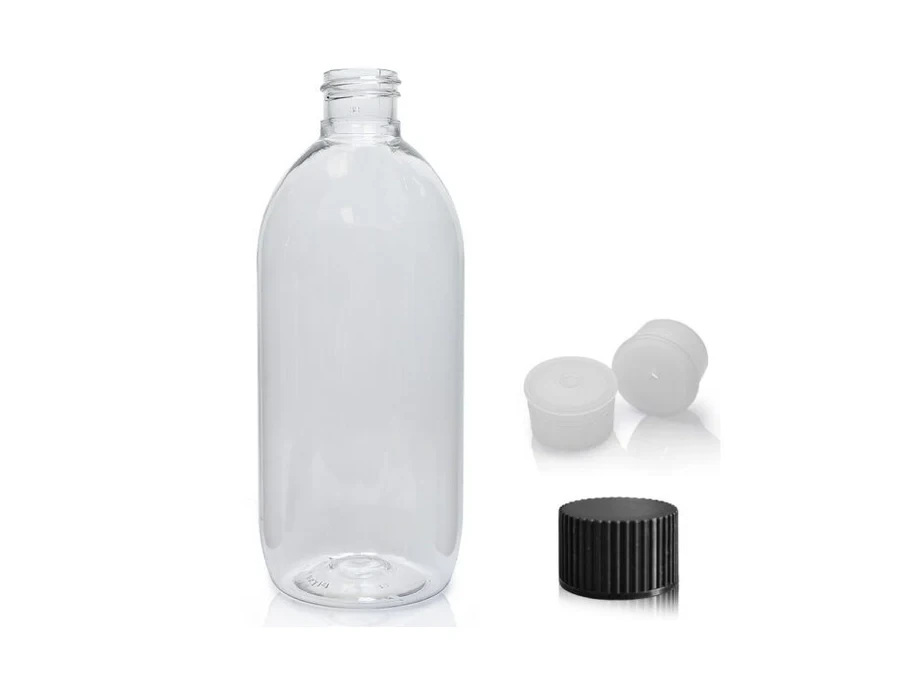
Clear PET Bottle Range
Range: clear PET bottles · Use case: water, drinks, household liquids and general filling applications
Contact for price
View product
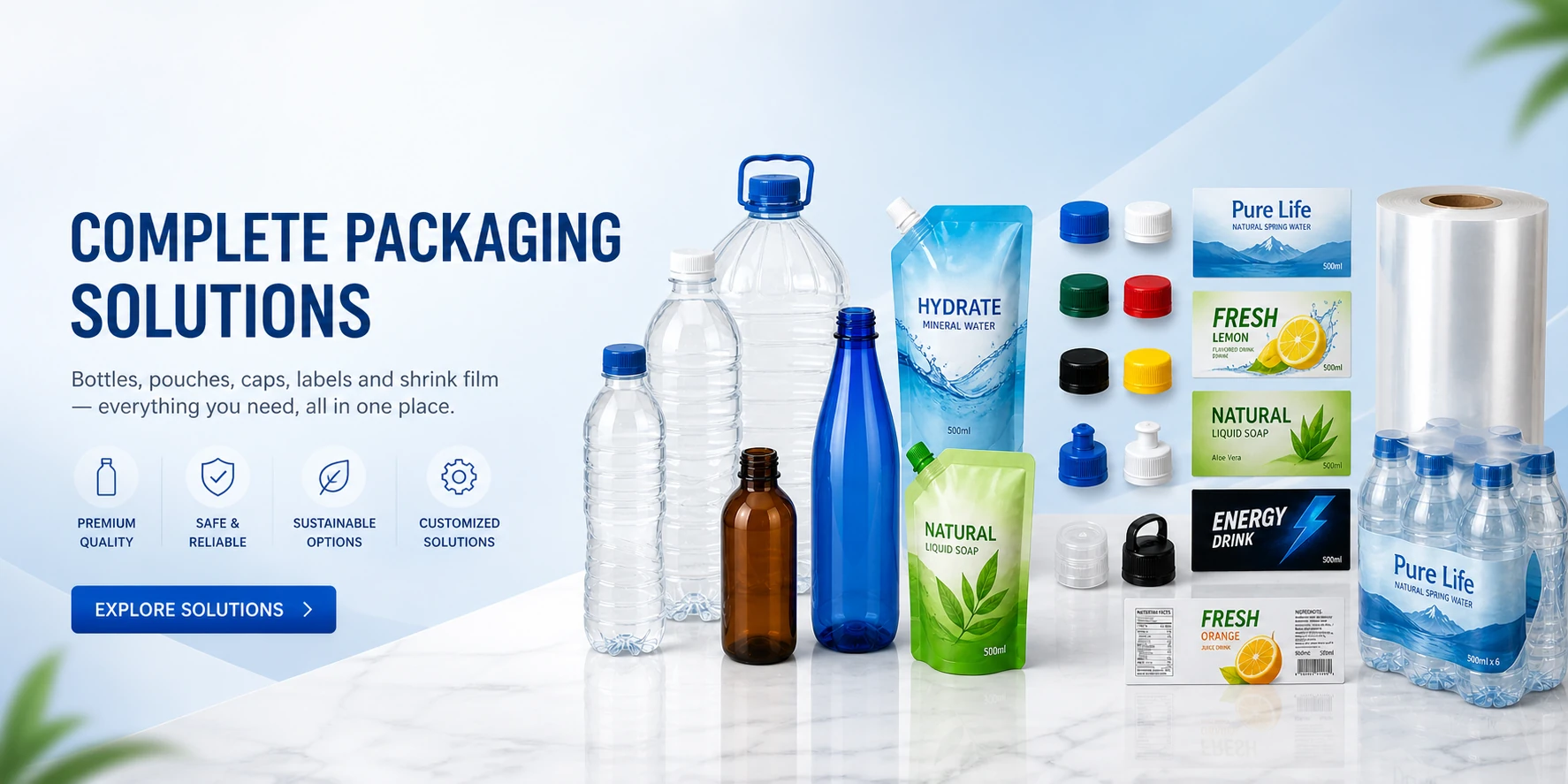
Browse bottles, pouches, caps, labels and shrink film for production, warehousing and branded packaging projects. Each product includes clear details, a product photo and a quick enquiry form.
PET, clear, coloured and amber bottle packaging ranges for liquid products and filling applications.
View bottles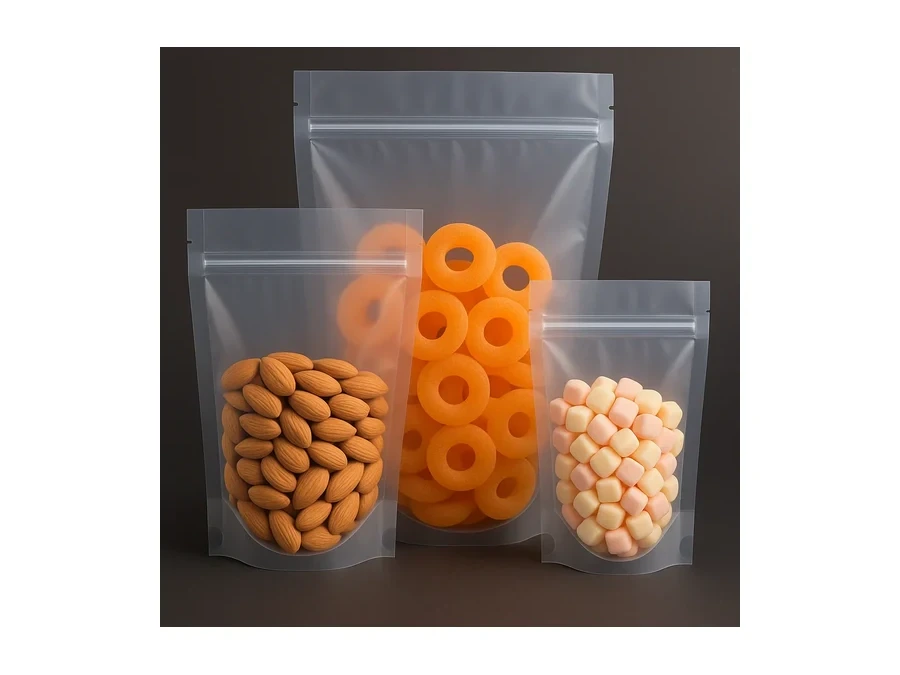
Stand-up pouches, kraft pouches, spouted pouches and refill packaging options.
View pouches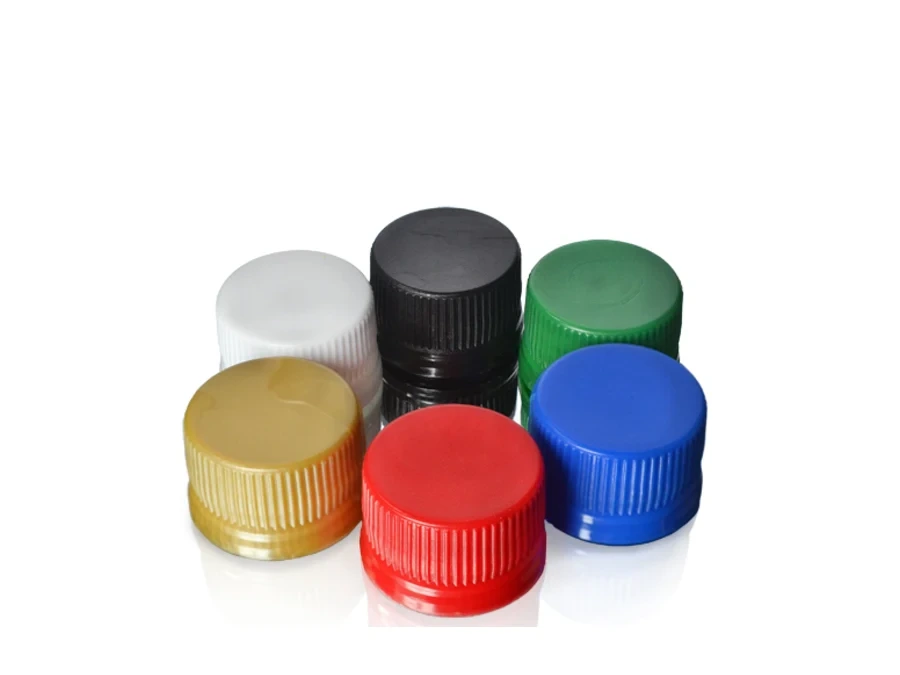
Screw caps, tamper-evident caps, aluminium caps, coloured closures and dispensing cap ranges.
View caps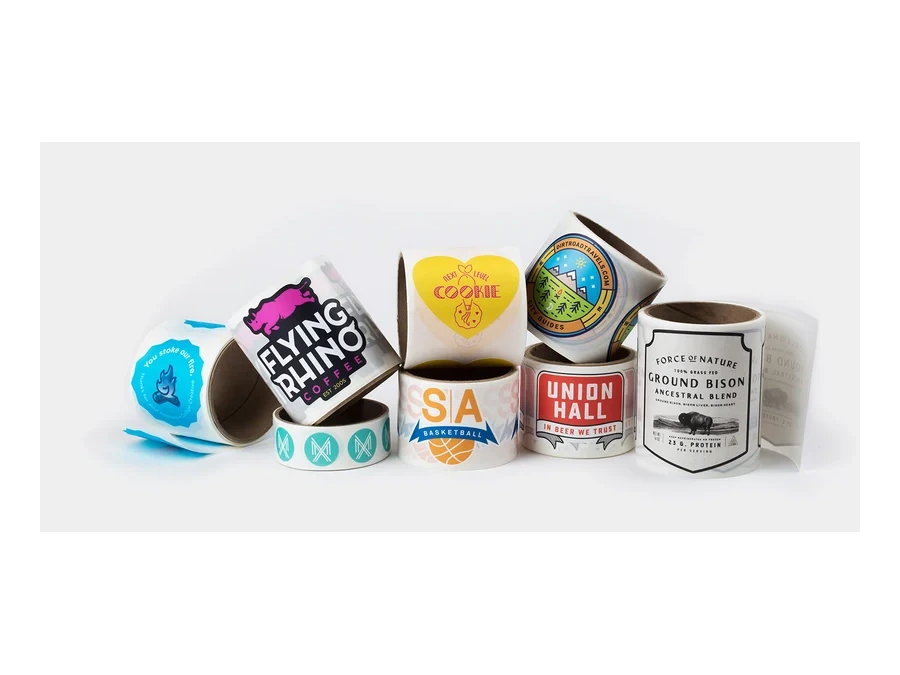
Custom roll labels, thermal labels, vinyl labels and printed product labelling options.
View labels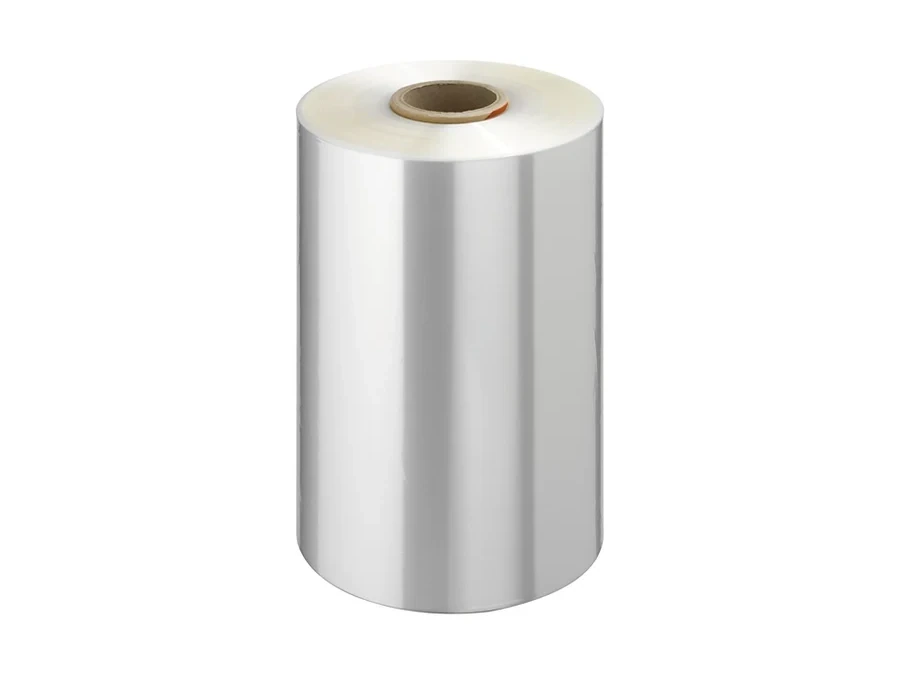
Polyolefin, PVC and clear shrink film ranges for product wrapping, bundling and multipacks.
View shrink film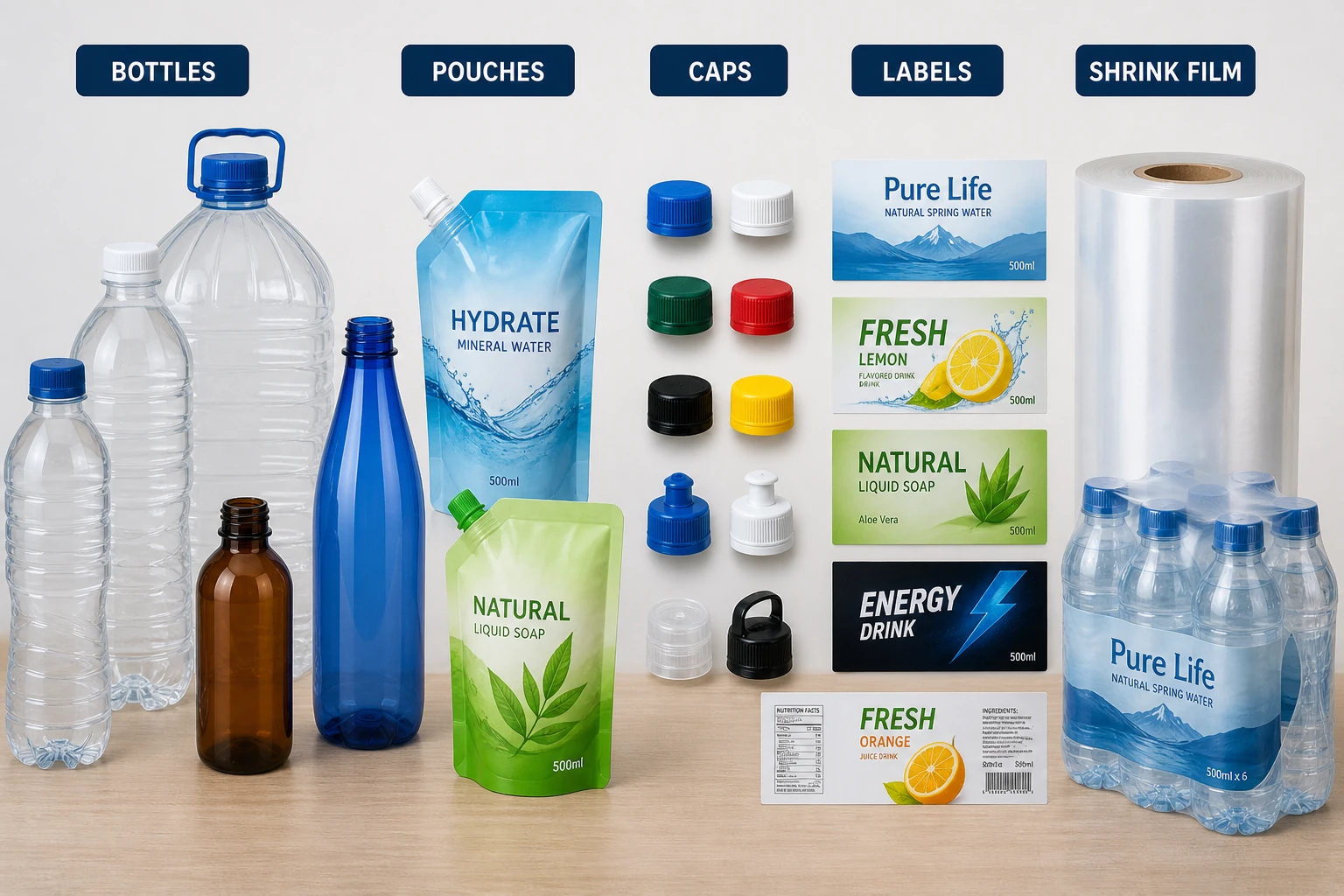
Browse individual bottle, pouch, cap, label and shrink-film options, then send a quick enquiry so we can confirm current availability, lead time and suitability.
Send quantities, specifications and compatibility requirements to Stockpack for a tailored quote.
Range: clear PET bottles · Use case: water, drinks, household liquids and general filling applications
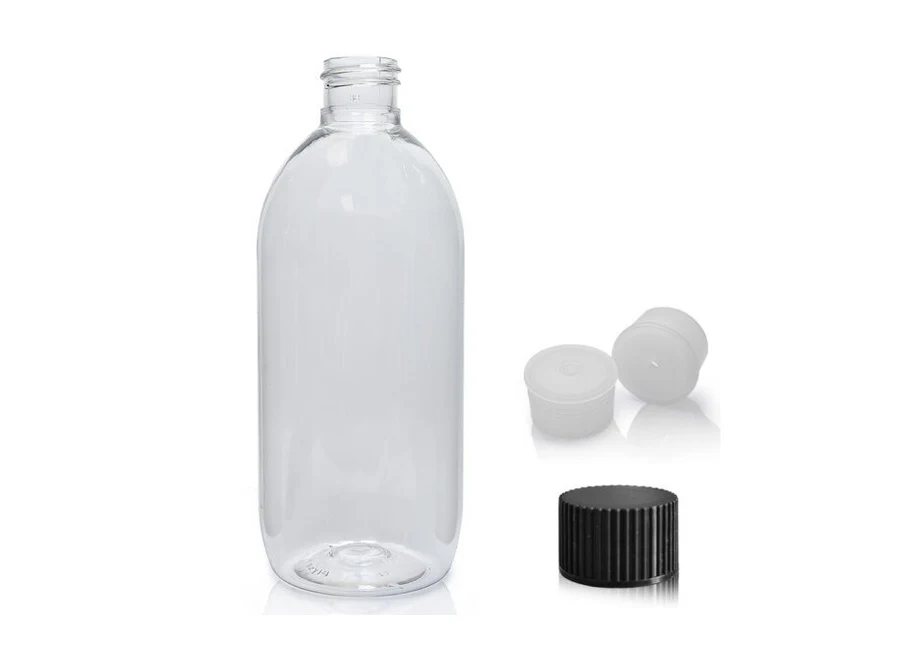
Capacity: 500 ml · Material: Clear PET plastic
Range: flexible spouted pouches · Use case: drinks, concentrates, refills and liquid product packaging
Range: coloured screw caps · Use case: colour-coded closures for bottle packaging
Range: custom printed product labels · Use case: drinks, household products and branded retail packs
Range: clear shrink film rolls · Use case: wrapping, bundling and protective presentation
Choosing environmentally positioned packaging is not a matter of selecting the product with the strongest label. The useful comparison is the complete pack: the exact material and construction, the amount of material used, the product protection required, the filling and sealing process, transport performance, and the realistic end-of-life route in the market where the pack will be sold. Lancing uses this evidence-first approach when discussing bottles, pouches, closures, labels and shrink film.
Ask for a current supplier declaration that identifies the material, any layers or components, the basis of a recycled-content figure, the product or batch covered, the issue date and any limitations. A certificate, test report or declaration should be read for scope: it may apply to one resin, colour, size or production site rather than every related product.
Terms such as recyclable, recycled, compostable, biodegradable and low carbon describe different things. They should not be used interchangeably, and none proves that a pack is suitable for a particular product or collection system.
A lighter or simpler pack is useful only when it still protects the contents and runs reliably. Product chemistry, oxygen or moisture sensitivity, fill temperature, neck and closure geometry, sealant layer, label adhesive, print method, transport loads and the intended shelf life can all affect the correct specification.
For a production-line project, Lancing also checks how the pack presents to conveyors, filling heads, capping equipment, labellers, sealers and inspection devices. Samples and a representative product trial are the safest basis for final confirmation.
| Buyer question | Useful evidence or input | Why it matters |
|---|---|---|
| What is the pack made from? | Material declaration, layer structure, component weights and colour | Format names alone do not show whether a pack is mono-material or a multi-material structure. |
| Does it contain recycled material? | Percentage, calculation basis, source, scope and date | A percentage can refer to the whole pack, one component, or only part of a component. |
| Is it collected and sorted? | Intended UK market, format, dimensions, colour and current collection guidance | Technical recyclability is not the same as access to collection, sorting and reprocessing. |
| Will it protect the product? | Product data, barrier need, fill conditions, shelf-life target and transport route | Product loss or damage can outweigh a reduction in packaging material. |
| Will it run on the line? | Physical samples, drawings, tolerances, closure details and planned output | Small dimensional or surface differences can affect handling, sealing, capping and labelling. |
Environmental Packaging is the evidence and compatibility layer for Lancing packaging enquiries. It helps buyers identify what must be proven before an environmental claim is used and what must be tested before a material or format is approved. It does not assume that every item in the wider product catalogue has an environmental advantage. Product pages retain their exact known specifications, while the guides explain how to compare those specifications responsibly.
Searches for sustainable packaging UK, environmentally friendly packaging and recyclable packaging materials often begin with a broad objective. A purchasing decision needs a narrower route: define the required pack function, identify the exact components, collect evidence for the proposed wording, and prove that the candidate can be filled, closed, labelled, stored and transported without unacceptable loss or rework.
An objective might be to reduce virgin material, lower pack weight, simplify the material structure, improve collection compatibility or establish a reuse system. None of those objectives should be converted into a customer-facing statement until the scope, comparison basis and supporting documents are agreed.
This distinction allows procurement teams to explore alternatives without describing every candidate as environmentally preferable before the evidence is complete.
Record the accepted product protection, shelf life, seal or closure performance, line output, reject level, storage conditions and distribution route. A candidate can then be compared against the same functional requirements rather than against appearance or material name alone.
Where the current pack has known failures, record them separately so that an alternative is not approved merely because it is different.
| Decision stage | Evidence or trial input | Approval output |
|---|---|---|
| Define | Product, pack function, target market, annual volume and environmental objective | Written brief with measurable functional and evidence requirements |
| Shortlist | Material and component declarations, drawings, samples and known limitations | Candidate packs that can be compared on the same basis |
| Test | Actual product or agreed equivalent, production equipment and acceptance criteria | Recorded fill, seal, cap, label, handling and distribution result |
| Substantiate | Dated supplier evidence, calculation basis and UK end-of-life context | Approved wording that is no broader than the evidence |
| Release | Final artwork, specification, approved sample and change-control owner | Controlled pack specification for purchasing and production |
Recycled plastic packaging requires a component-level percentage and basis, while a mono-material pouch requires confirmation of every functional layer, zipper, valve, coating and print system within the stated scope. A lightweight bottle needs top-load, capping, handling and transport checks. A label change may improve or reduce complete-pack recycling compatibility depending on face stock, adhesive, coverage and separation behaviour. These are related decisions, but they are not interchangeable.
The recycled-content packaging guide explains how to define PCR and rPET evidence without assuming that a product name proves the percentage. The existing environmental claims guide covers wider substantiation, and the compatibility testing guide sets out a controlled trial route.
No. The body, closure, liner, label, adhesive, colour, size and product residue can all affect collection, sorting and reprocessing. The assessment must cover the exact complete pack and intended market.
Use a dated supplier declaration that states the percentage, calculation basis, component scope, material source and product reference. A percentage for one component should not be presented as the percentage for the whole pack.
A data sheet can support a shortlist, but it does not prove performance with the actual product, line settings, closure, label, storage and distribution route. Representative samples and agreed acceptance criteria are needed for final approval.
Send the current pack or samples, product and fill conditions, drawings or key dimensions, closure and label details, annual quantities, delivery pattern, line output and the exact environmental evidence or claim that needs to be confirmed.
The final resource cluster gives procurement, sustainability, quality and production teams a shared route from an initial search to an approved pack. Use the hub to choose the relevant guide, then return to the catalogue with a clearer material, component and evidence brief.
The sustainable packaging buyer’s guide turns objectives such as recycled content, recyclability, lightweighting and reuse into measurable requirements.
The recyclability assessment guide and EPR data guide connect the pack specification to current official methods and reporting records.
Use the dedicated bottle and pouch guides, then review closures and labels as part of the same system.
The trial guide and quotation guide show what samples, criteria and commercial inputs are needed.
These questions connect a broad environmental objective to the product, pack, production line and evidence that must actually be approved.
Start with the product and the job the complete pack must perform. Define containment, protection, dispensing, production, distribution and customer-use requirements before comparing a material or claim. This prevents a promising environmental feature from being selected before the pack function is understood.
The material comparison questions provide a consistent decision frame.
No. A packaging option can only be compared within a defined application and boundary. Product loss, pack weight, recycled input, production rejects, transport, reuse where real, and end-of-life route can change the result. Broad claims should be narrowed to the evidence actually available.
Review the environmental term questions before approving wording.
Include the product, pack size, current container and closure, material preference if any, target quantity, fill or packing process, storage and distribution conditions, artwork needs and the objective of the change. Add samples, drawings and supplier evidence where available.
Use the packaging question library to identify the remaining information.
A packaging change should be approved as a complete commercial and production system. The next-stage guides below cover questions that sit between initial material selection and a repeatable, defensible purchase.
Use product risks, actual fill conditions, seals and closures to define the barrier trial rather than selecting from a material name alone.
Assess the filled pack, case and pallet against stacking, impact, vibration, temperature and parcel or pallet handling.
Match every claim, declaration and certificate to the exact product reference, scope, date and proposed use.
Confirm tamper evidence, label adhesion, coding, inspection and recycling interaction on the intended line.
Compare tamper-evident options and review print and coding compatibility.
Buyers increasingly need the packaging specification to support tax, UK reporting, EU export, carbon comparison, artwork and production-quality decisions at the same time. These are related records, but none should be inferred from a broad “sustainable packaging” description.
Use component-specific percentages, mass, quantities and supplier evidence for the UK Plastic Packaging Tax review.
Review Plastic Packaging Tax inputsMap PPWR roles, packaging levels, material details, labelling and phased requirements before supplying the EU market.
Prepare an EU PPWR packaging fileCompare the same protected-product function, system boundary and data quality rather than one empty-pack attribute.
Use the packaging LCA guideConnect leak tests, torque trials and recycling instructions to the exact pack and production route.
Plan pack-integrity testingTreat a material change as a pack-and-process trial. Confirm the proposed material structure, intended use and recycling claim with the packaging supplier, then check how it runs, seals and protects the product. Existing machine settings may need review, and recyclability wording should match the actual complete pack.
Related guidance: review print and coding compatibility · environmental term questions