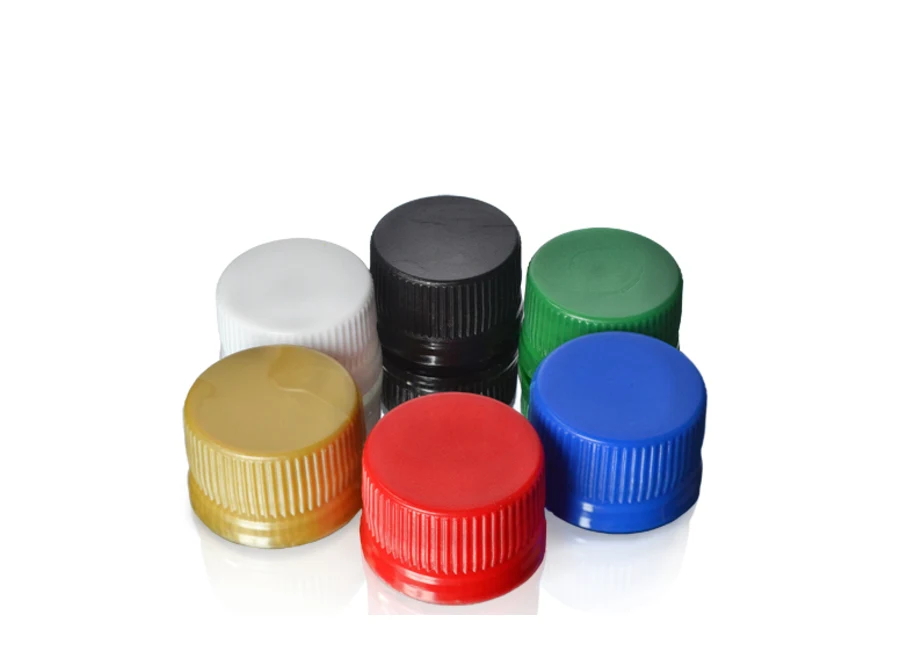
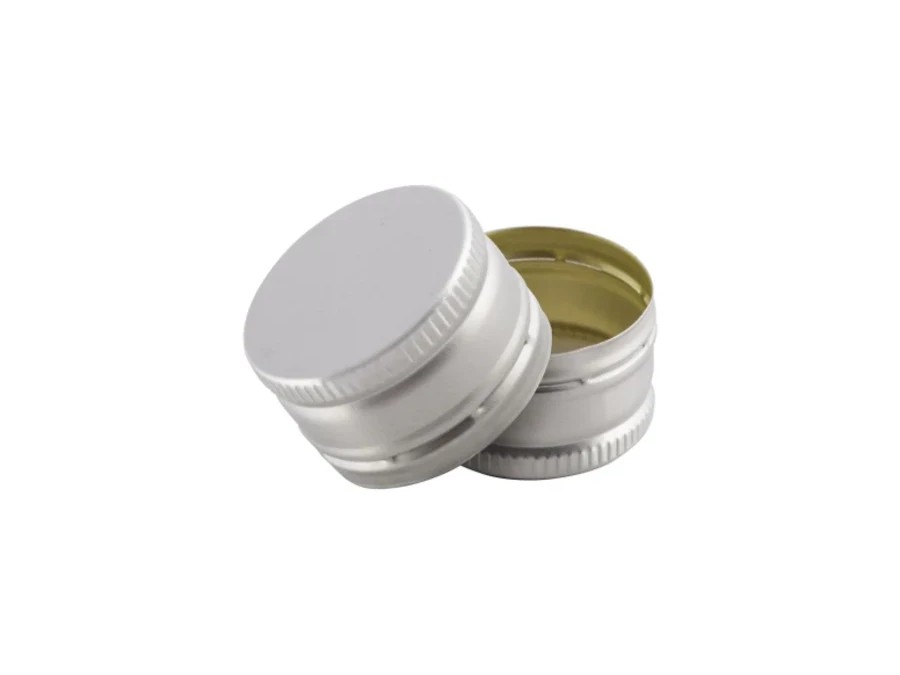
28mm MCA Tamper Evident Screw Cap
Closure type: MCA tamper-evident screw cap · Use case: Tamper-evident beverage-style closure for compatible bottle applications
Contact for priceView product
Browse bottle caps, closures, pumps, sprayers, flip tops and specialist closure options for compatible packaging projects. Every item is contact for price. 65 products are listed in this range.
Closure type: MCA tamper-evident screw cap · Use case: Tamper-evident beverage-style closure for compatible bottle applications
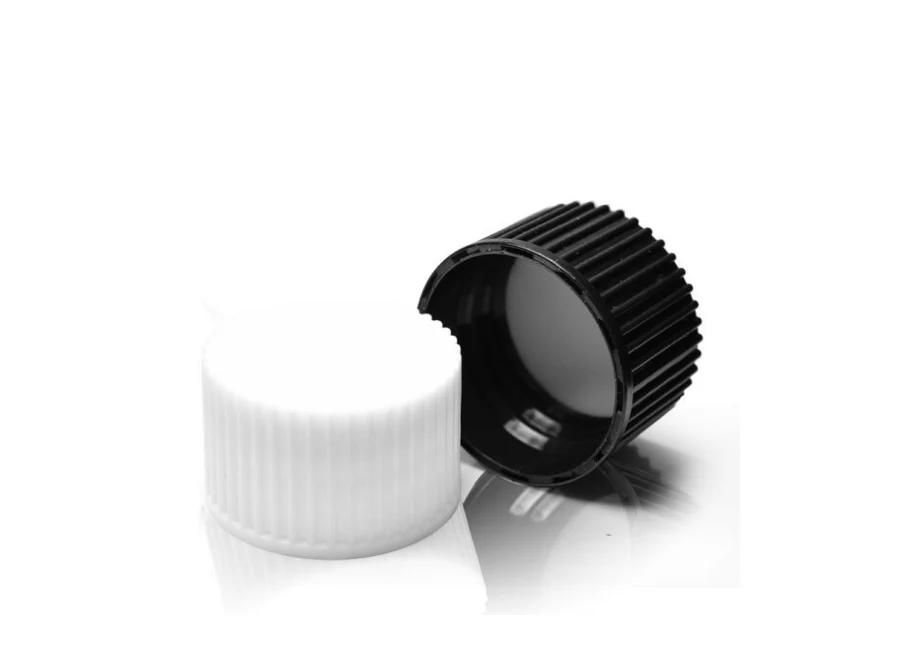
Material/liner: Plastic screw cap with EPE liner · Use case: General 28 mm neck bottle closure
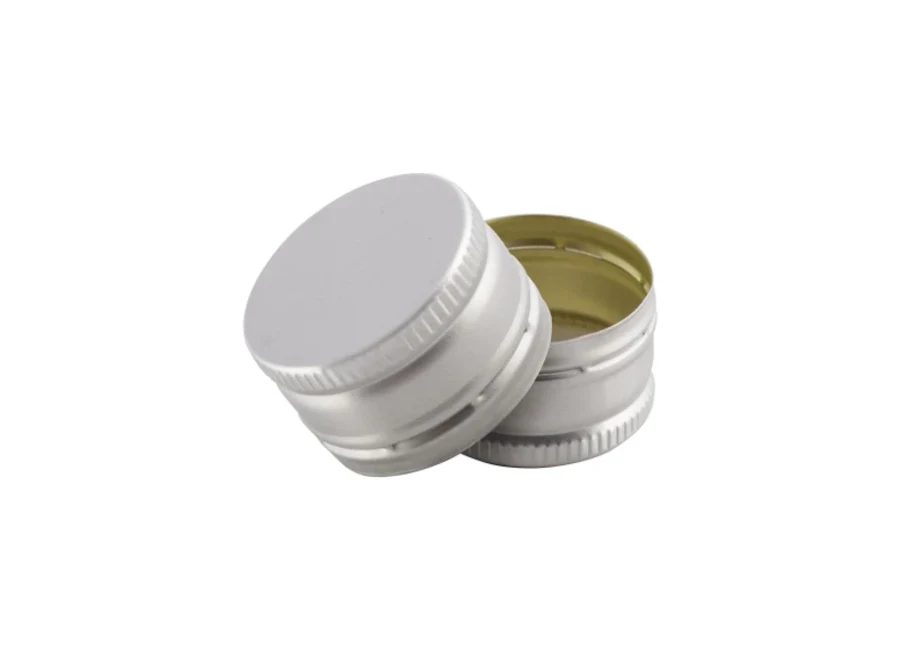
Material/liner: Brushed aluminium screw cap with EPE liner · Use case: Premium-looking closure for body/beauty/health packaging
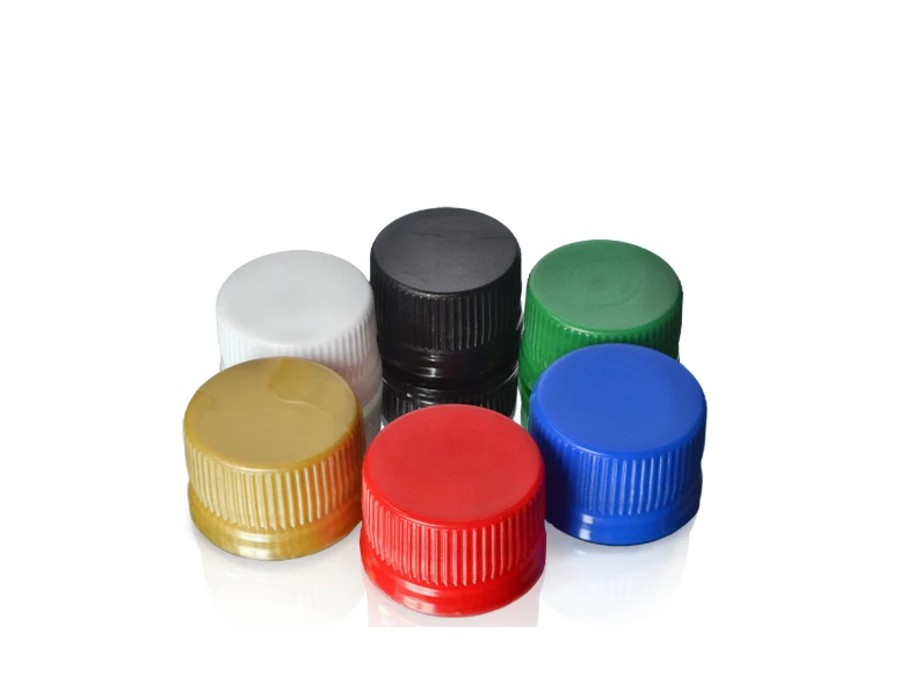
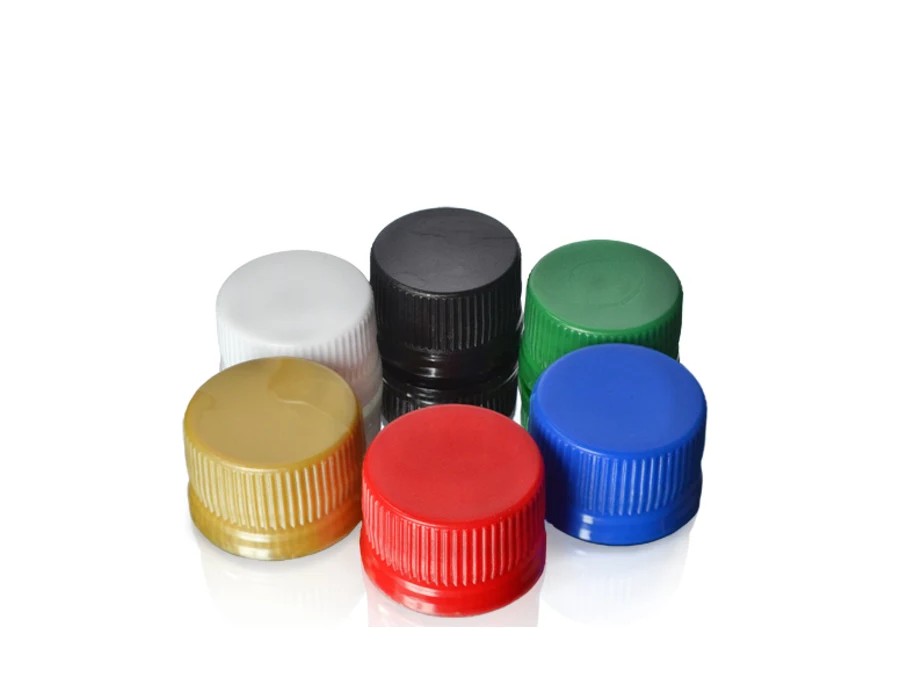
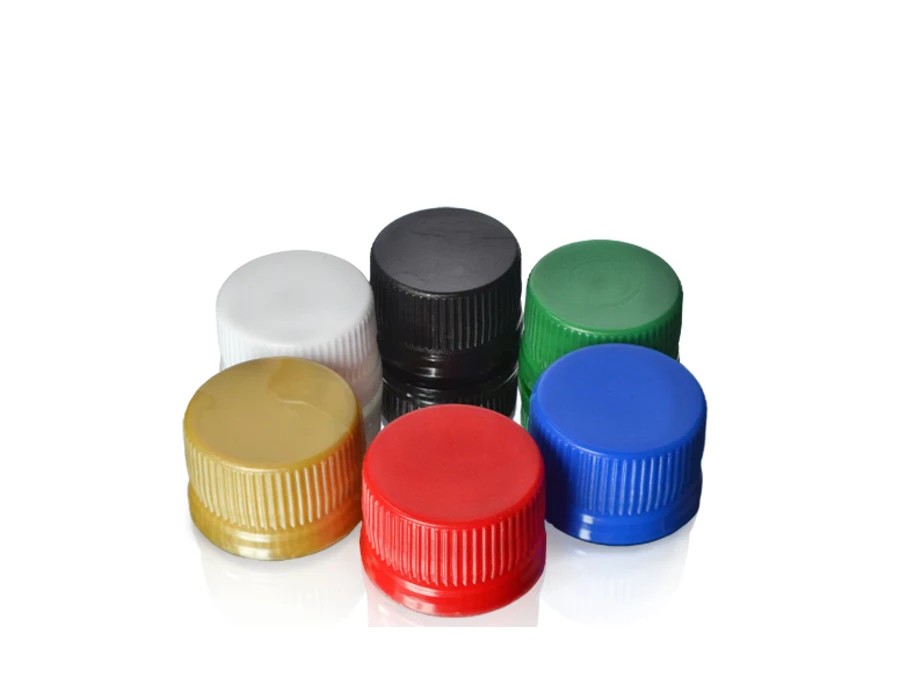
28mm, EPE liner, colour options · Material: PP plastic
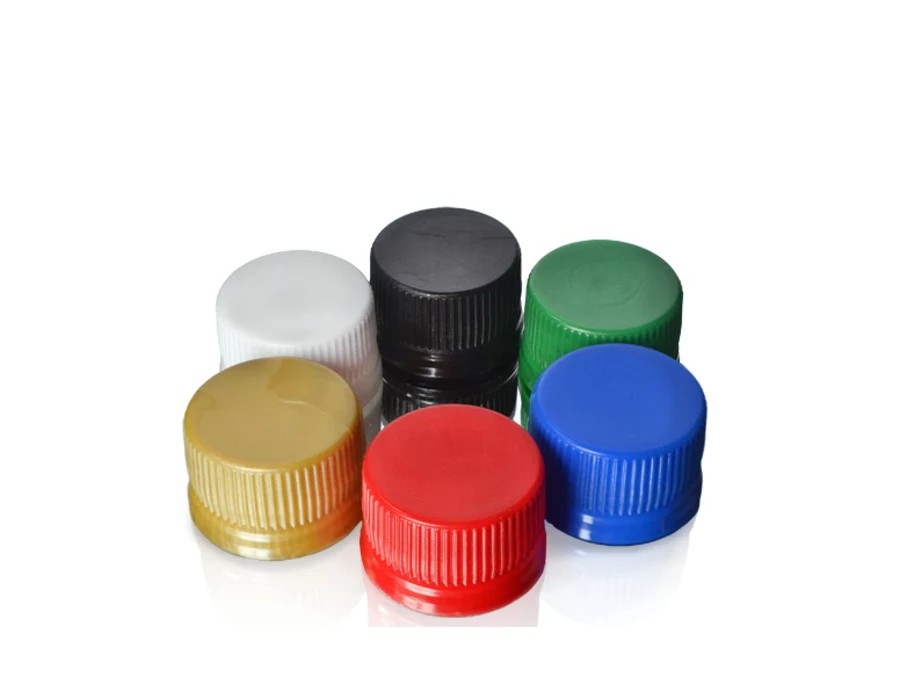
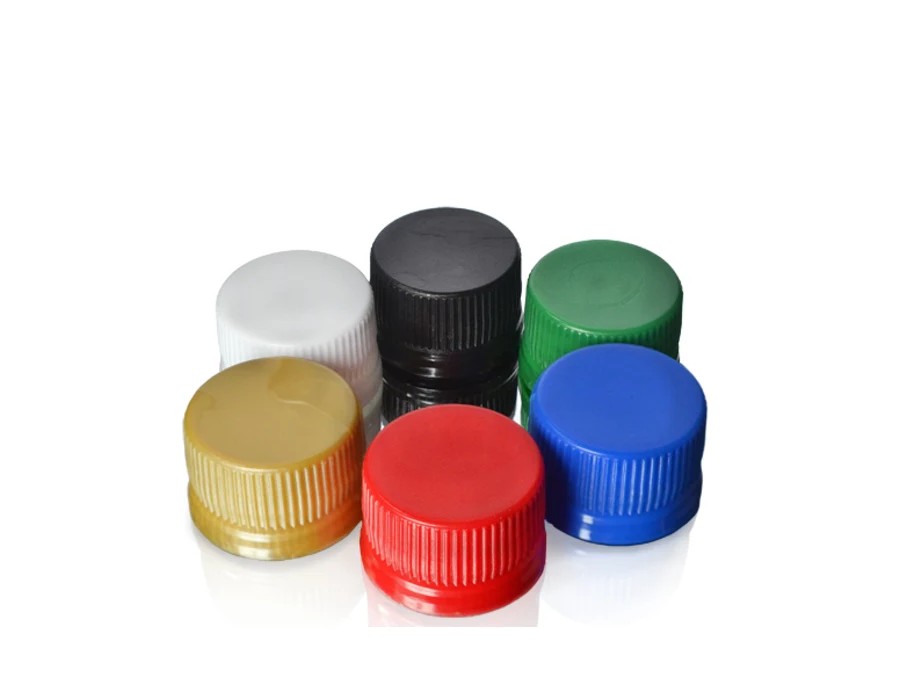
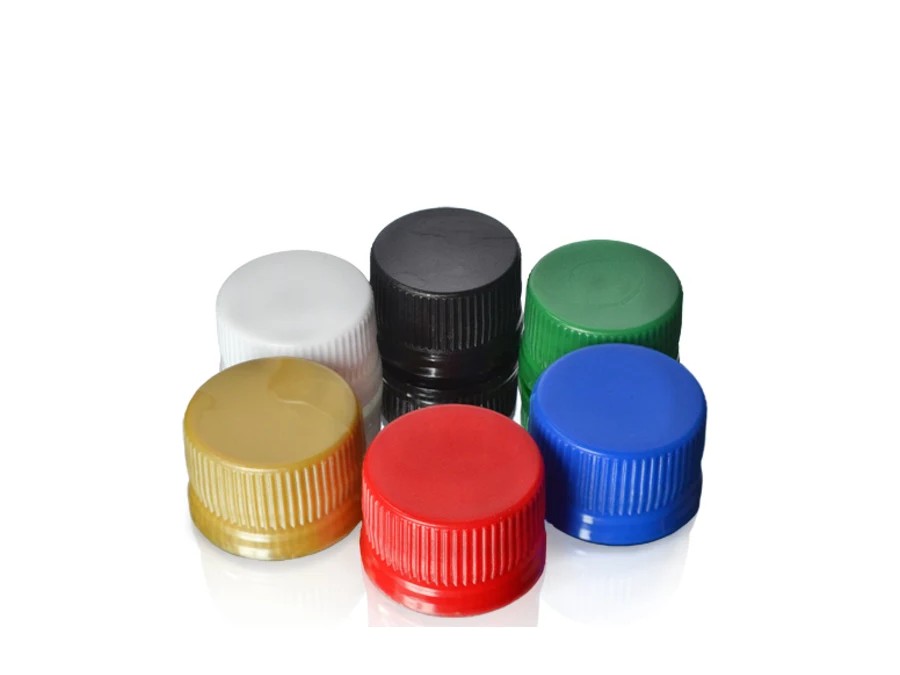
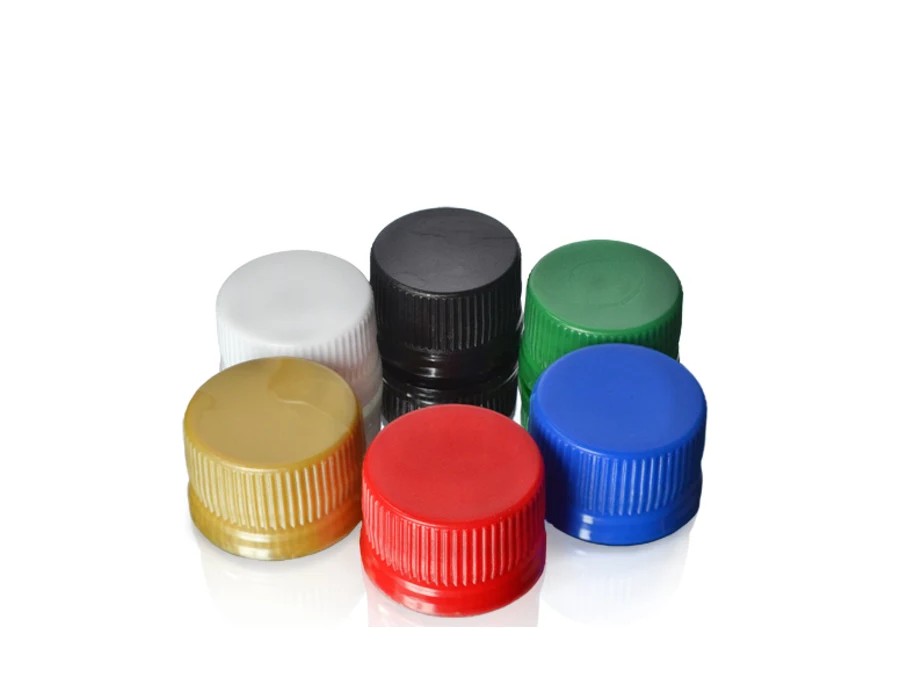
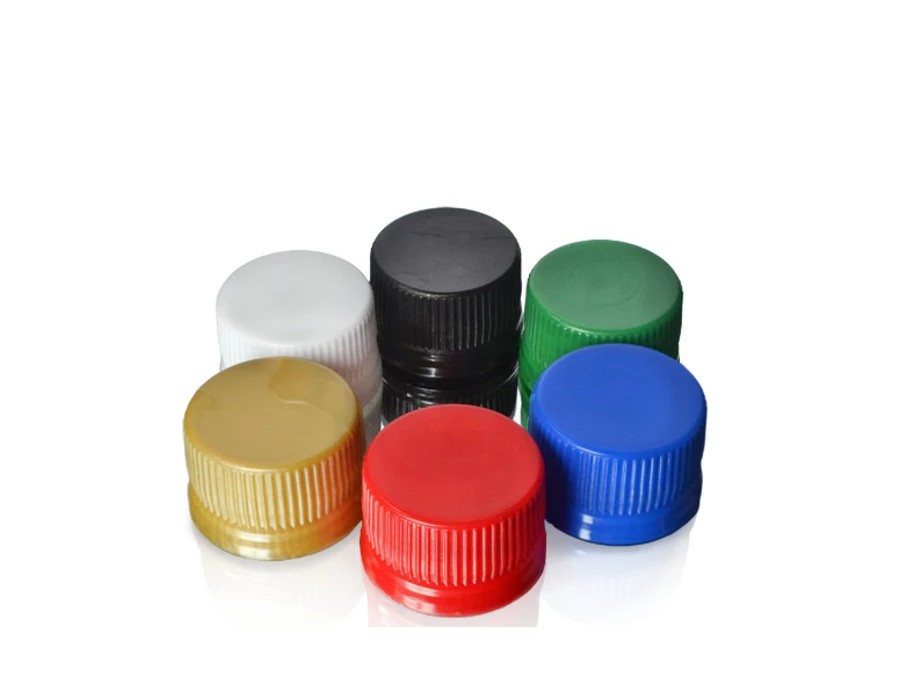
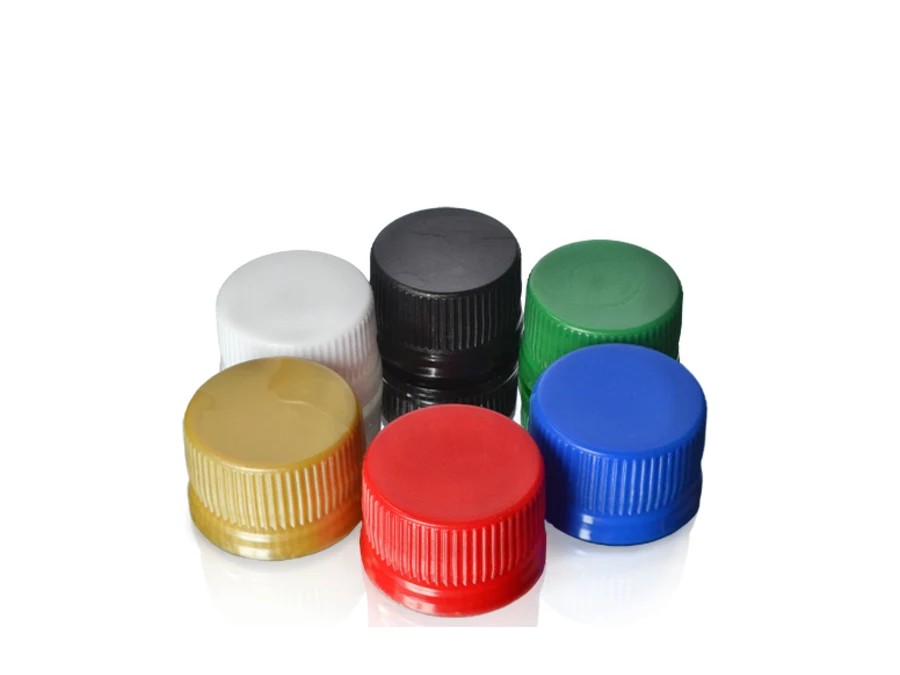
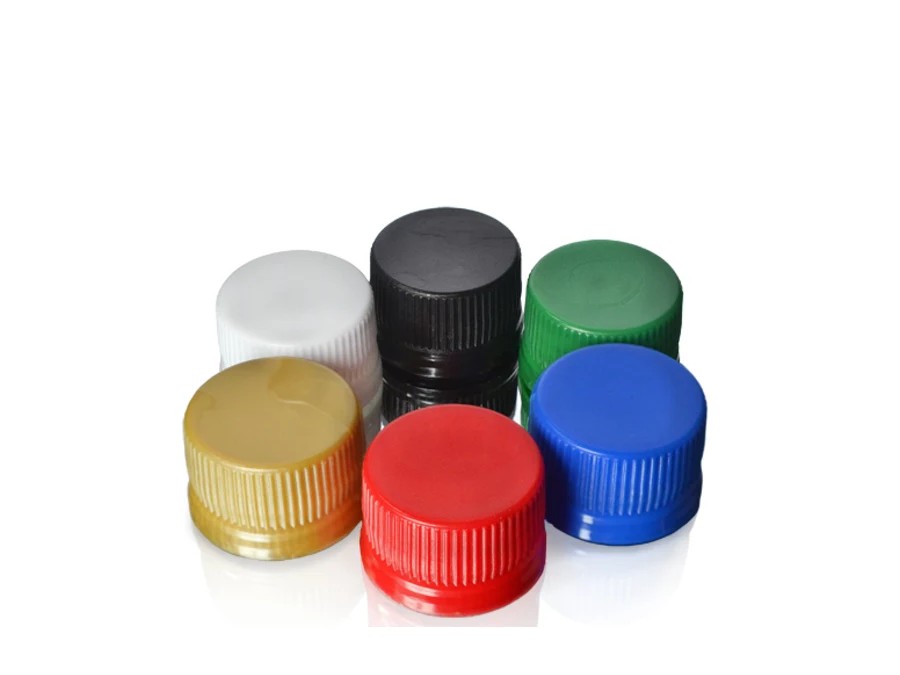
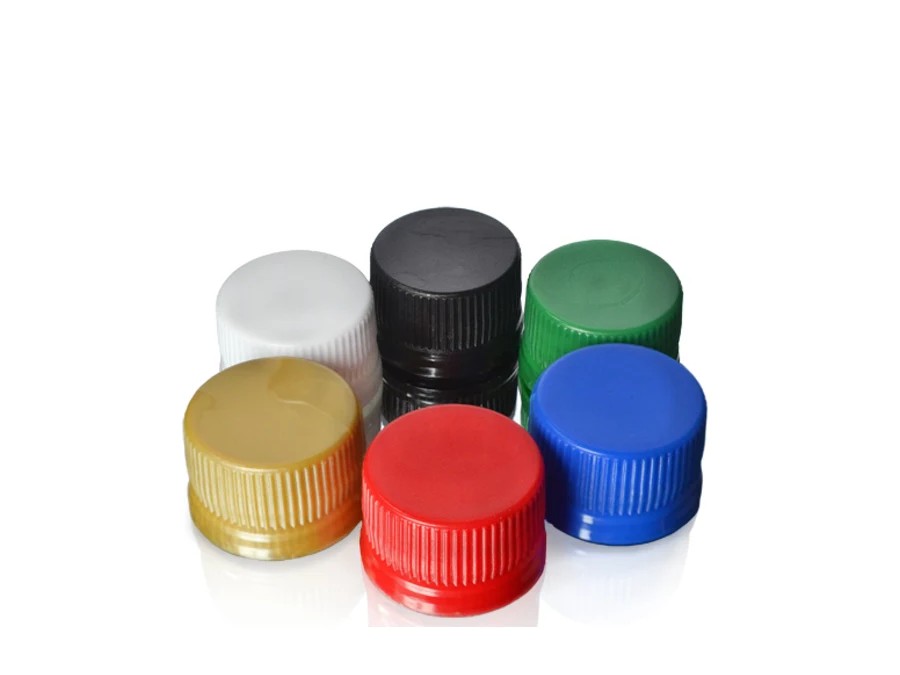
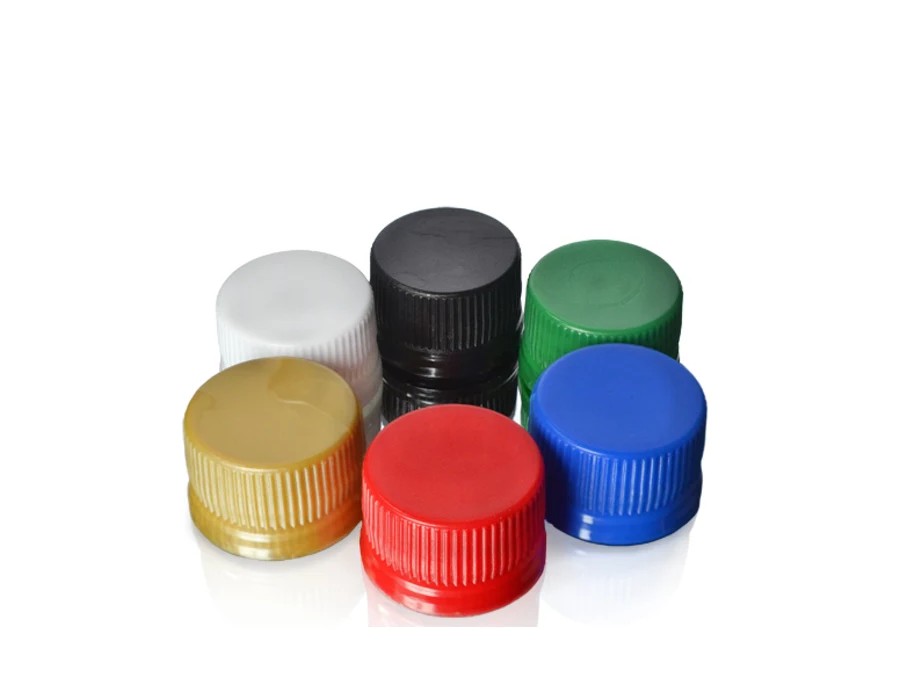
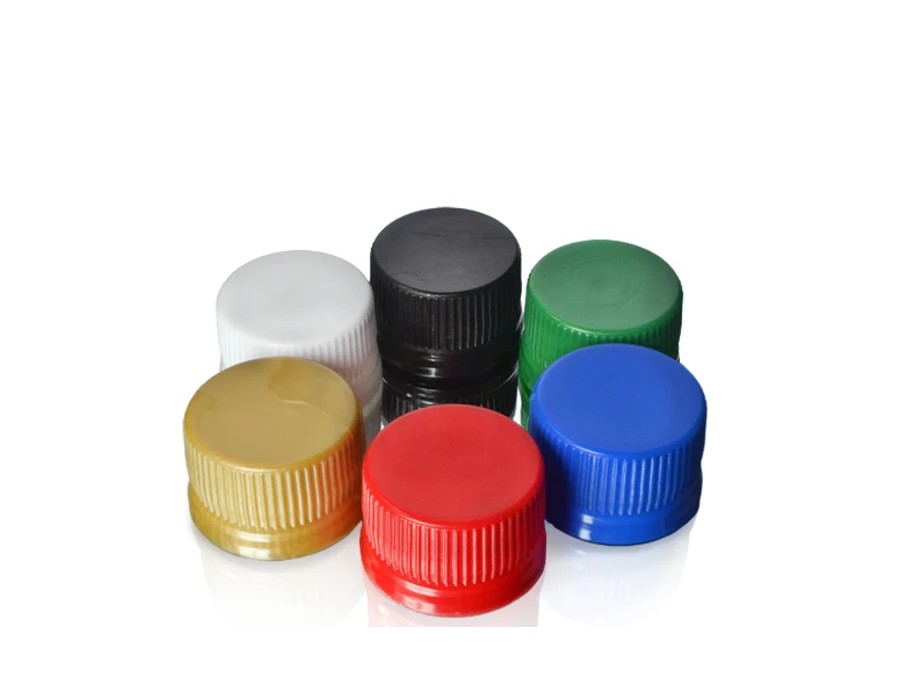
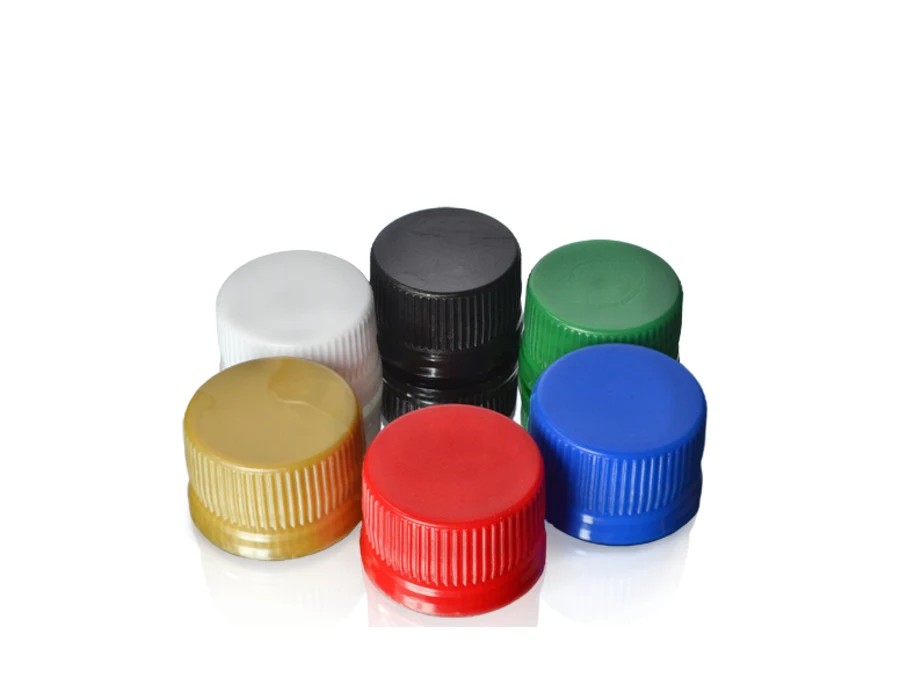
28mm MCA, tamper-evident, multiple colours · Material: PP plastic
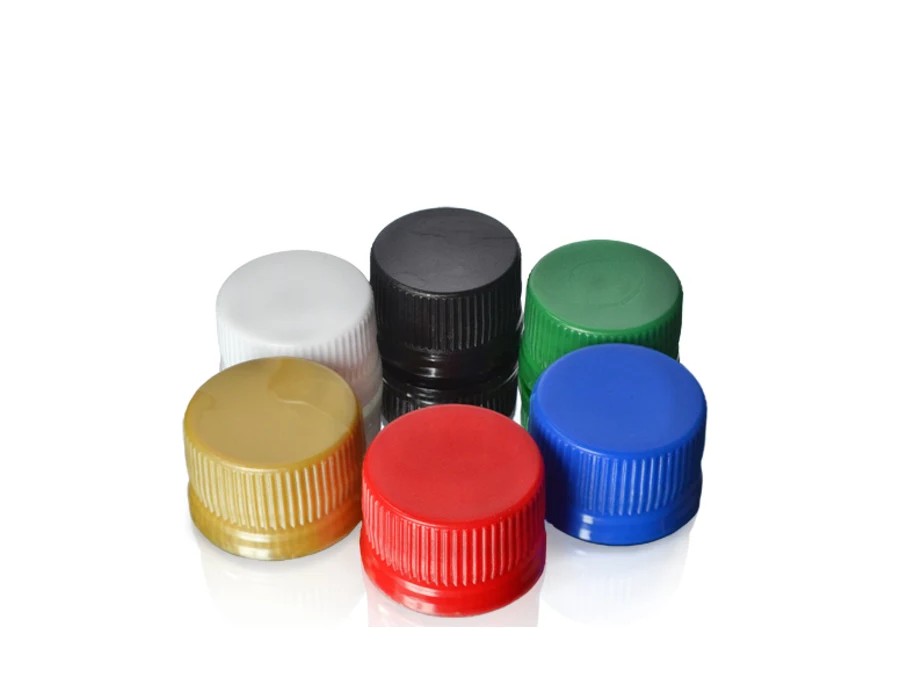
28mm PP28, integrated bore seal, TE band · Material: Black PP plastic
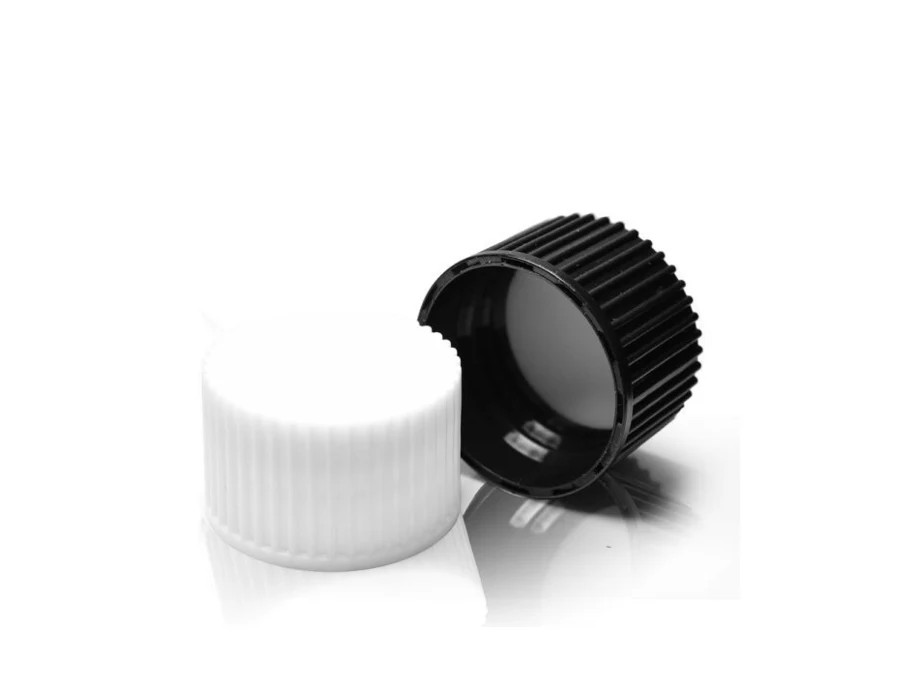
28mm, push-down/twist, EPE liner · Material: White PP plastic
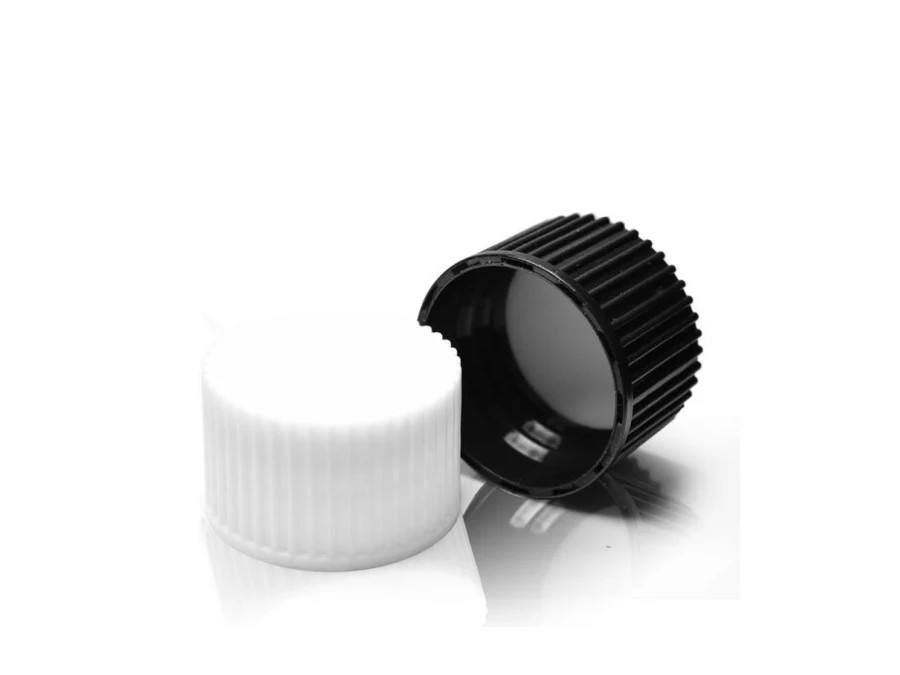
28mm Medilock CR, EPE liner · Material: White PP plastic
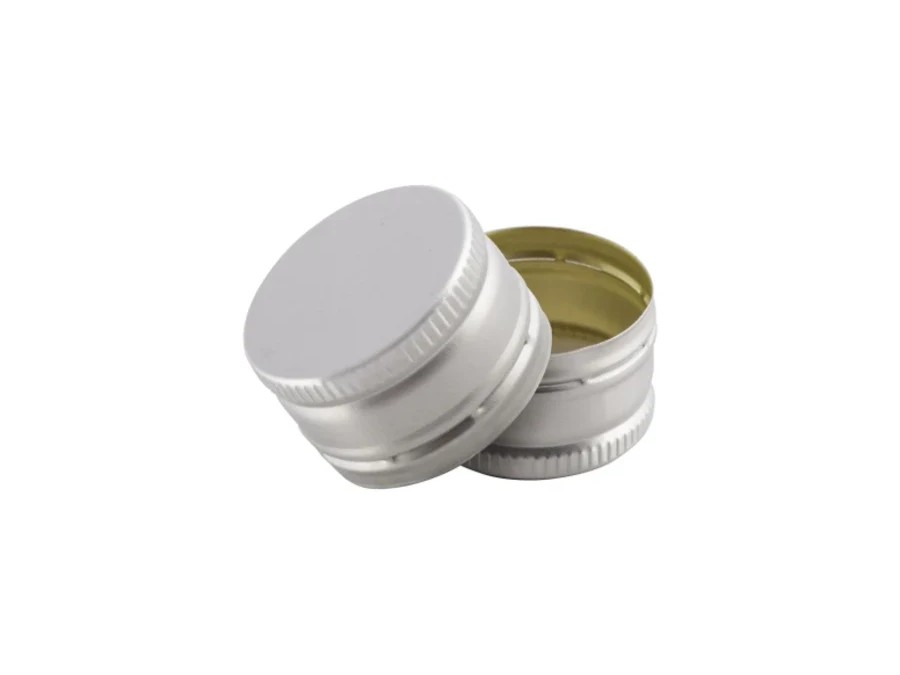
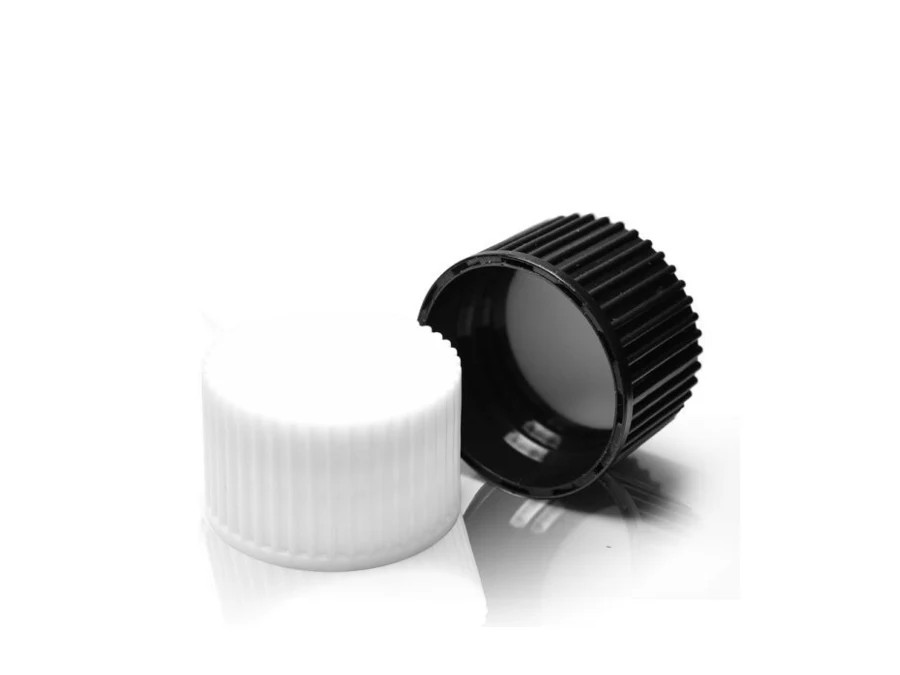
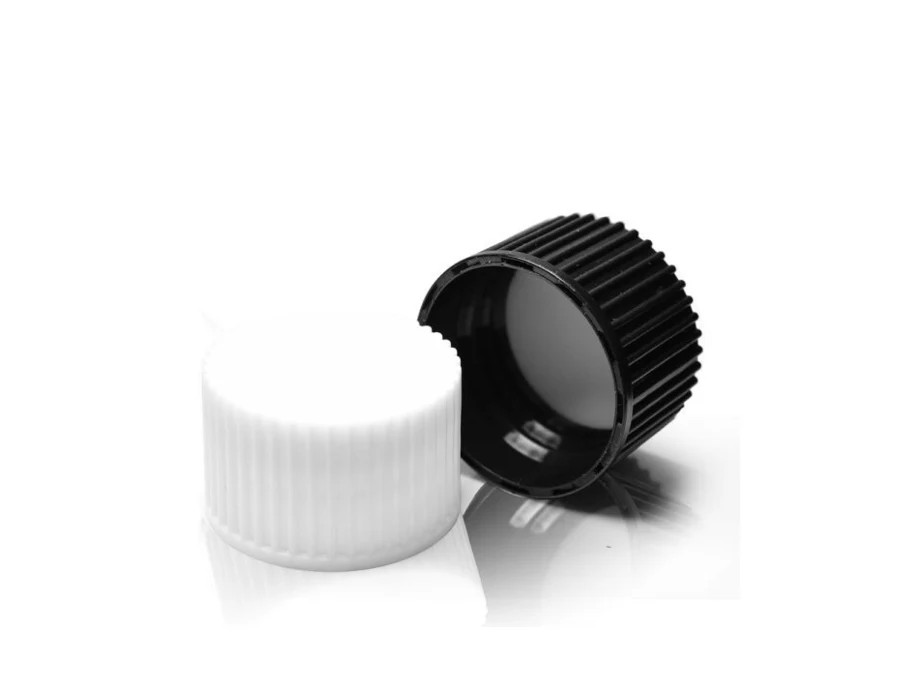
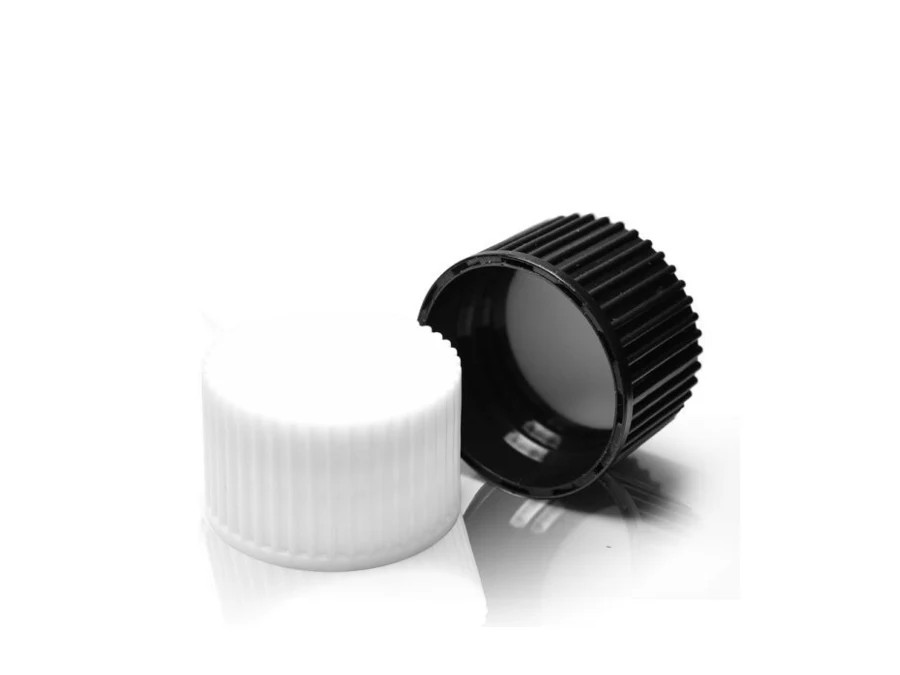
28mm R3, polycone liner, black/white · Material: PP plastic
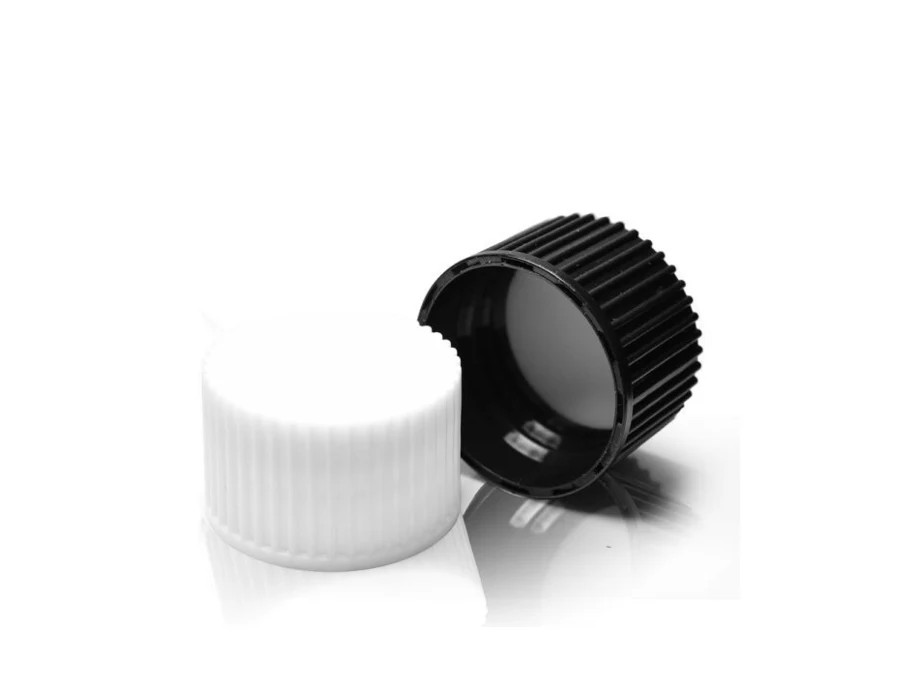
28mm R3, EPE liner, black/white · Material: PP plastic
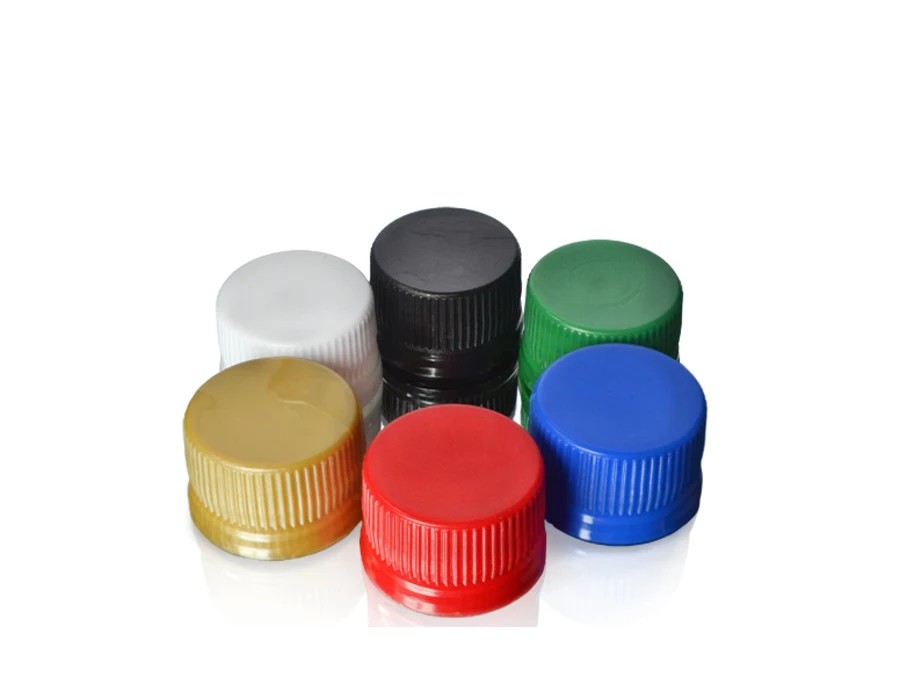
28mm R3, polycone liner · Material: Black urea plastic
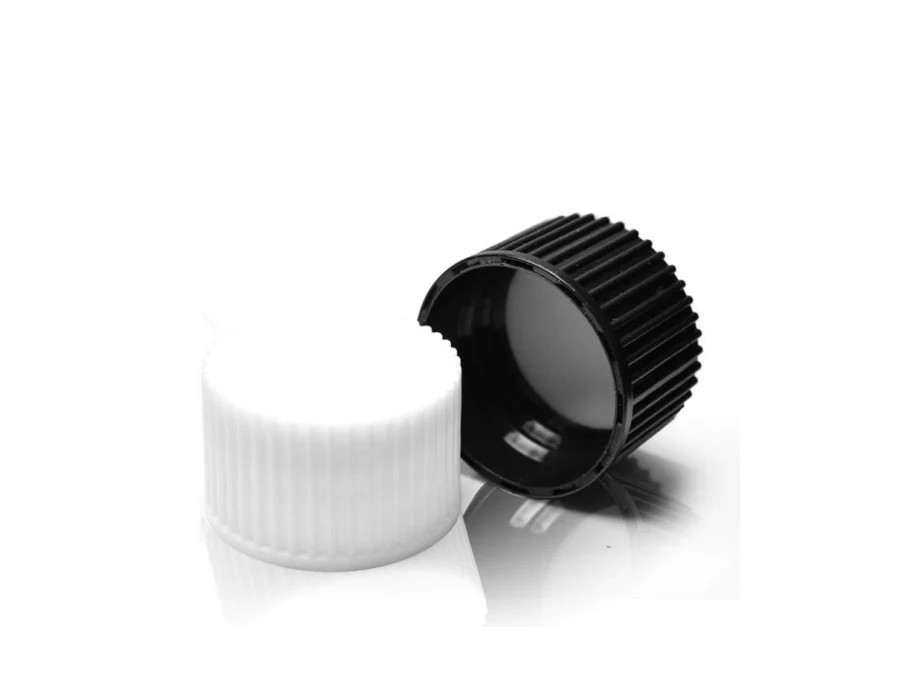
28/400 R3, EPE liner · Material: White PP plastic
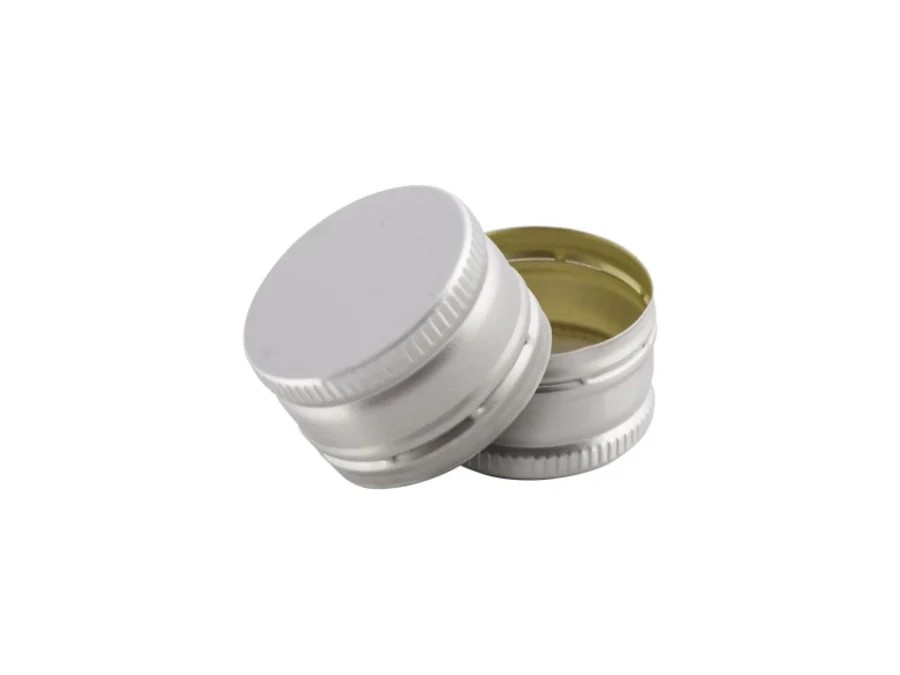
18mm, glass pipette, black tamper-evident cap · Material: PP cap + glass pipette
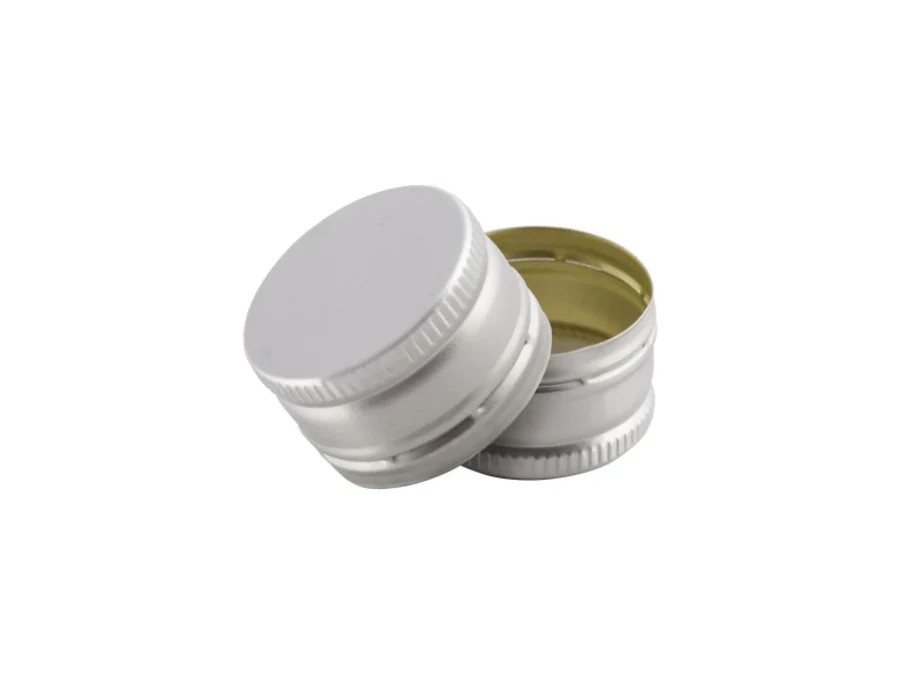
18mm, glass pipette, white cap · Material: PP cap + glass pipette
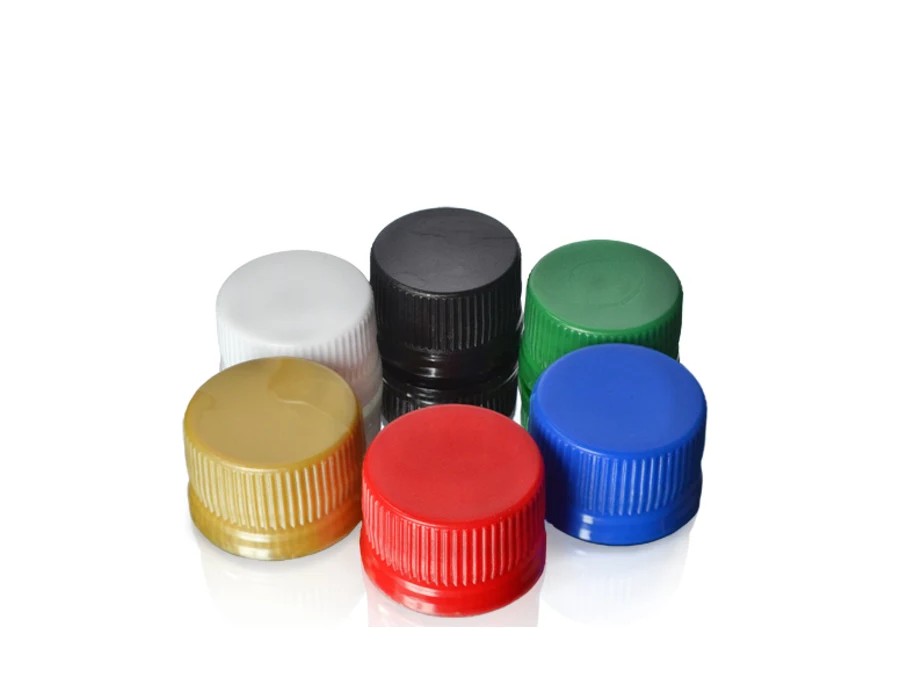
18mm, spray actuator, overcap · Material: Plastic spray closure
20/410, natural, dispensing orifice · Material: PP plastic
24/410, smooth side, liner optional · Material: PP plastic
24mm, natural spout/nozzle · Material: LDPE/PP plastic
24/410, dip tube, lock-down pump · Material: PP pump assembly
24/410, fine mist actuator, cap · Material: PP spray assembly
28/410, lock-down pump, dip tube · Material: PP pump assembly
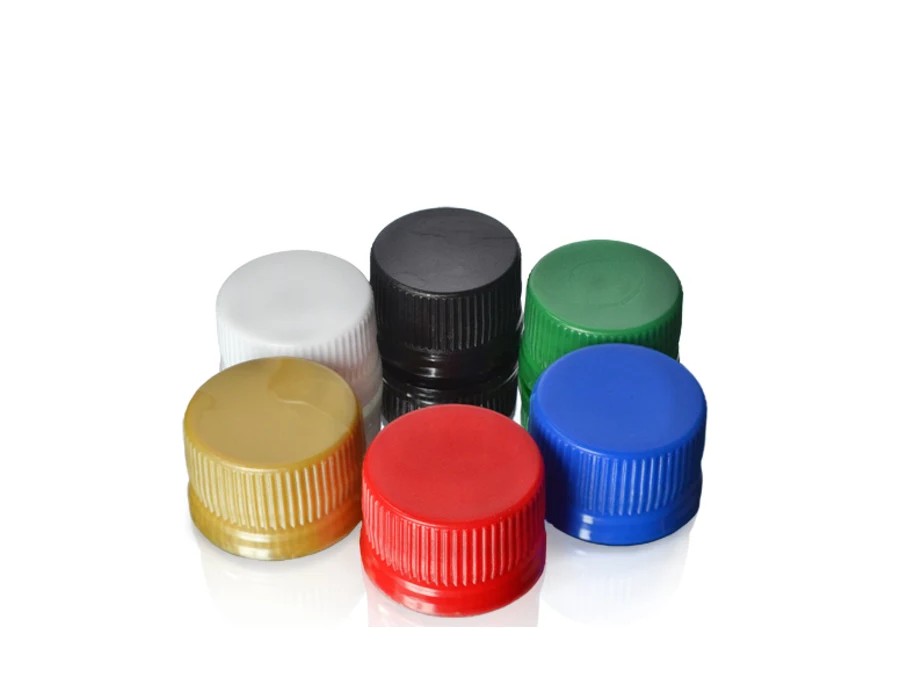
28/400, adjustable nozzle · Material: PP trigger assembly
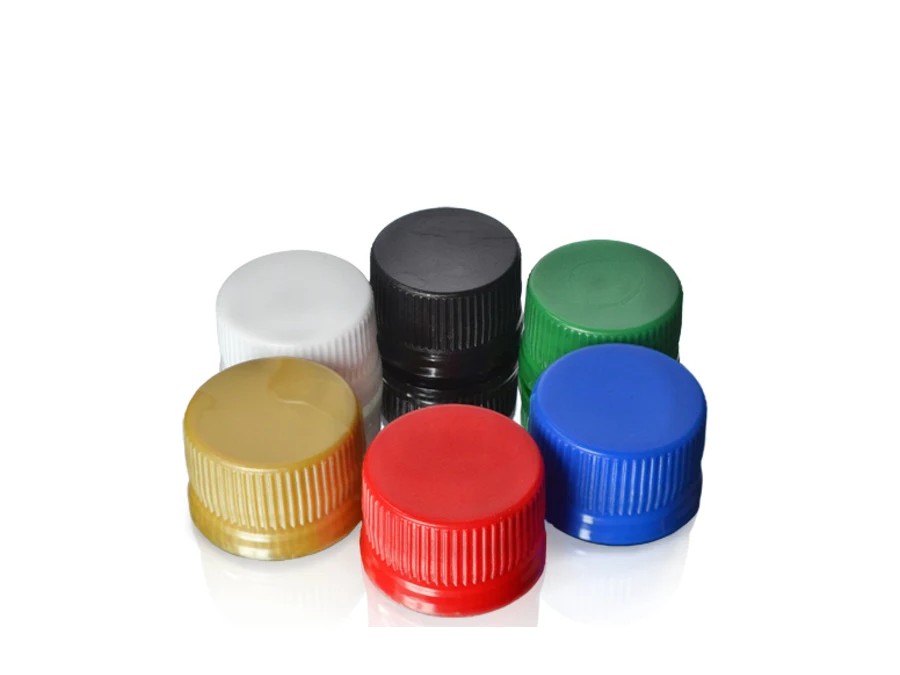
38mm, drink bottle finish · Material: HDPE/PP plastic
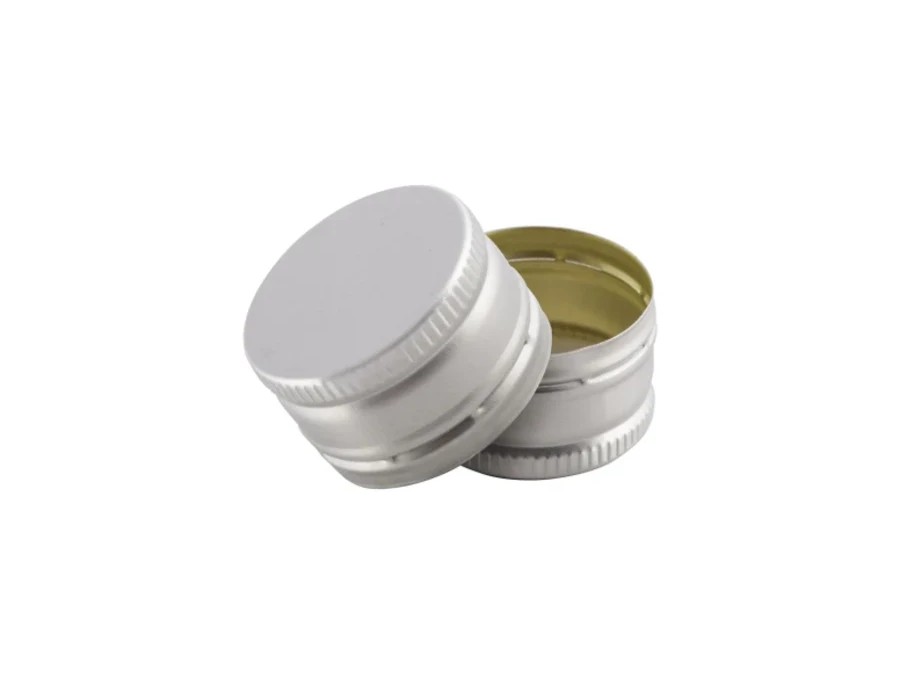
28mm MCA, tamper-evident, gold · Material: Aluminium/metal
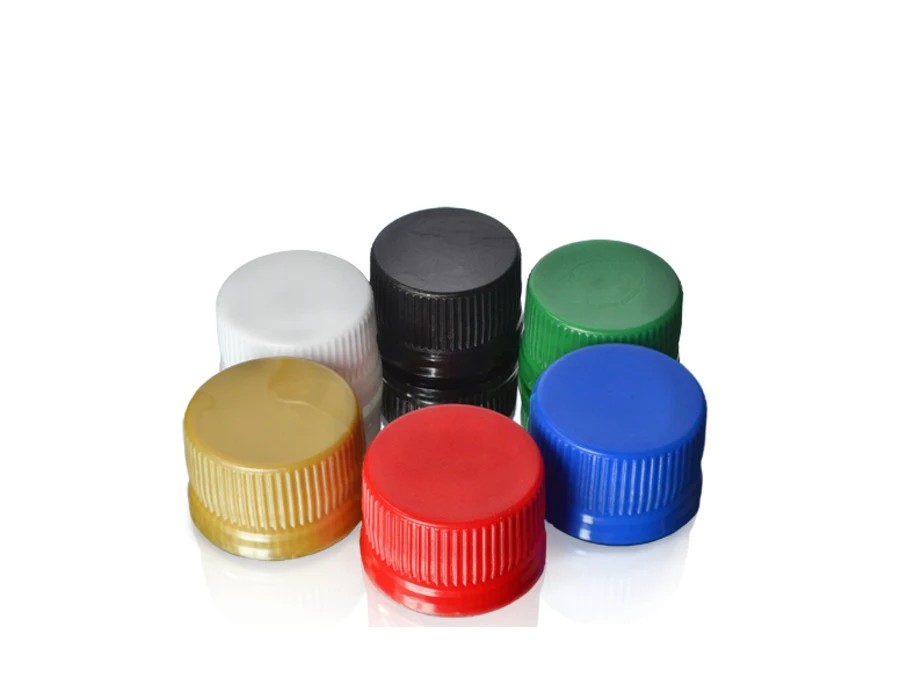
28mm MCA, black, tamper-evident · Material: PP/aluminium finish
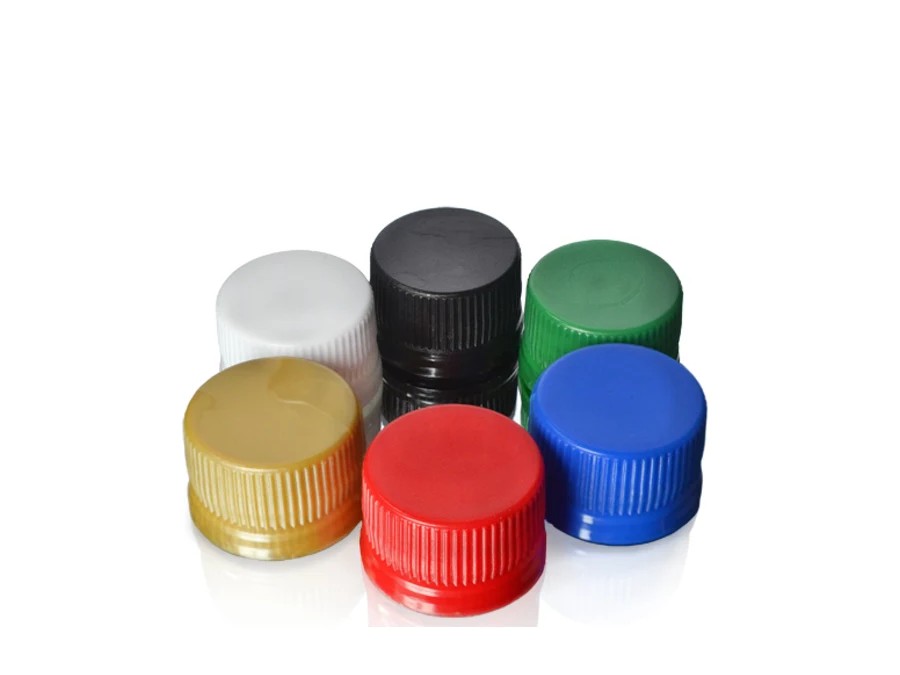
26mm crown, pry-off · Material: Steel crown cap
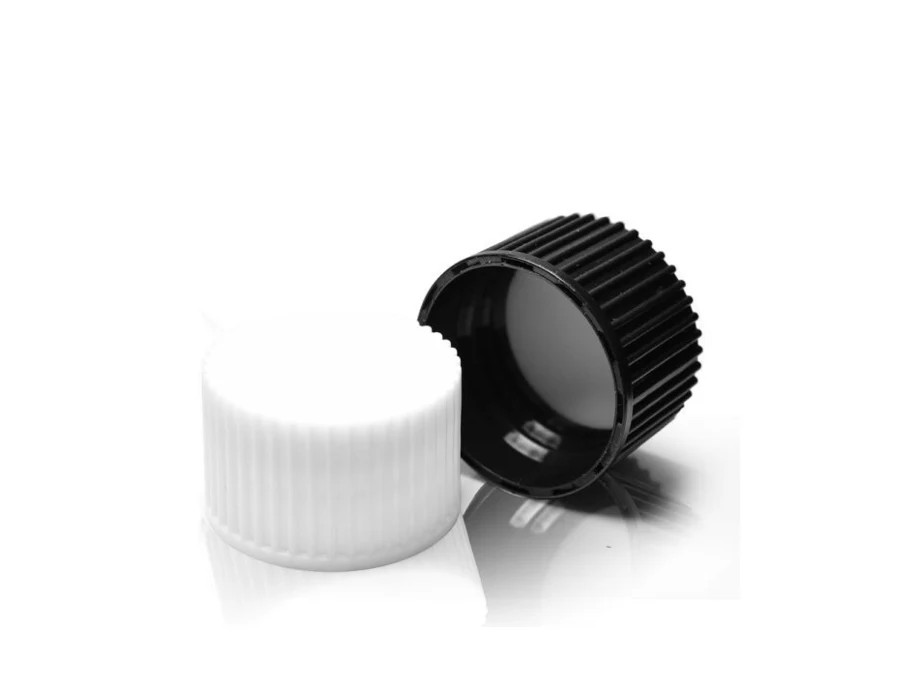
26mm crown, pry-off · Material: Steel crown cap
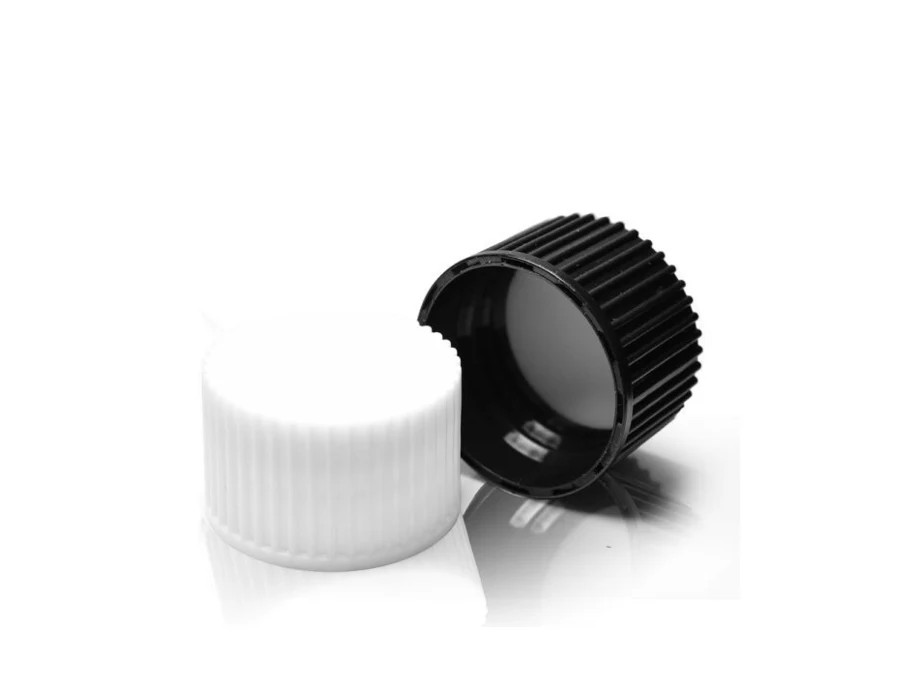
wire bail + ceramic/plastic stopper · Material: Ceramic/plastic + wire
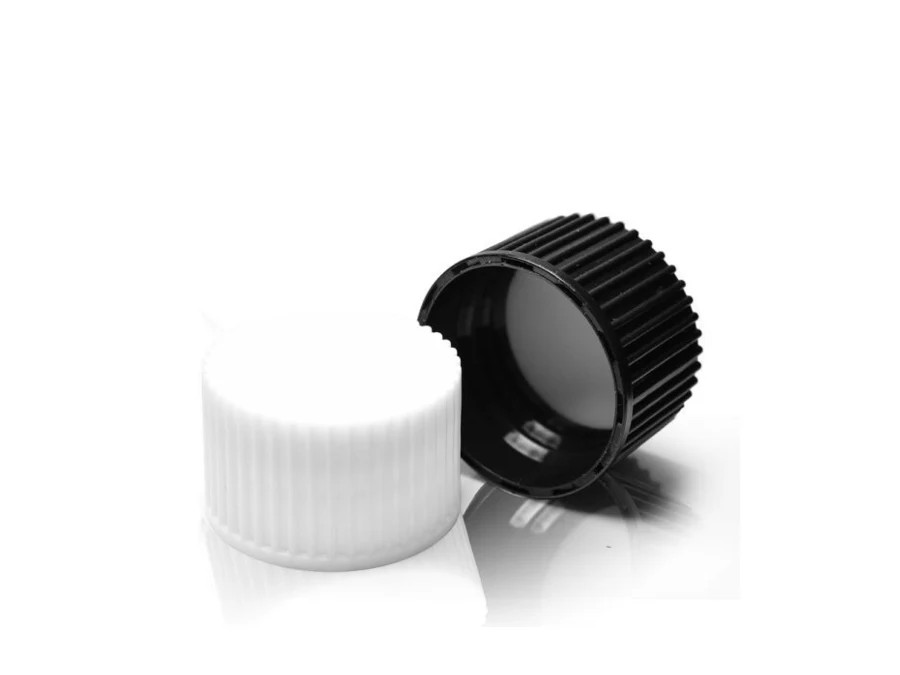
18/410, EPE liner · Material: PP plastic
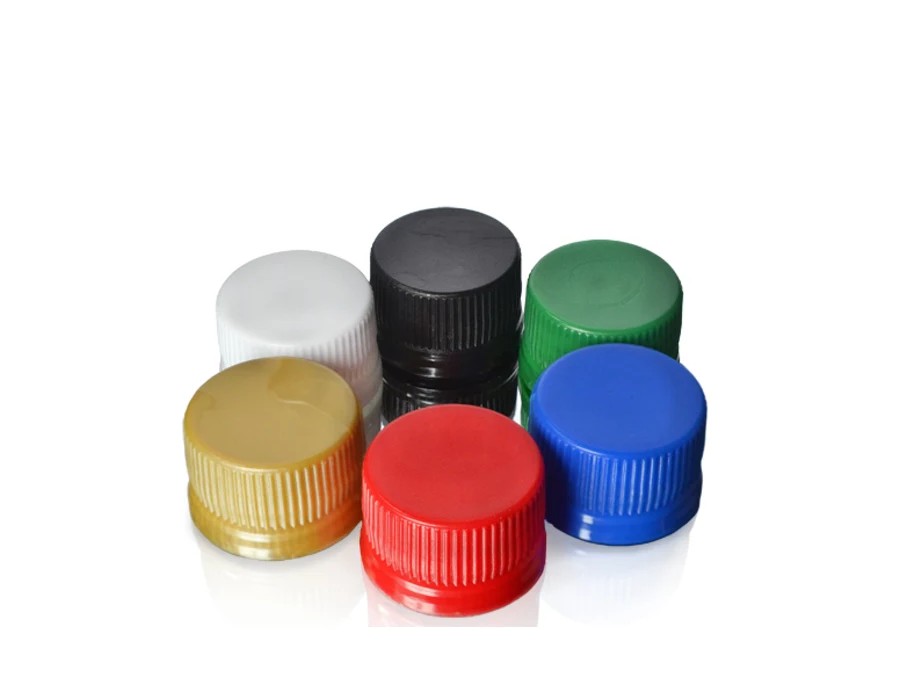
20/410, ribbed, EPE liner · Material: PP plastic
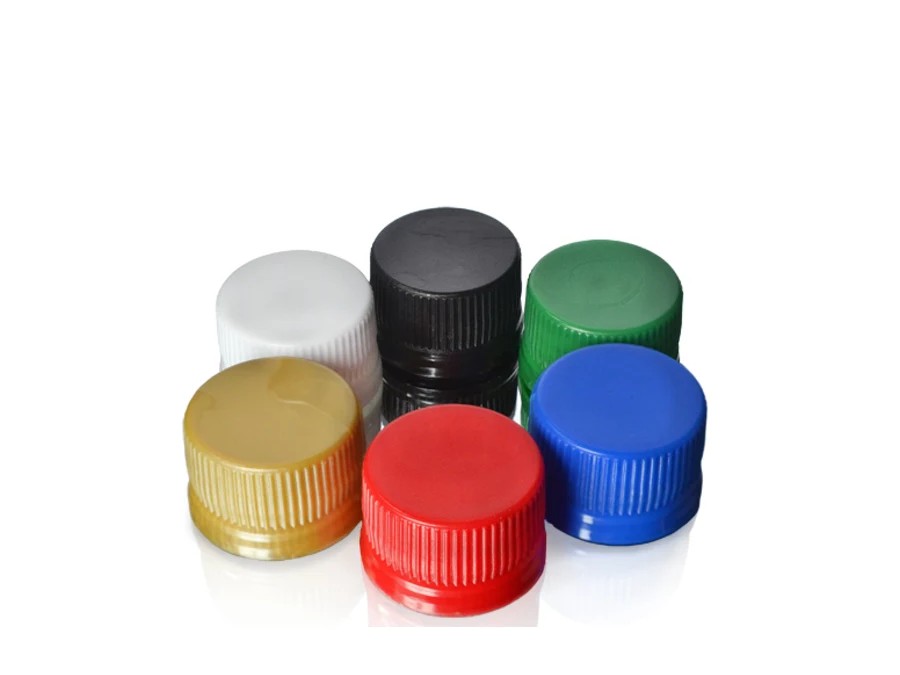
24/410, black, EPE liner · Material: PP plastic
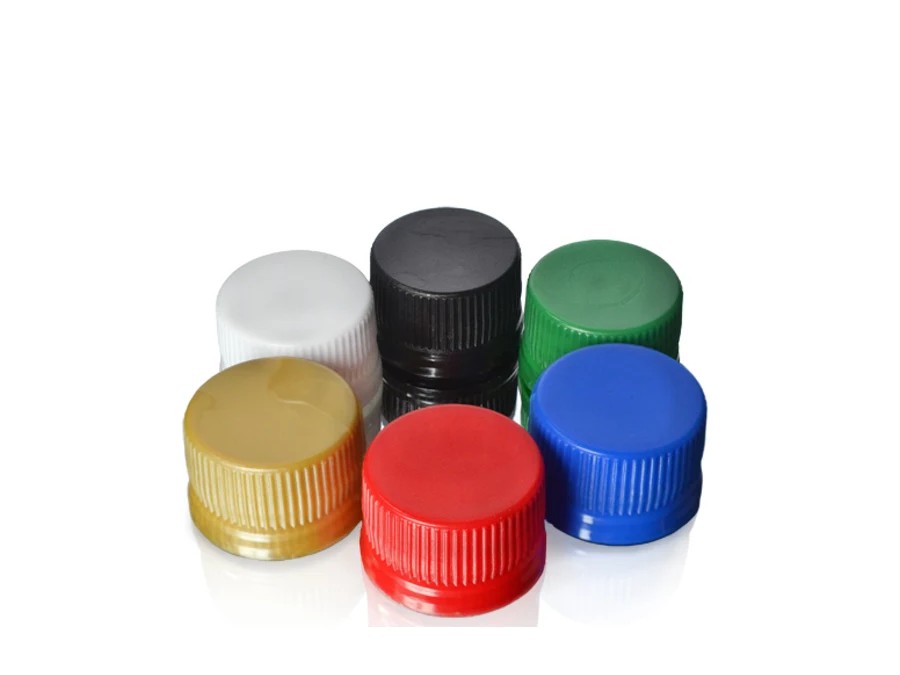
24/410, cone spout, tip cap · Material: LDPE/PP plastic
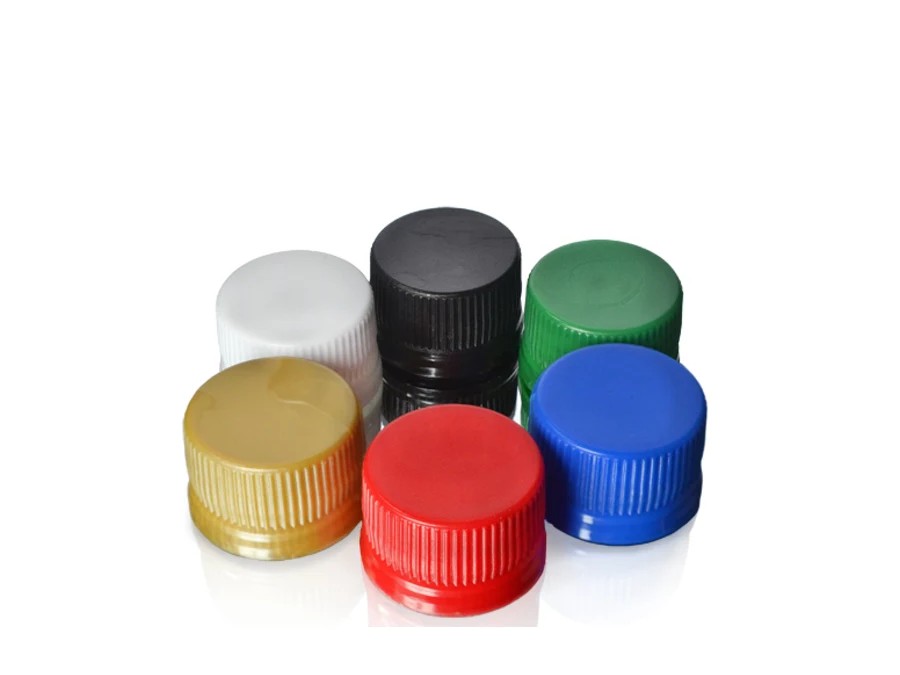
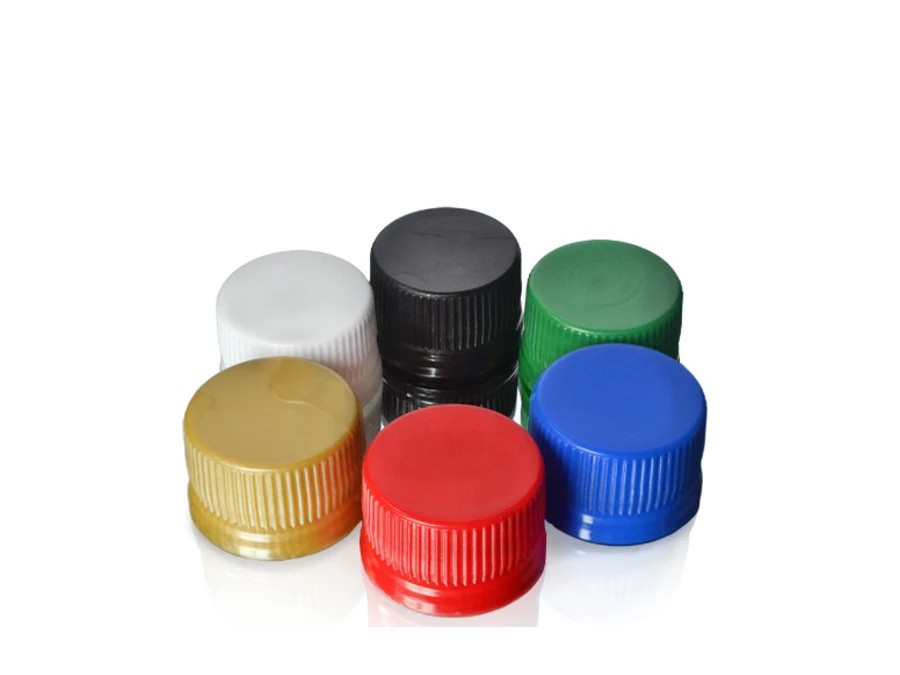
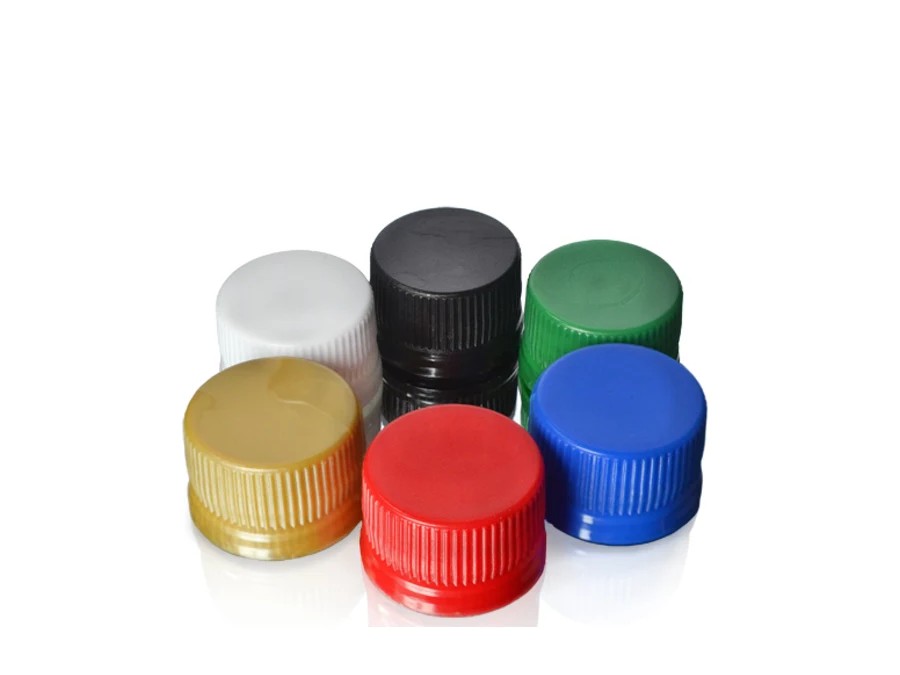
28/410, black, smooth collar · Material: PP pump assembly
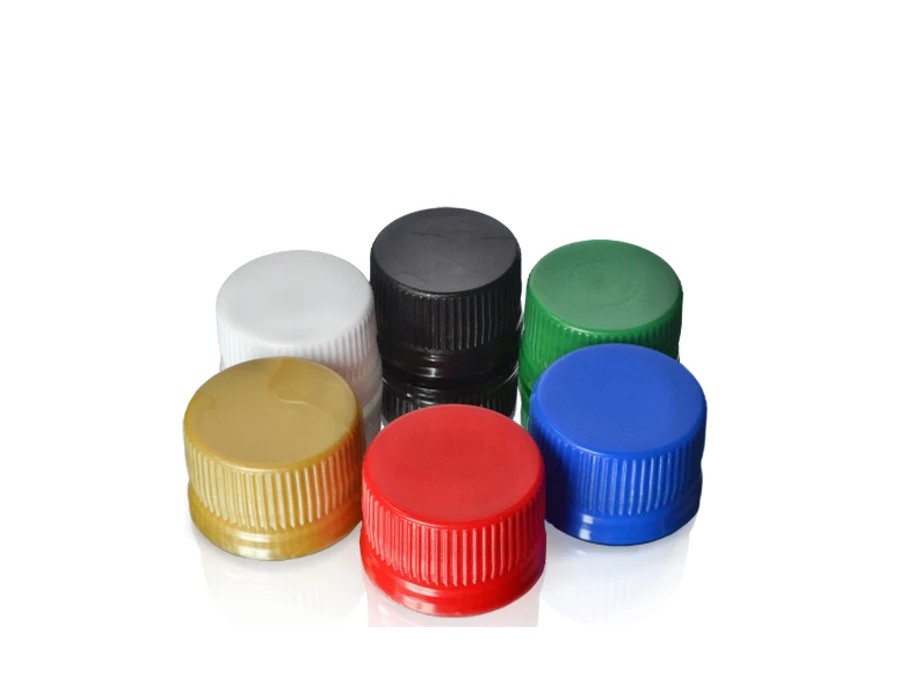
38mm, foam liner · Material: PP plastic
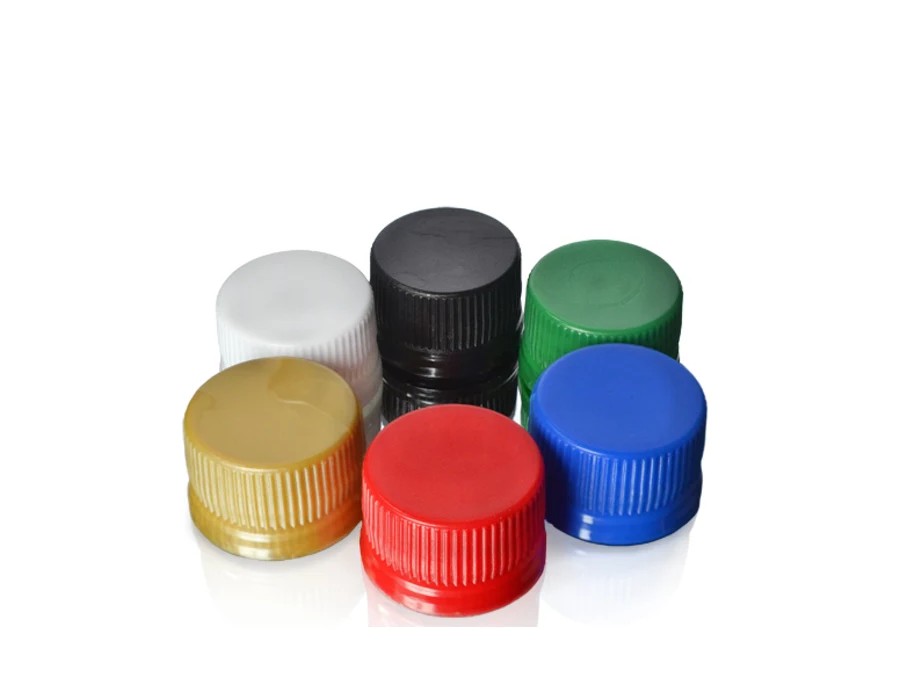
45mm, CR, lined · Material: PP plastic
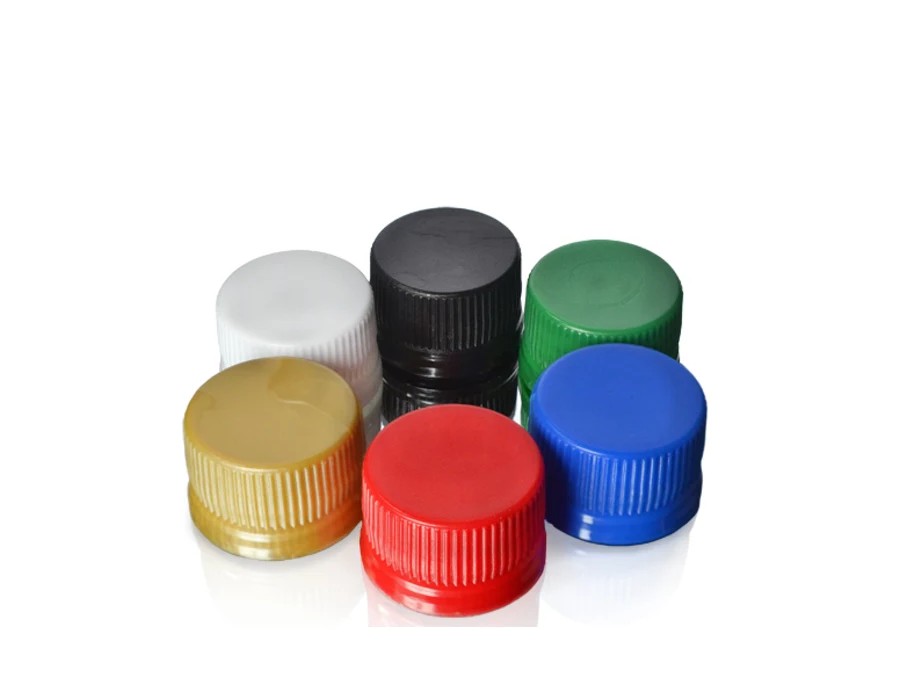
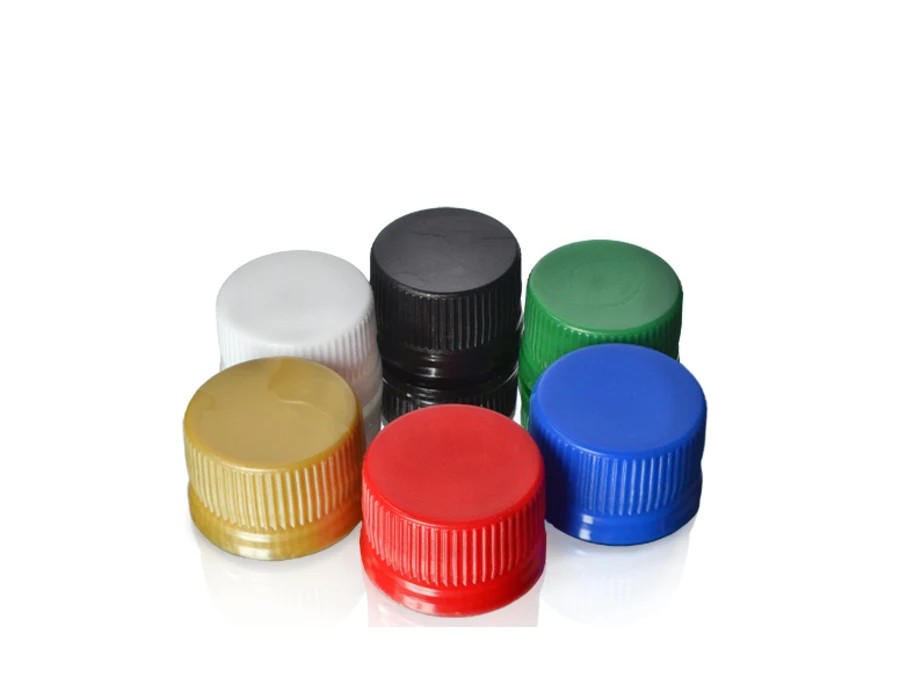
70mm, lined, ribbed · Material: PP plastic
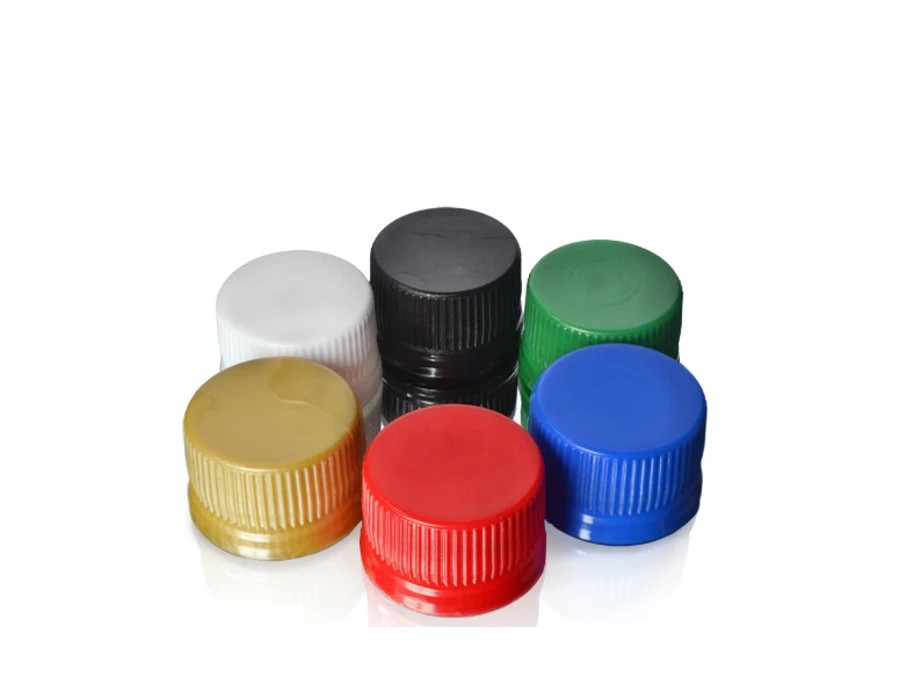
89mm CT finish · Material: PP plastic
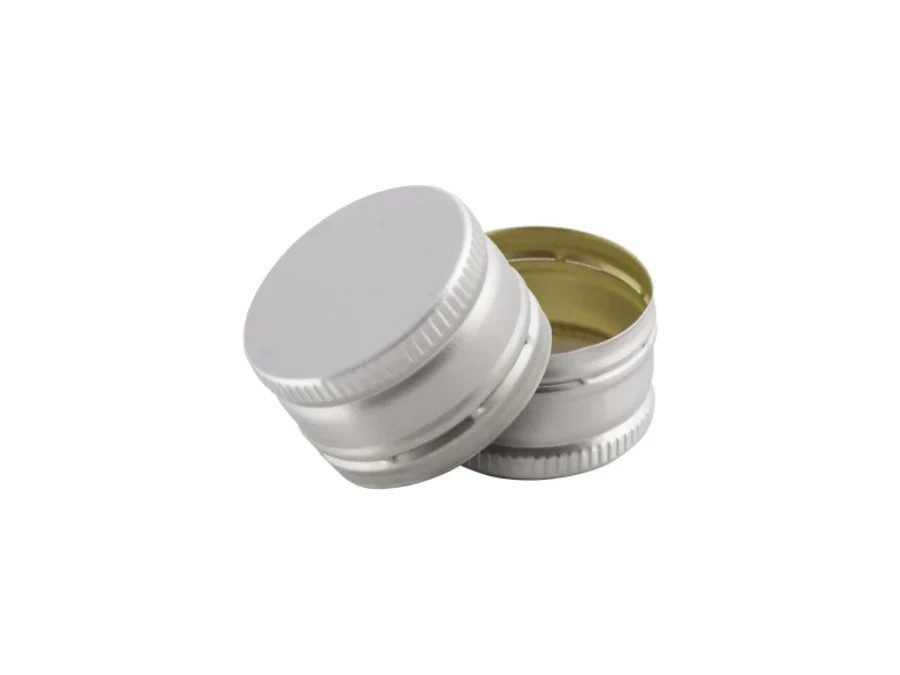
24/410, metal look, disc-top · Material: Aluminium/PP
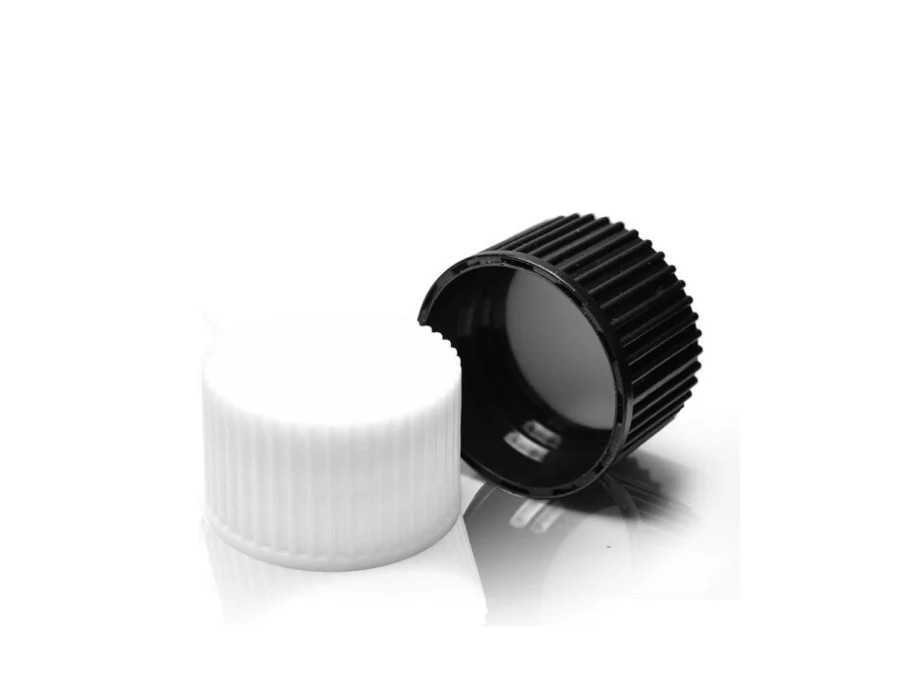
20/410, serum pump, clear overcap · Material: PP pump assembly
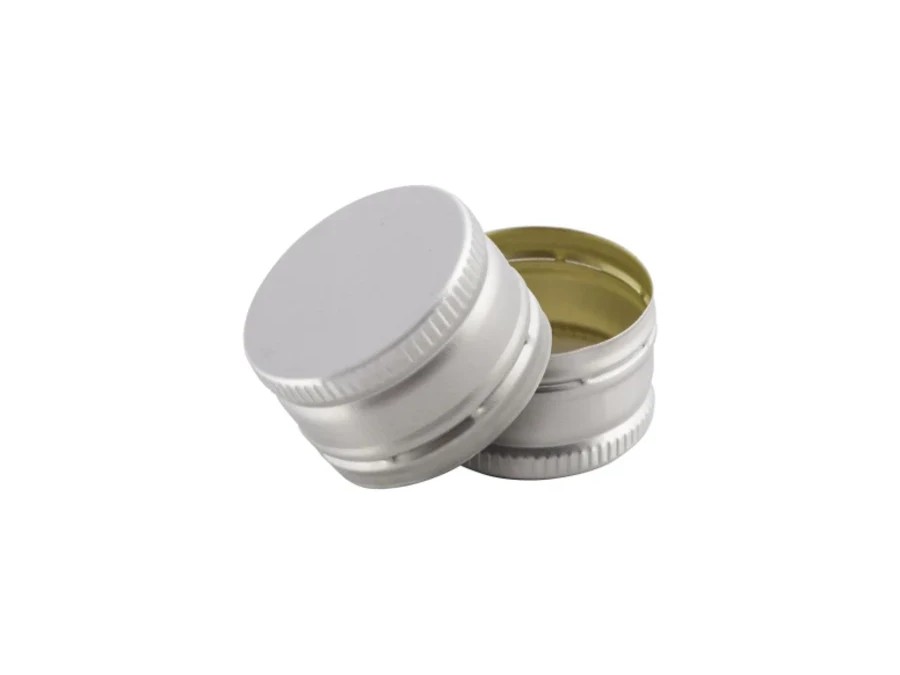
18mm, silver collar, glass pipette · Material: Metal collar + glass pipette
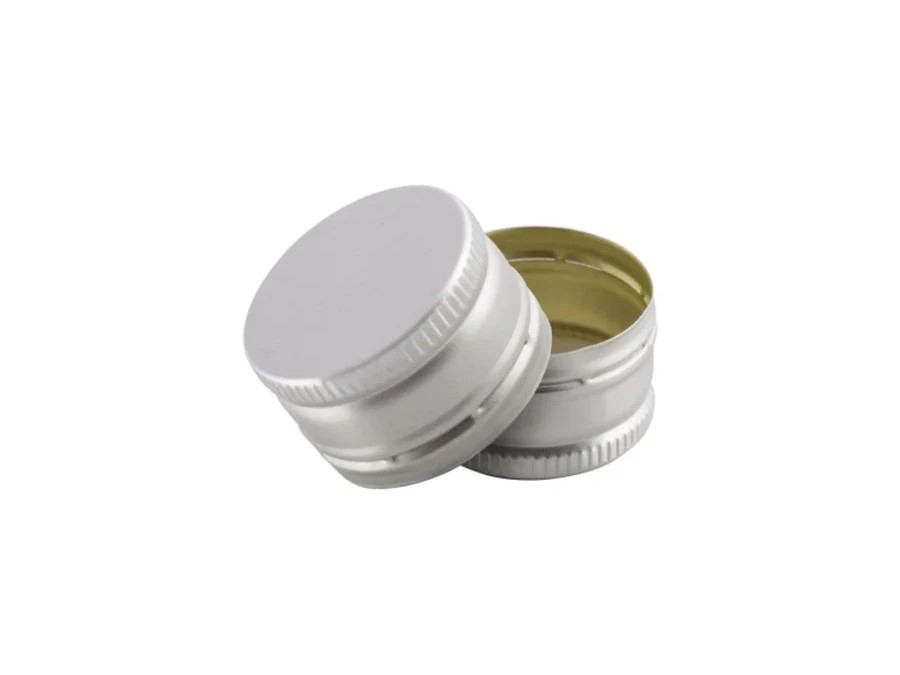
DIN18, dropper insert, tamper evident · Material: PP/LDPE plastic
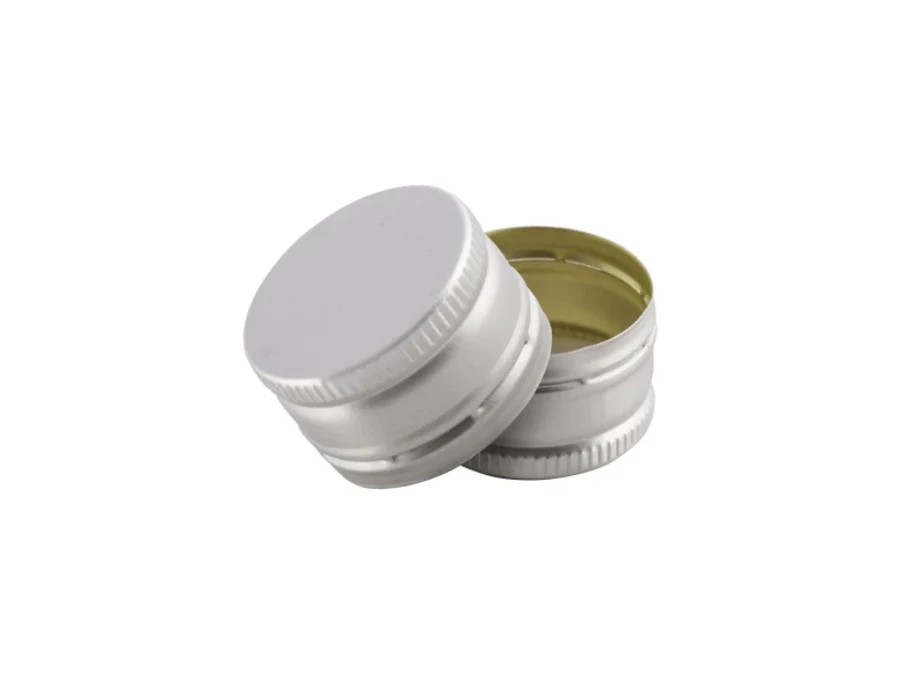
28mm, black, dip tube · Material: PP trigger assembly
24mm, white, overcap · Material: PP spray assembly
20mm, black, clear hood · Material: PP spray assembly
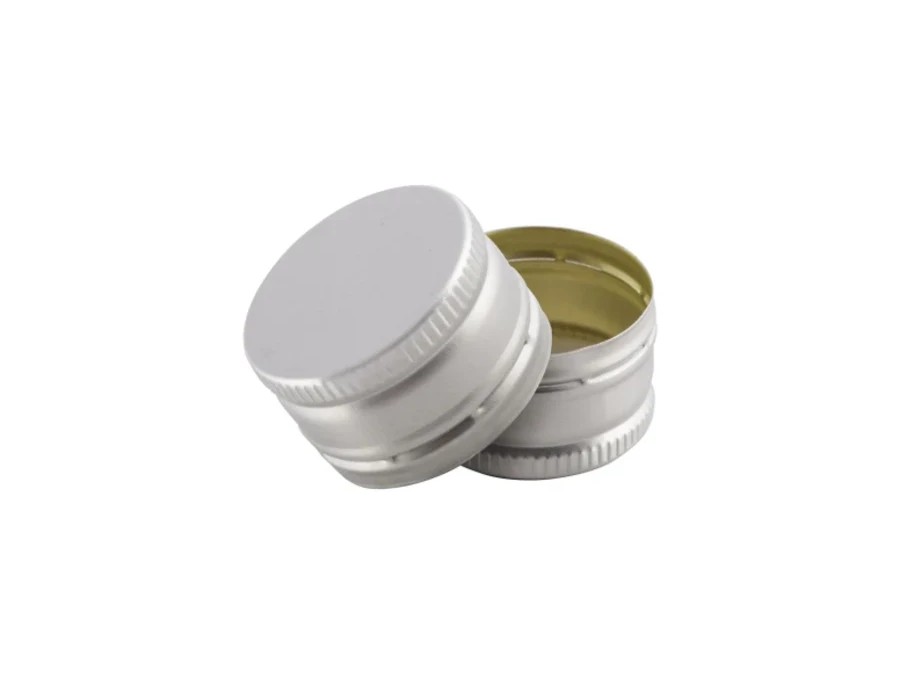
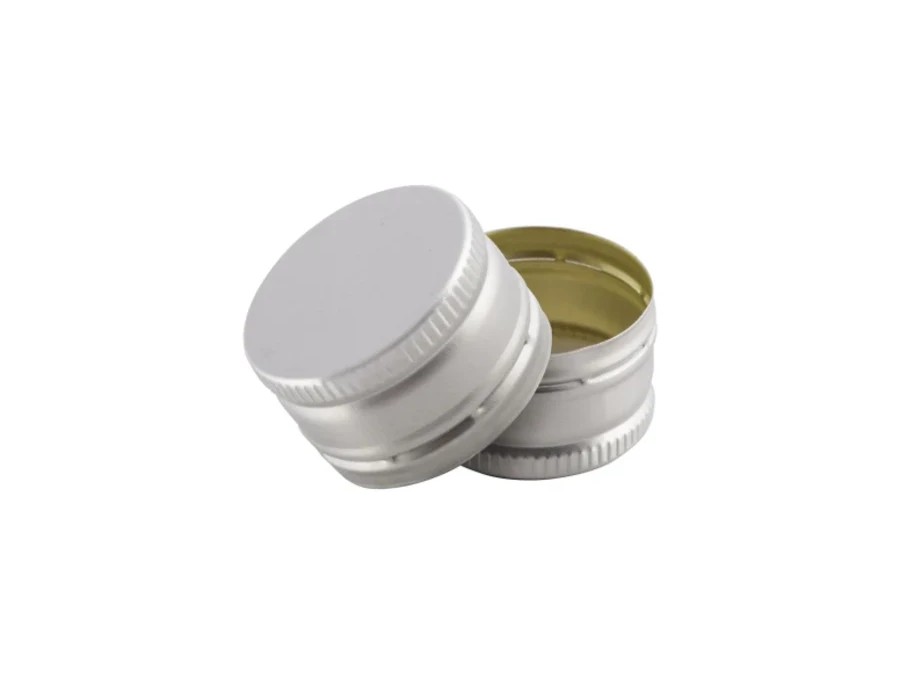
24mm, EPE lined · Material: Aluminium
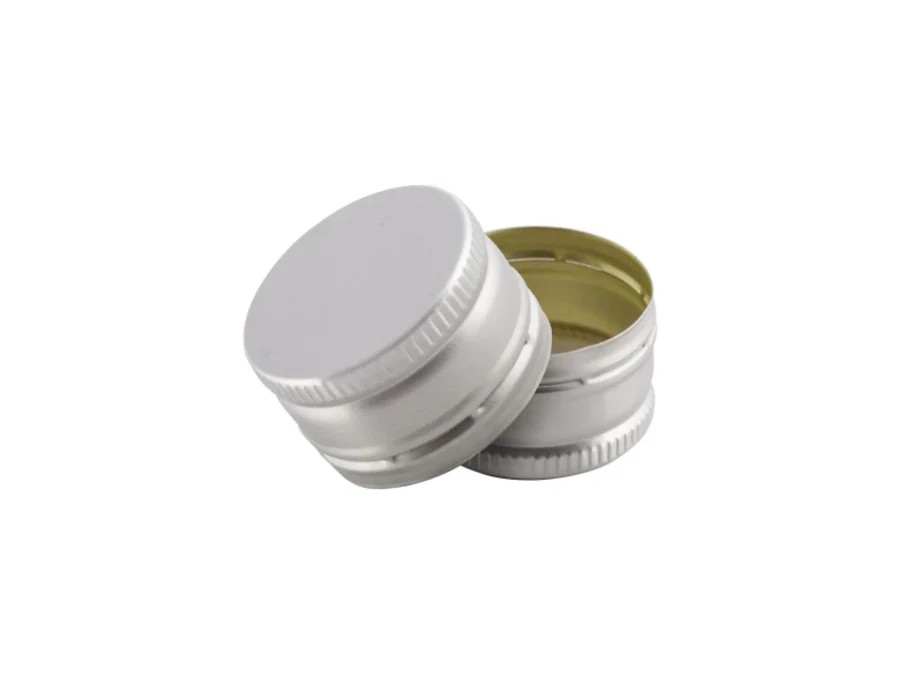
38mm, EPE lined · Material: Aluminium
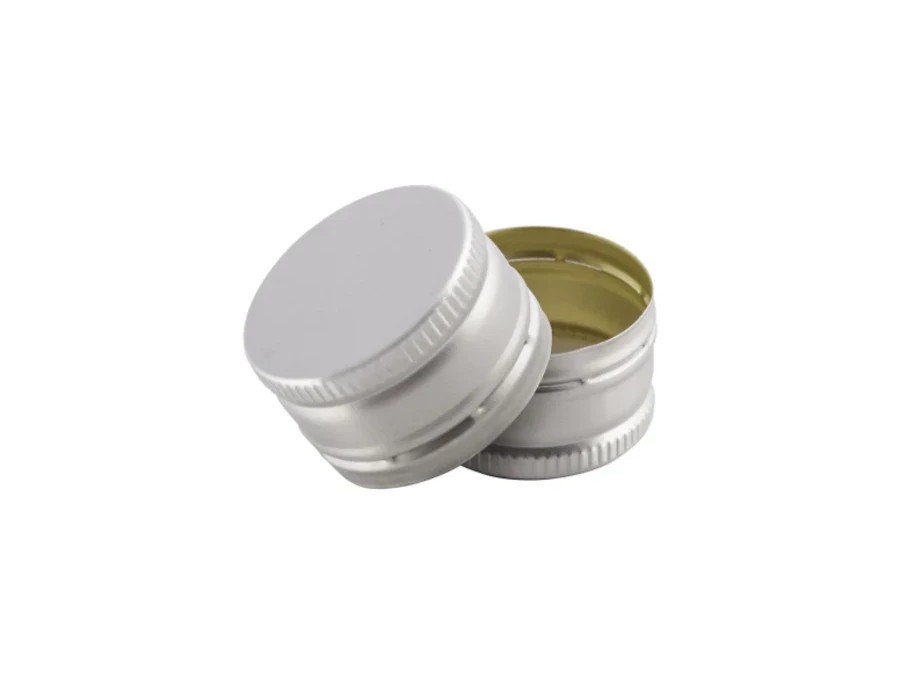
20mm, controlled drop insert · Material: LDPE insert
24mm, pour insert · Material: LDPE insert
33mm, push-pull, tamper evident · Material: PP/HDPE plastic
28mm, spout and hinged cover · Material: PP/LDPE plastic
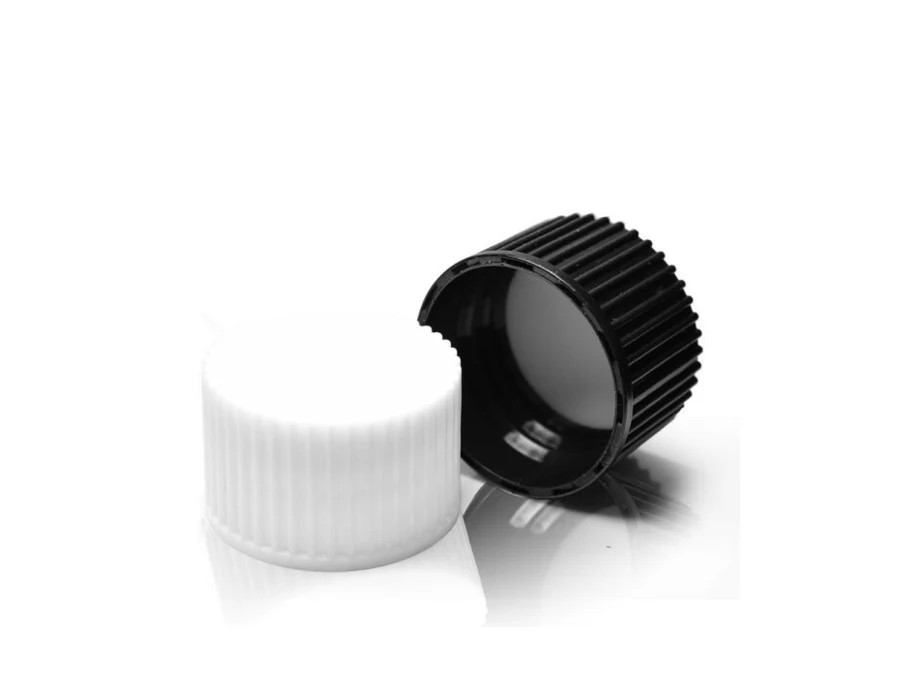
T-top, synthetic cork shank · Material: Synthetic cork + top
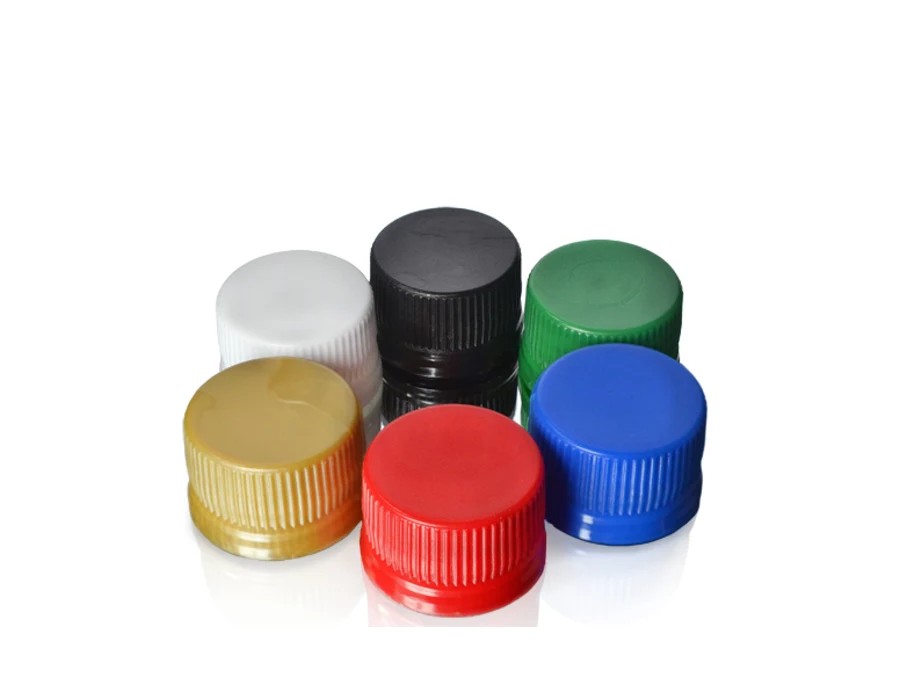
18mm, tamper-evident band · Material: PP plastic
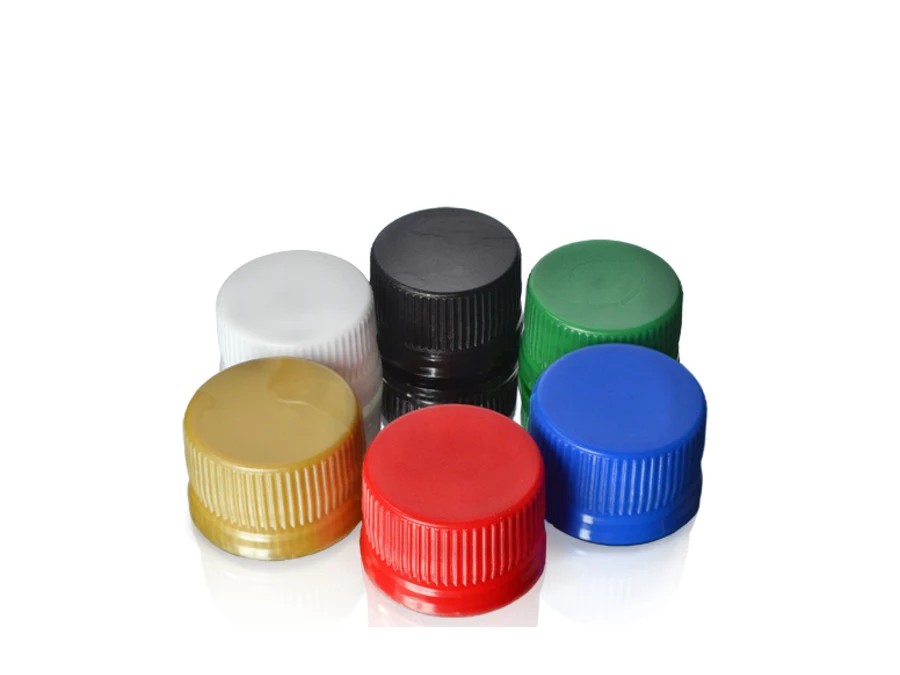
20mm, EPE liner · Material: PP plastic
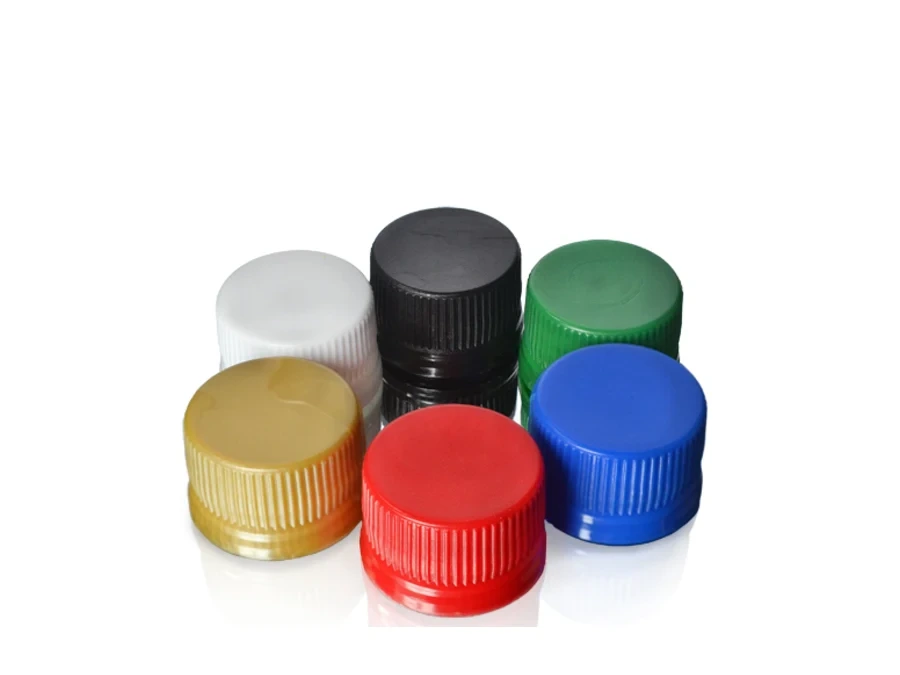
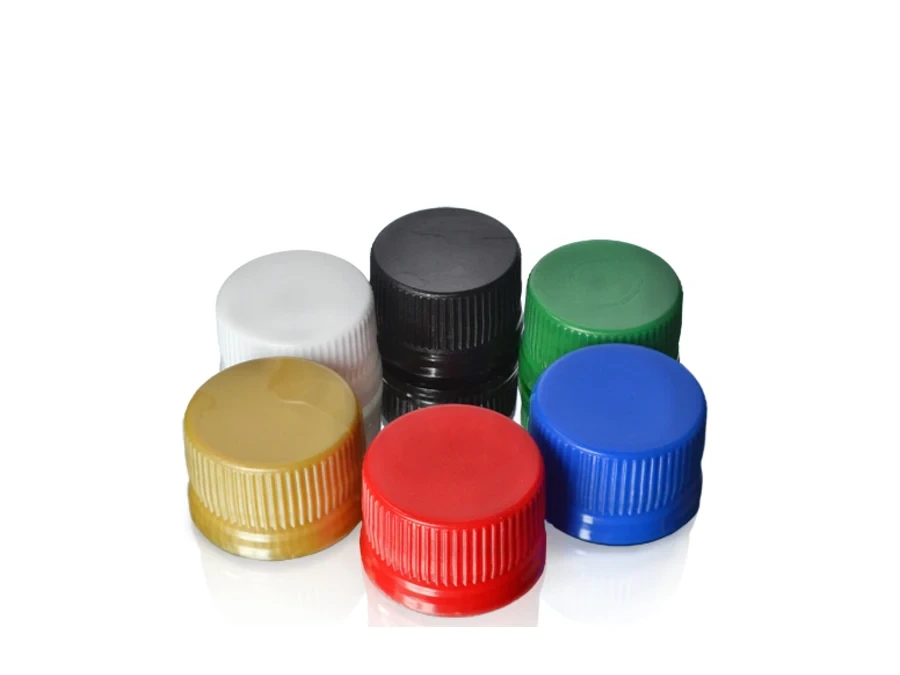
Range: coloured screw caps · Use case: colour-coded closures for bottle packaging
Range: dispensing and push-pull caps · Use case: sports caps, flip caps and dispensing closures
A closure is approved as part of a bottle-and-product system. Nominal diameter alone does not prove compatibility: the neck finish, thread profile, sealing surface, liner or bore seal, tamper feature, applied torque and product chemistry all matter. Pumps, sprayers, flip tops and dispensing closures also introduce dip-tube, dose, valve and actuator requirements.
Supply the bottle neck drawing and physical samples rather than relying only on a stated size such as 28 mm. Confirm the finish family, thread starts, tamper-band engagement, liner or plug-seal geometry and applied height. Trials should check application, removal, leakage, torque retention and the consumer opening method under the intended storage and transport conditions.
The closure material, liner, wad, valve, spring, gasket and dip tube may all contact the product or headspace. State the product composition, fill temperature, induction-sealing requirement, capping method, cleaning regime and shelf-life target. For trigger sprayers or pumps, include dose, spray pattern, viscosity and tube length requirements.
A bottle body and closure may use different polymers and may remain attached or be separated during use. The practical assessment should cover the complete pack, including liners, valves, metal springs, tamper bands and induction foils. A broad claim about the bottle material should not be extended automatically to the closure. Lightweighting or simplifying components can be useful, but only after sealing, dispensing and tamper performance have been confirmed.
| Input | Why Lancing needs it |
|---|---|
| Bottle and neck samples | Allows physical fit, seal and tamper-band checks. |
| Closure drawing or supplier code | Identifies the exact finish and component construction. |
| Product and fill conditions | Supports material, liner and leakage assessment. |
| Capping equipment and output | Determines chuck, spindle, cap feeding and torque requirements. |
| Opening and tamper requirement | Defines consumer use and evidence-of-opening expectations. |
| Environmental evidence | Clarifies material, component scope and any claim limitations. |
A controlled capping trial should record the bottle and cap batch, product or test liquid, cap feed method, chuck or spindle tooling, bottle restraint, line speed and torque method. Inspect cross-threading, cocked caps, liner damage, tamper-band bridges, scuffing, leakage and removal behaviour. Repeat checks after the agreed storage or transport condition where seal retention matters. The accepted setting should be a range supported by the closure supplier and trial, not a single value copied from an unrelated cap.
Routine reliability depends on clean cap tracks, correctly set guides, undamaged chucks, stable bottles and controlled component dimensions. Change parts and wear items should be identified for every format. If the application requires repeated dispensing, child resistance, venting, pressure relief, induction sealing or a pump or sprayer, a plain screw cap may be the wrong technology. Select the closure function first, then confirm the neck and machine system.
Review the 28 mm MCA tamper-evident cap example
Review the 28 mm MCA tamper-evident cap example, compare bottle formats, consider label and tamper-evident labelling, and use the compatibility guide before approving a closure system.
A cap may appear to be a small component, but it controls containment, opening, dosing and evidence of tampering. Environmental improvement work should therefore map the complete closure rather than naming only the visible shell material.
Record the shell, liner, wad, plug, valve, spring, gasket, ball, dip tube, overcap and tamper feature where present. State which parts contact the product or headspace and whether they remain attached to the bottle during use or disposal.
This component map provides the scope for material declarations and prevents a bottle-body claim from being extended automatically to a multi-component dispenser.
A proposed lighter, linerless or simplified closure still has to meet fit, leakage, removal, dispensing, tamper and transport criteria. Compare it on the exact neck finish with the actual product, fill conditions and capping equipment.
Where a change affects opening force or dosing, include representative users and the intended number of use cycles in the acceptance plan where appropriate.
| Review point | Required record | Release check |
|---|---|---|
| Material scope | Component-level declaration and drawing | Claim wording covers only the verified components |
| Neck compatibility | Neck and closure drawings, samples and tolerances | Thread, seal land and tamper band engage correctly |
| Application | Cap feed, chuck or spindle method and accepted setting range | No cross-threading, damage, cocked caps or unstable bottles |
| Product performance | Compatibility, leakage and storage method | Seal and dispensing remain acceptable through the agreed life |
| Change control | Supplier, resin, mould, liner and revision history | Any material change triggers evidence and trial review |
It can reduce one component, but the new closure must still meet product compatibility, leakage, torque, tamper, storage and consumer-use requirements. The complete-pack assessment should be updated from verified component data.
Only when the supplier evidence supports that scope. Springs, balls, gaskets, valves, dip tubes and overcaps may use different materials and should be included in the component map.
Repeat review when the bottle neck, cap resin, liner, tamper band, supplier, mould, product, fill temperature, capping head or accepted torque window changes, and after any change that affects storage or transport performance.
A closure’s shell, liner, gasket, valve, spring, dip tube and tamper feature can all affect product compatibility, application and complete-pack recyclability. Use drawings and representative samples rather than nominal diameter alone.
Closure approval must include the bottle finish, seal, tamper feature, product and capping method—not only the nominal cap diameter.
Nominal diameter does not define thread, height, sealing land, bore, tamper bead or liner interface. Components with the same nominal size can therefore be incompatible.
Use controlled drawings and the bottle-and-cap compatibility questions.
The bottle finish, cap material, liner, tamper band, friction, capping head, application process and storage all affect the acceptable result. Set the window from validated seal and opening performance rather than copying a generic number.
Record actual application and test method with the approved component lots.
Define the bottle finish and height, product, output or dose requirement where verified, actuator style, lock or overcap, dip-tube material and required reach. Include orientation and capping method.
Supply the bottle and filled-product sample so the complete dispensing system can be assessed.
A closure may fit the neck yet still require separate proof of leakage, dispensing, first-opening evidence and line application. Tamper evidence is not the same as child resistance or leak prevention.
No. Confirm the full finish, thread or engagement, sealing surface, tamper bead, height, liner and application method.
It can provide evidence of opening only when the ring, neck feature and application work as intended. It does not replace leak, transport or user testing.
Use the actual container, closure, liner, product and capping equipment. Record application settings, seal, opening, tamper indication, rejects and post-distribution condition.
A screw cap, pump or sprayer should be approved with the exact bottle neck, liner or gasket, product, capping process and storage route. Nominal diameter identifies only part of the interface.
Application torque is the input used to fit the closure; removal torque is the opening force measured later. Material relaxation, liner compression, product, temperature and time can change the relationship.
No. Torque must be interpreted with neck condition, liner position, sealing geometry, tamper function and filled-pack leak tests.
Send representative bottles, caps, liners, product, fill conditions, planned capping equipment, storage route and any failed samples.