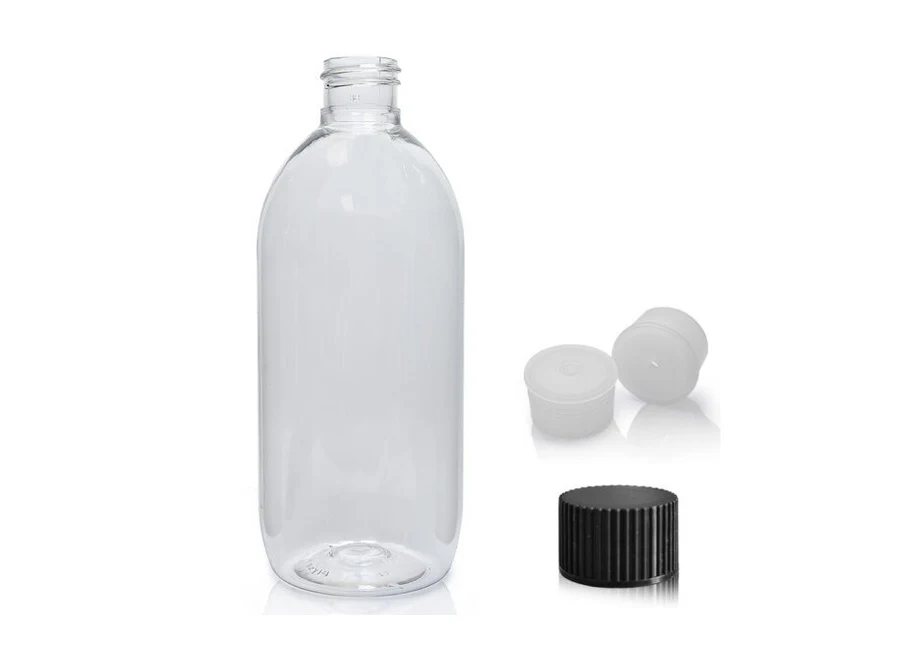
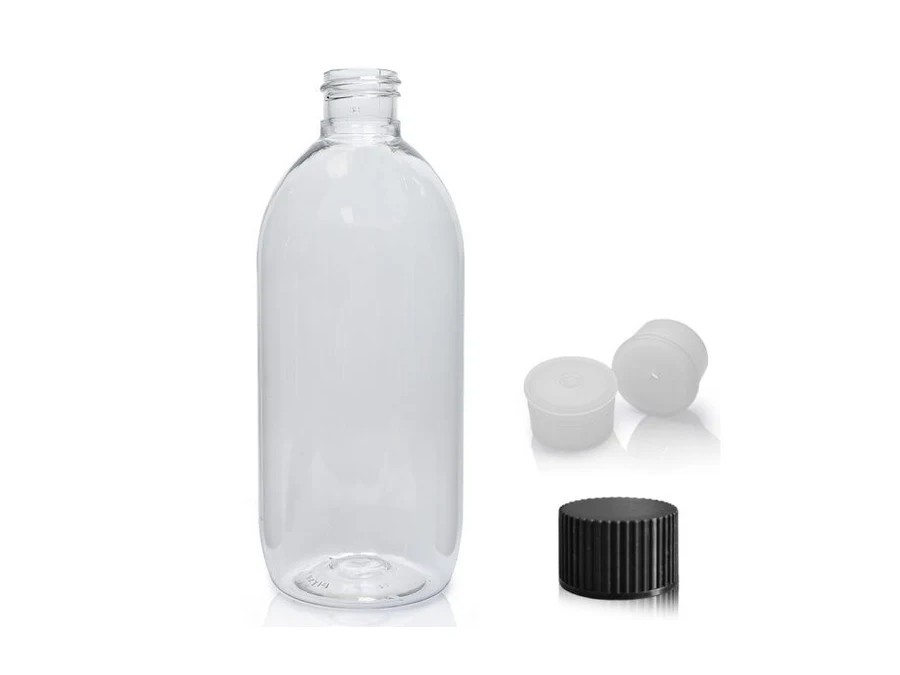
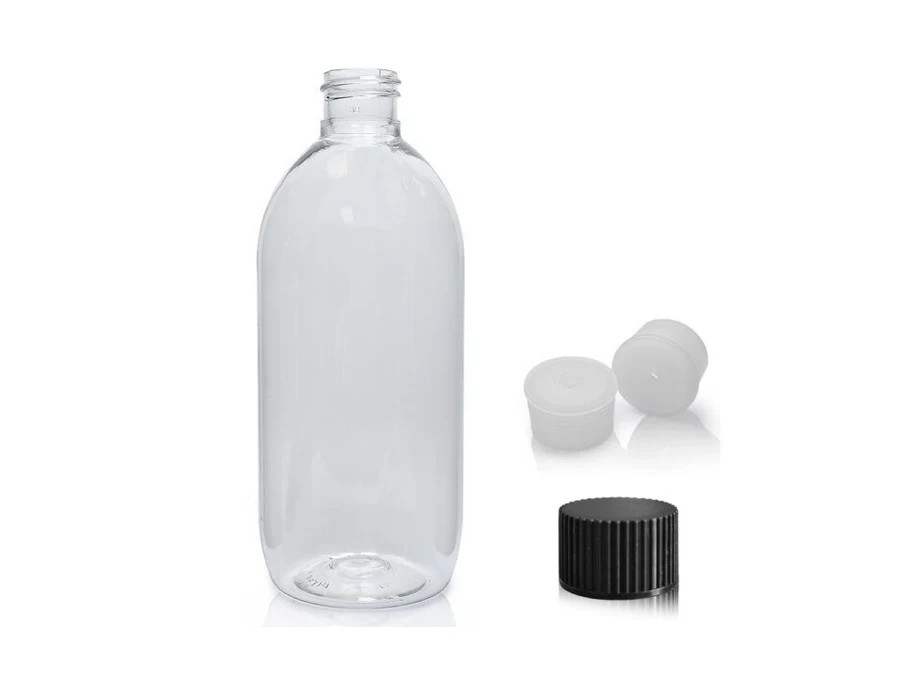
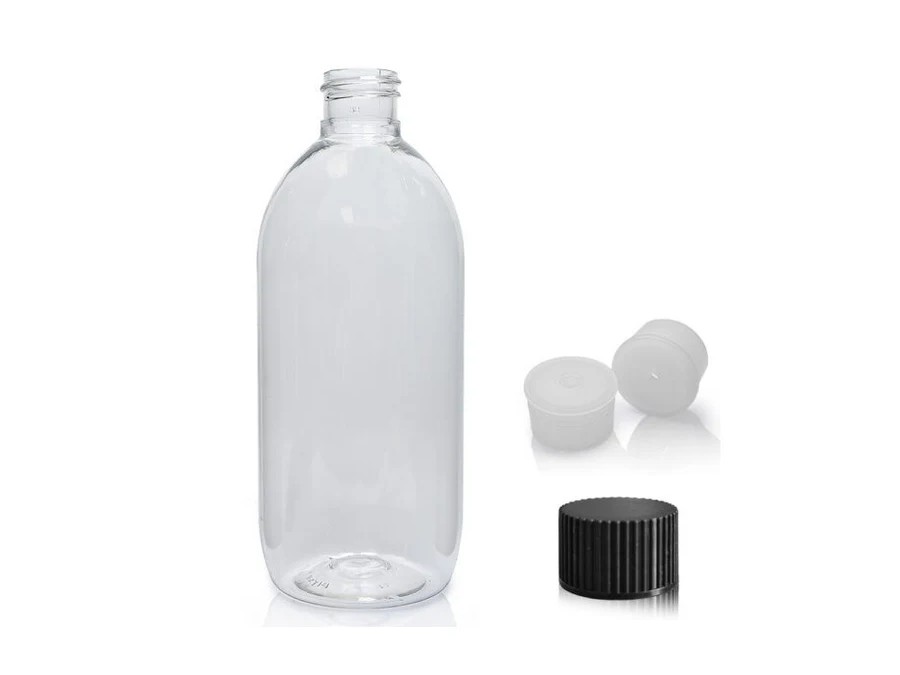
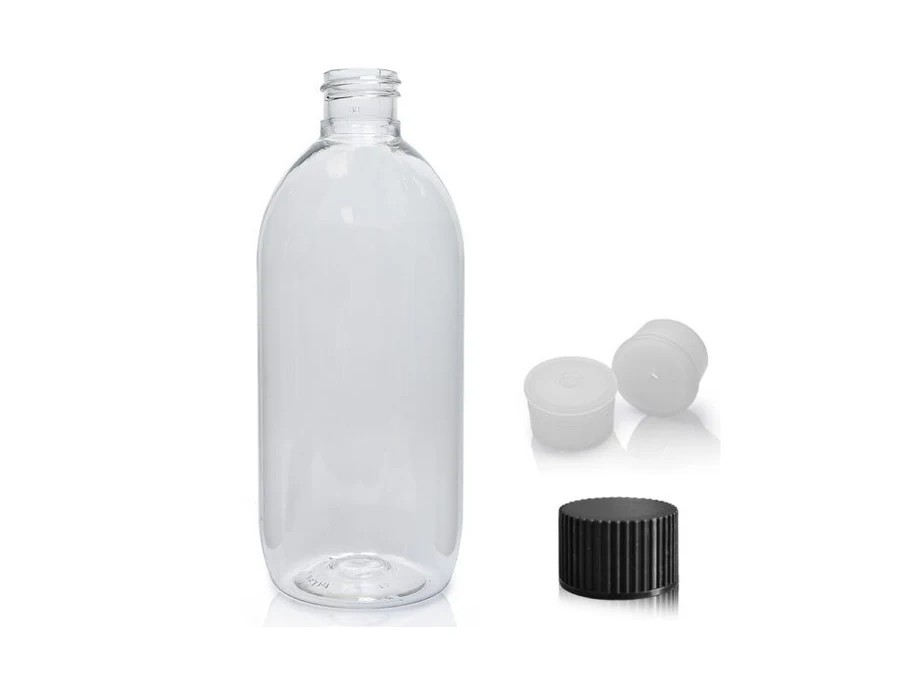
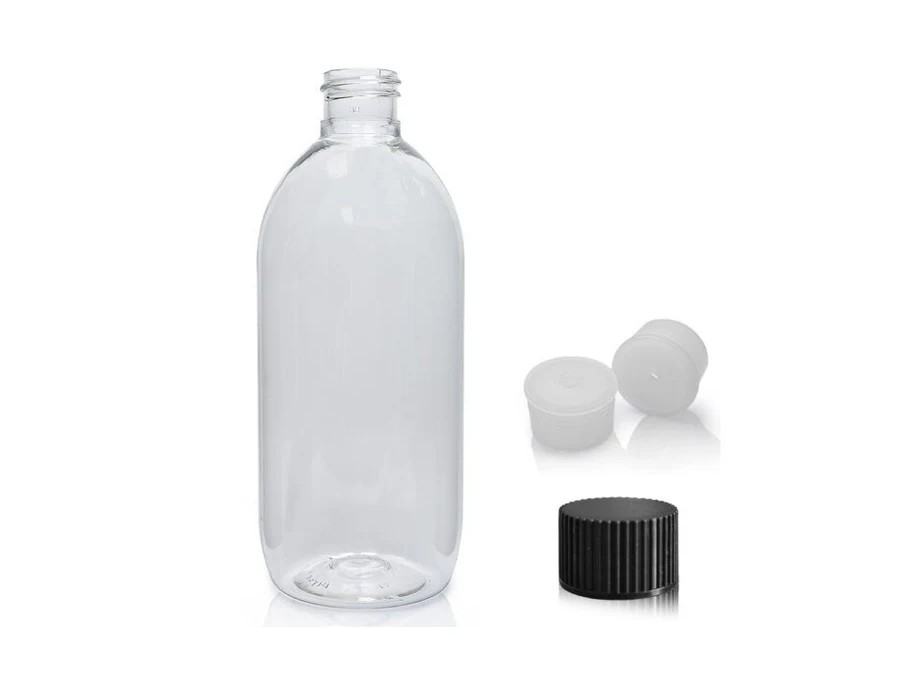
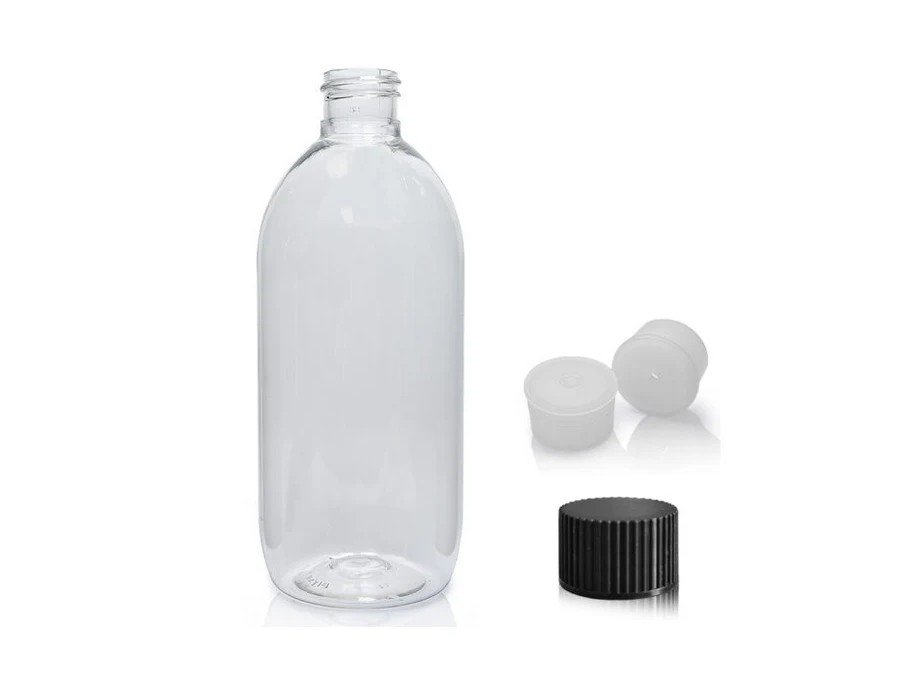
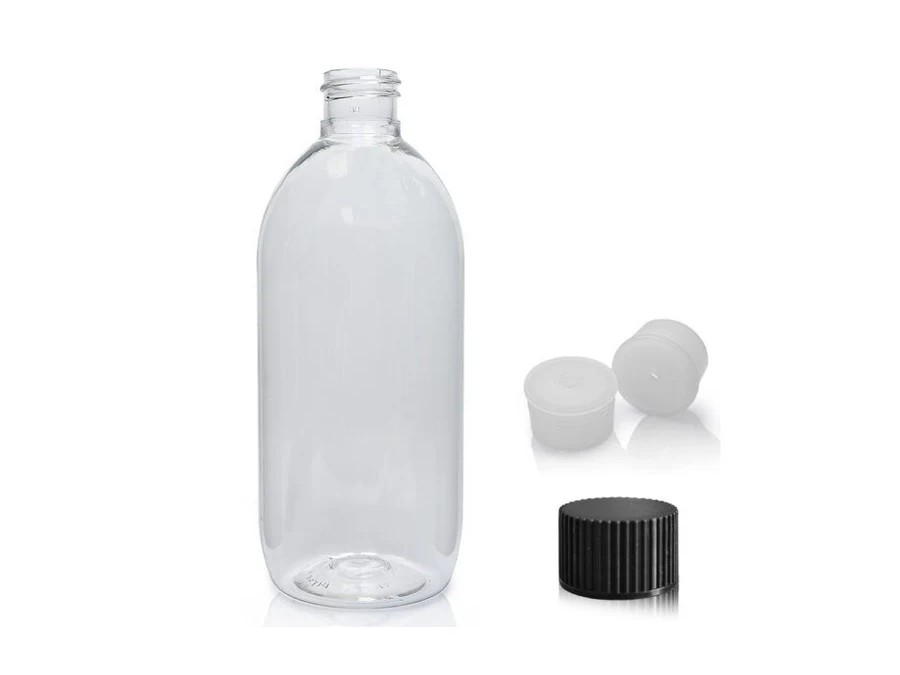
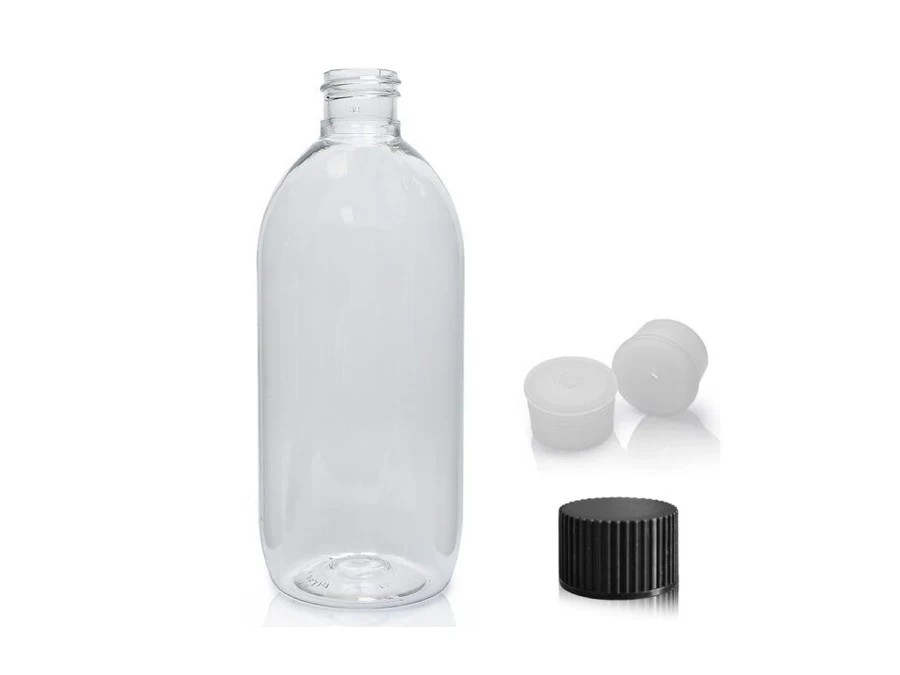
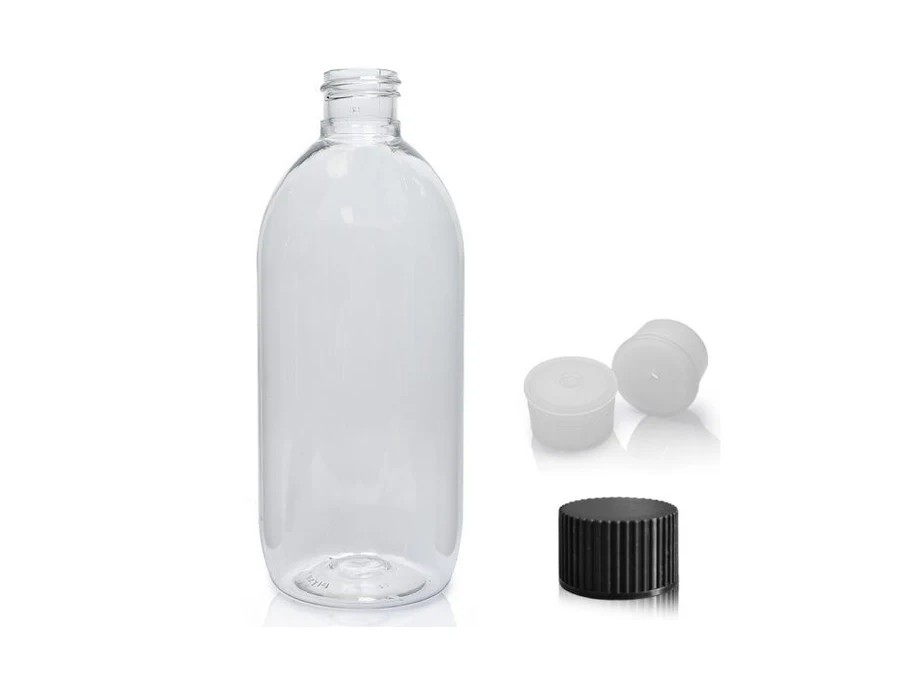
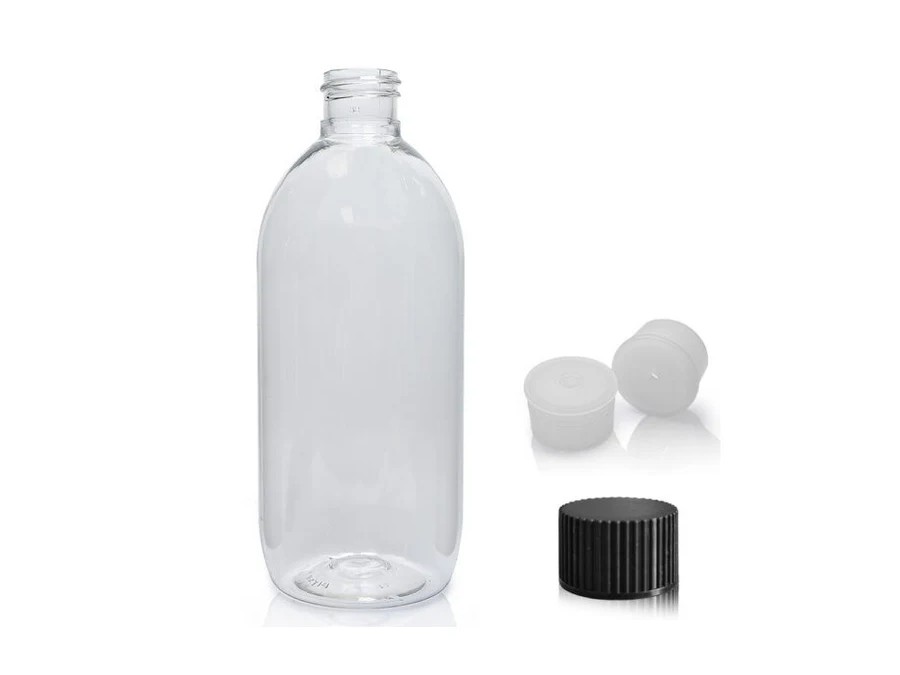
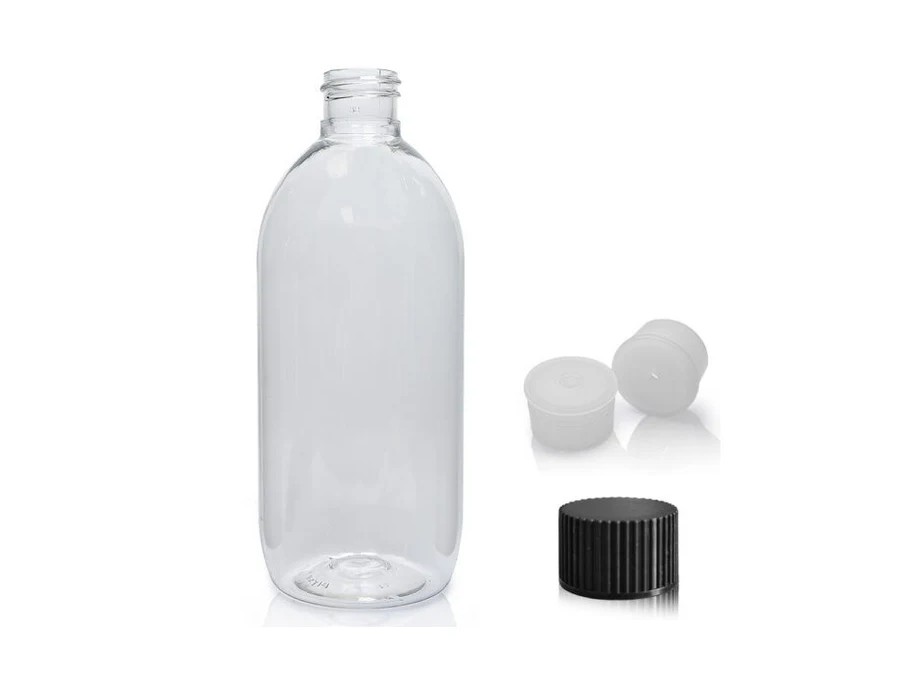
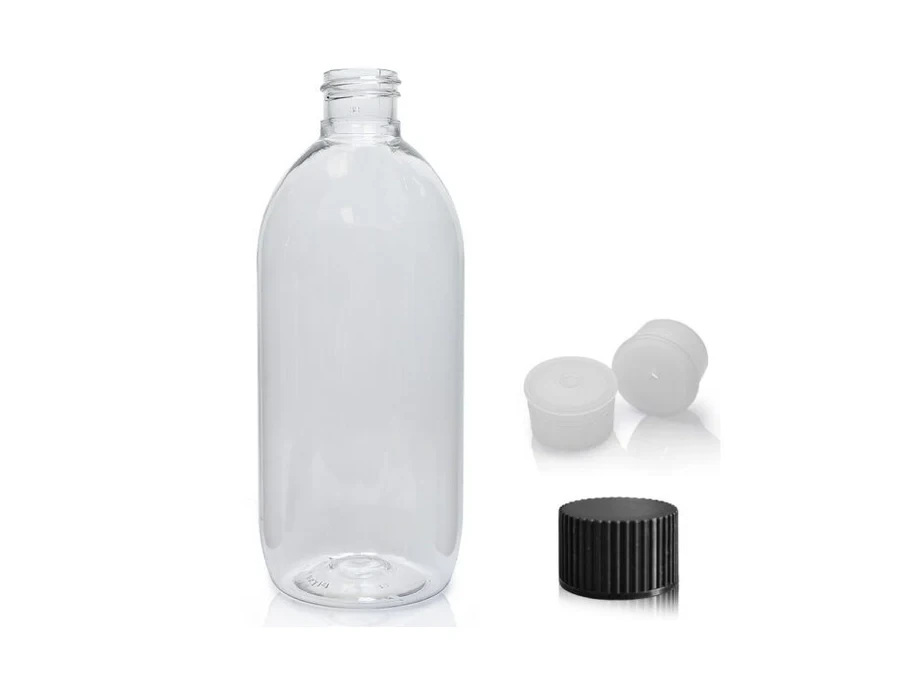
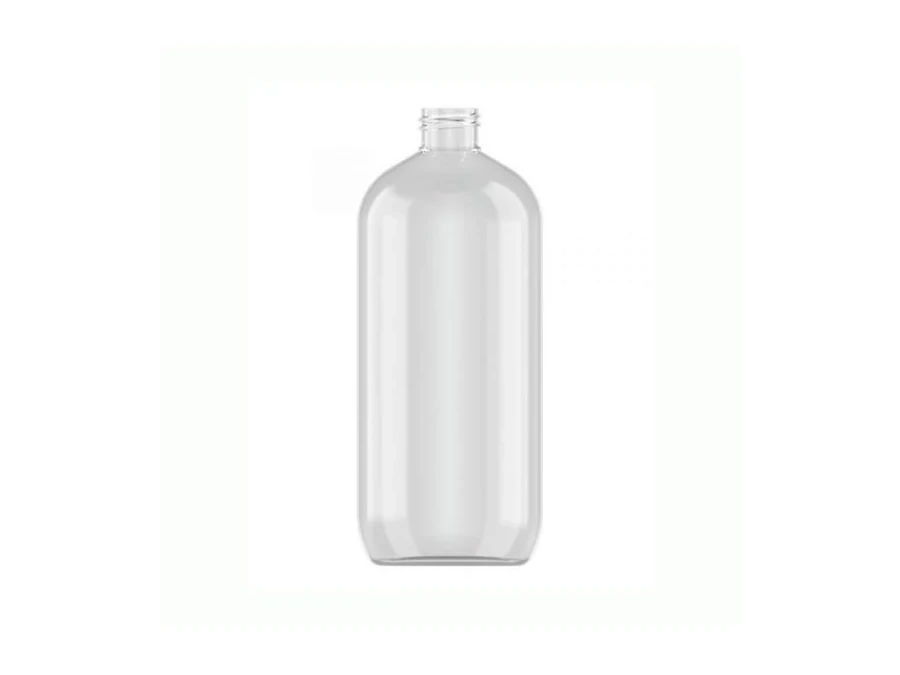
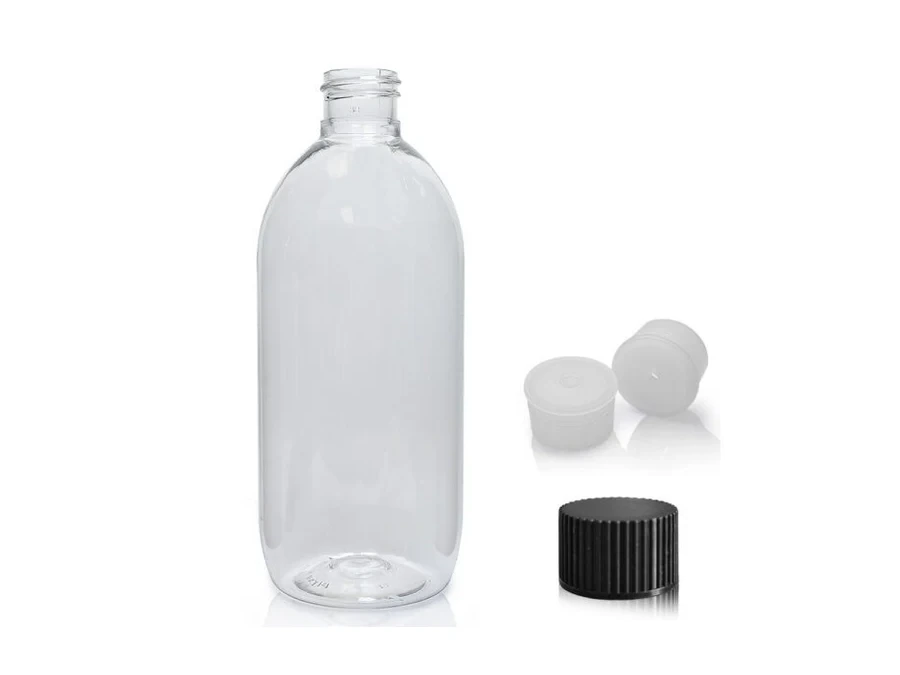
500ml Clear PET Olive Bottle and 28mm Screw Cap
Capacity: 500 ml · Material: Clear PET plastic
Contact for priceView product
Browse PET, HDPE, glass and aluminium bottle options for liquids, powders, samples and retail packaging. Every item is contact for price. 66 products are listed in this range.
Capacity: 500 ml · Material: Clear PET plastic
Capacity: 500 ml · Material: Clear PET plastic
Capacity: 500 ml · Material: PET plastic
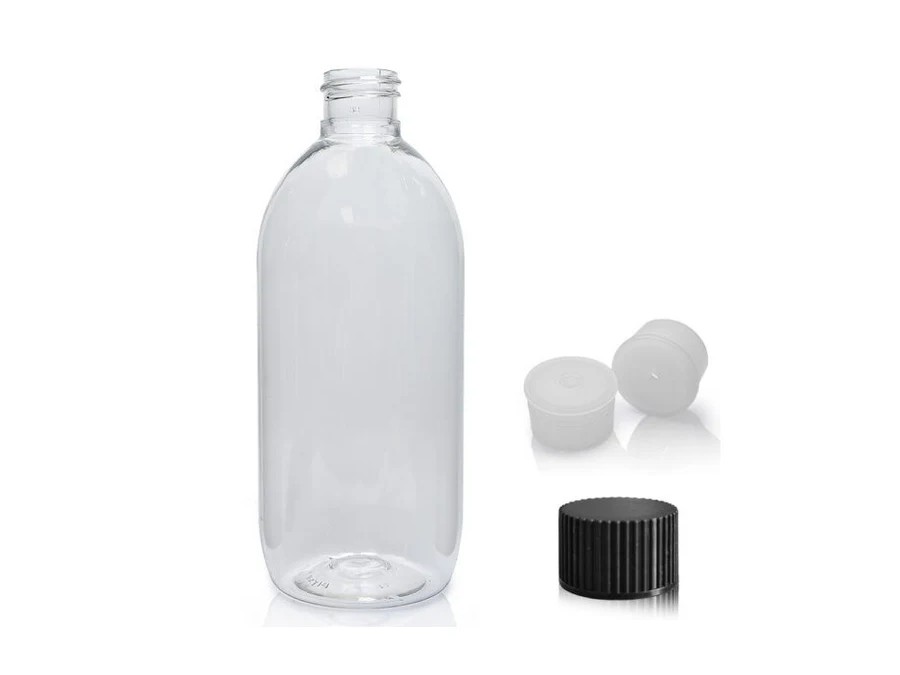
500ml, 28mm neck, screw cap option · Material: Clear PET
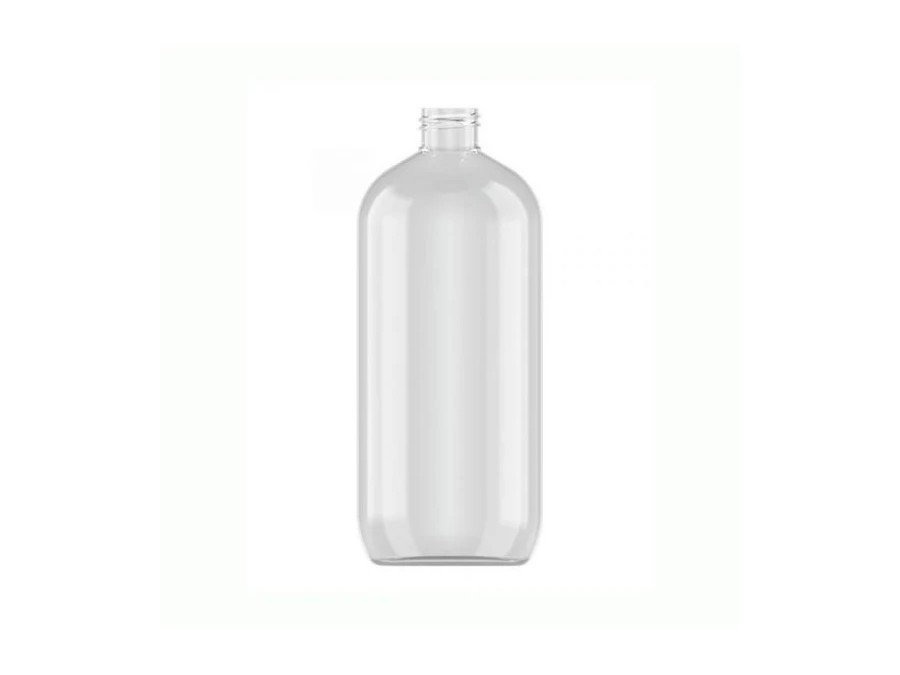
500ml, 28mm neck, aluminium cap · Material: Clear PET + aluminium cap
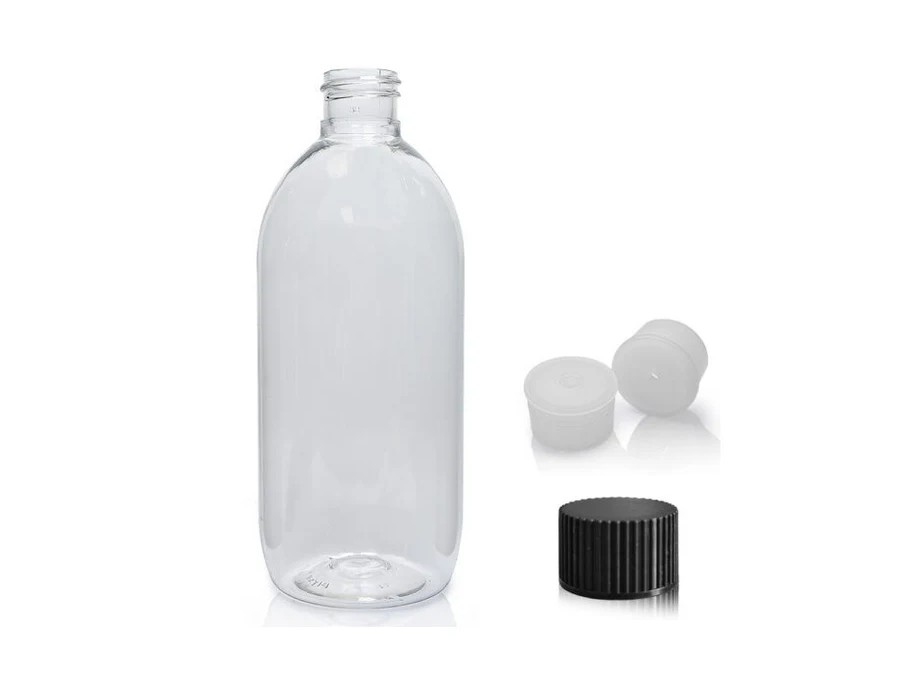
500ml, 24mm neck, spout cap · Material: Clear PET
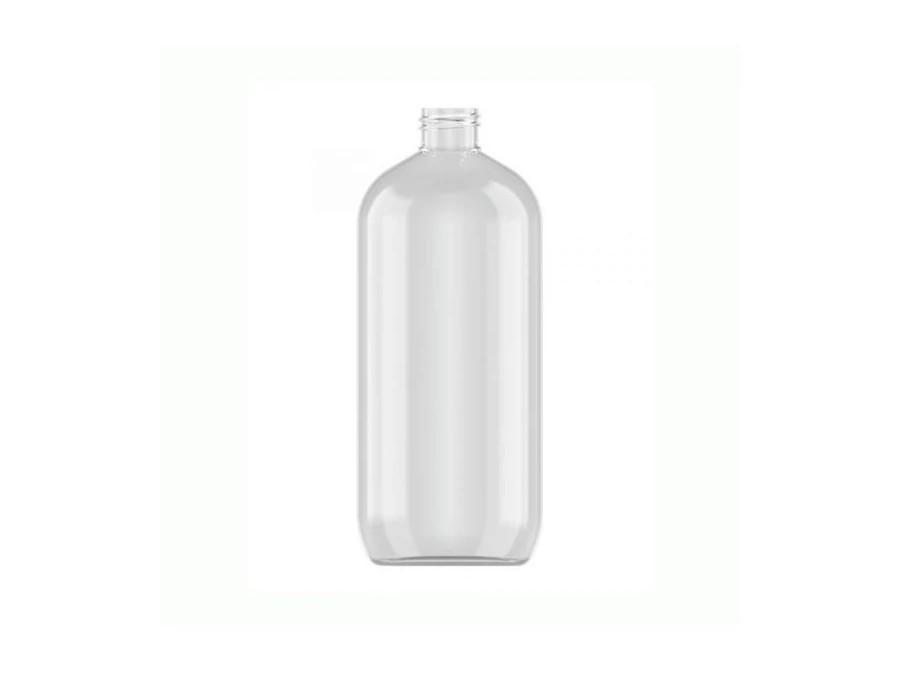
500ml, 28mm neck, aluminium cap · Material: Green PET
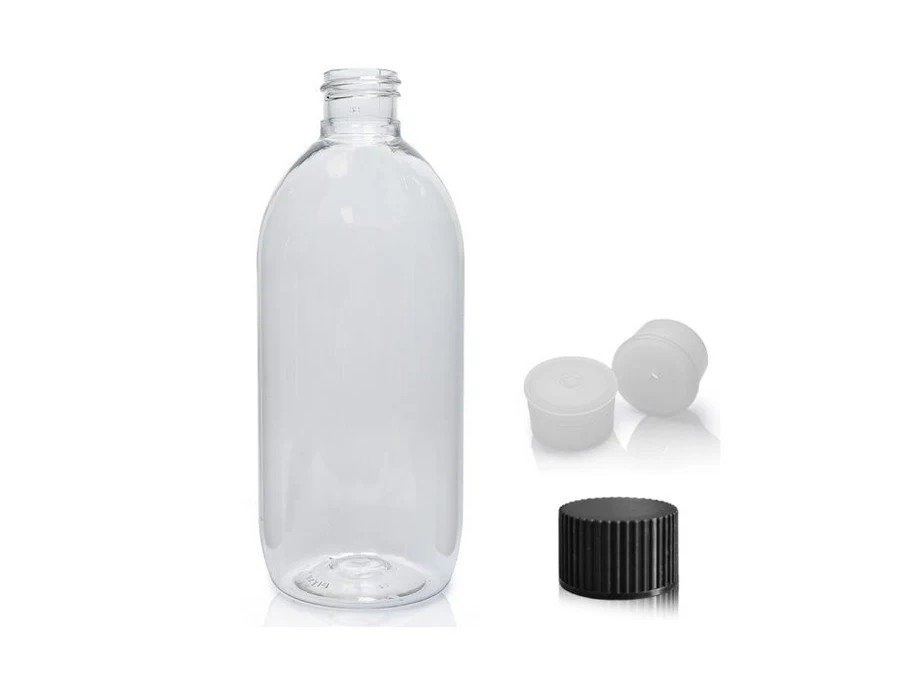
500ml, 28mm neck, no cap · Material: Green PET
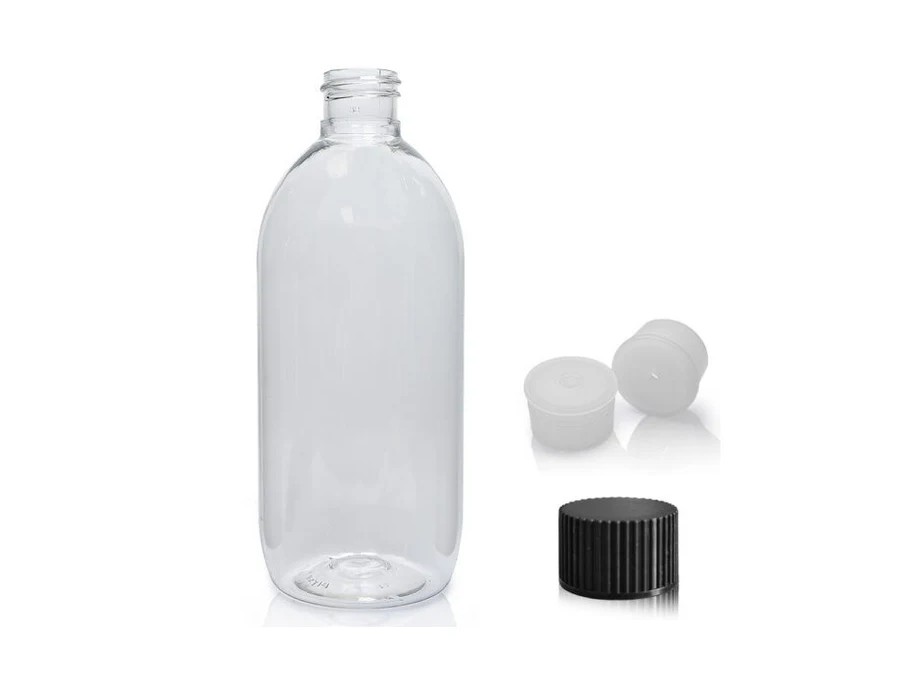
500ml, 28mm neck, screw cap · Material: Green PET
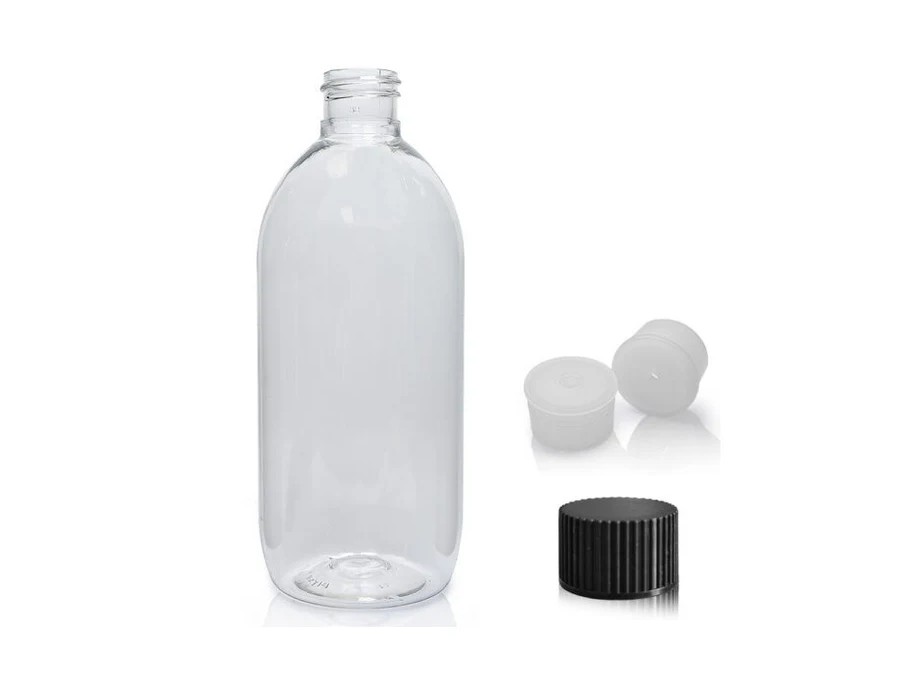
500ml, 24mm neck, no cap · Material: Clear recycled PET
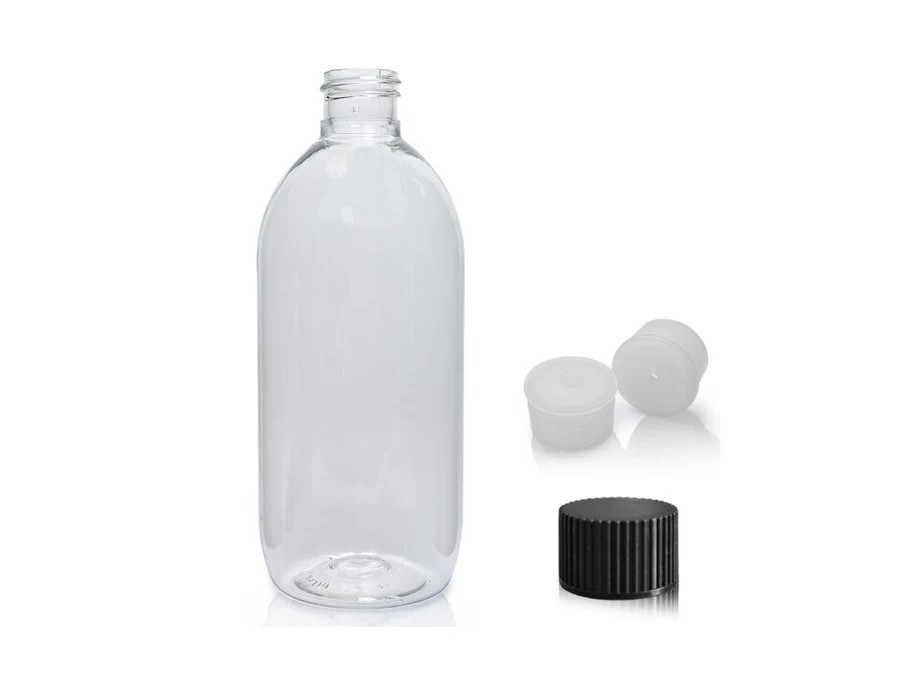
500ml, 28mm neck, no cap · Material: Clear PET
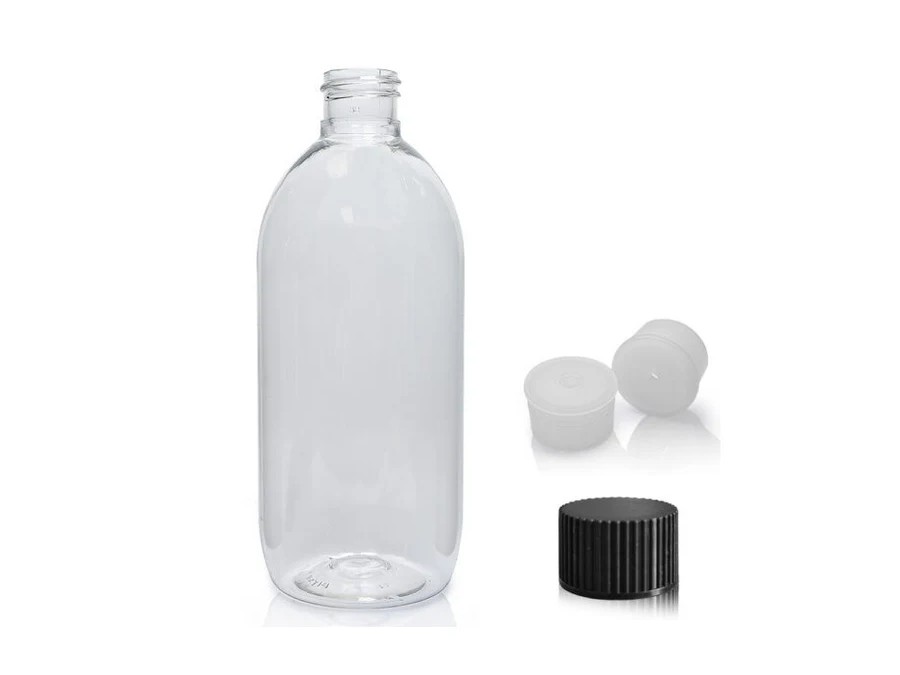
500ml, 24mm neck, disc-top cap · Material: Clear recycled PET
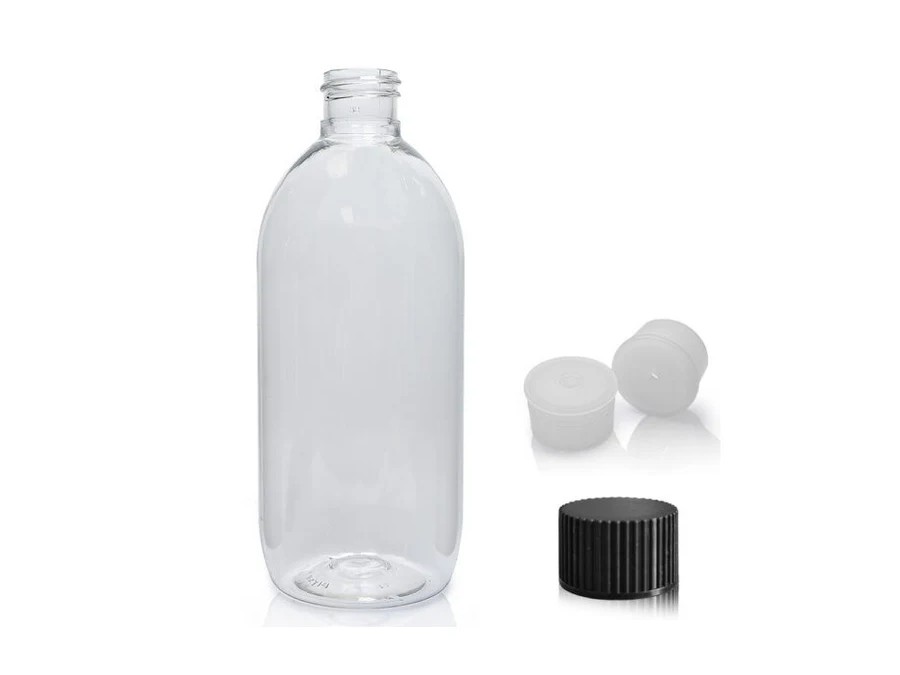
500ml, 38mm cap, tamper-evident · Material: Clear PET
100ml, 18mm neck, no cap · Material: Amber glass
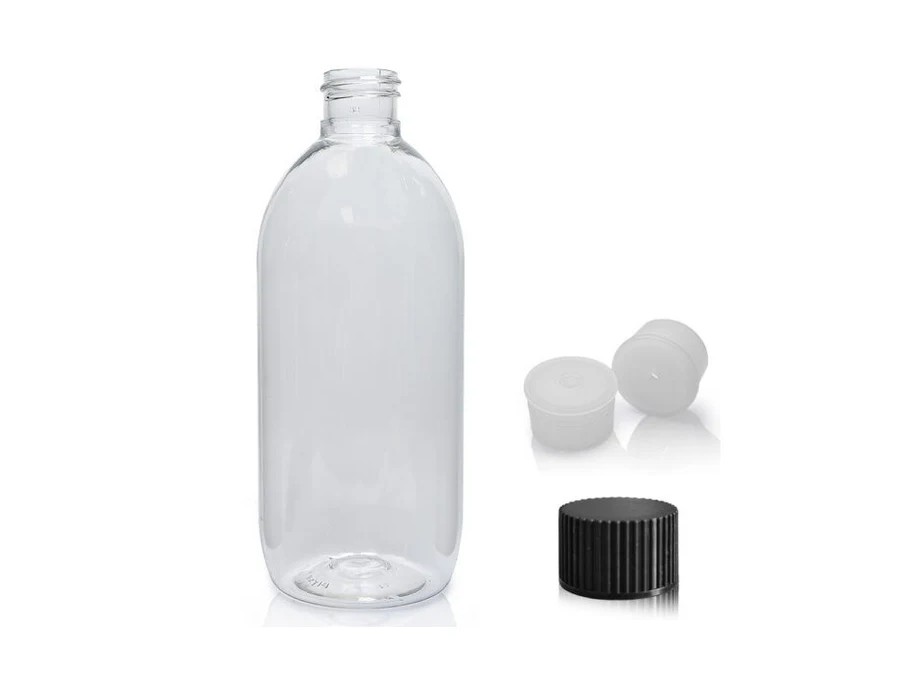
250ml, 28mm neck, no cap · Material: Amber PET
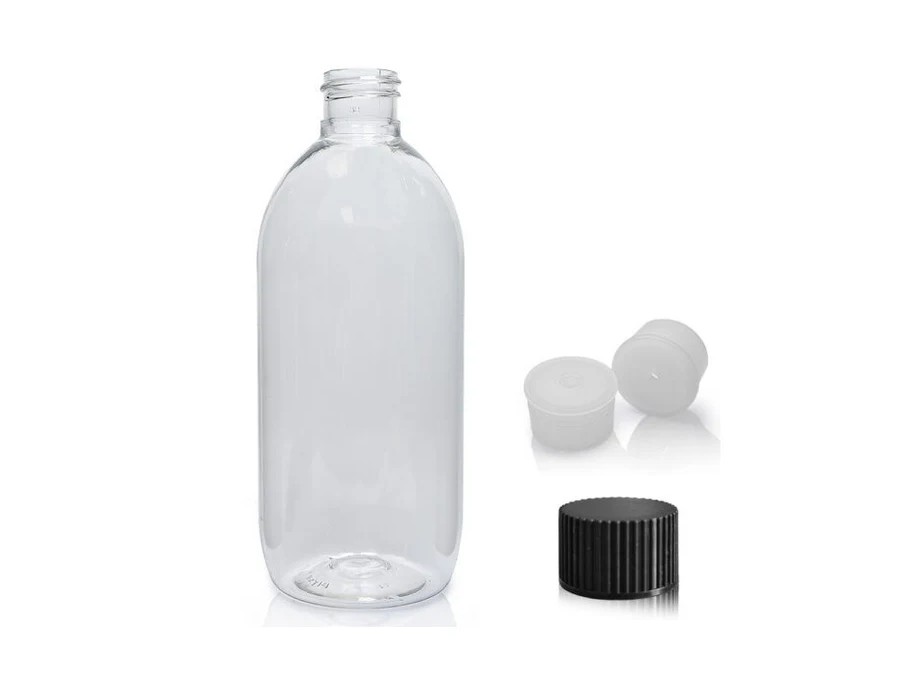
250ml, round profile, no cap · Material: Clear PET
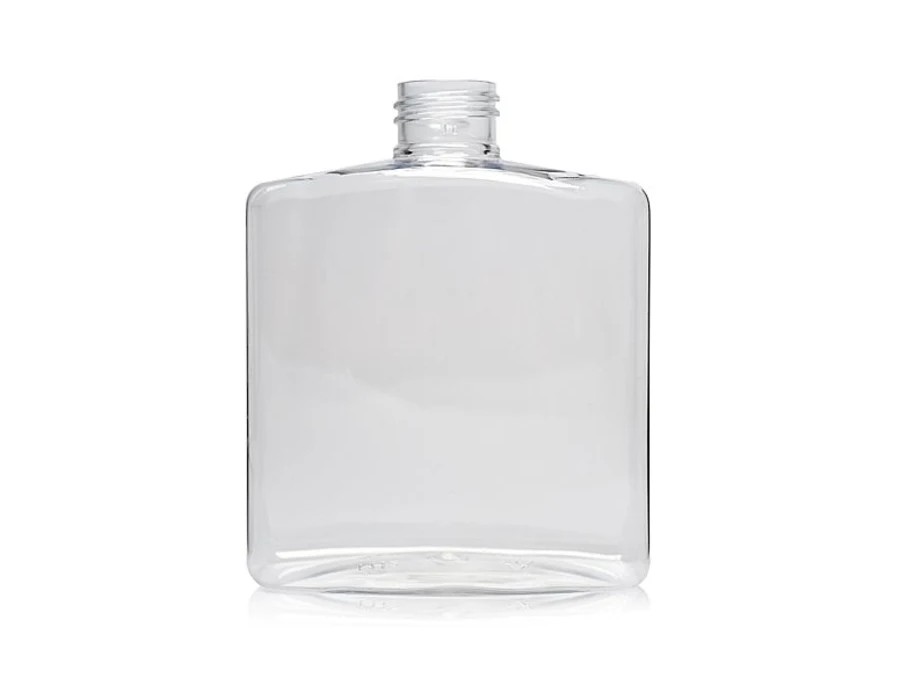
100ml, rectangular profile, no cap · Material: Amber glass
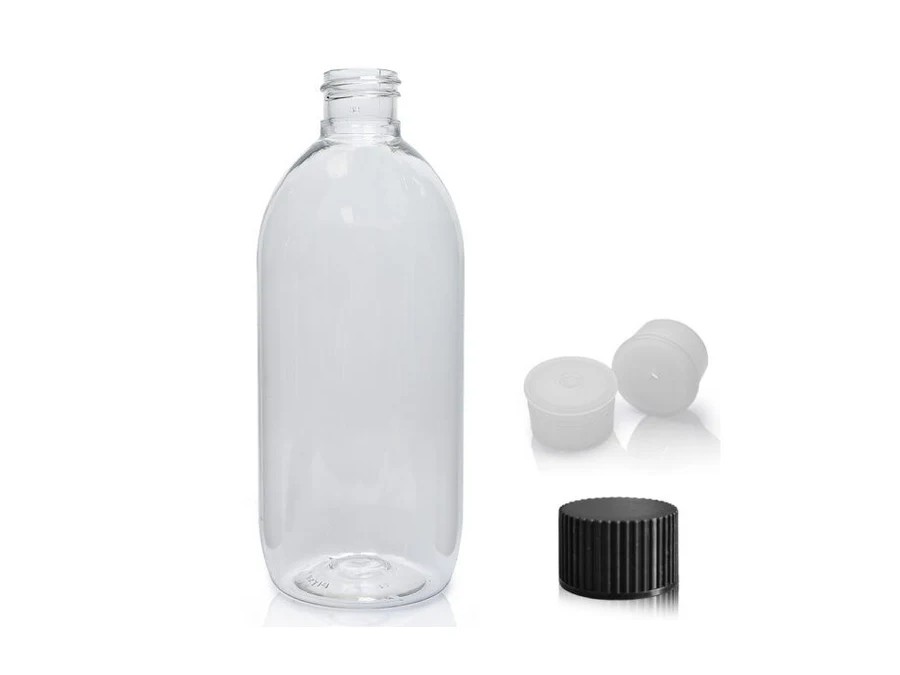
250ml, oval profile, no cap · Material: Clear PET
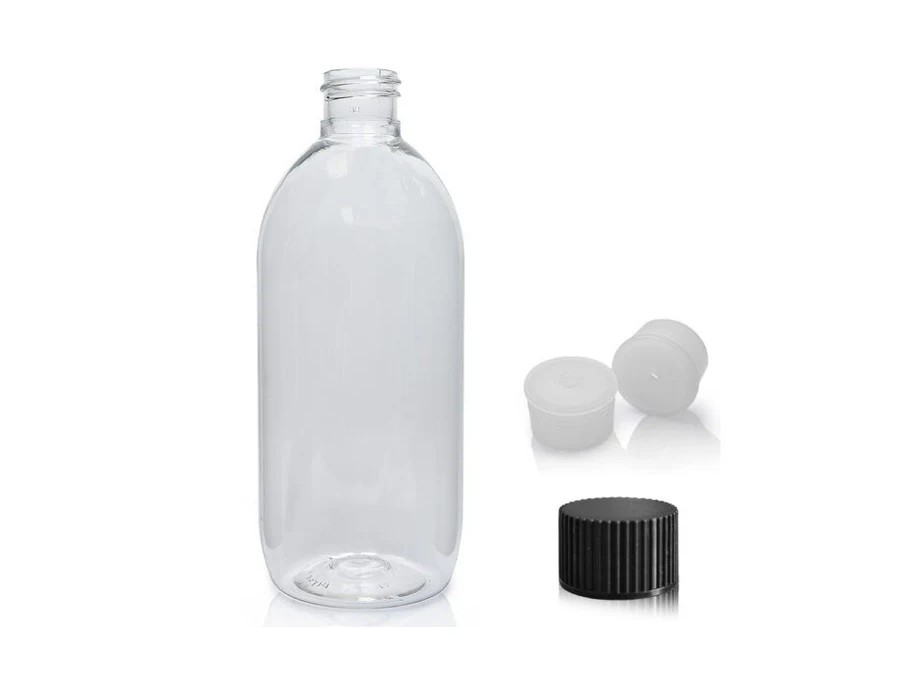
250ml, 24mm neck, no cap · Material: Clear rPET
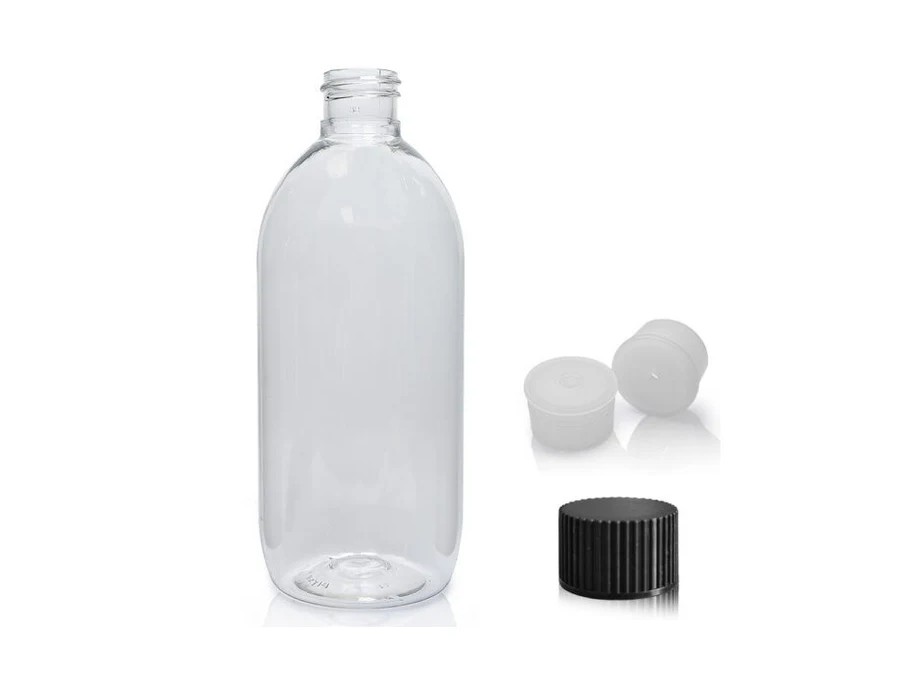
250ml, 24mm neck, smooth cap · Material: Clear rPET
100ml, glass stopper · Material: Amber glass
100ml, atomiser spray closure · Material: Amber glass + spray
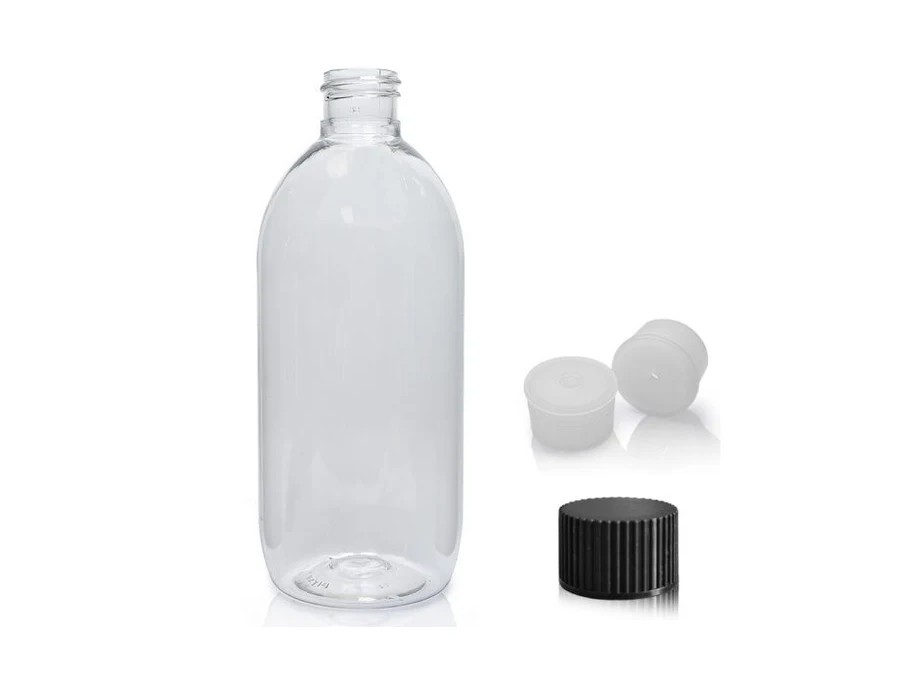
250ml, 28mm neck, no cap · Material: Clear PET
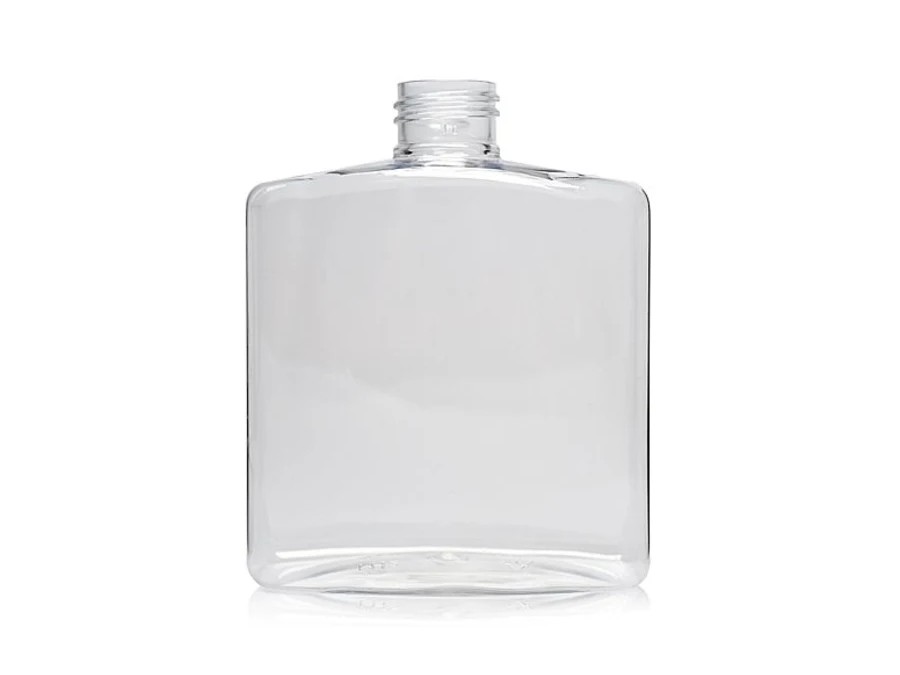
250ml, tall square profile, no cap · Material: Clear PCR/PET
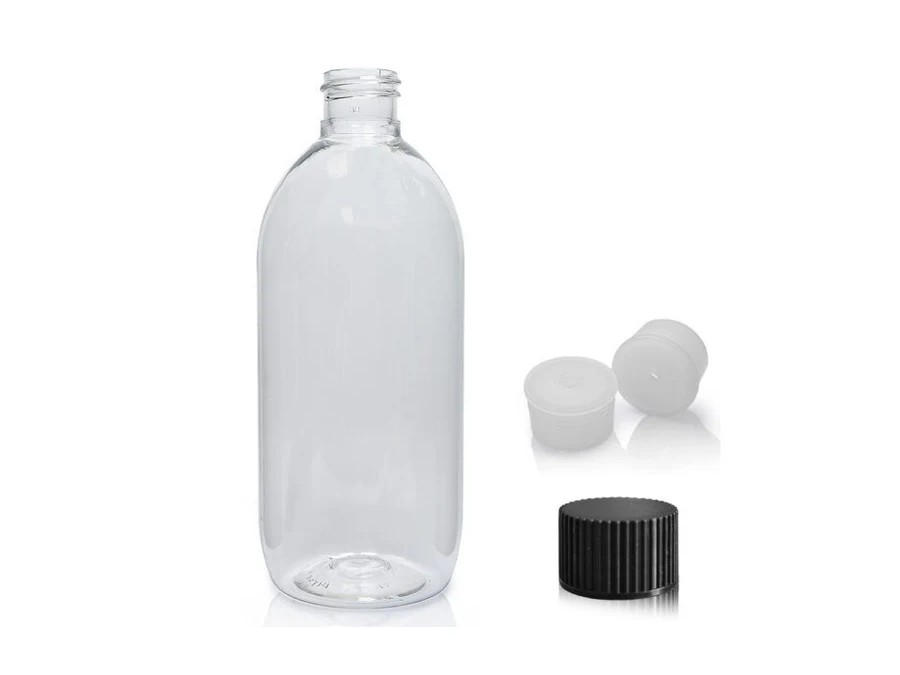
250ml, white tamper-evident cap · Material: Clear PET
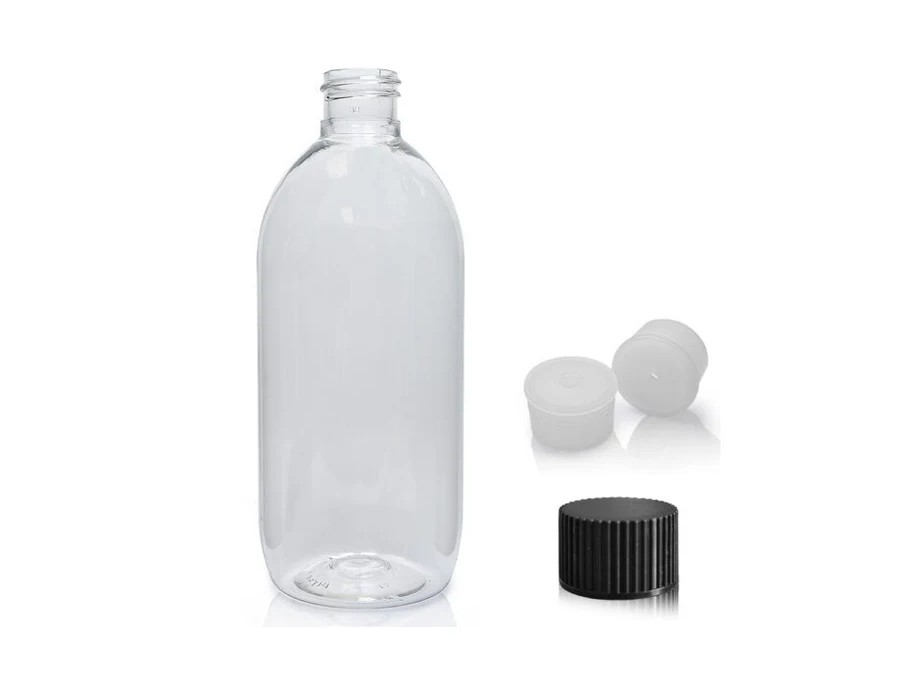
250ml, 24mm neck, spout cap · Material: Amber 30% PCR PET
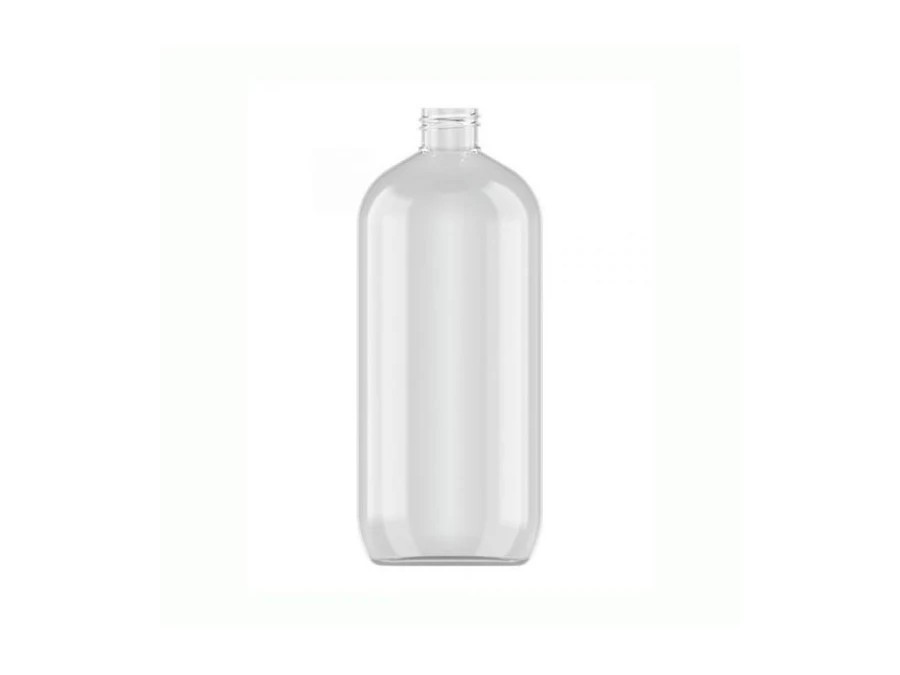
250ml, 28mm aluminium cap · Material: Clear PET + aluminium cap
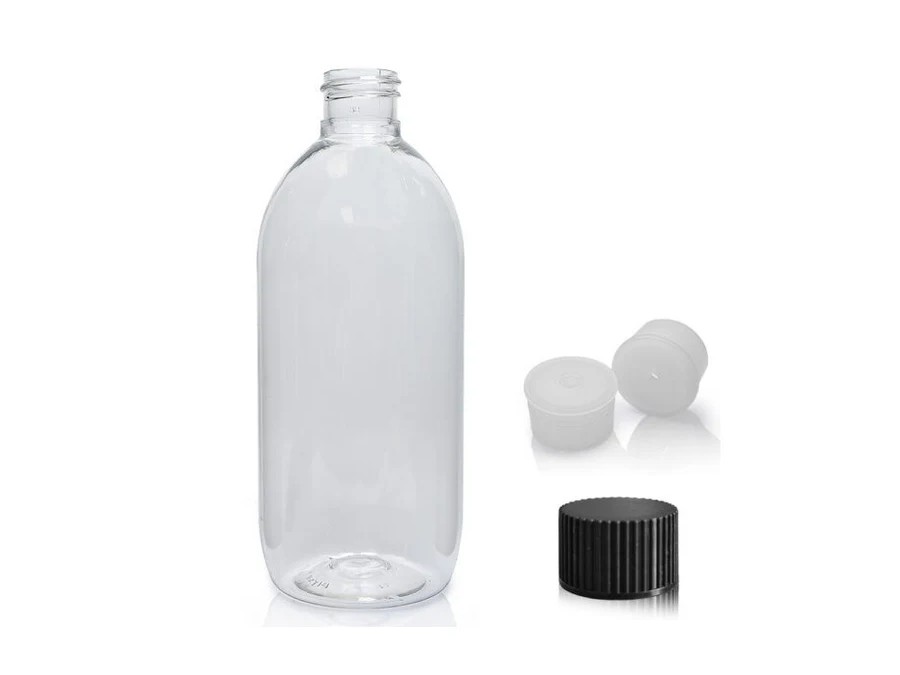
250ml, 28mm screw cap · Material: Clear PET
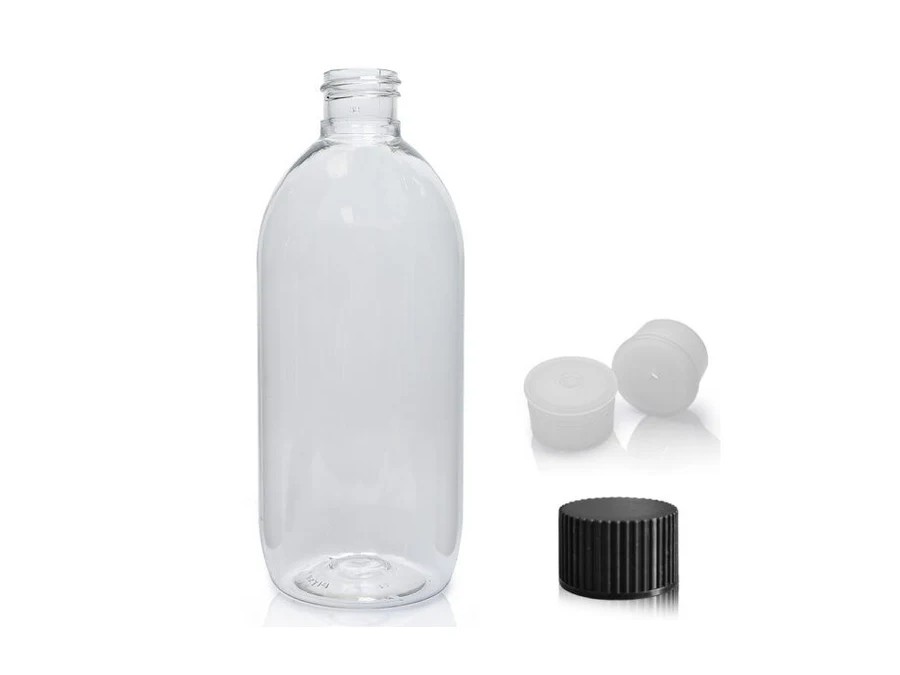
50ml, 20/410 neck, no cap · Material: Clear PET
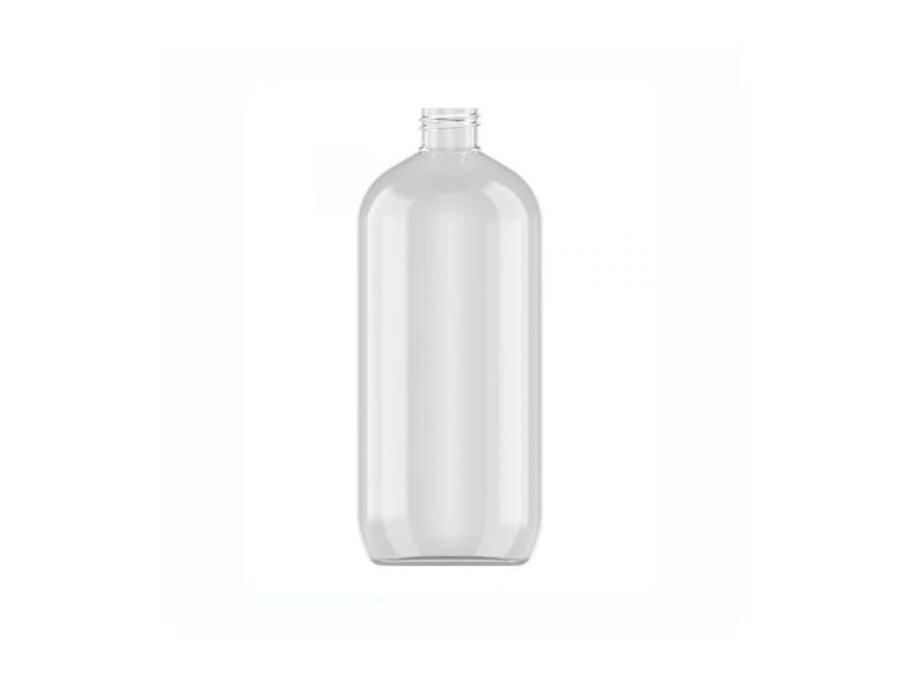
100ml, 24/410 neck, squeezable · Material: Natural HDPE
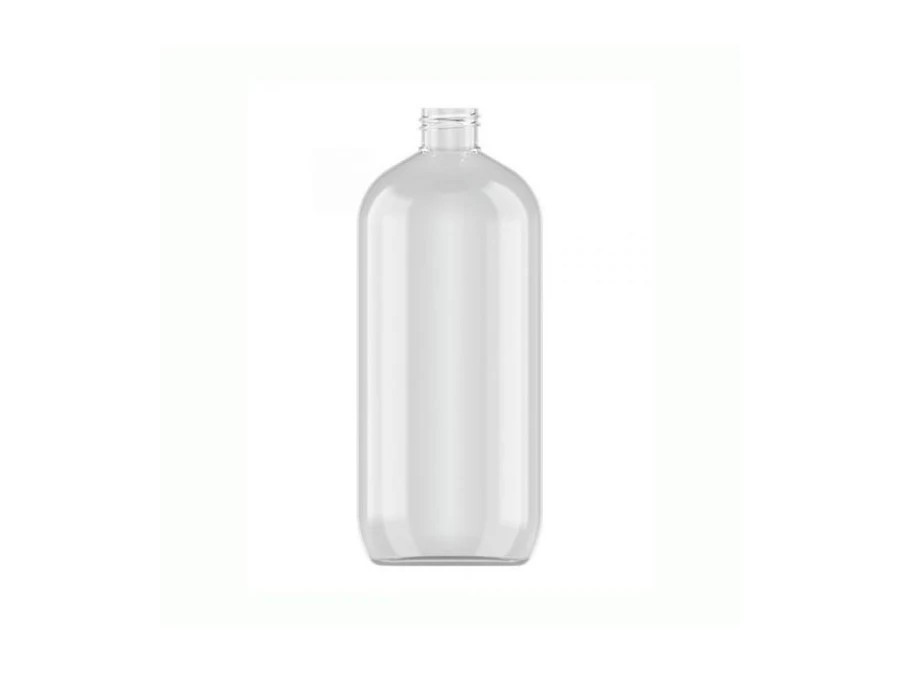
150ml, 24/410 neck, white · Material: White HDPE
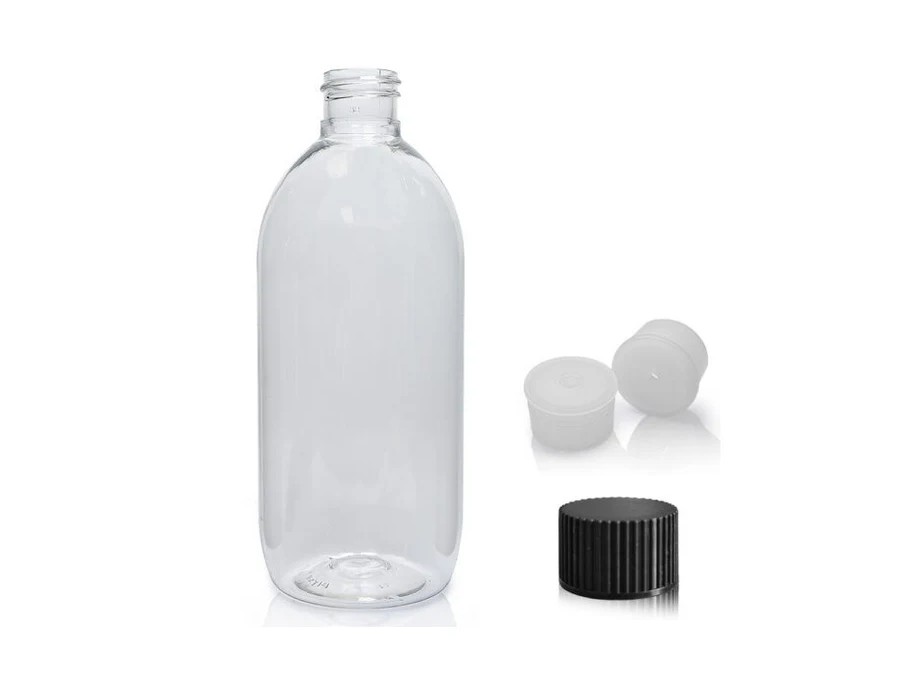
200ml, 24/410 neck, no closure · Material: Clear PET
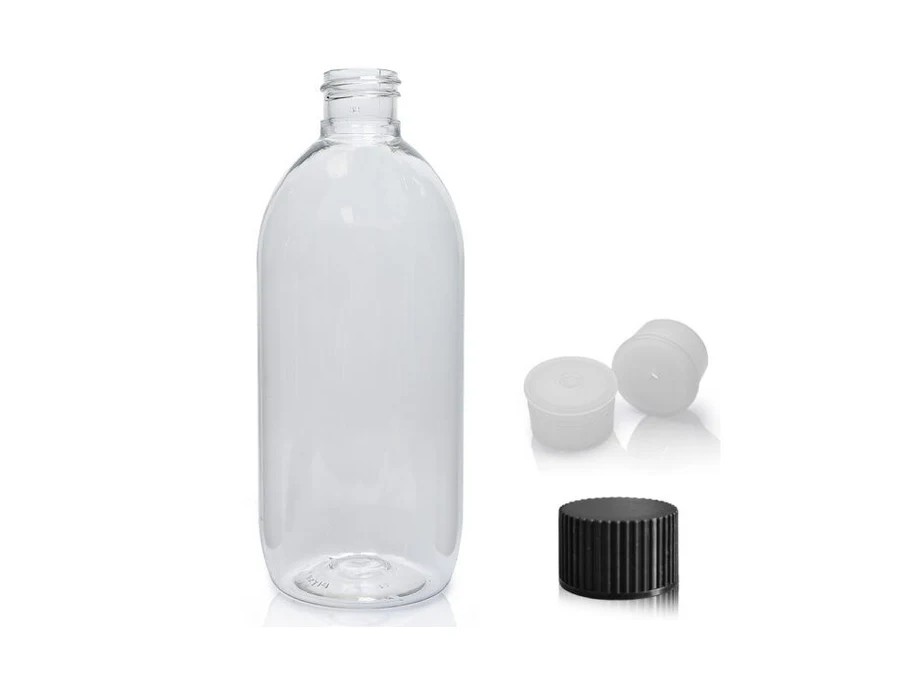
300ml, 24/410 neck, amber · Material: Amber PET
500ml, 28/410 neck, natural · Material: Natural HDPE
750ml, 28/400 neck, trigger compatible · Material: White HDPE
1L, 38mm neck, natural · Material: Natural HDPE
30ml, 18mm neck, pipette closure · Material: Amber glass
50ml, cork/screw finish · Material: Clear glass
100ml, 28mm neck, no cap · Material: Clear glass
200ml, 28mm neck, amber · Material: Amber glass
250ml, ROPP neck · Material: Clear glass
330ml, crown neck · Material: Amber glass
500ml, swing stopper closure · Material: Clear glass
750ml, cork finish · Material: Clear glass
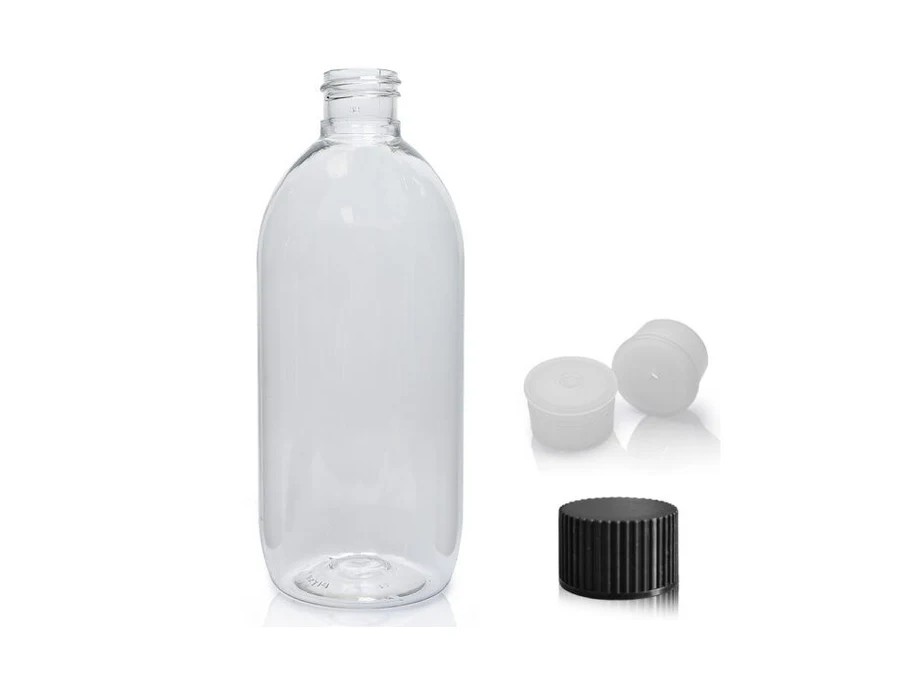
500ml, standard cap/nozzle cap options · Material: Clear PET
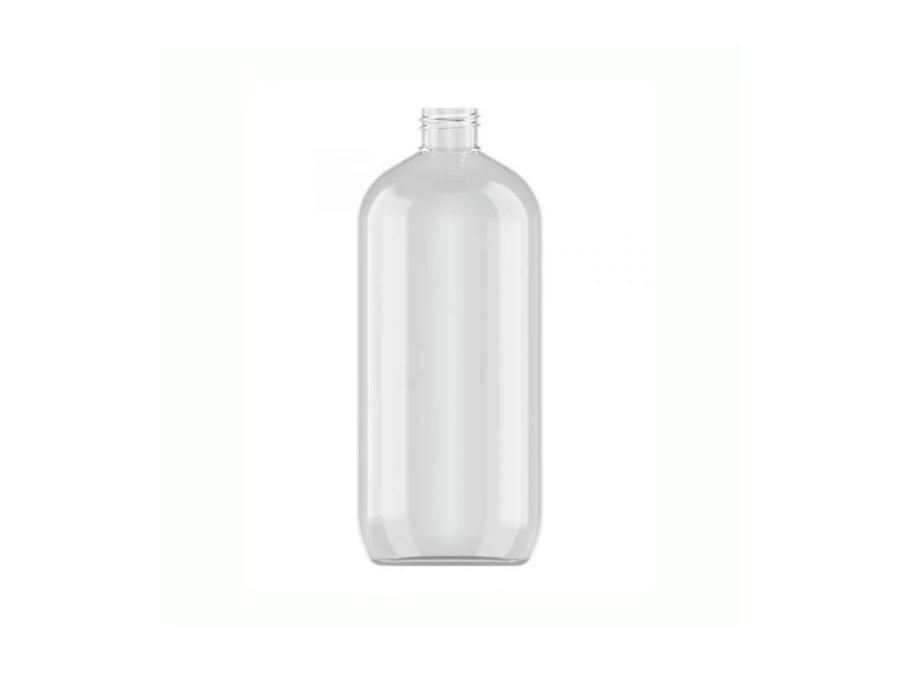
100ml, screw neck · Material: Aluminium
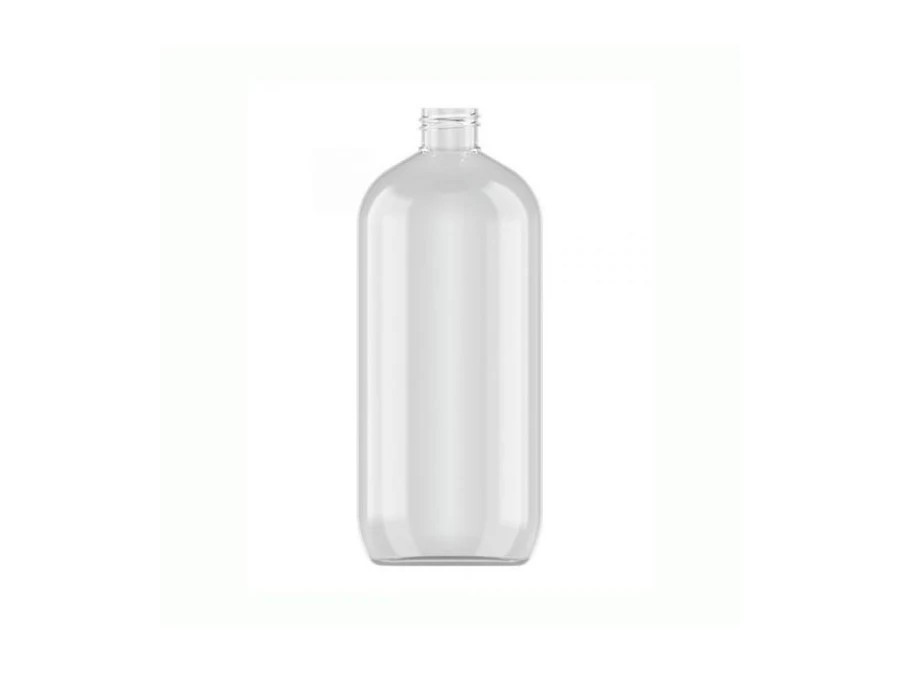
250ml, bullet profile, 24/410 neck · Material: Aluminium
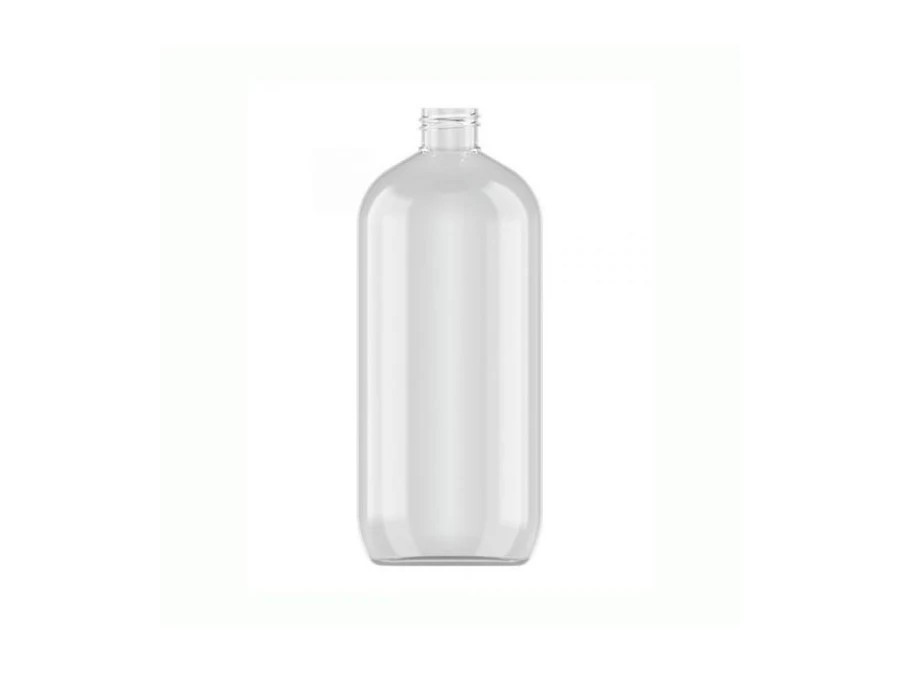
500ml, 28mm neck · Material: Aluminium
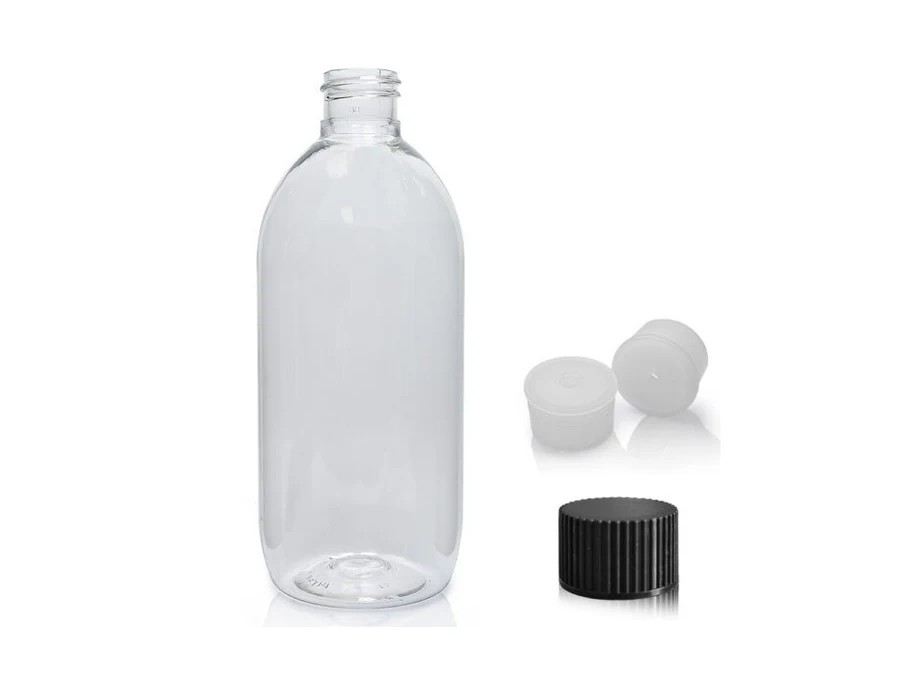
50ml, 20mm neck · Material: Clear PET
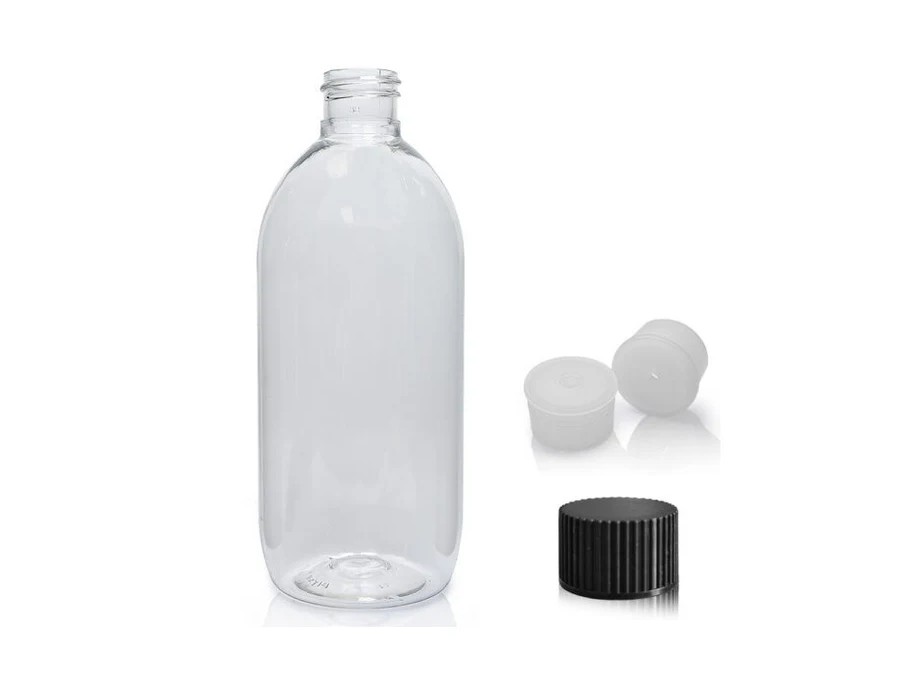
100ml, 20/410 disc-top cap · Material: Clear PET
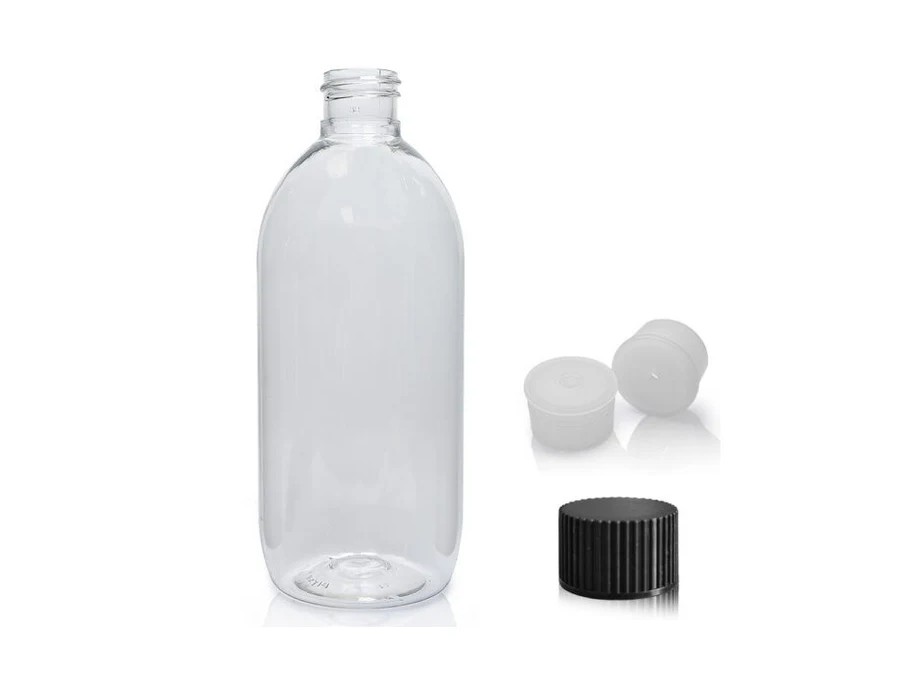
150ml, flip-top cap · Material: Amber PET
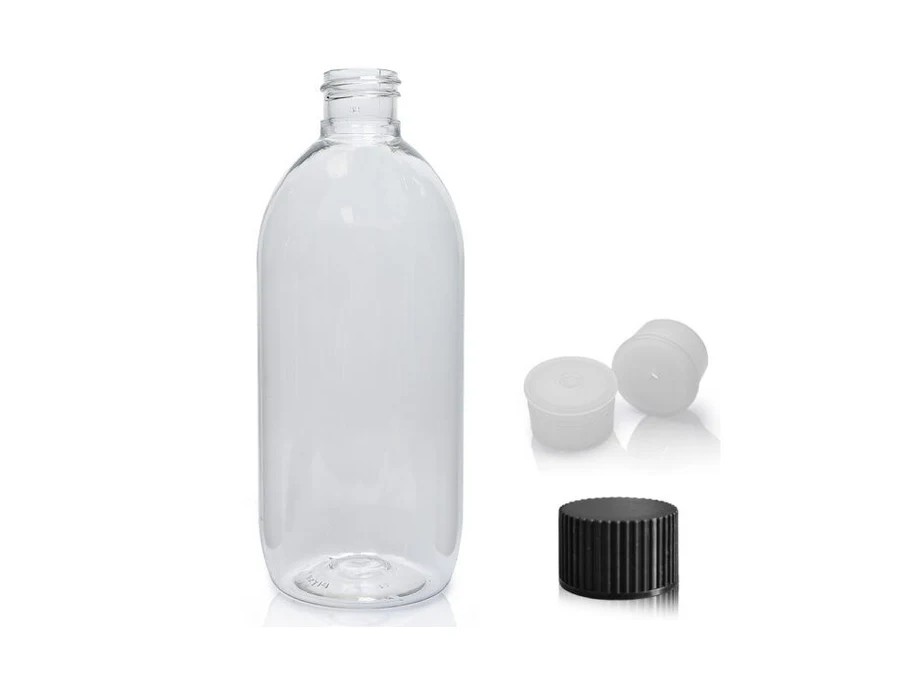
200ml, pump closure · Material: Clear PET
300ml, disc top cap · Material: Clear PET
500ml, pump closure · Material: Amber PET
1L, 38mm tamper-evident cap · Material: Clear PET
30ml, fine nozzle and overcap · Material: Natural LDPE
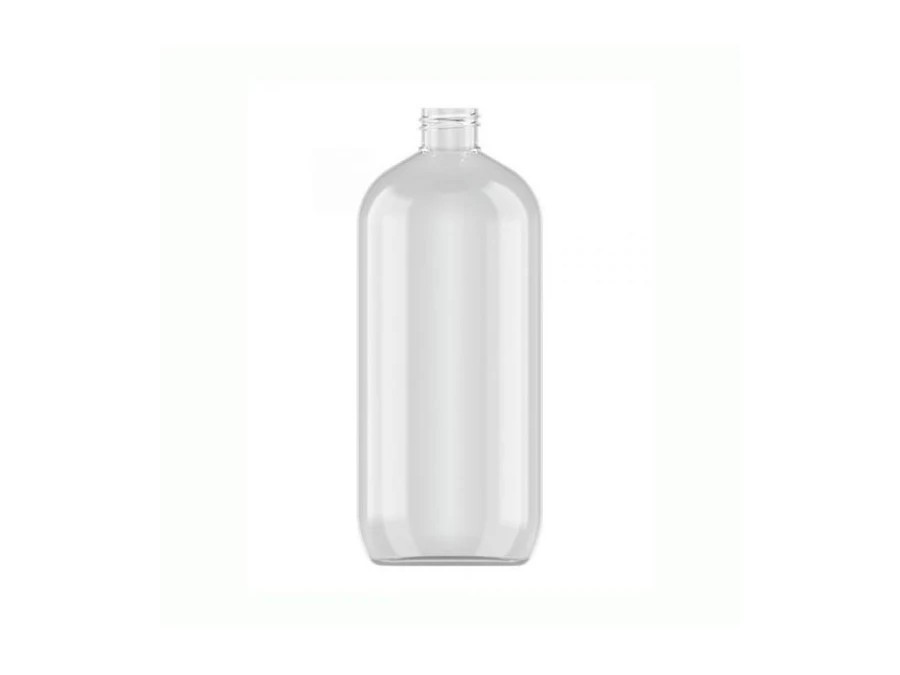
60ml, plug insert/dropper · Material: Natural LDPE
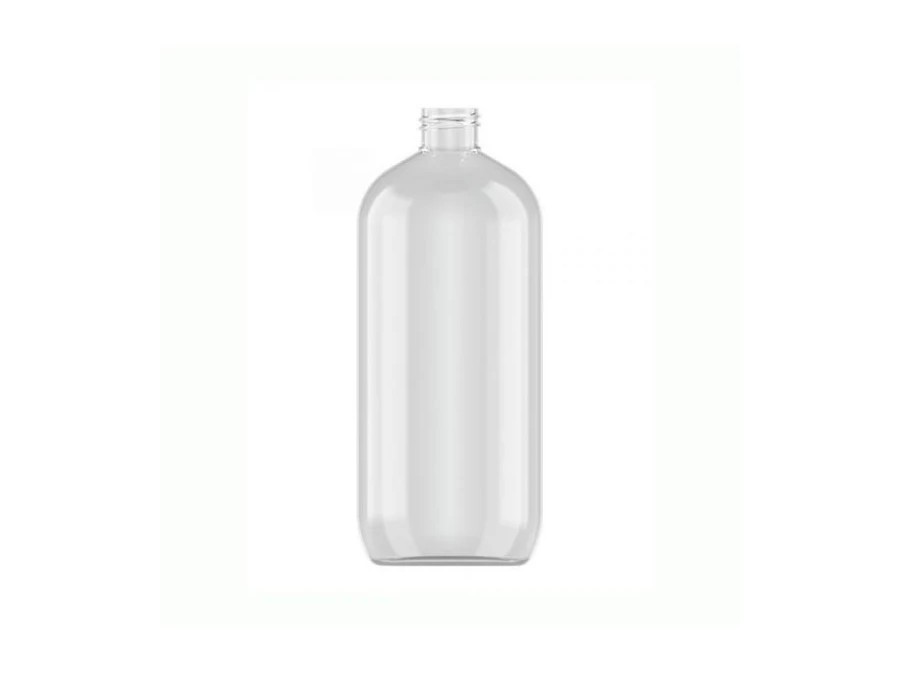
125ml, wide mouth 38mm · Material: White HDPE
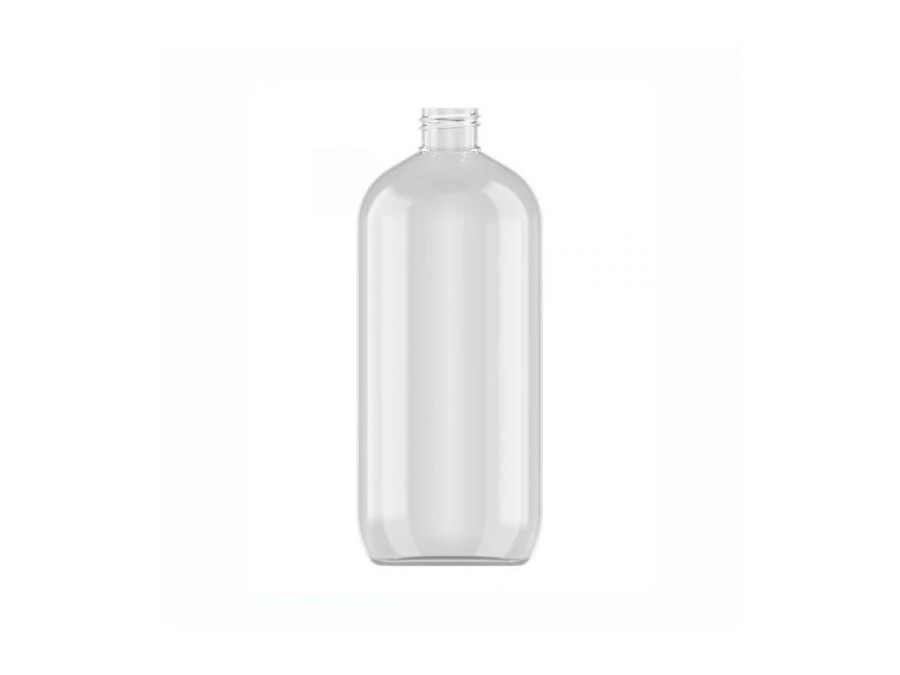
250ml, wide mouth 45mm · Material: White HDPE
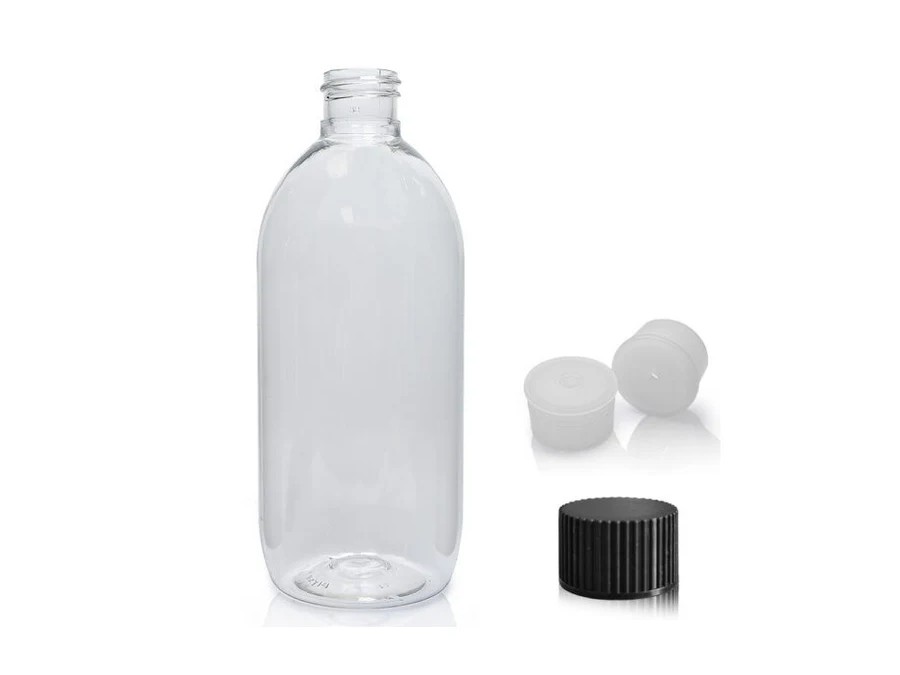
100ml, foaming pump · Material: Clear PET
150ml, foaming pump · Material: Clear PET
200ml, white foamer pump · Material: Clear PET
100ml, pump finish · Material: Frosted glass
Range: clear PET bottles · Use case: water, drinks, household liquids and general filling applications
Range: coloured PET bottles · Use case: branded drinks, cosmetic and promotional packaging
Range: amber plastic bottles · Use case: liquids, care products, oils and light-sensitive contents
Bottle selection starts with the product and closure system, not only the nominal capacity. PET, HDPE, glass, aluminium and other constructions have different handling, barrier, temperature, impact, appearance and end-of-life considerations. Lancing can compare a candidate bottle only when the exact resin or material, colour, neck finish, dimensions, tolerances and intended contents are known.
Provide the product type, viscosity, density, pH where relevant, solvents or oils, oxygen or moisture sensitivity, fill temperature, shelf-life target and storage conditions. Compatibility can depend on the bottle, closure liner, valve, dip tube, induction wad, label and any secondary pack. A generic material name is not sufficient evidence for chemical or food-contact suitability.
Key dimensions include the bottle height and diameter or footprint, neck finish, thread, transfer bead, cap diameter and applied height. Also note bottle stability, grip points, panel strength and whether the line handles empty bottles by conveyor, puck, timing screw or starwheel. Representative samples should be trialled through filling, capping, labelling, coding and packing equipment before approval.
Lightweighting may reduce material, but the revised bottle must still survive filling, capping, transport and use. Recycled-content claims need a percentage, calculation basis and scope for the exact bottle. Recyclability depends on more than the main body resin: colour, labels, sleeves, adhesives, closures, pumps, liners and product residue can affect sorting and reprocessing. Reuse introduces a different set of requirements, including return logistics, cleaning validation, inspection, closure replacement and the number of successful cycles. These routes should be compared against the actual supply chain rather than treated as universal claims.
| Confirm | Typical input | Reason |
|---|---|---|
| Bottle construction | Exact material, colour, nominal capacity, brimful capacity and weight | Supports functional and evidence review. |
| Neck and closure | Neck drawing, cap or pump specification, liner and tamper feature | Prevents thread, seal and capping mismatch. |
| Product contact | Product data, fill temperature and required declarations | Compatibility must be confirmed for the intended contents and conditions. |
| Production line | Current samples, output, conveyor details and changeover range | Determines handling and equipment requirements. |
| Environmental wording | Dated supplier evidence, scope and intended UK market | Keeps claims precise and reviewable. |
Where several bottle sizes share a line, identify the full height, diameter, neck and stability range and any tooling that changes. Confirm how guides, fill nozzles, capping heads, sensors and label positions are adjusted and how an incorrect format is prevented from entering production. Incoming checks can include dimensions, weight, visual defects, neck damage, contamination and fit with the approved closure. The inspection level and tolerances should come from the agreed drawing and quality plan, not from a generic bottle description.
A bottle that cannot meet the required barrier, temperature, chemical, pressure or handling conditions should be replaced by a more suitable material or format rather than forced into the application. The alternative might be another rigid material, a coated or barrier construction, a pouch, or a returnable system where the operating model supports it.
Send a filled and empty sample where possible, together with the closure, label or sleeve, product data, annual quantity, delivery pattern and target timing. State whether the bottle will be pressure-sensitive labelled, sleeved, induction sealed, inkjet coded or packed into cases or shrink film. Where no sample exists, provide a dimensioned drawing and identify which dimensions are fixed by the line.
Related routes include caps and closures, labels, shrink film, the 500 ml clear PET olive bottle example, and the compatibility guide.
Recycled plastic bottles and lightweight bottle designs can support a packaging objective, but neither should be approved from a material label alone. The exact grade, percentage, bottle weight, neck finish, colour, wall distribution and component scope have to be linked to the product, production line and claim file.
| Proposed bottle change | Evidence to obtain | Trial focus |
|---|---|---|
| Introduce PCR or rPET | Supplier declaration defining percentage, source basis, product code, colour, site and date | Appearance, dimensions, odour where relevant, filling, capping, label adhesion and distribution |
| Reduce bottle weight | Revised drawing, weight tolerance and material grade | Empty-bottle handling, panel strength, top load, hot or cold fill effects, capping and case packing |
| Change colour or additive | Exact colourant or additive declaration and scope of any end-of-life assessment | Inspection sensors, coding contrast, label appearance and sorting evidence |
| Change closure or label | Neck, closure, liner, adhesive and complete-pack component data | Seal, torque, tamper evidence, dispensing, label performance and complete-pack assessment |
PCR and rPET terminology can be used differently across supplier documents. The declaration should define the term, state whether the percentage is measured by mass, identify whether it applies to the bottle body or complete pack, and explain any chain-of-custody or mass-balance basis. The approved wording should match that document exactly.
A family name or catalogue title is not enough to transfer evidence between sizes or closure combinations. Keep the declaration, drawing and approved sample tied to the same product code and revision. If the resin source, percentage, colour, preform, moulding site or bottle weight changes, trigger a documented review.
A lower bottle weight can alter stiffness, base stability, vacuum response, squeeze behaviour and the way empty bottles move through conveyors, pucks, timing screws or starwheels. Record the accepted fill temperature, fill level, cap application method, label pressure and case or shrink-pack arrangement. The lightweight candidate should meet the same acceptance criteria without increasing rejects, leakage, distortion or product damage.
Relevant source records include the 500 ml clear PCR/PET tubular bottle without a cap, the 500 ml PCR/PET bottle with disc-top cap, the 250 ml rPET Boston bottle and the 250 ml amber bottle record carrying a 30% PCR description. These titles help identify candidates; Lancing must still confirm the current supplier evidence, availability, exact construction and suitability for the intended contents.
No. The percentage must be tied to the exact bottle, component scope, calculation basis, supplier and date. Product compatibility, regulatory documentation, dimensions and production performance still require separate review.
It may, but it should not be assumed. Compare wall distribution, weight, stiffness, neck finish, surface condition, colour and dimensional tolerances, then trial filling, capping, labelling and downstream handling.
Only when the calculation clearly includes that closure and its verified content. A body-only declaration should remain a body-only claim, and liners, pumps or other components need their own evidence.
Test empty and filled bottles from representative production lots with the final closure, liner, label or sleeve and secondary pack. Include the smallest and largest line formats where shared equipment is involved.
PET, rPET, HDPE, glass and aluminium options should be compared against the same product, volume, distribution and use requirements. Material, weight and colour can affect environmental evidence, while neck, closure and label details determine whether the pack works as a system.
Bottle material, geometry, neck finish and the mating closure must be reviewed as a production and containment system.
Wall stiffness, base geometry, panel shape and centre of gravity influence feeding, conveying, nozzle clearance and stability after filling. A lighter or differently shaped bottle may still be suitable, but guide rails, transfers, sensors or accumulation pressure can need review.
Use the line compatibility questions for the full interface.
Confirm the exact grade and percentage evidence, product-contact suitability, colour and clarity expectations, dimensions, mechanical behaviour and line performance. The polymer name alone does not establish equivalence.
Link the supplier declaration and trial result to the approved bottle code.
The seal is created at the interface between the components. Thread, land, bore, liner, tamper band, application and product conditions interact. Each part can look acceptable alone while the assembled tolerances or sealing mechanism are unsuitable.
A bottle body, neck finish, closure, liner, label and secondary pack must be approved as one system. Nominal capacity or neck diameter does not establish seal, opening, line or transport performance.
The choice depends on the exact neck and closure, product, opening experience, capping or sealing equipment and market requirement. Compare breakaway rings, liners, bands and labels using representative samples.
Mass, headspace, product chemistry and closure application can alter leakage and damage behaviour. Assess filled bottles in the intended cases, pallets or parcels rather than relying on an empty-container inspection.
No. The grade, wall distribution, colour, closure, liner and storage route all contribute. Use material data to design a filled-pack shelf-life and barrier programme.
A bottle material description should be linked to the exact bottle mass, recycled-content evidence, neck and closure system, label, target market and annual quantity. This allows procurement teams to review UK Plastic Packaging Tax, EPR and EU PPWR obligations without treating the bottle body as the complete pack.
No. Request a current declaration that states the percentage by weight, product scope, calculation basis, supplier and date.
The review should cover the packaging system and applicable component requirements. Record the closure, liner, label, adhesive and any secondary packaging rather than relying only on the bottle resin.