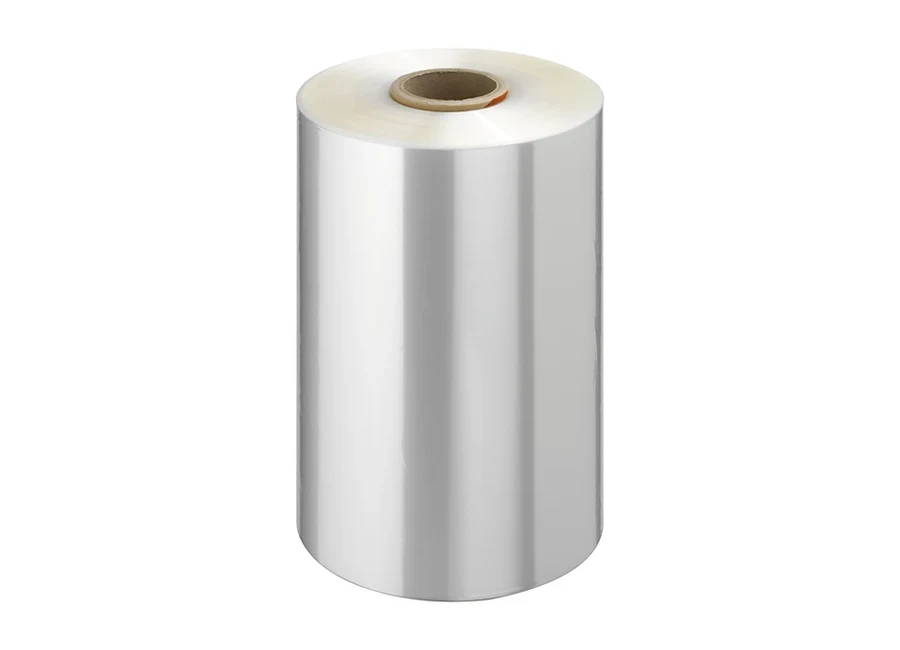
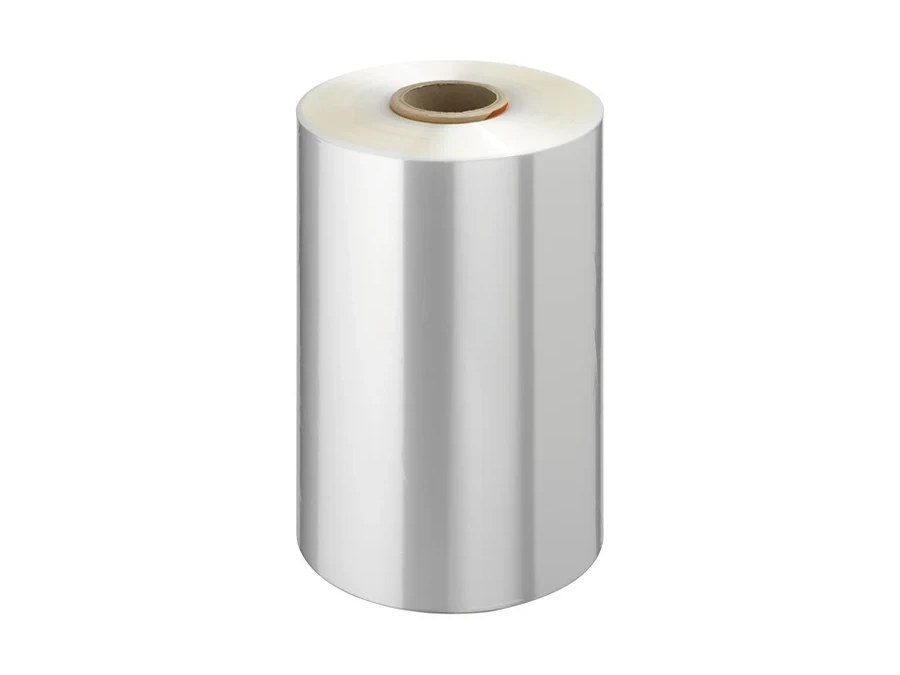
Deluxe Polyolefin Shrink Film Roll - 75 gauge, 8 in x 3,500 ft
Gauge: 75 gauge / 19 microns
Contact for priceView product
Browse PVC, polyolefin, LDPE and pallet shrink film options for wrapping, bundling and protection. Every item is contact for price. 65 products are listed in this range.
Gauge: 75 gauge / 19 microns
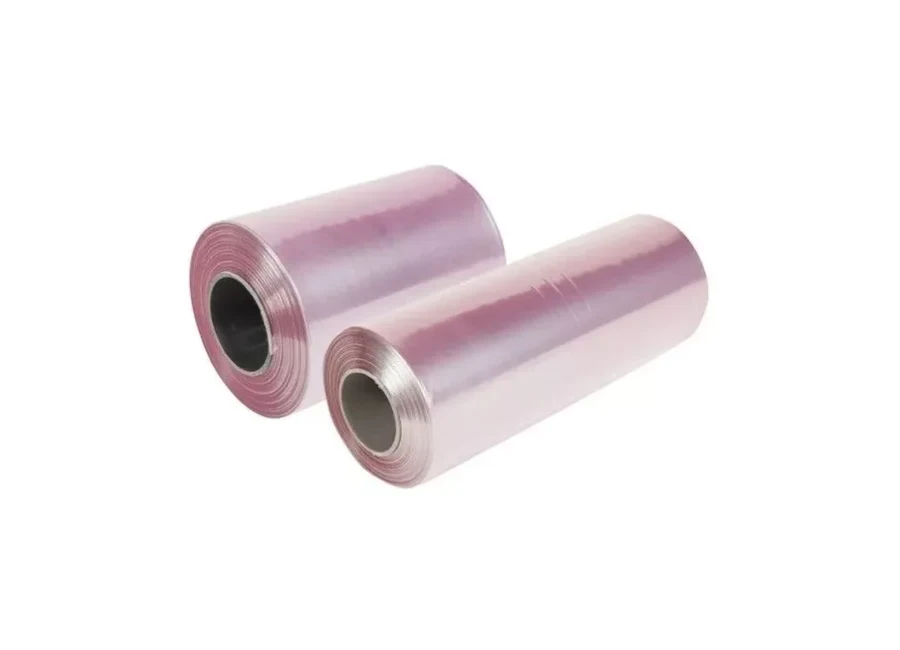
Roll size: 350 mm width, 700 mm open width · Material: High-clarity PVC shrink film
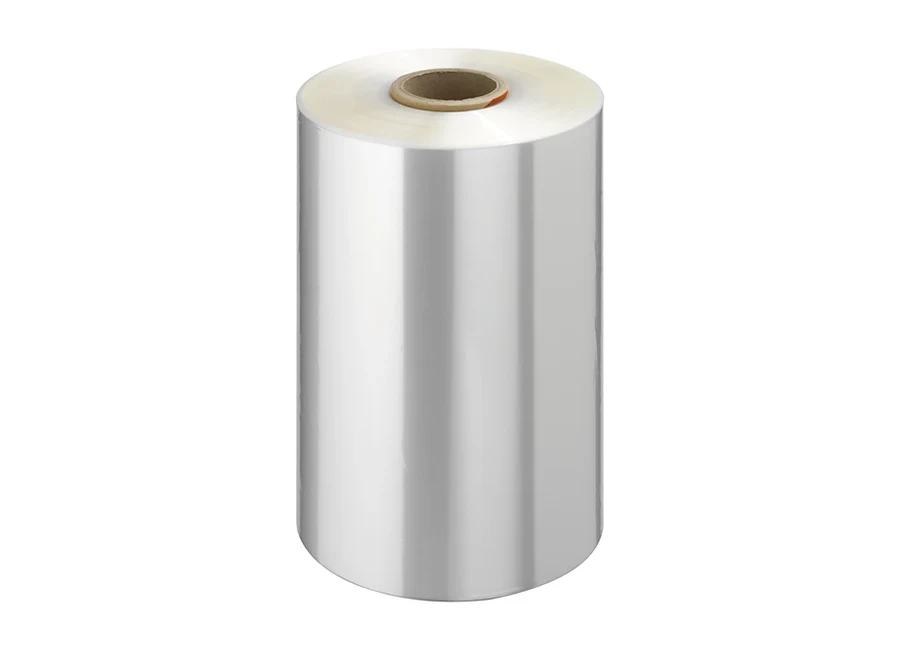
Material: Polyolefin · Format: Centre-folded and cross-linked film
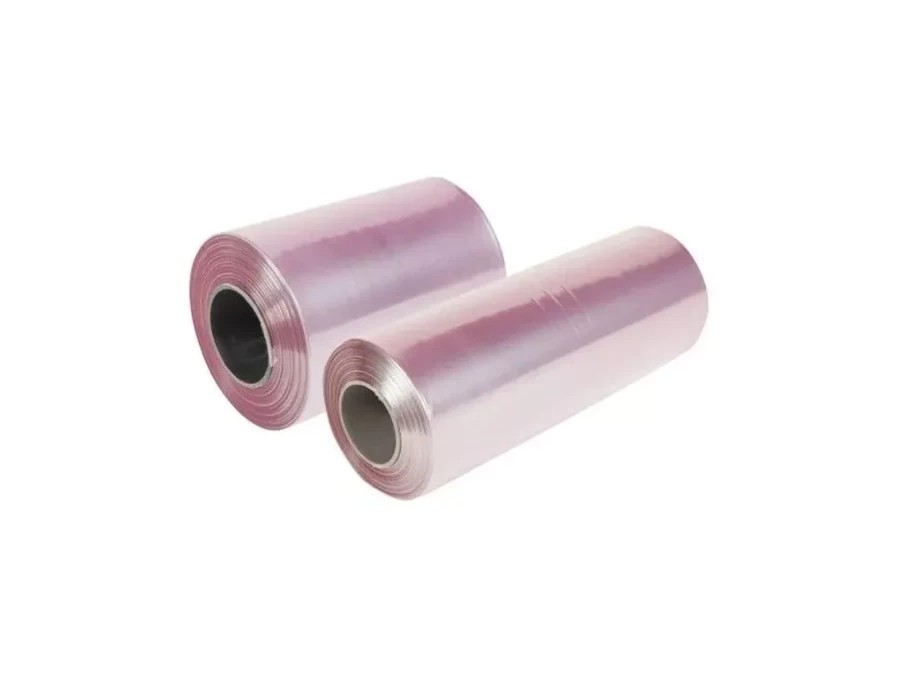
300mm width / 600mm open width; 600m; 19mu · Material: High clarity PVC
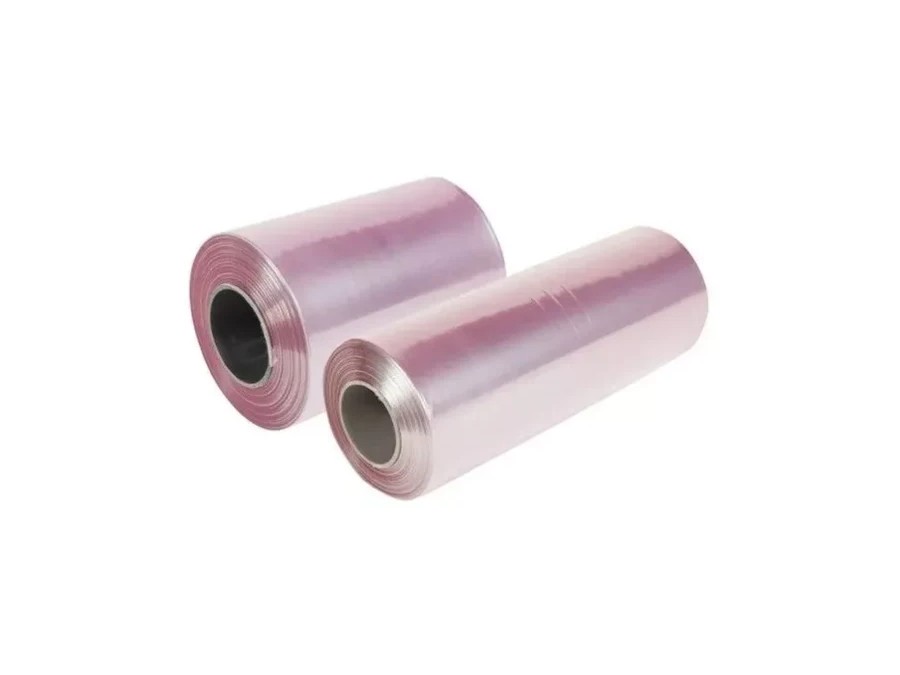
350mm width / 700mm open width; 600m; 19mu · Material: High clarity PVC
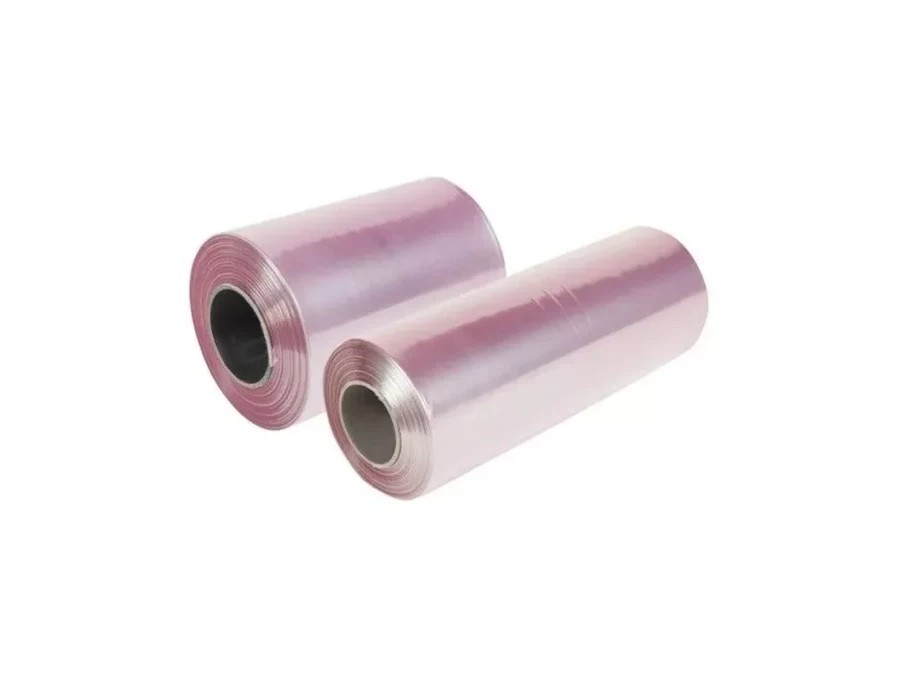
400mm width / 800mm open width; 600m; 19mu · Material: High clarity PVC
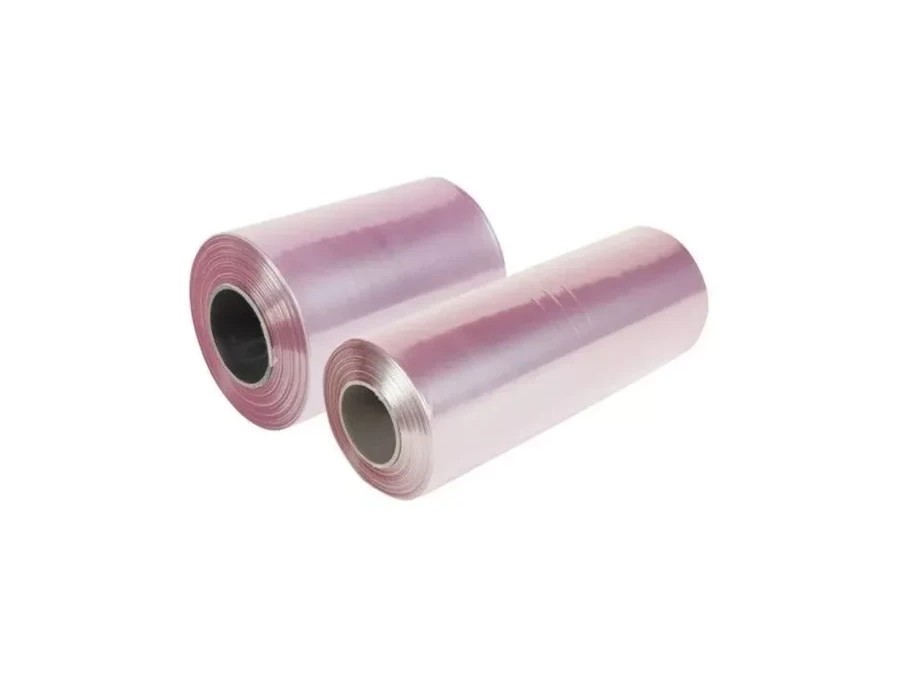
450mm width / 900mm open width; 600m; 19mu · Material: High clarity PVC
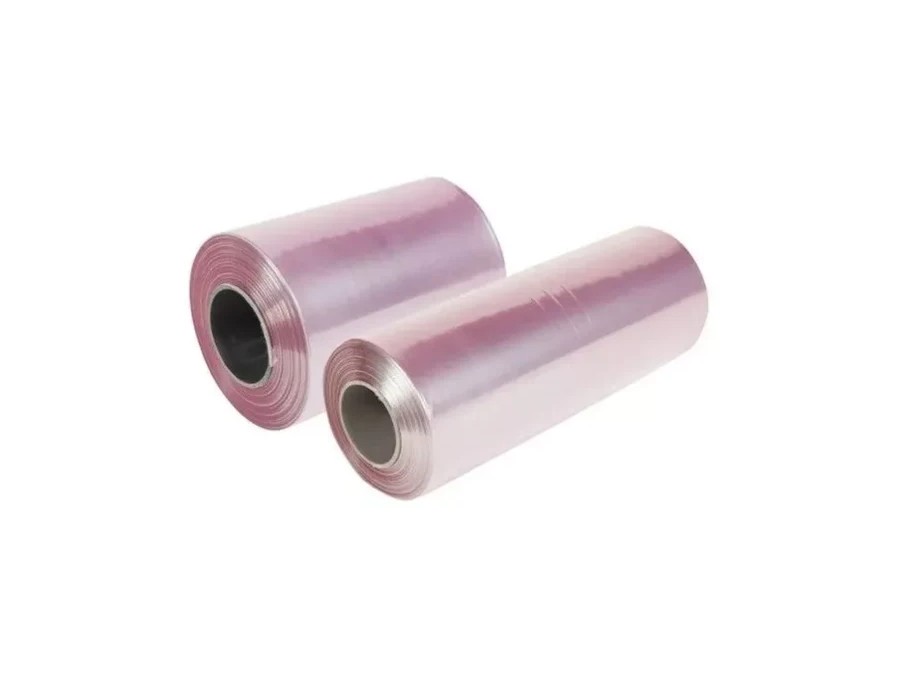
500mm width / 1000mm open width; 600m; 19mu · Material: High clarity PVC
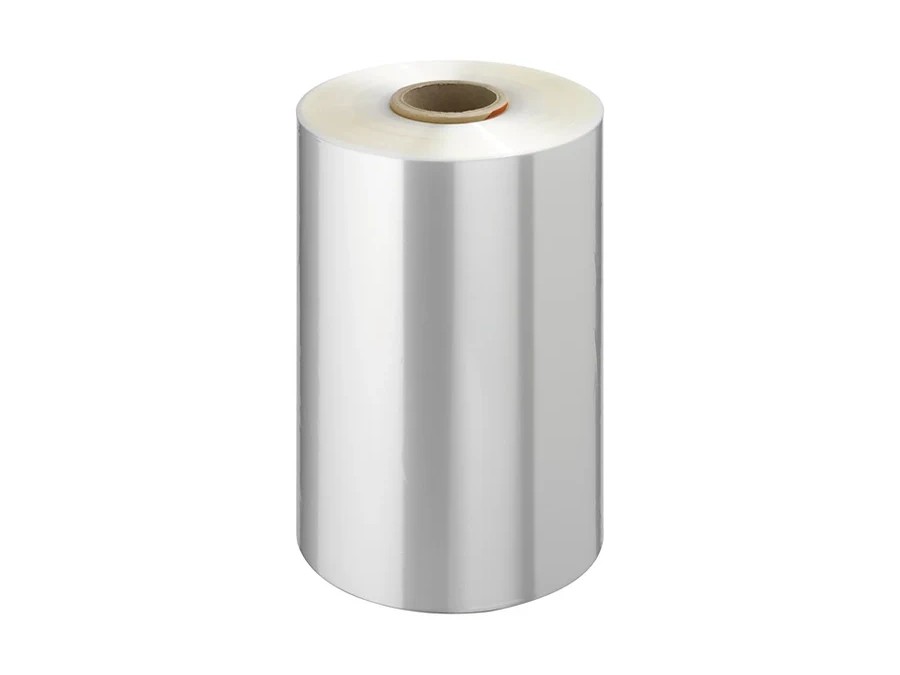
1.5m/3m width; 150 micron; approx 59m/roll; 25kg roll · Material: LDPE/polythene shrink film
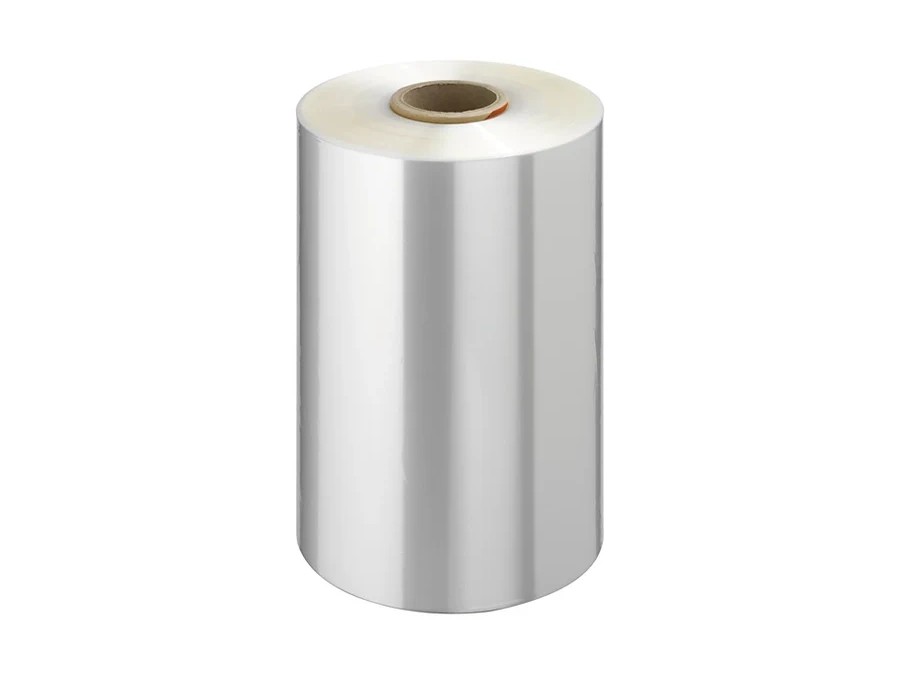
250mm x 1335m; 15mu; centrefolded · Material: Polyolefin
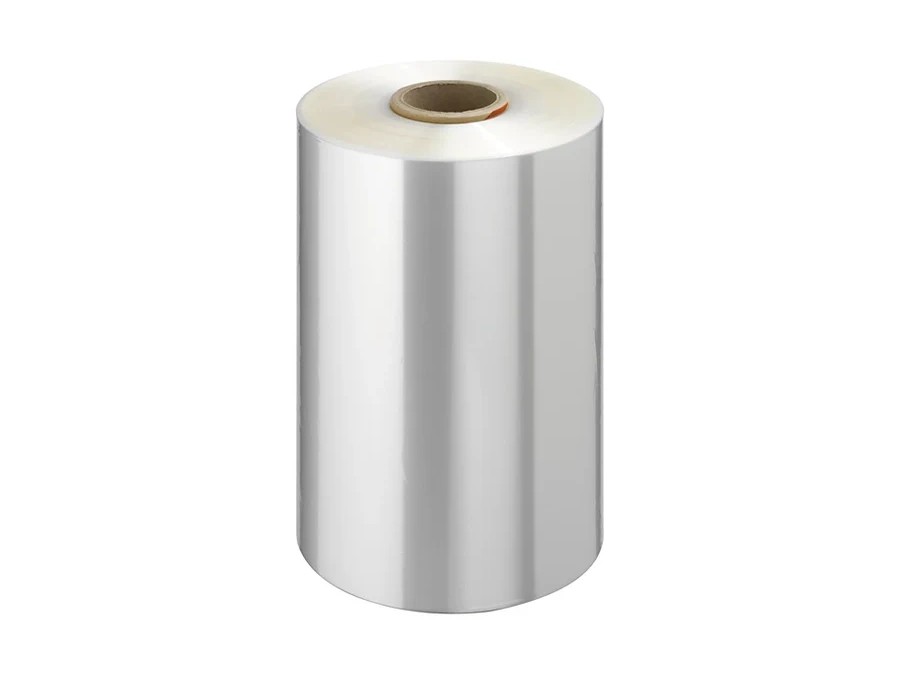
300mm x 1335m; 15mu; centrefolded · Material: Polyolefin
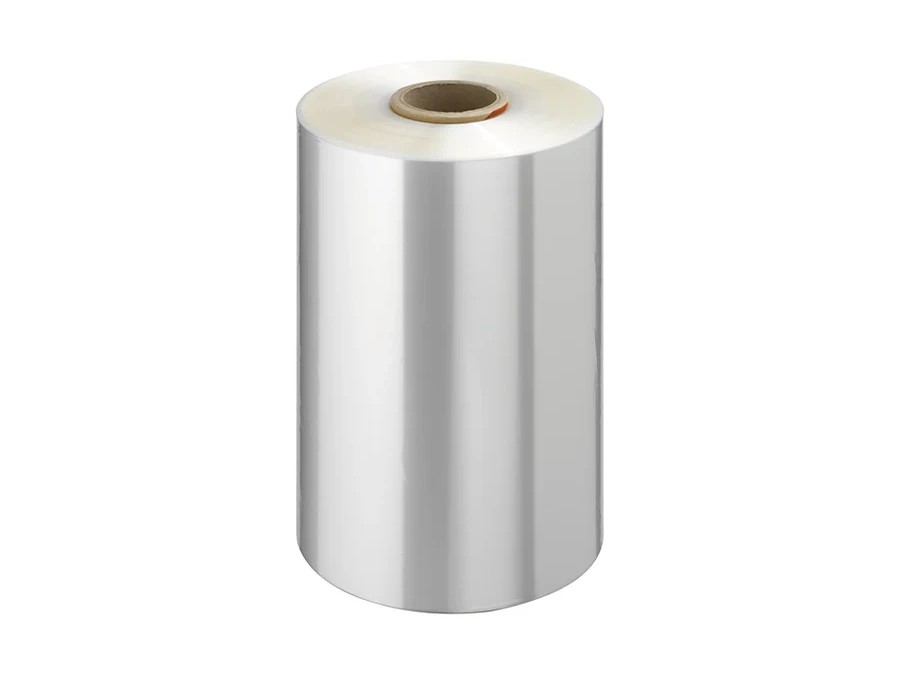
300mm x 1070m; 19mu; centrefolded · Material: Polyolefin
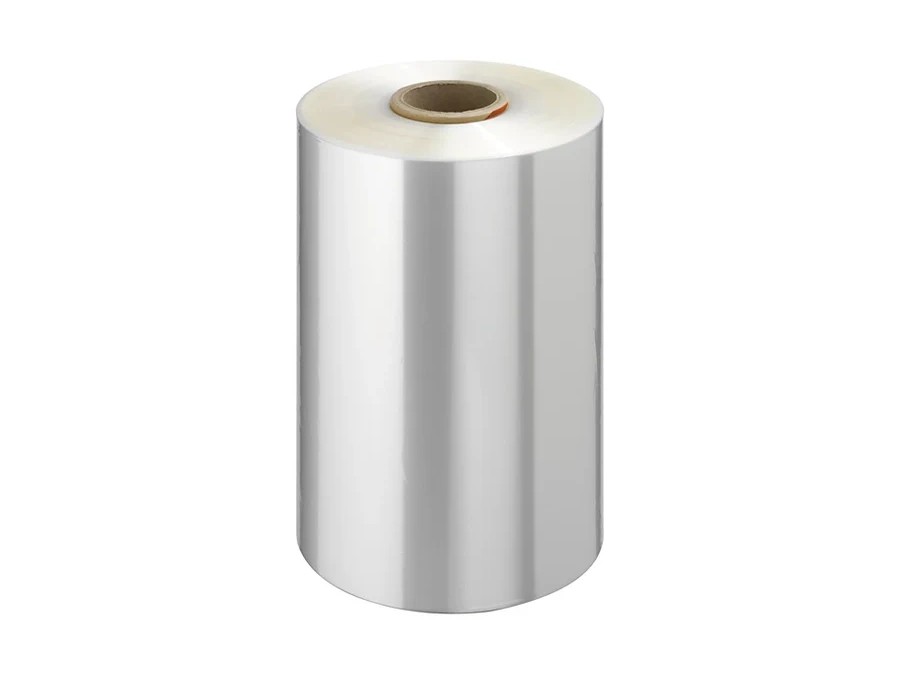
350mm x 1335m; 15mu; centrefolded · Material: Polyolefin
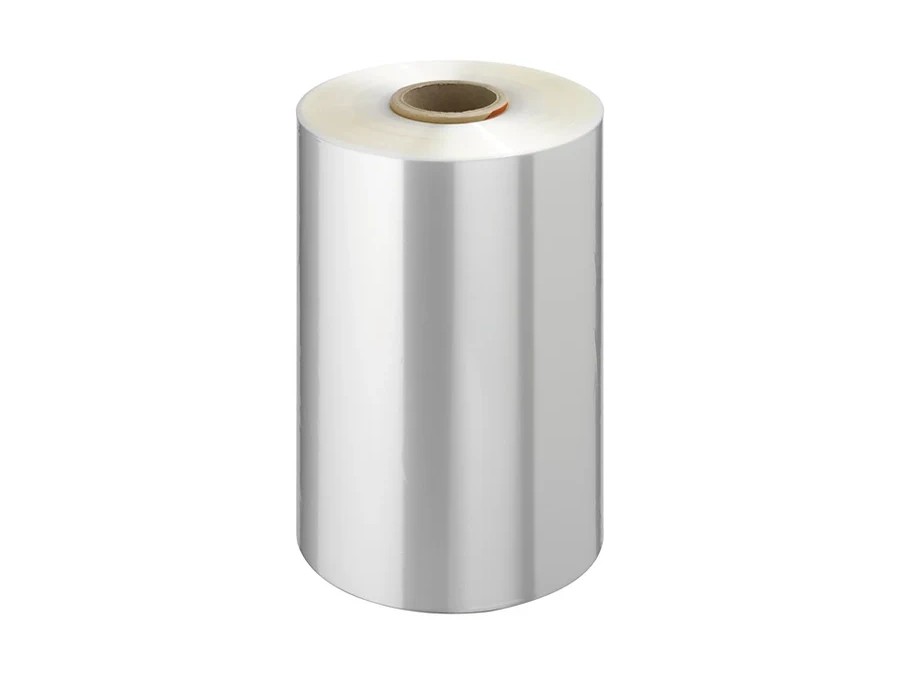
200mm x approx 1335m; 15mu · Material: Polyolefin
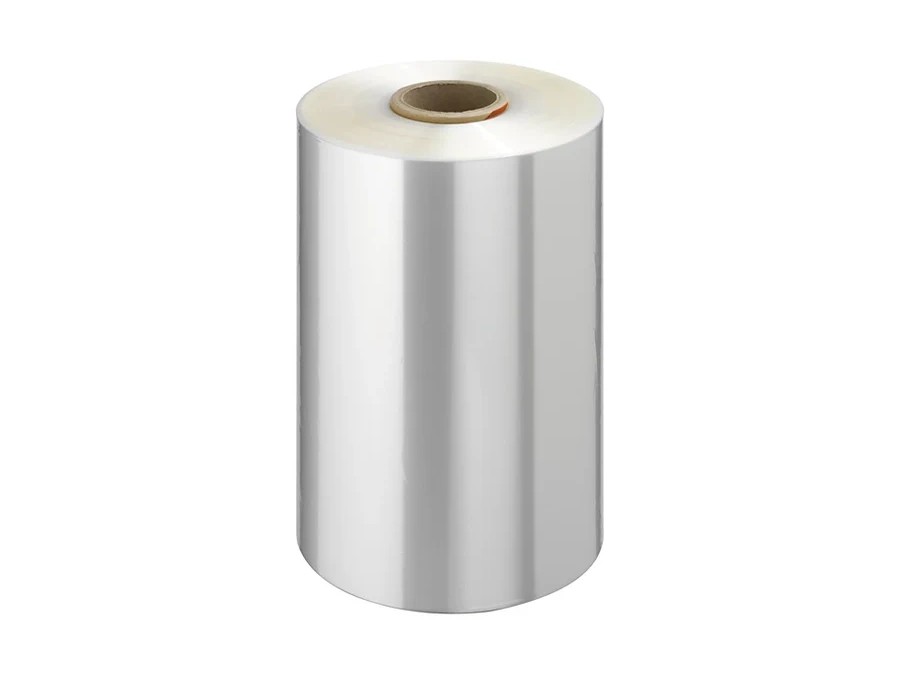
250mm x approx 1070m; 19mu · Material: Polyolefin
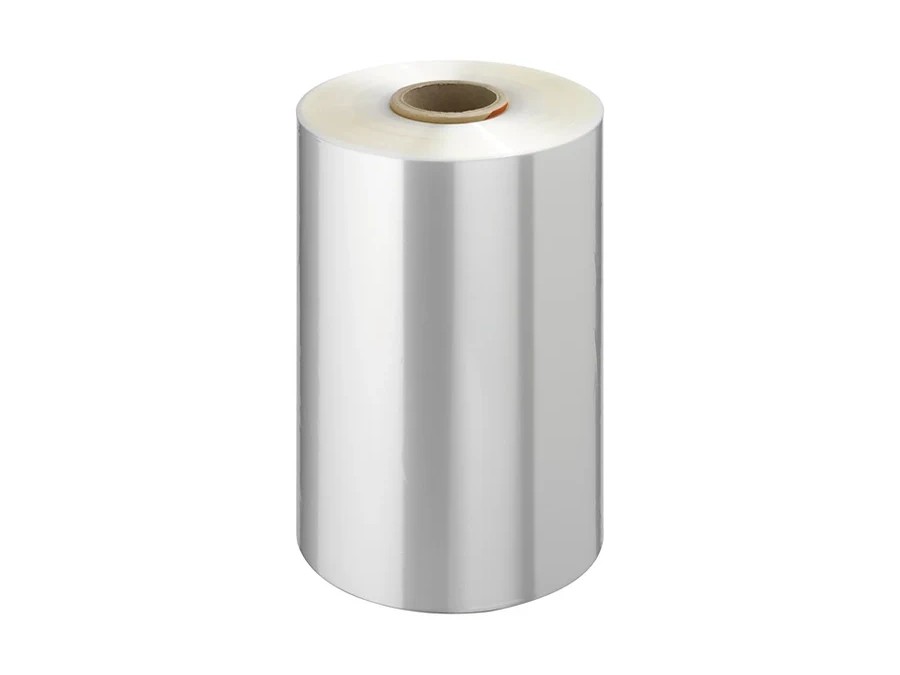
350mm x approx 1070m; 19mu · Material: Polyolefin
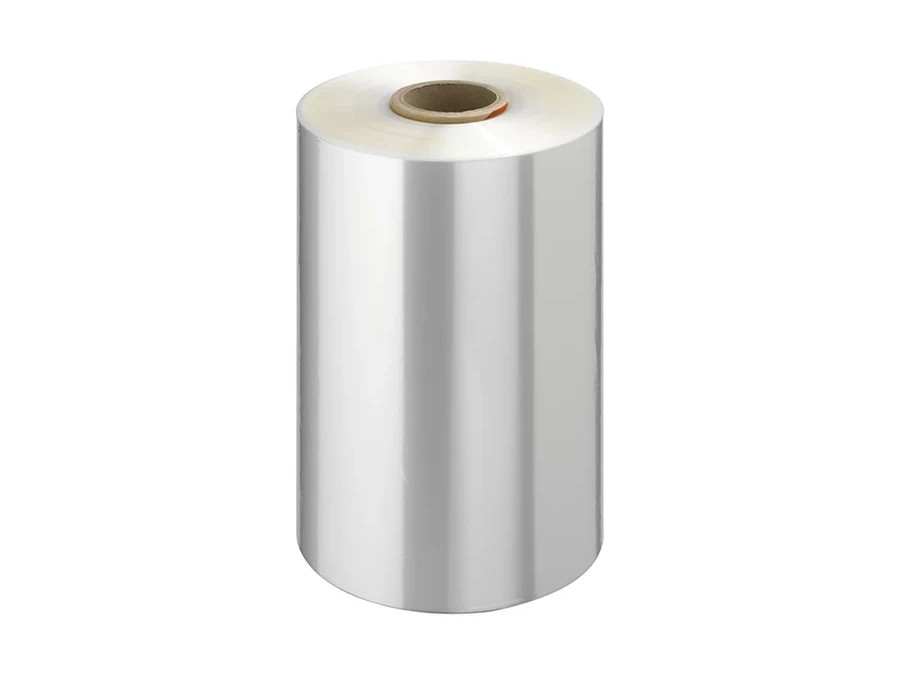
400mm x approx 1335m; 15mu · Material: Polyolefin
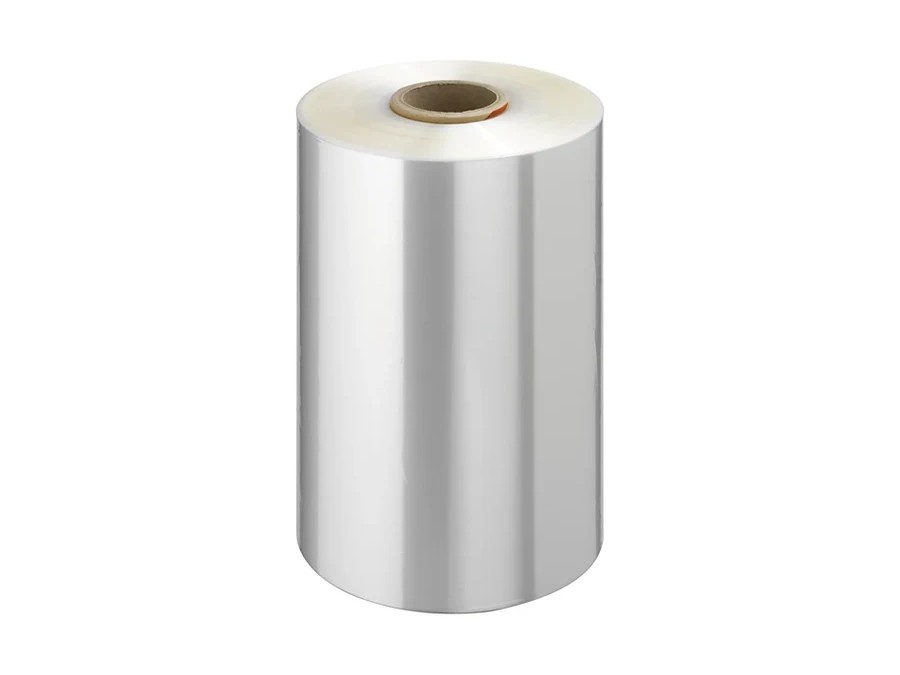
450mm x approx 1335m; 15mu · Material: Polyolefin
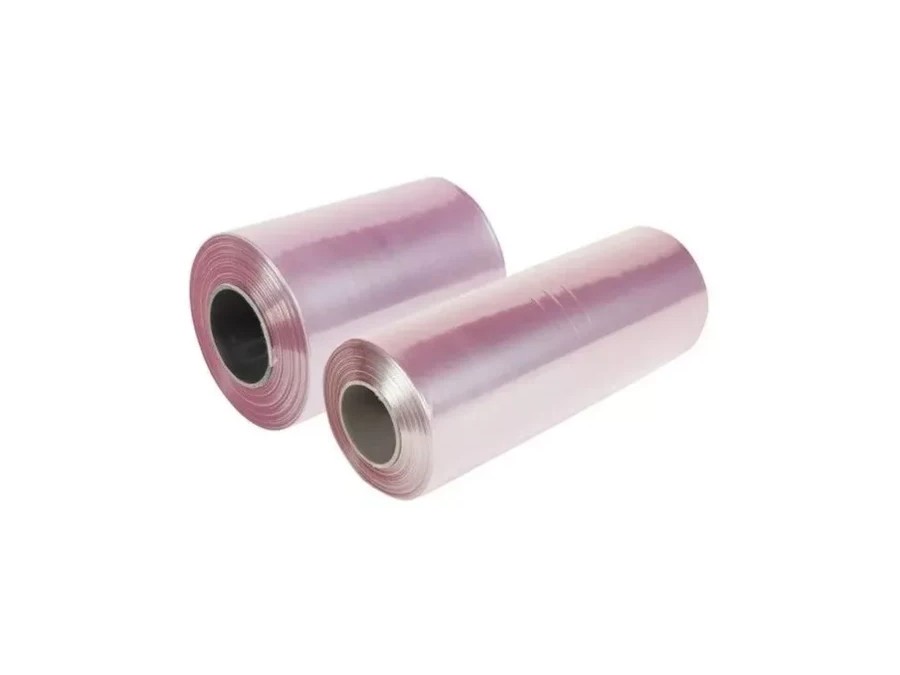
250mm width / 500mm open width; 600m; 19mu · Material: High clarity PVC
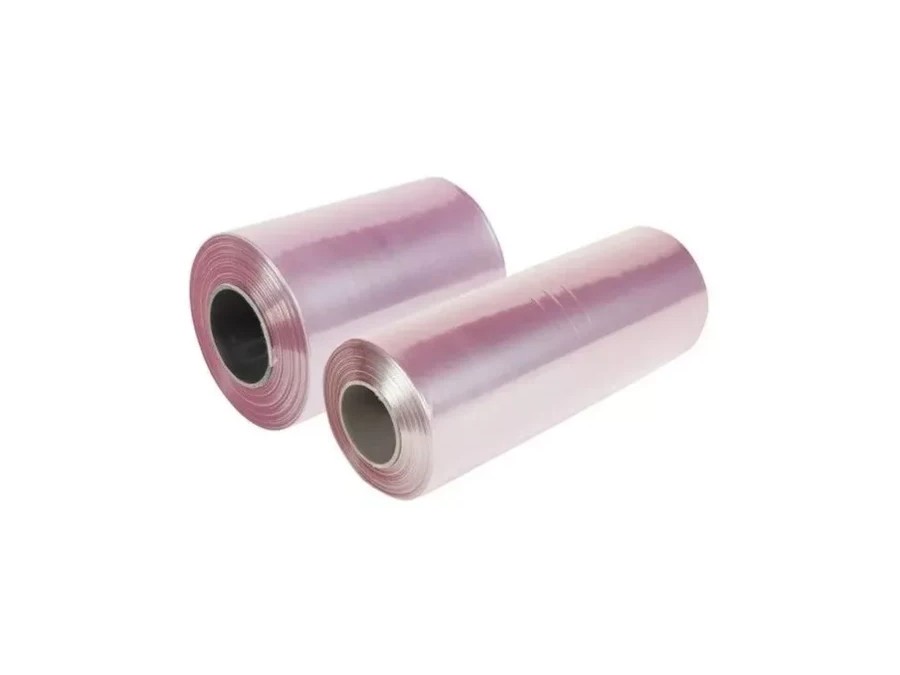
550mm width / 1100mm open width; 600m; 19mu · Material: High clarity PVC
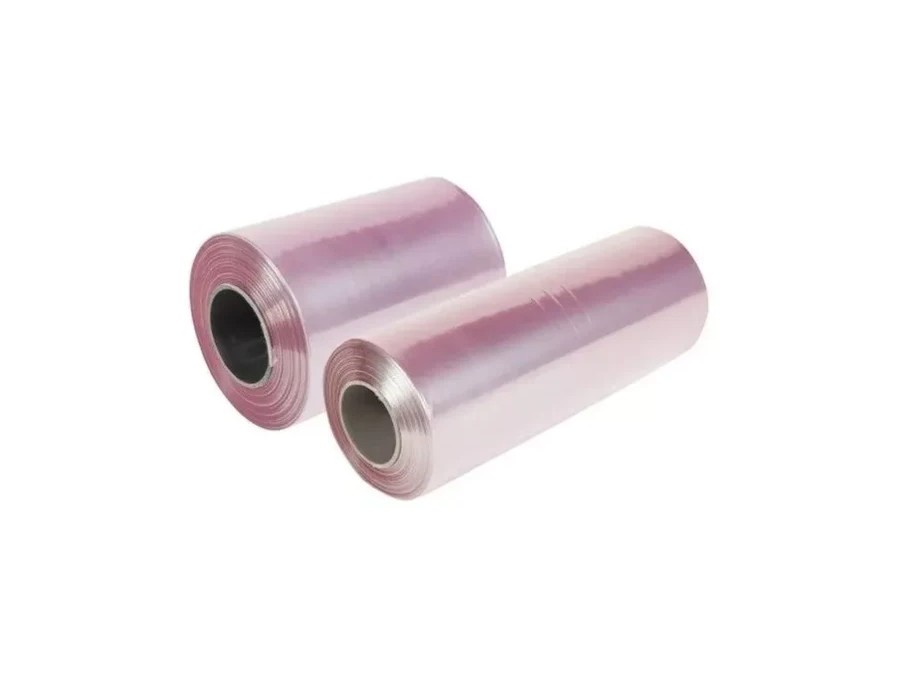
600mm width / 1200mm open width; 600m; 19mu · Material: High clarity PVC
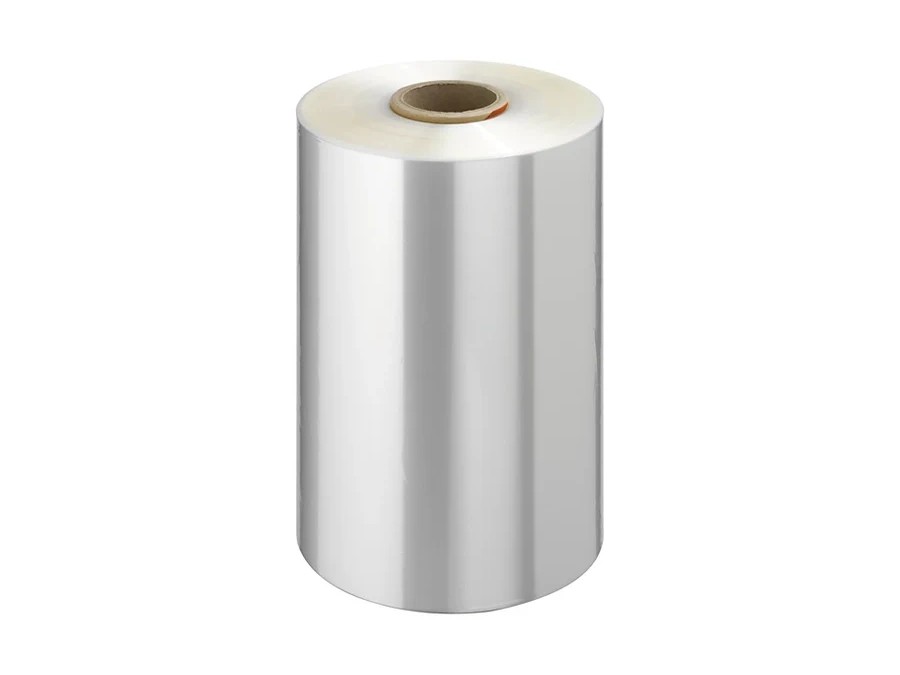
200mm centrefold, retail pack roll · Material: Polyolefin
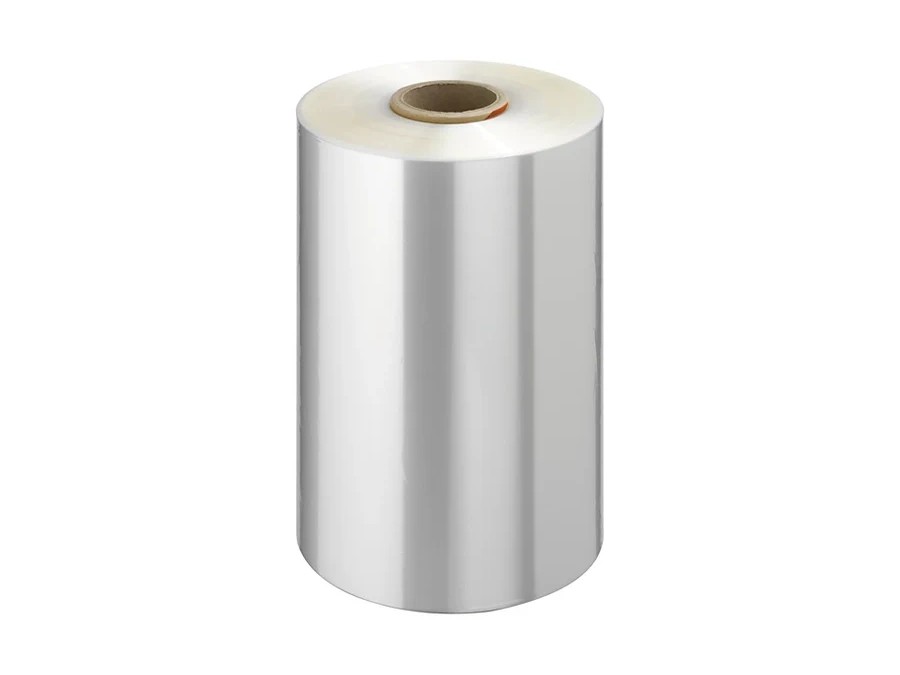
250mm centrefold, retail pack roll · Material: Polyolefin
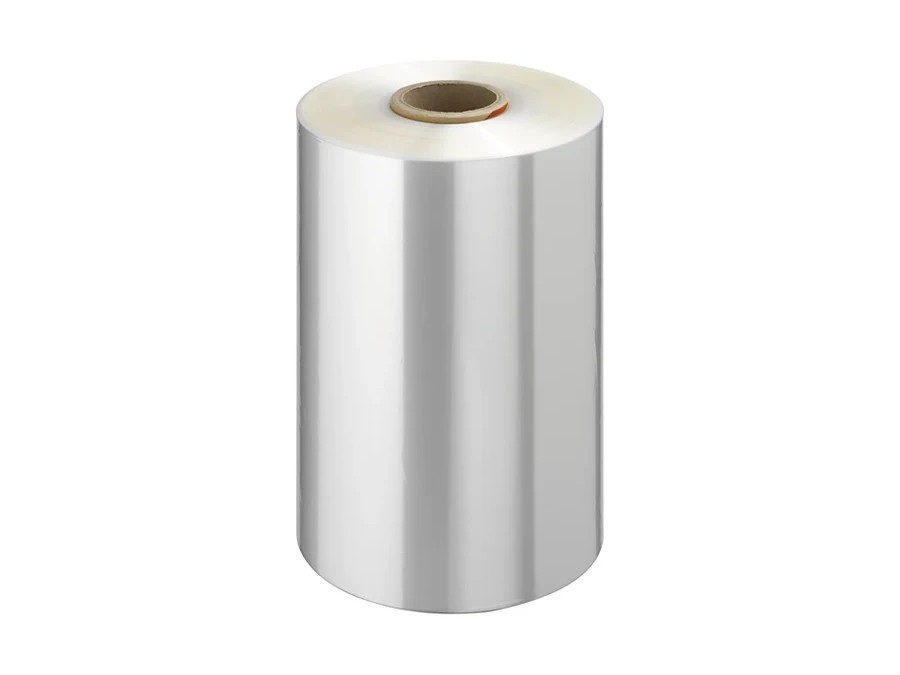
300mm centrefold, retail pack roll · Material: Polyolefin
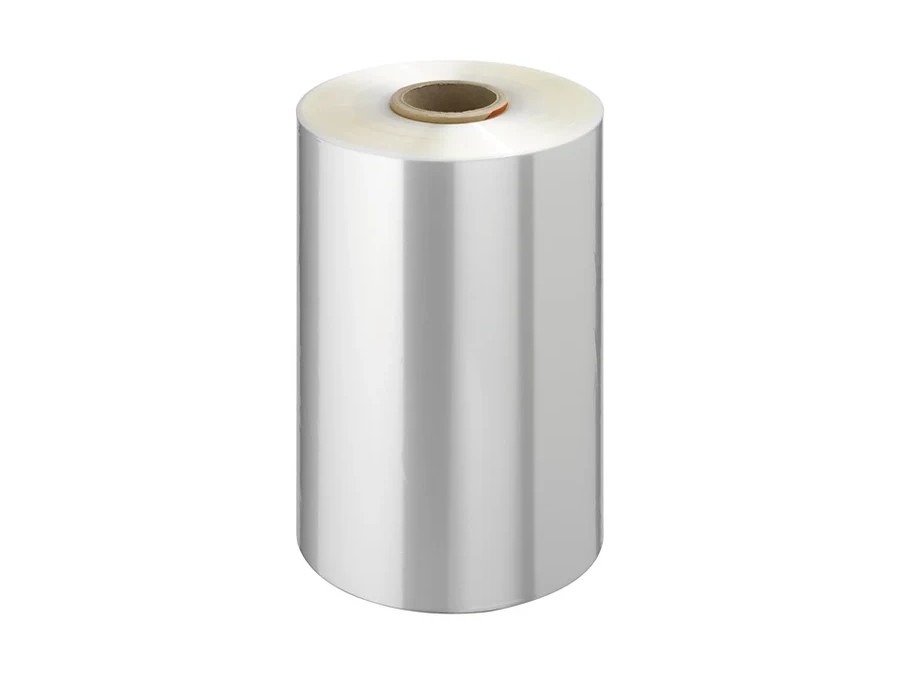
350mm centrefold, retail pack roll · Material: Polyolefin
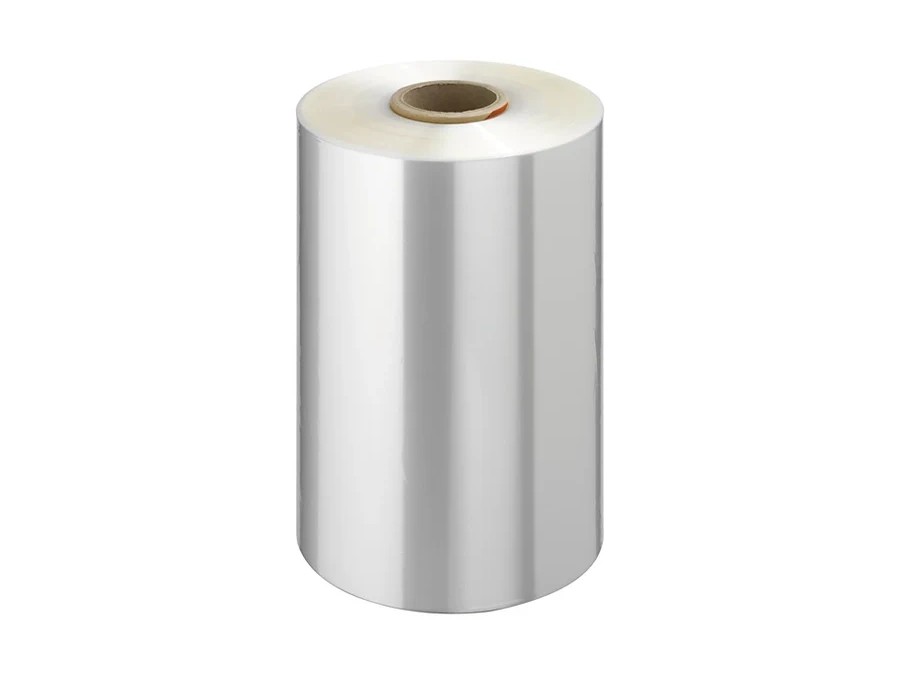
400mm centrefold, retail pack roll · Material: Polyolefin
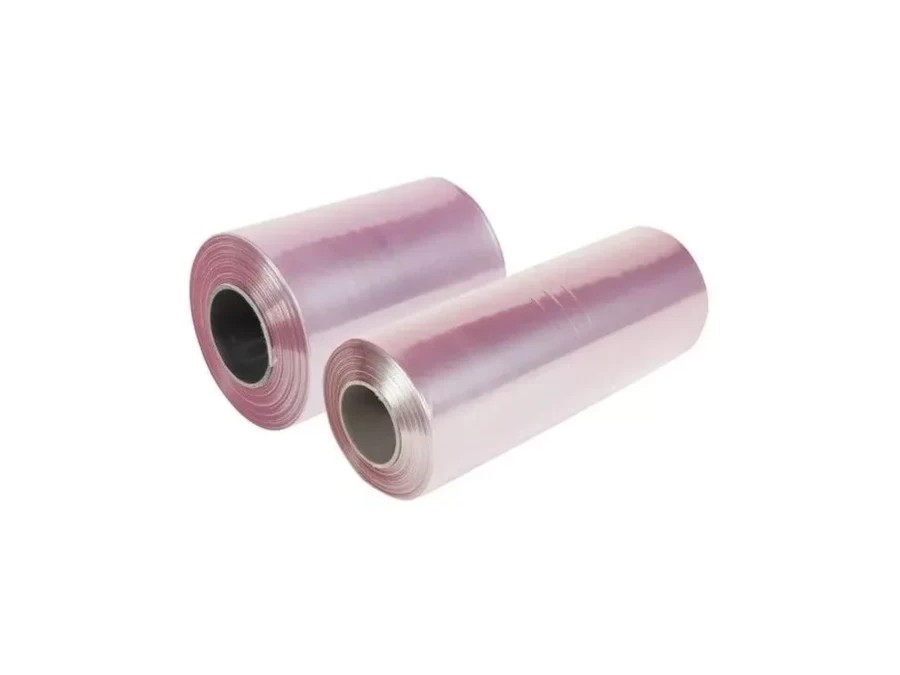
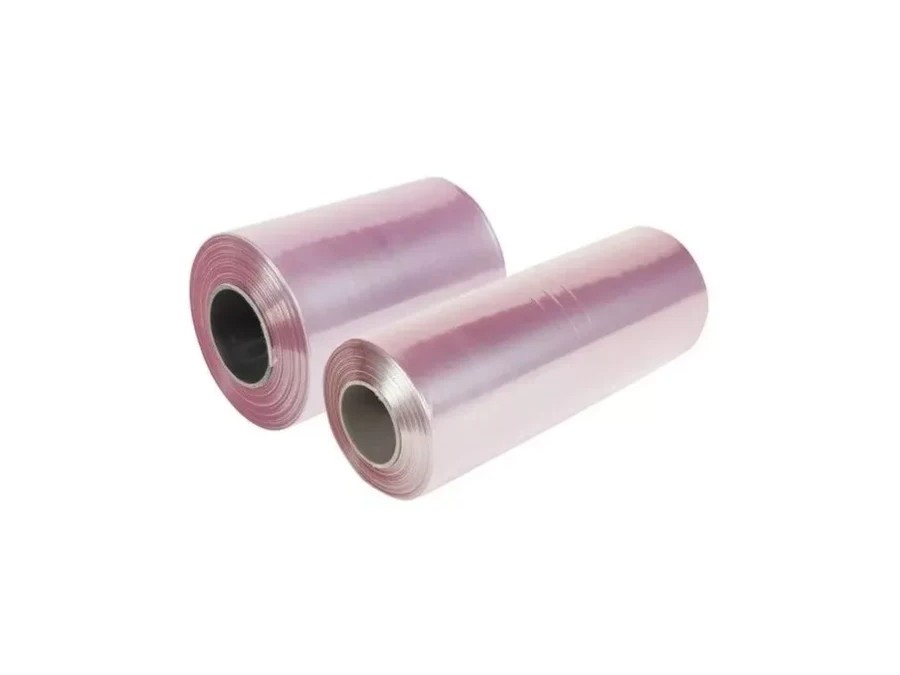
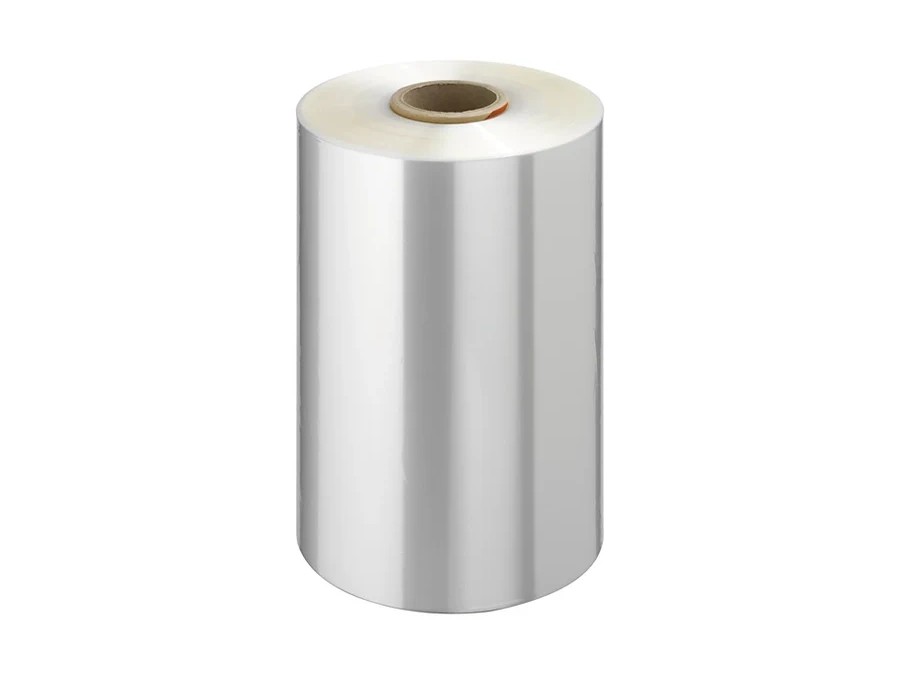
250mm, 15mu, centrefold · Material: Polyolefin
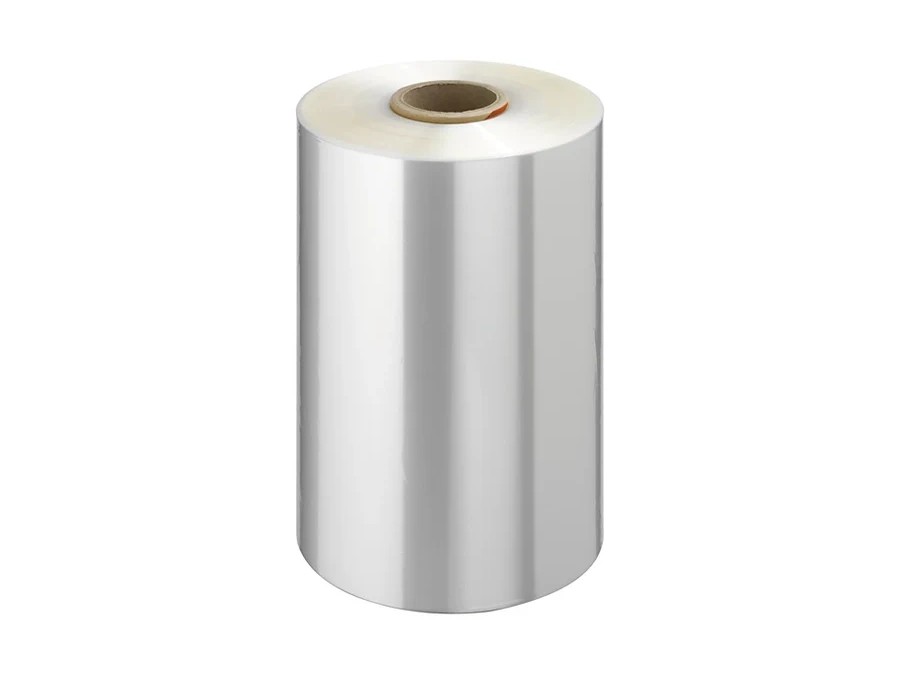
300mm, 15mu, centrefold · Material: Polyolefin
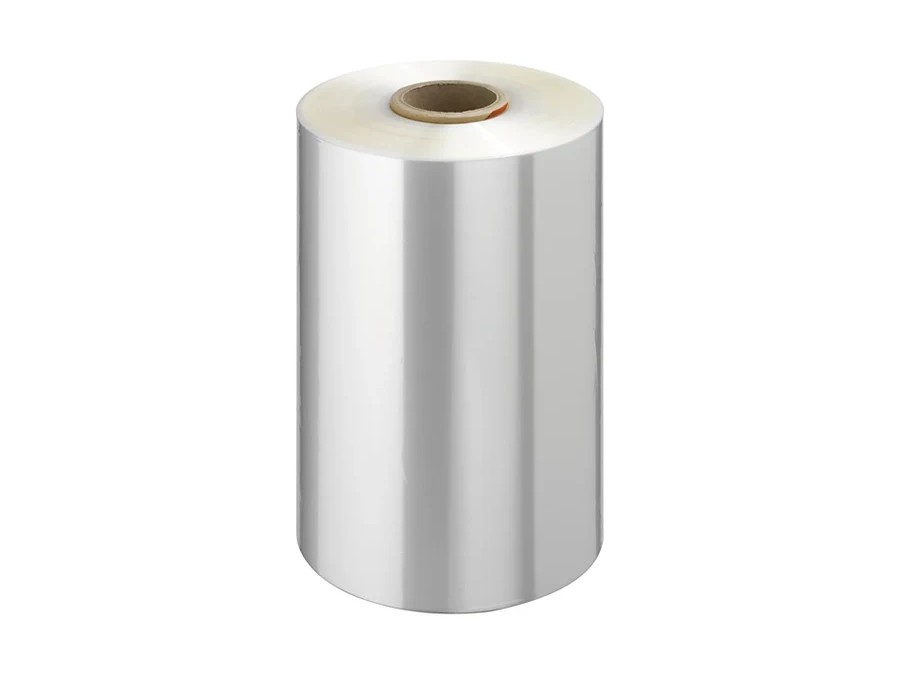
350mm, 15mu, centrefold · Material: Polyolefin
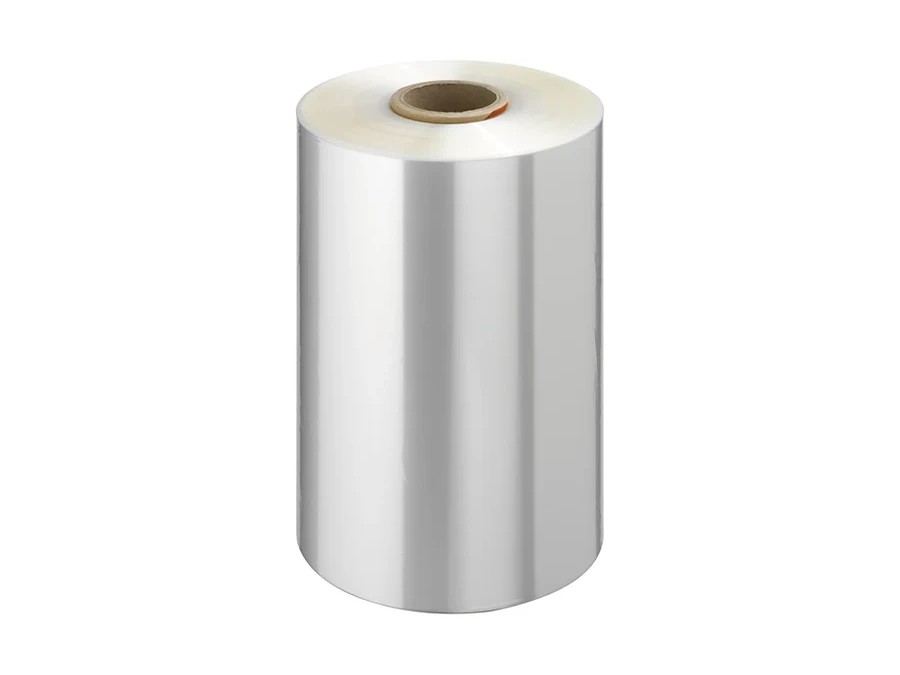
400mm, 19mu, centrefold · Material: Polyolefin
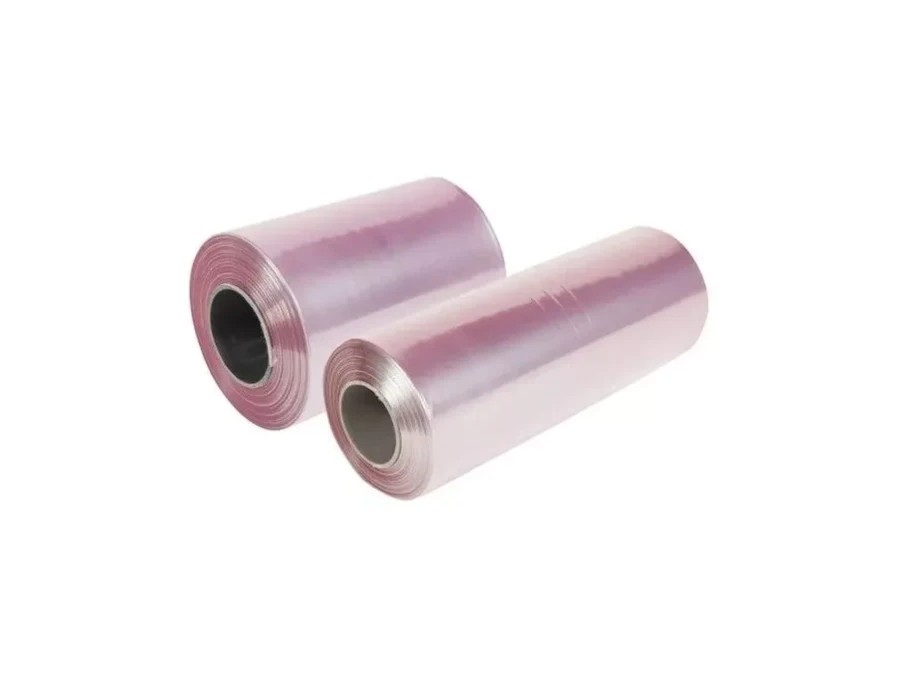
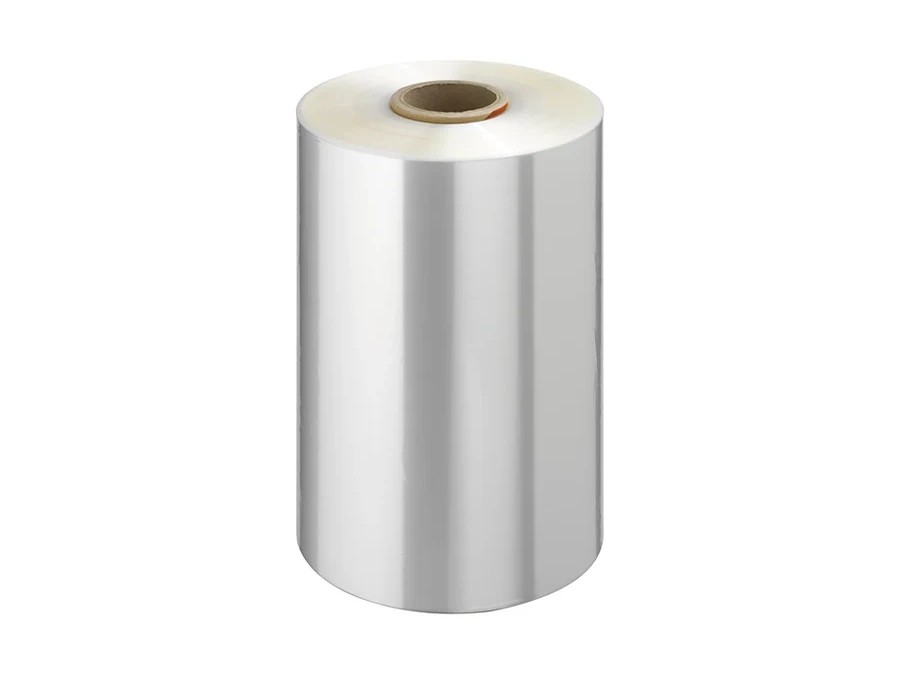
450mm x 425m, roll format · Material: Shrink film
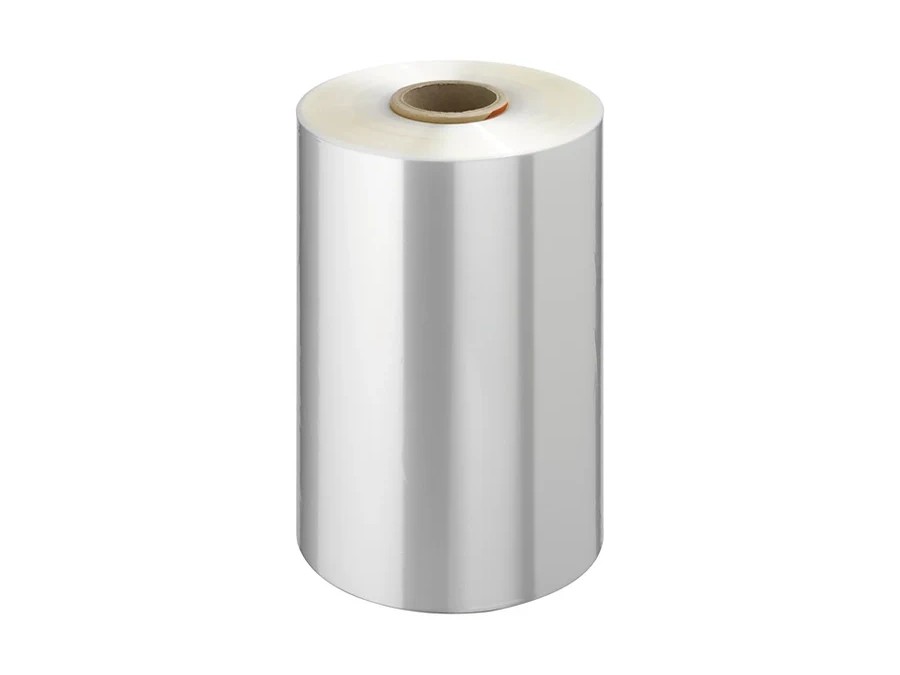
300mm roll; verify length/thickness · Material: Polyolefin
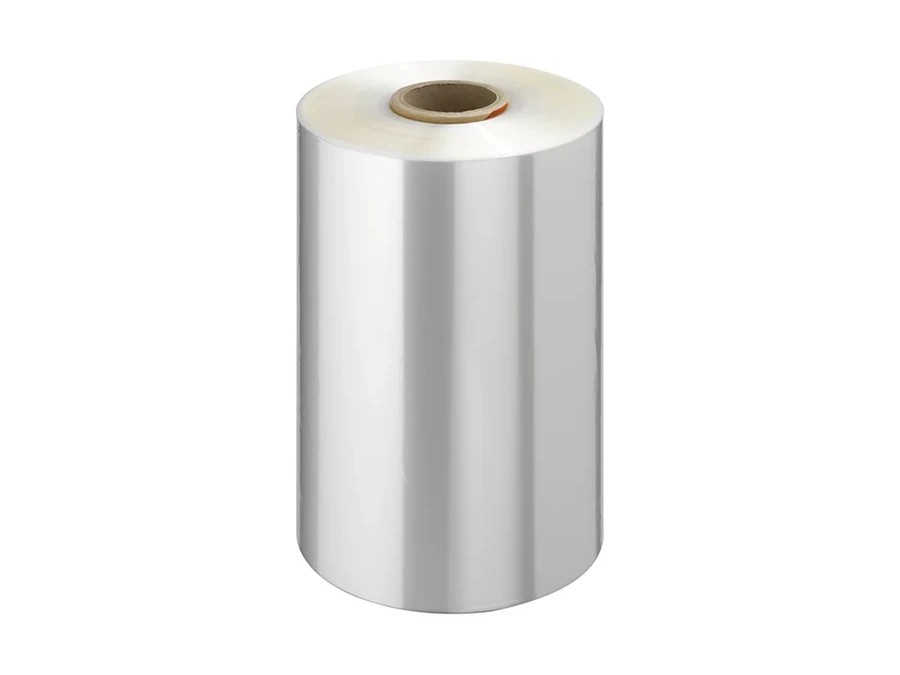
400mm roll; verify length/thickness · Material: Polyolefin
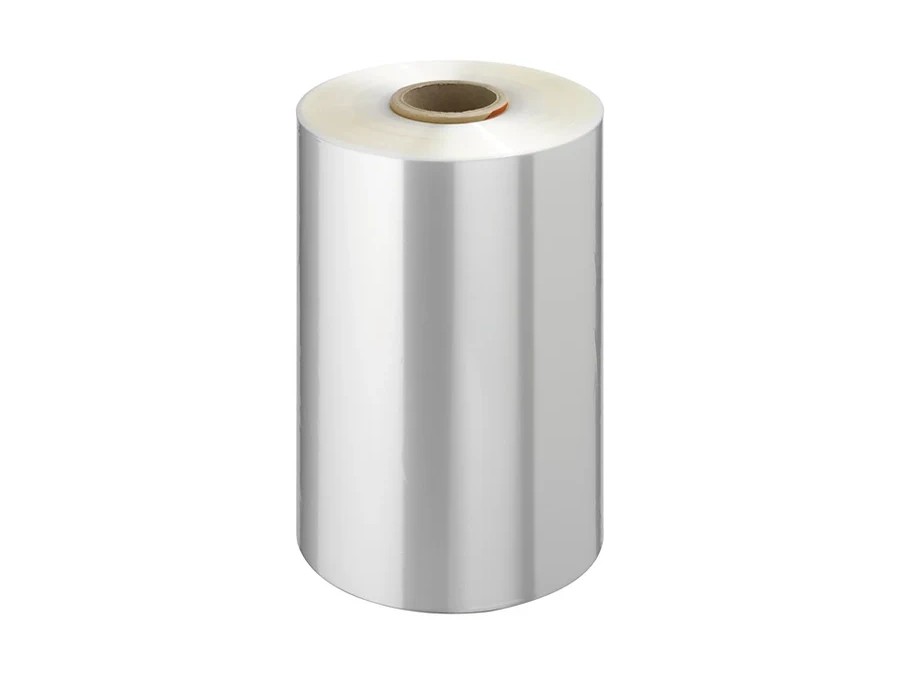
250mm, 15mu, centrefold · Material: Polyolefin
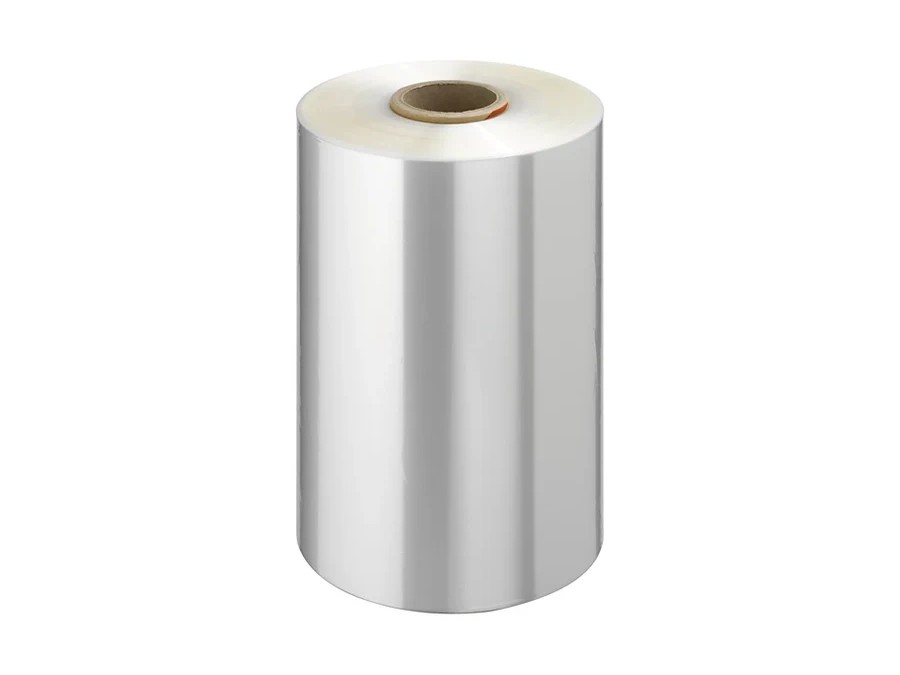
300mm, 19mu, centrefold · Material: Polyolefin
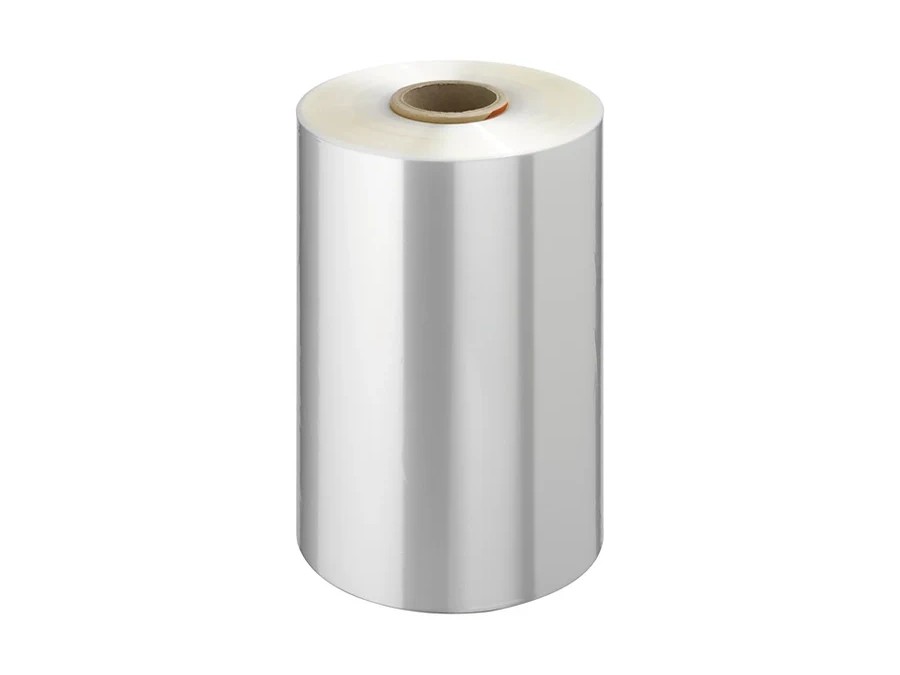
400mm, 15mu, centrefold · Material: Polyolefin
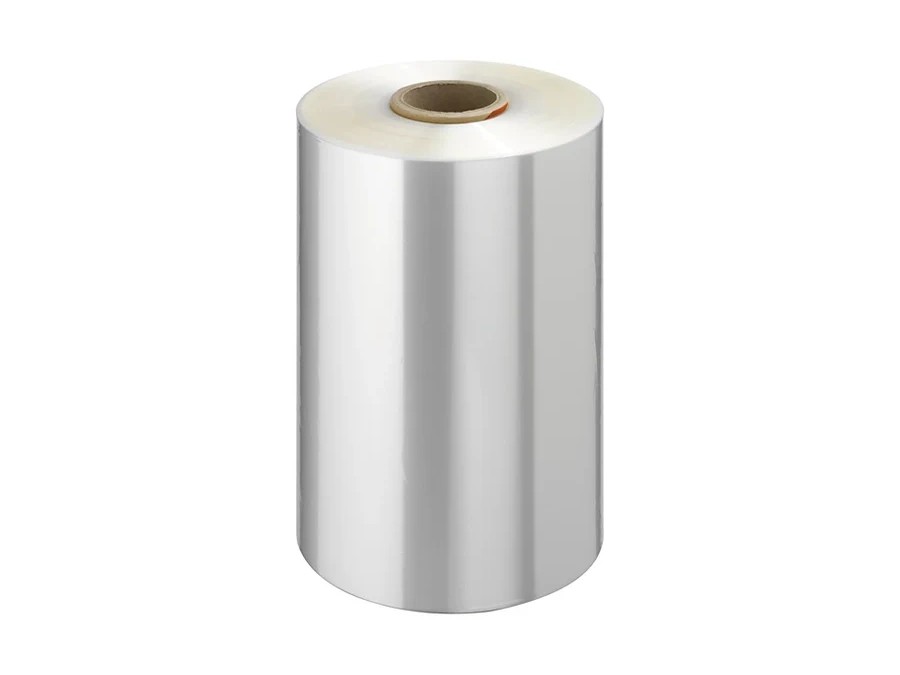
250mm, 15mu, centrefold · Material: Polyolefin/PVC depending listing
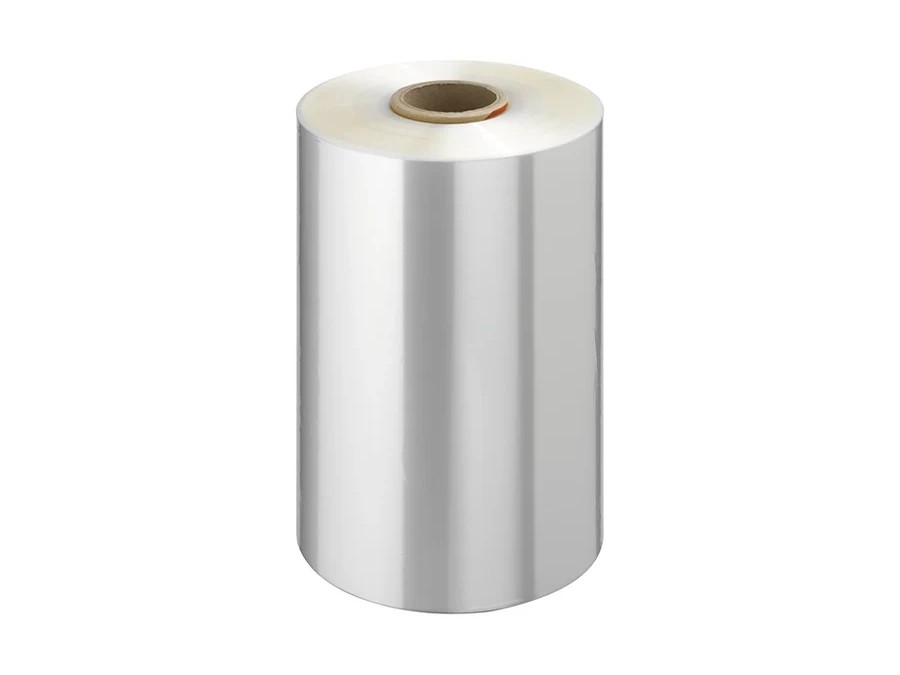
300mm, 15mu, centrefold · Material: Polyolefin/PVC depending listing
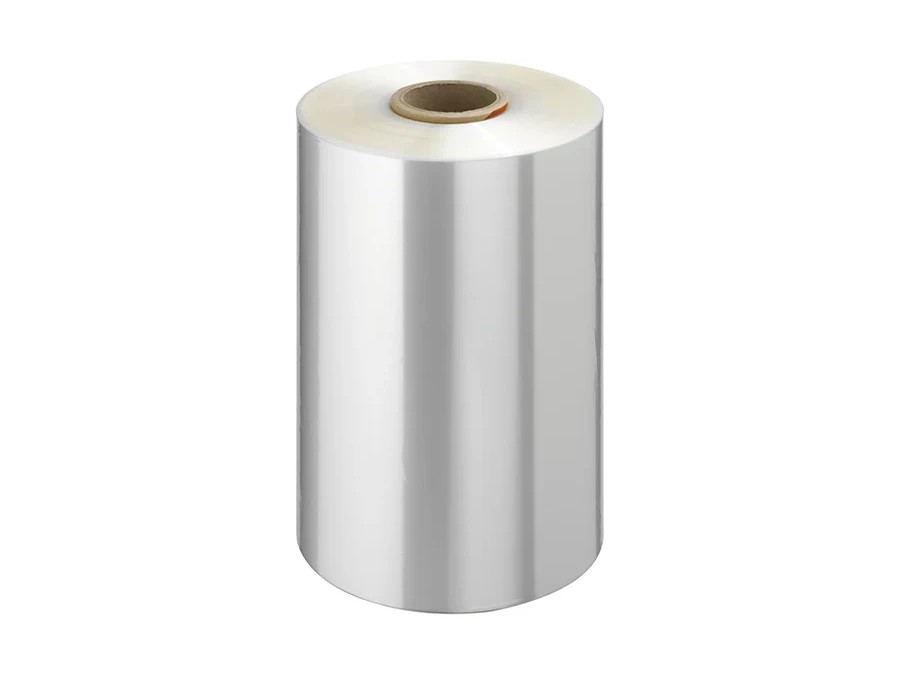
400mm, 19mu, centrefold · Material: Polyolefin/PVC depending listing
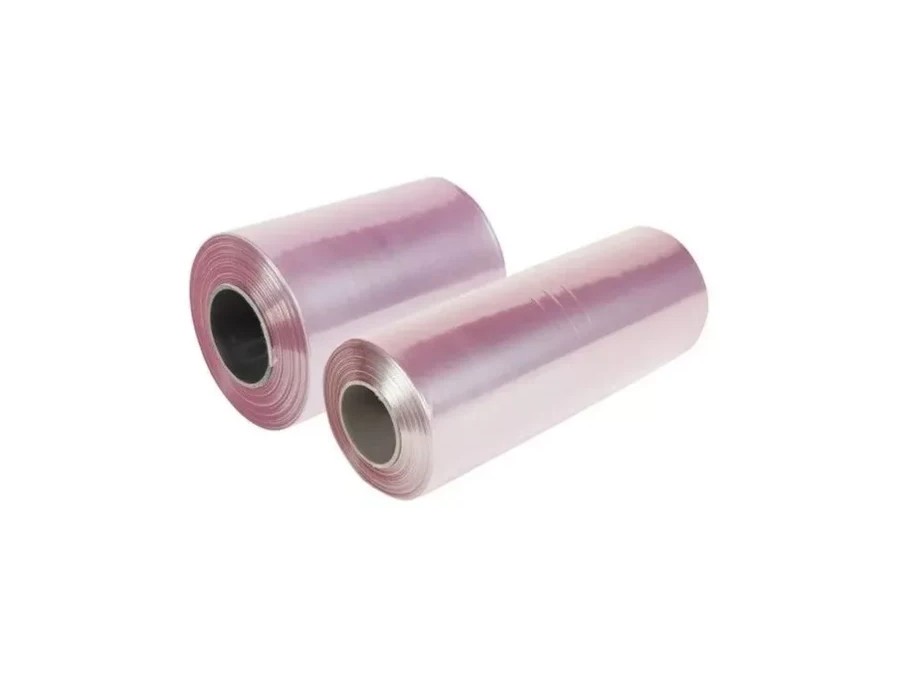
300mm, 19mu, centrefold · Material: PVC
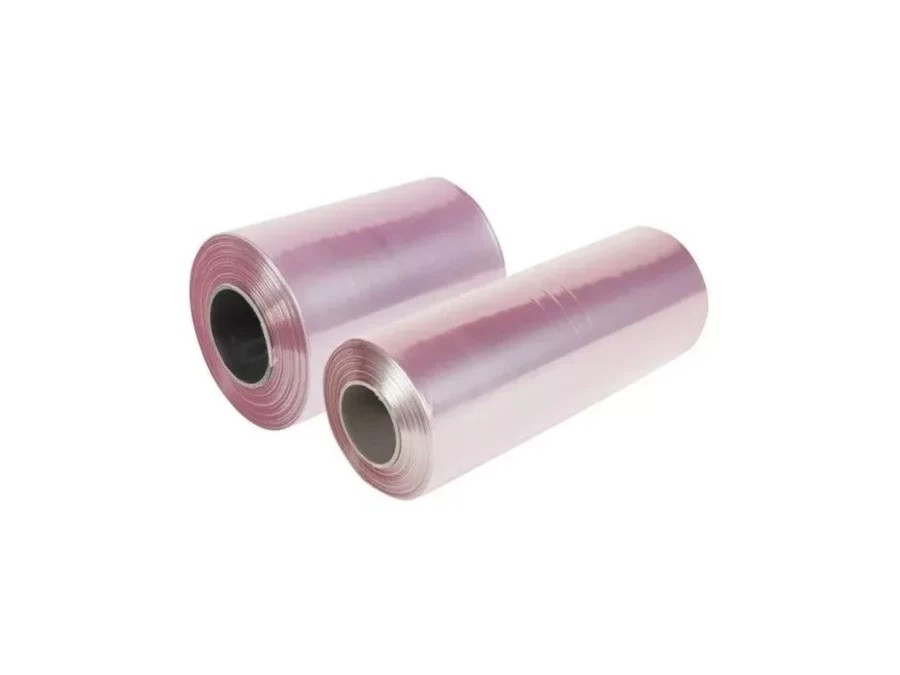
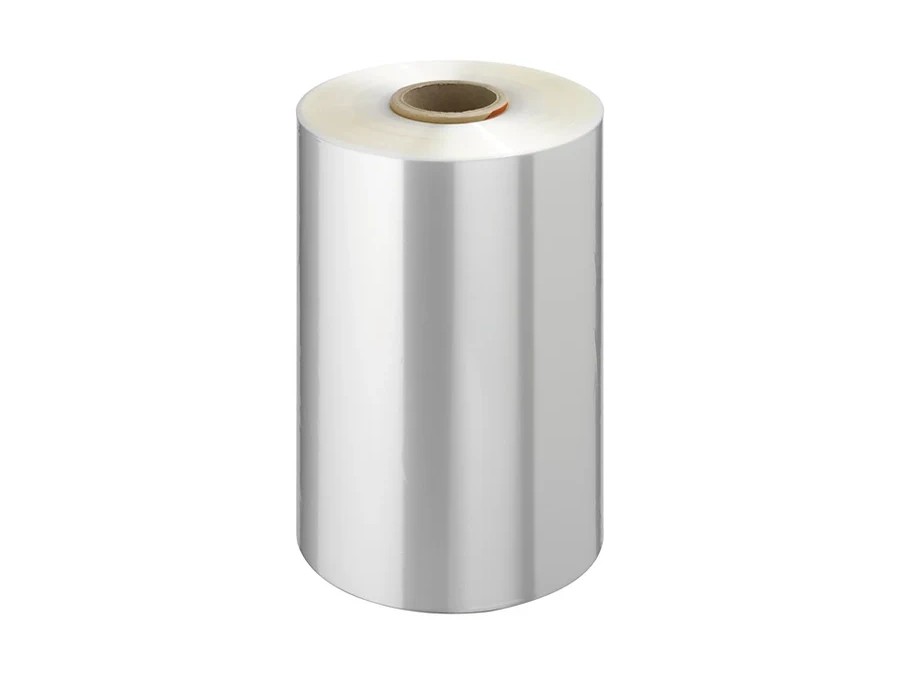
250mm, 15mu, centrefold · Material: Polyolefin
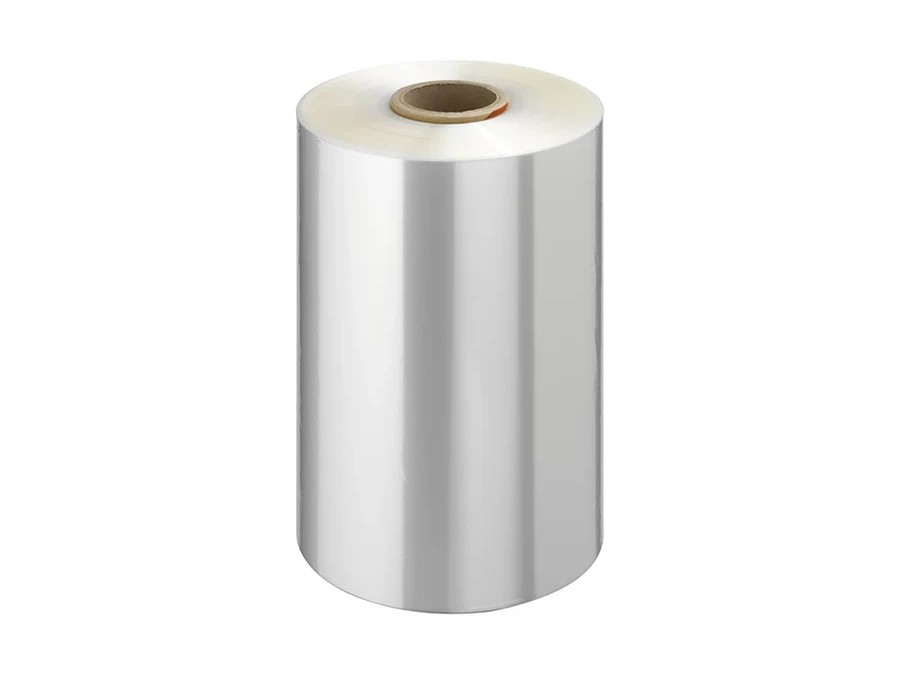
350mm, 15mu, centrefold · Material: Polyolefin
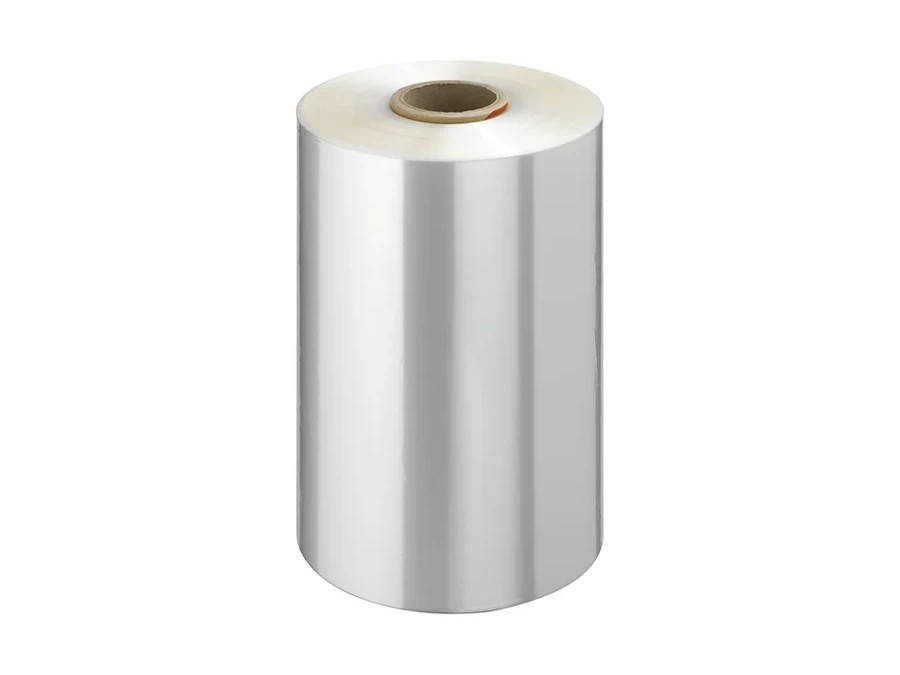
2m/4m width; 150 micron; 25kg roll · Material: LDPE/polythene shrink film
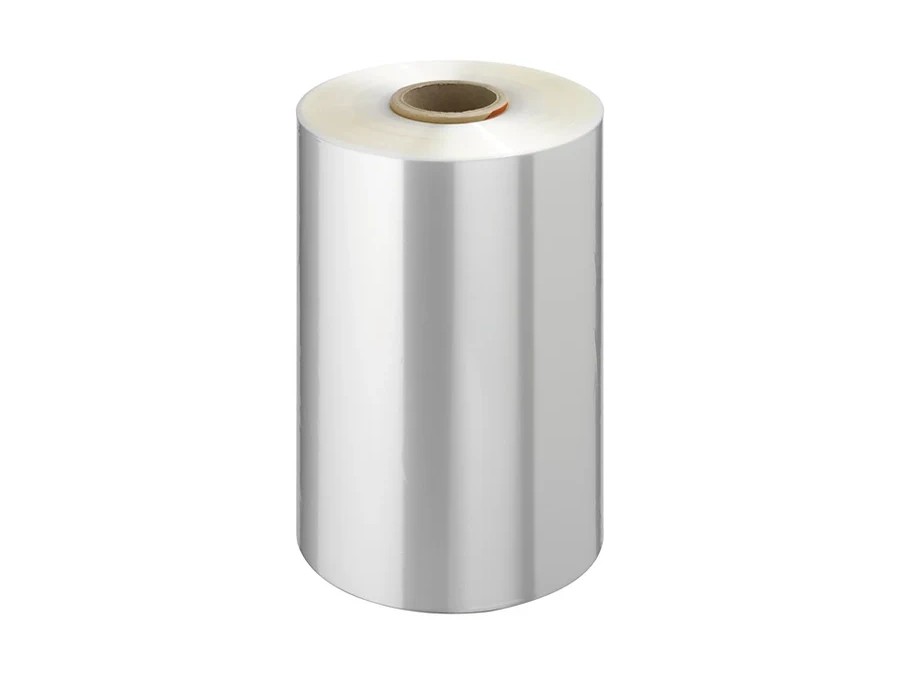
1m/2m width; 100 micron; 25kg roll · Material: LDPE/polythene shrink film
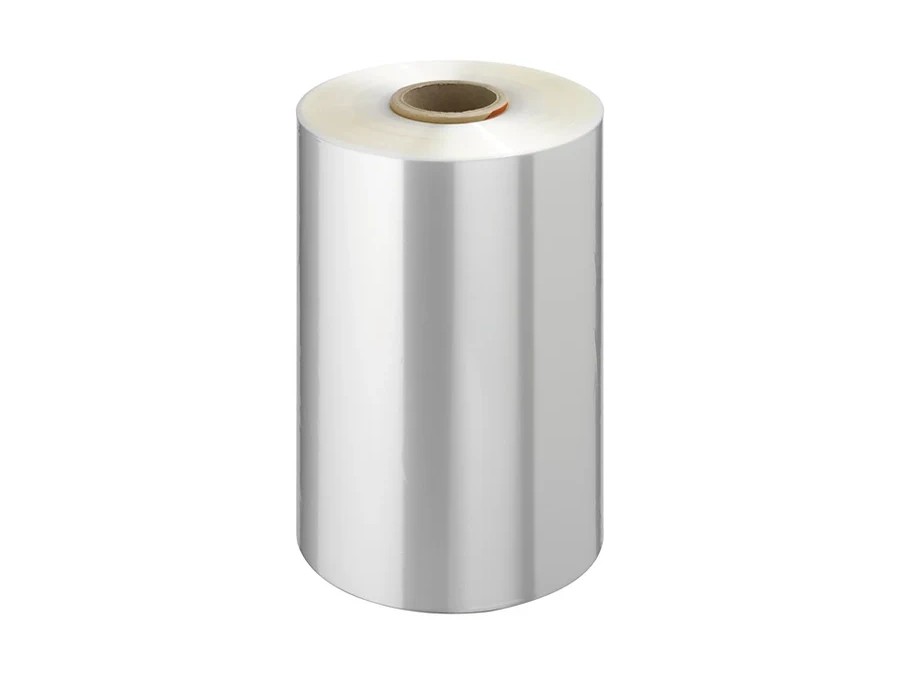
1.5m/3m width; 100 micron; 25kg roll · Material: LDPE/polythene shrink film
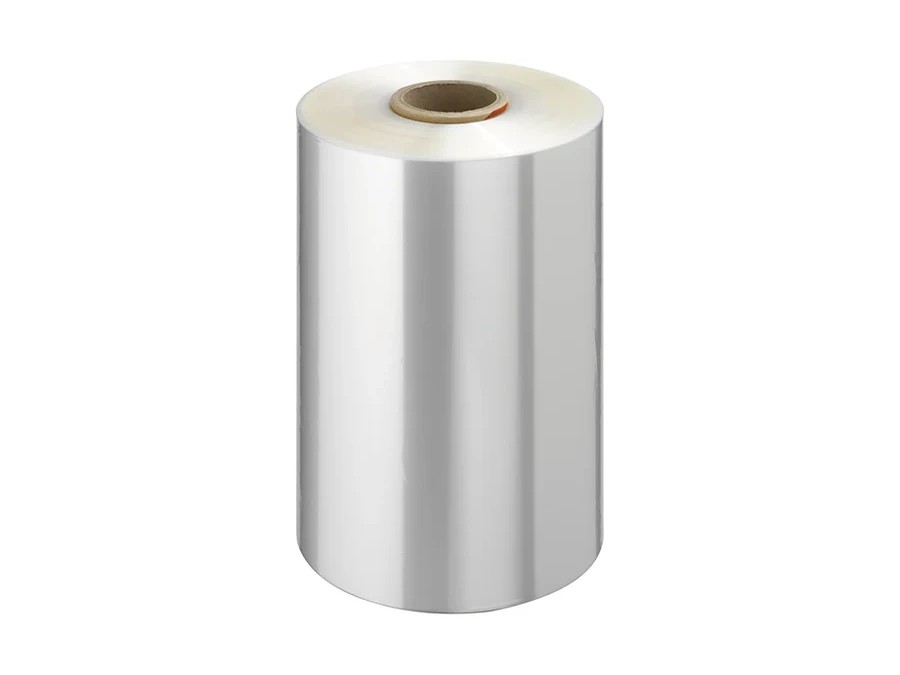
250mm tubing; 125 micron · Material: LDPE/polythene shrink tubing
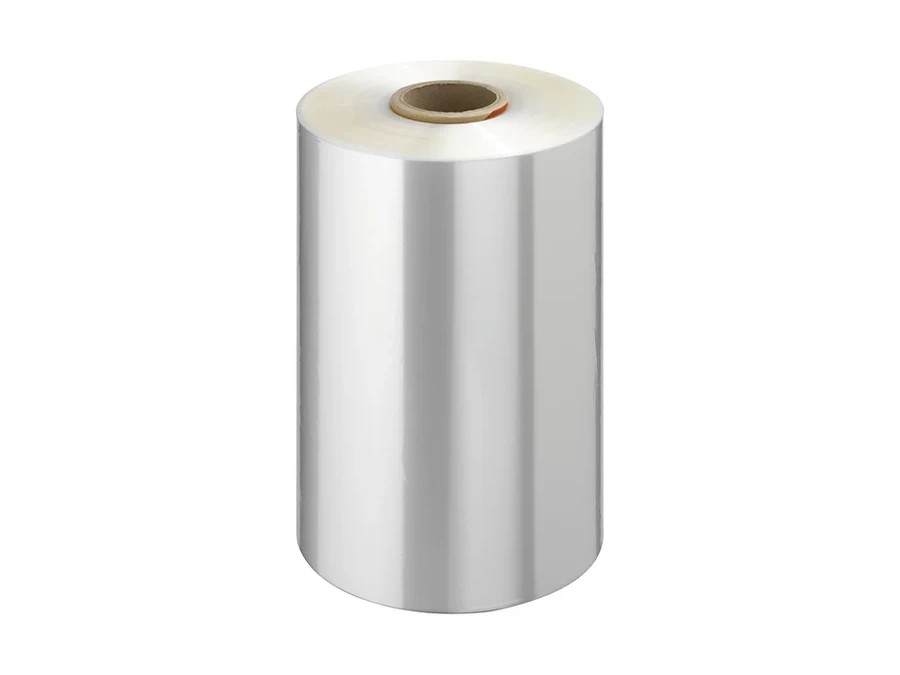
500mm tubing; 125 micron · Material: LDPE/polythene shrink tubing
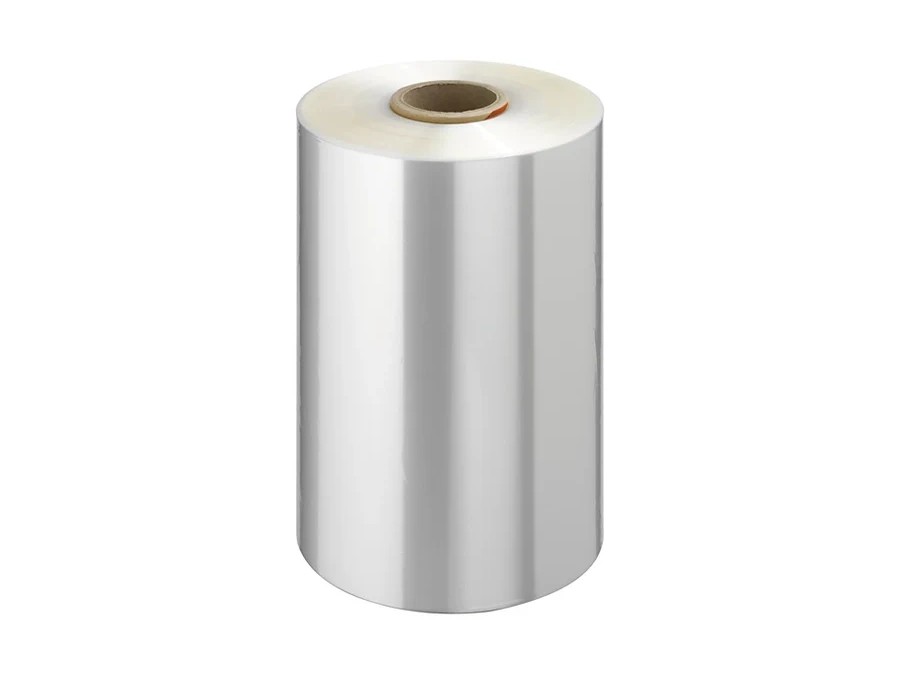
1250 x 850mm cover size · Material: LDPE shrink cover
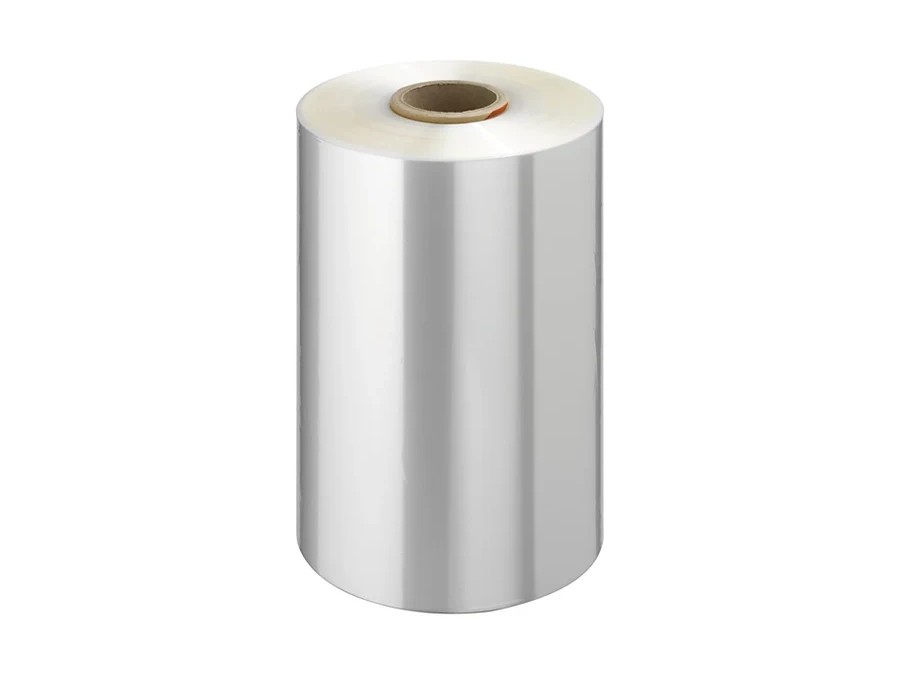
1450 x 1000mm cover size · Material: LDPE shrink cover
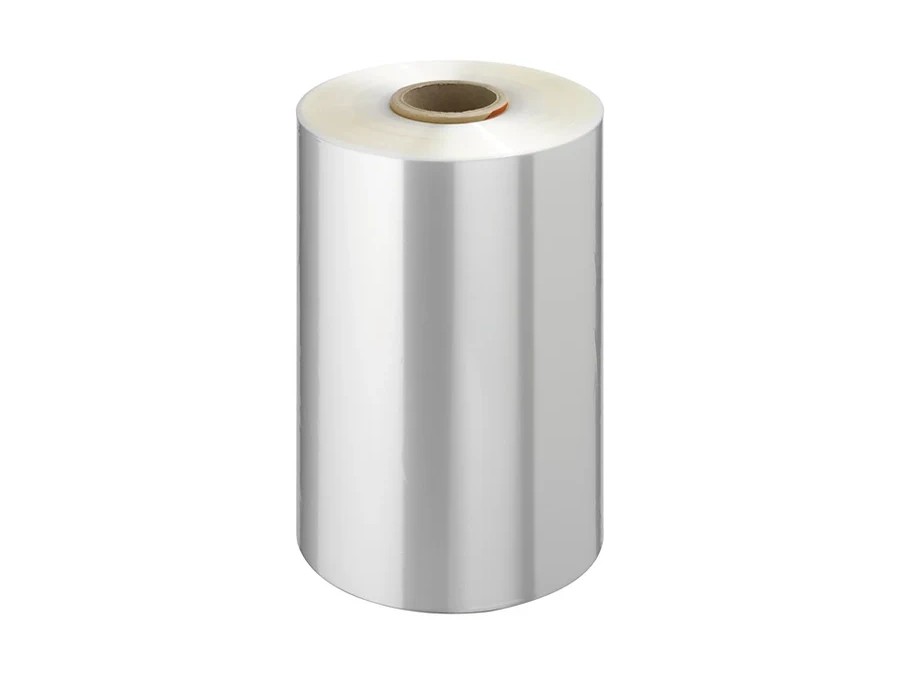
500mm, 19mu, centrefold · Material: Polyolefin
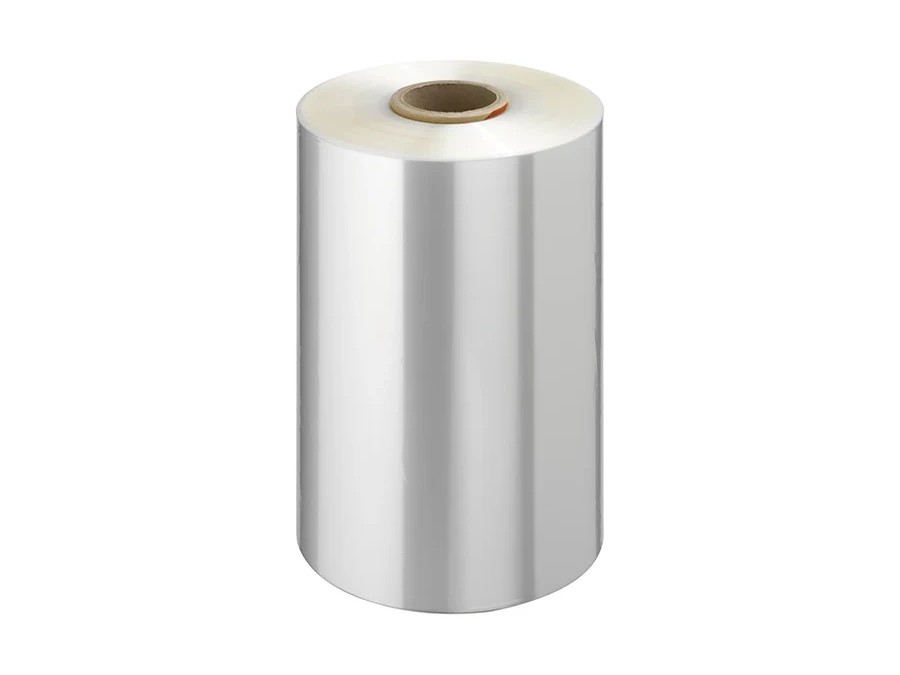
600mm, 19mu, centrefold · Material: Polyolefin
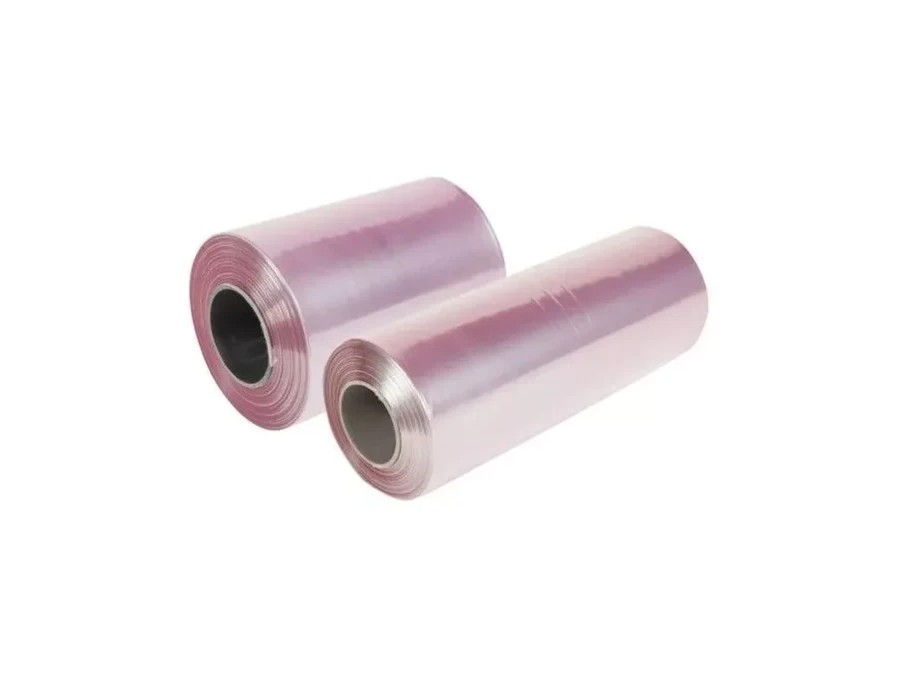
300mm/600mm; 600m; 19mu; 2-roll pack · Material: High clarity PVC
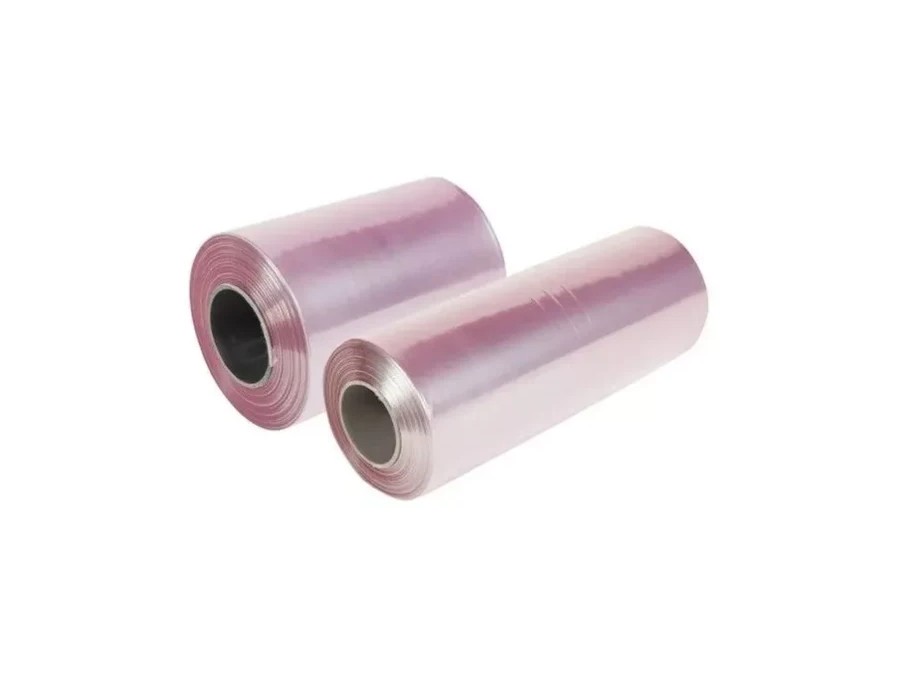
400mm/800mm; 600m; 19mu; 5-roll pack · Material: High clarity PVC
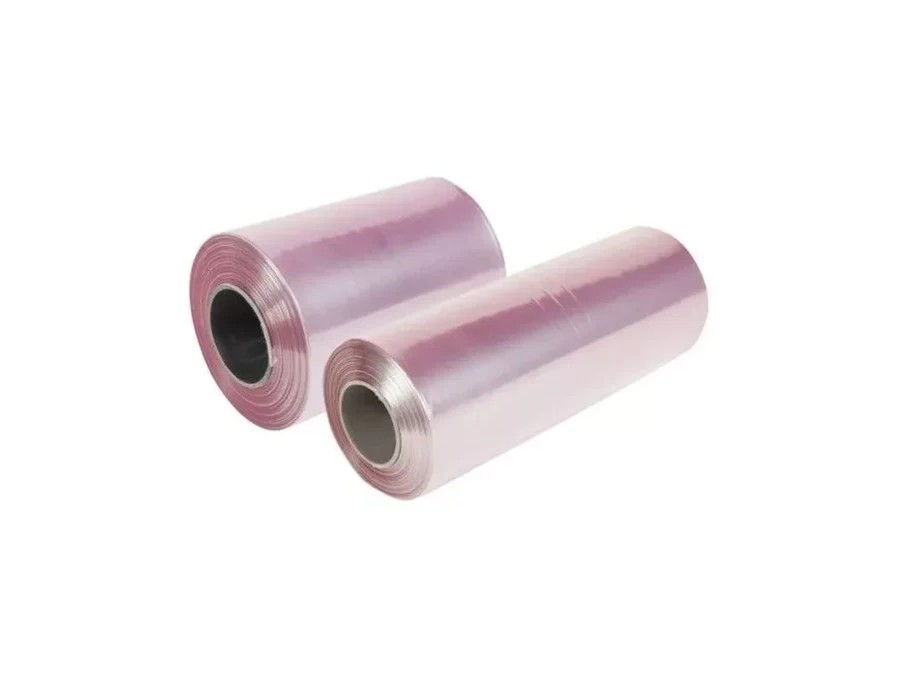
450mm/900mm; 600m; 19mu; 10-roll pack · Material: High clarity PVC
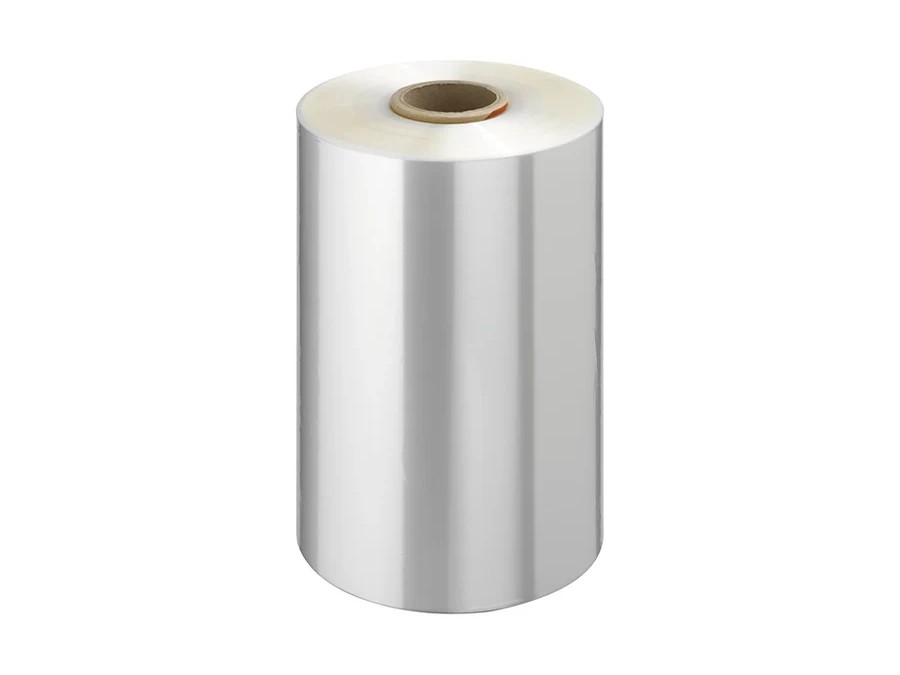
500mm x approx 1335m; 15mu · Material: Polyolefin
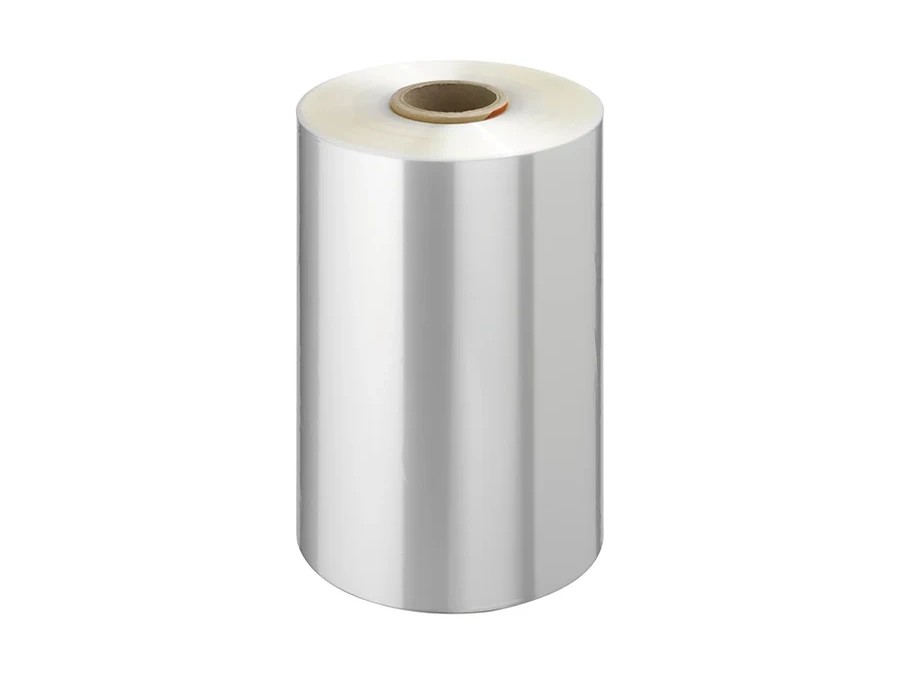
600mm x approx 1070m; 19mu · Material: Polyolefin
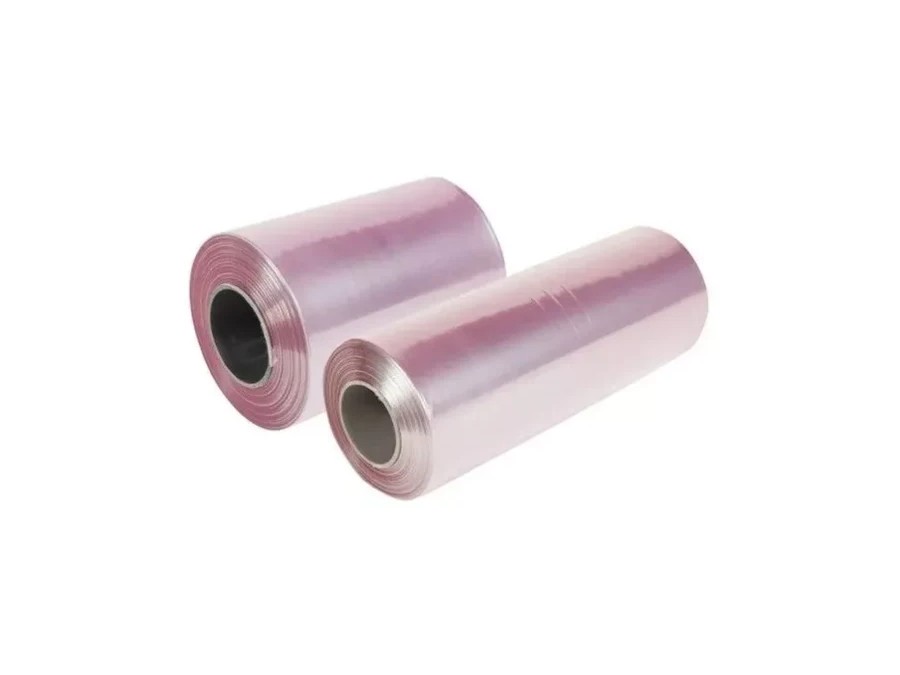
300mm roll; verify length/thickness · Material: PVC
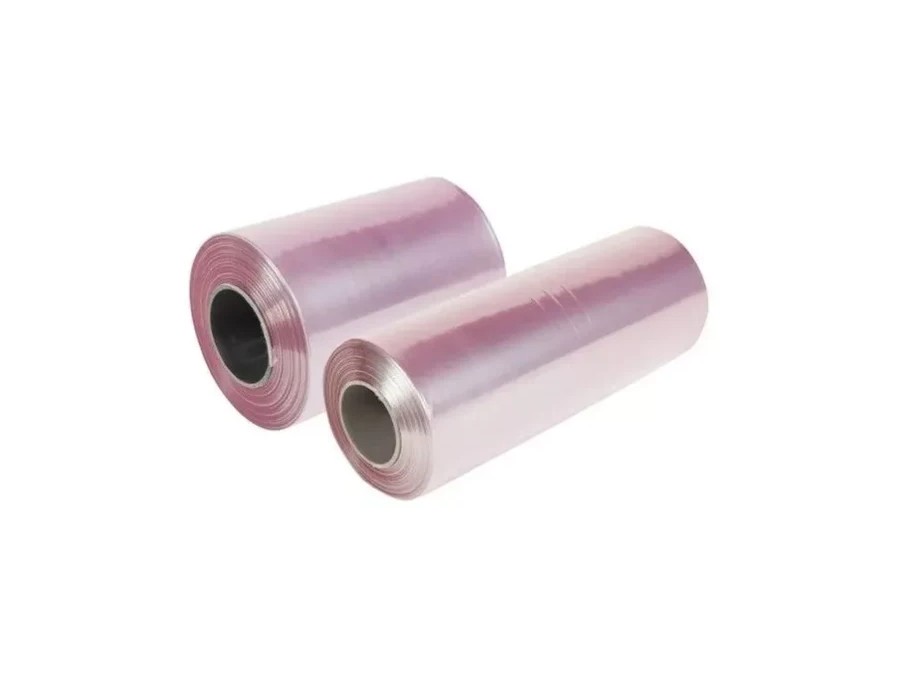
500mm roll; verify length/thickness · Material: PVC
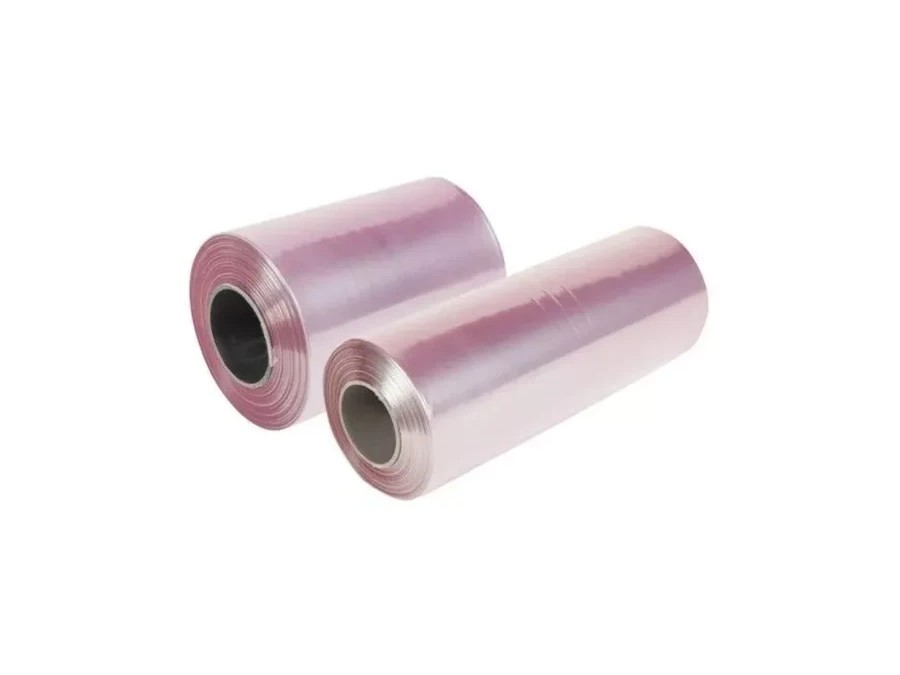
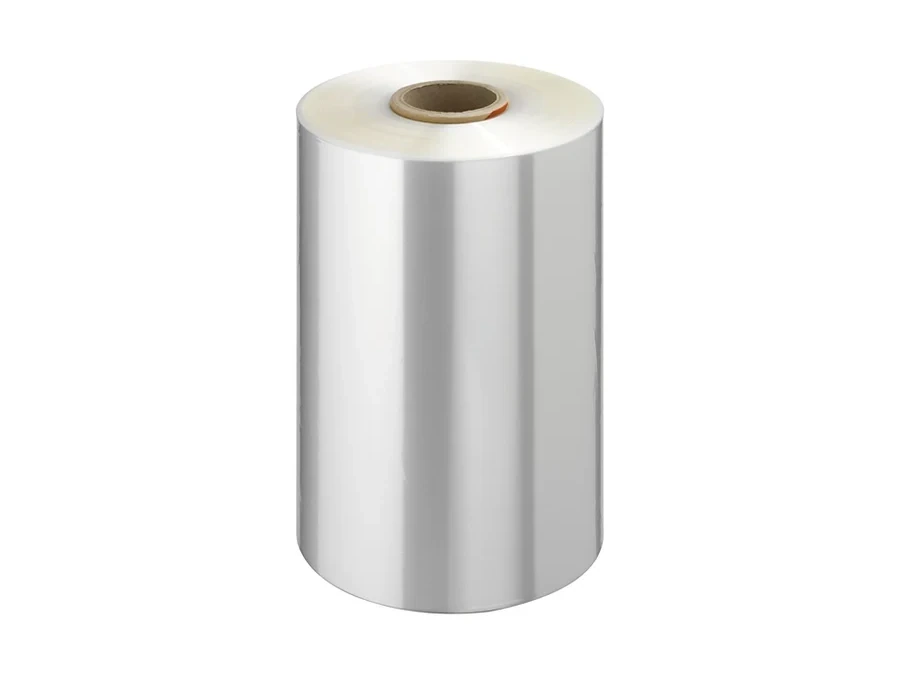
Range: clear shrink film rolls · Use case: wrapping, bundling and protective presentation
Range: shrink film for bottle multipacks · Use case: multipack collation and transport-ready bundling
Shrink film selection is a balance between pack geometry, film construction, sealing and shrinking equipment, presentation, protection and material use. Polyolefin, PVC, LDPE and other shrink films are not interchangeable. The exact grade, gauge, width, fold, shrink behaviour and sealing window must suit the product and machine.
Provide the product dimensions, weight, shape, sharp edges, heat sensitivity, number of items per bundle and required finish. A retail display pack may prioritise clarity and appearance; a transport bundle may prioritise load containment and puncture resistance. Ventilation, perforation or printed film can introduce additional requirements.
Identify whether the film is centre-folded, single wound or supplied for another process, together with roll width, open width, gauge, core and maximum roll diameter. Confirm the sealing system, tunnel dimensions, air flow and temperature controls. Trials should establish seal quality, shrink distribution, distortion, holes, edge appearance and product temperature under defined settings.
A lower gauge may reduce material per pack, but it must still seal and shrink consistently and survive distribution. The correct comparison uses the approved film weight per pack, rejected or reworked packs, energy and operating settings, product damage and any secondary packaging that can be removed or added. Recycled-content or recyclability statements need evidence for the exact film grade and intended collection context; the polymer family alone is not sufficient.
| Trial variable | Record |
|---|---|
| Film | Material, grade, gauge, width, fold, roll length, core and supplier lot. |
| Pack | Dimensions, weight, arrangement, edges, temperature sensitivity and presentation target. |
| Seal | Jaw or wire type, temperature or power setting, dwell and cooling. |
| Shrink | Tunnel zones, conveyor speed, air flow and measured product exposure where required. |
| Acceptance | Seal integrity, appearance, containment, holes, distortion, rework and line output. |
| Evidence | Current declaration for any recycled-content or end-of-life wording. |
For repeatable changeover, record the film path, roll orientation, centre-fold position, perforation, seal-head setting, tunnel recipe and conveyor speed for each approved format. Inspect seal wires or jaws, belts, air circulation and temperature sensing as part of routine maintenance. Film tracking, static, blunt or contaminated sealing components and uneven tunnel air can create faults that appear to be material problems.
Common failures include open seals, burn-through, dog ears, balloons, holes, wrinkles, crushed products and uneven shrink. The trial record should separate film grade or gauge effects from machine settings and pack geometry. Where heat exposure, material use or presentation cannot be made acceptable, compare another film grade, paper or board banding, case packing, stretch wrapping or no secondary wrap, provided the alternative still meets containment, protection and logistics requirements.
Review the polyolefin heat-shrink film example
Review the polyolefin heat-shrink film example, browse bottles and pouches that may require secondary packing, and use the compatibility guide to plan a machine trial.
A film-reduction project should compare accepted packs, not nominal gauge alone. The useful result combines actual film weight, seal and shrink performance, machine settings, rejects, product protection and the verified collection context for the used film.
| Trial stage | Control | Evidence retained |
|---|---|---|
| Baseline | Current approved film, pack and machine recipe | Film weight per accepted pack, reject causes and distribution result |
| Candidate setup | Exact grade, gauge, width, fold, core and supplier lot | Data sheet, declaration, roll identification and initial settings |
| Seal and shrink window | Planned low, nominal and high process conditions | Seal integrity, burn-through, holes, wrinkles, distortion and product exposure |
| Production run | Representative duration and normal operators | Output, stoppages, film tracking, rejects, rework and changeover notes |
| Distribution check | Normal case, pallet and transport route | Containment, puncture, scuffing, opening and presentation result |
Use the roll specification and measured consumption to determine film used for accepted packs, then account for setup waste, rejected packs and rework. A candidate that is lighter per wrap but unstable in the tunnel may not reduce total use. Keep energy or carbon comparisons separate unless the method, boundary and data are genuinely comparable.
Polyolefin, PVC and LDPE describe broad polymer families, not a complete end-of-life outcome. Record grade, additives, print, labels or tape, product contamination, whether the user is a household or business, and the realistic collection arrangement. Recheck the source and date before publishing disposal wording.
It reduces material per unit only if the pack still seals, shrinks, protects and distributes acceptably. Extra rejects, rework, damage or added secondary packaging must be included in the comparison.
No. Film grade, gauge, pack size, conveyor speed, air flow, seal construction and product heat sensitivity interact. Establish and record a controlled recipe for each approved combination.
Record film weight per accepted pack, seal defects, holes, distortion, appearance, containment, rejects, rework, line output, product temperature where relevant and distribution performance.
No. Confirm the exact grade, additives, printing, contamination, user type, collection route and intended market. Commercial and household film routes may differ and can change over time.
Film width, fold, gauge, seal window, shrink response and product heat sensitivity determine the usable specification. Material reduction should be measured against saleable packs after seal failures, distortion and transport damage.
Film grade, gauge, fold, width, pack geometry and machine settings interact; a nominally similar roll is not automatically a direct substitute.
Presentation, tension, seal position, air flow, temperature balance, conveyor speed, pack geometry and film storage can all affect appearance. A machine or product change may expose a narrow process window even with the same roll.
Use the fault guide and record actual conditions.
Match the roll presentation to the sealer and calculate the required web around the complete pack with the intended seal position and allowance. Confirm whether the machine uses centrefold, single wound or another format, plus core and roll limits.
Use physical pack samples and current machine information for the quotation.
Revalidate after film grade, gauge, width, supplier, pack geometry, product arrangement, conveyor or heater changes. Also review settings when seals, shrink pattern or rejects drift.
Record an operating window and accepted pack, not only a single temperature setting.
A film can shrink acceptably in a trial yet fail later through puncture, abrasion, split seals, loose containment or load movement. Approve the actual product bundle, seal, tunnel settings, cooling, case or pallet arrangement and route.
No. Appearance should be combined with seal integrity, containment, product protection, opening and post-distribution condition.
Compare material use and accepted-pack output under the same product, settings and route. Record rejects, rewrap, puncture, seal and distribution results.
Review it after changes to film, product dimensions, bundle pattern, tunnel, seal system, palletisation or distribution route.