Bottles
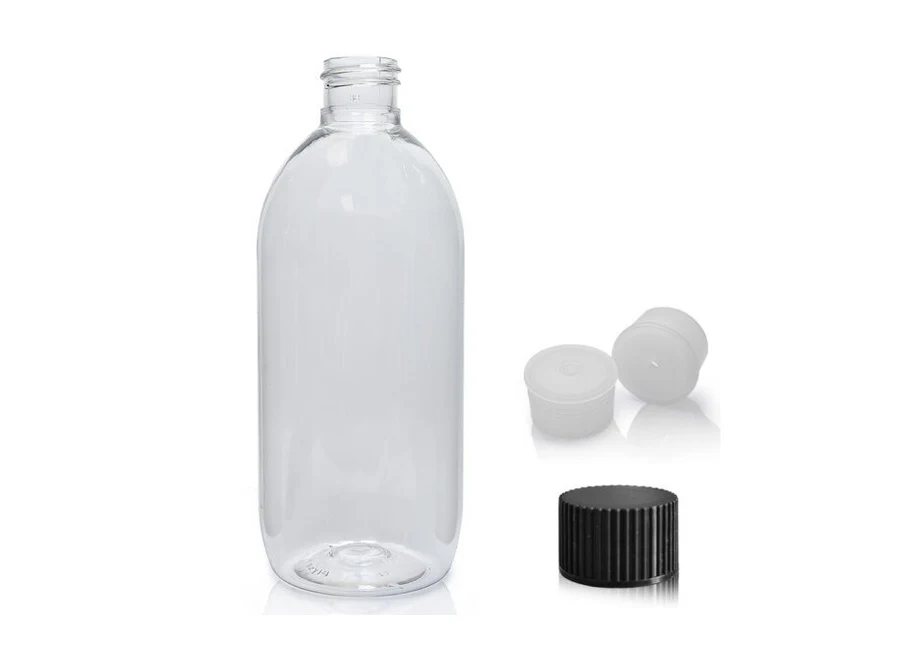
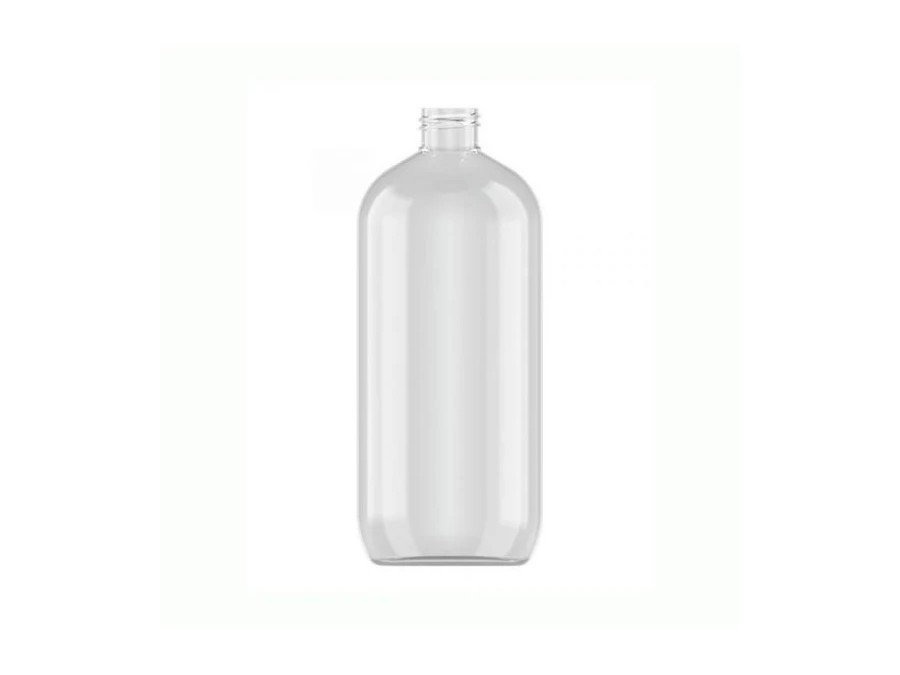
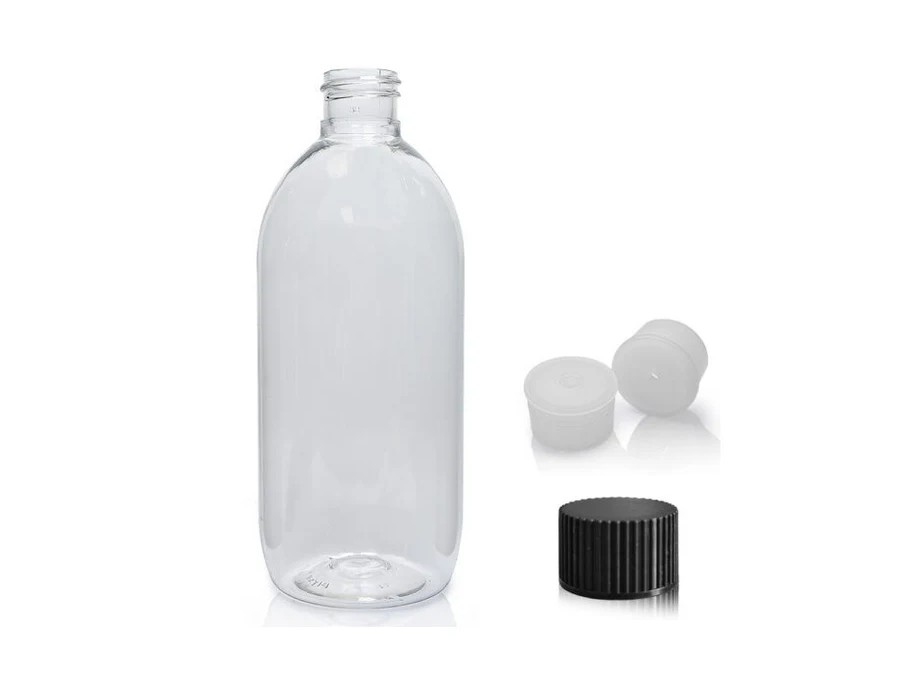
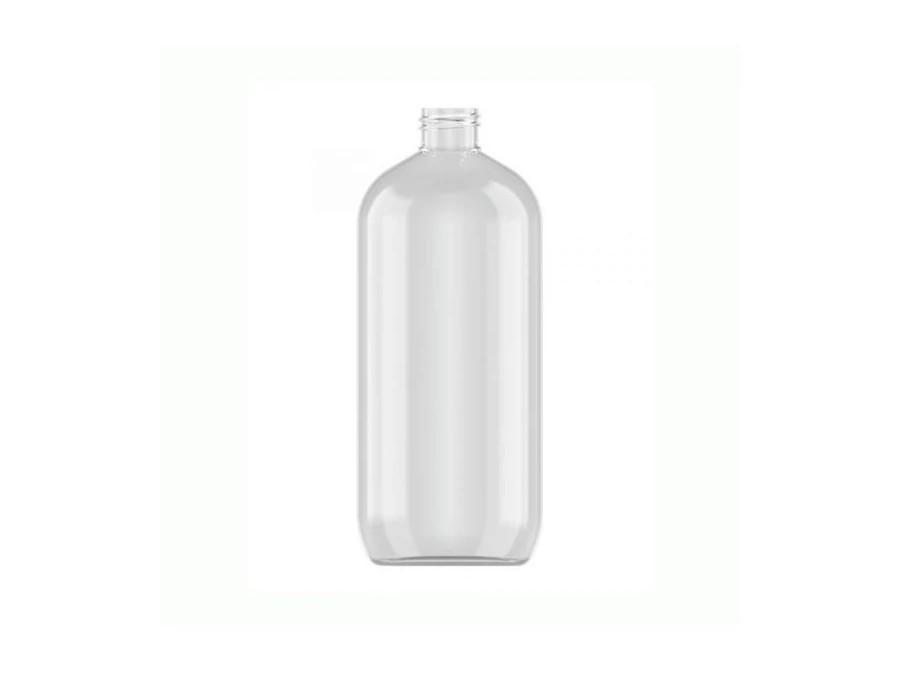
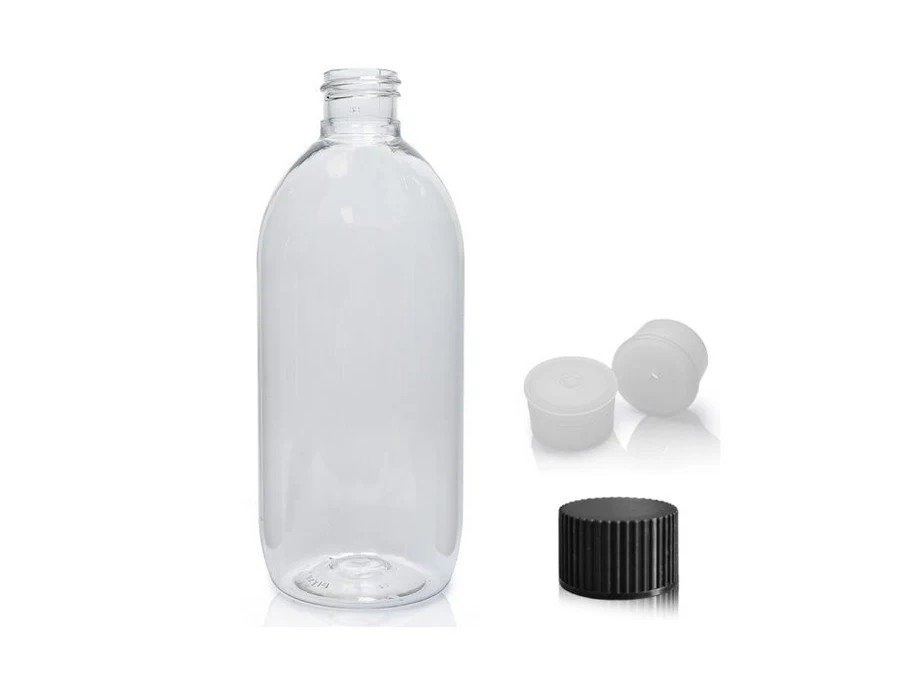
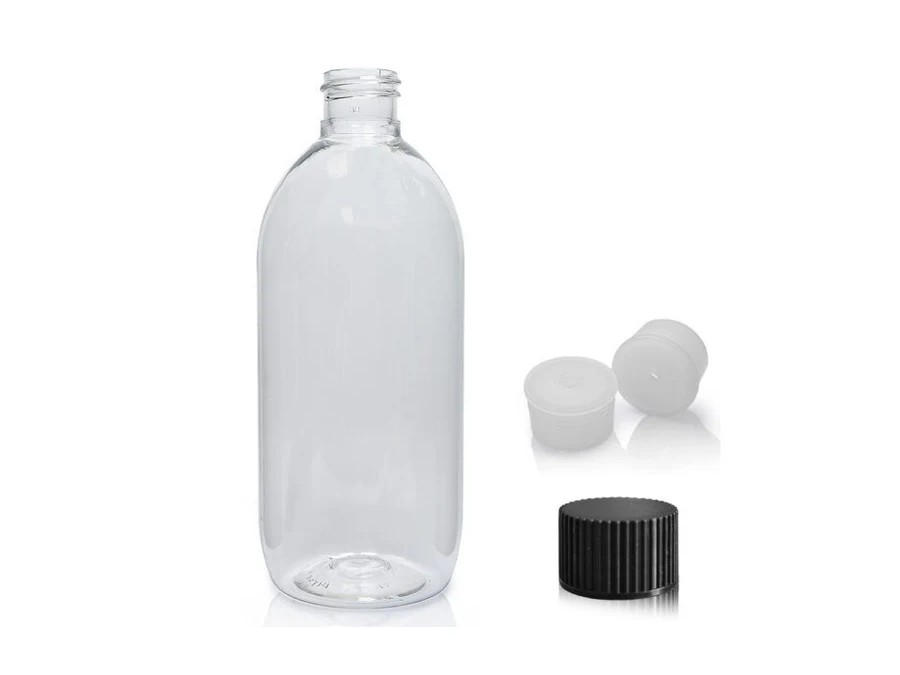
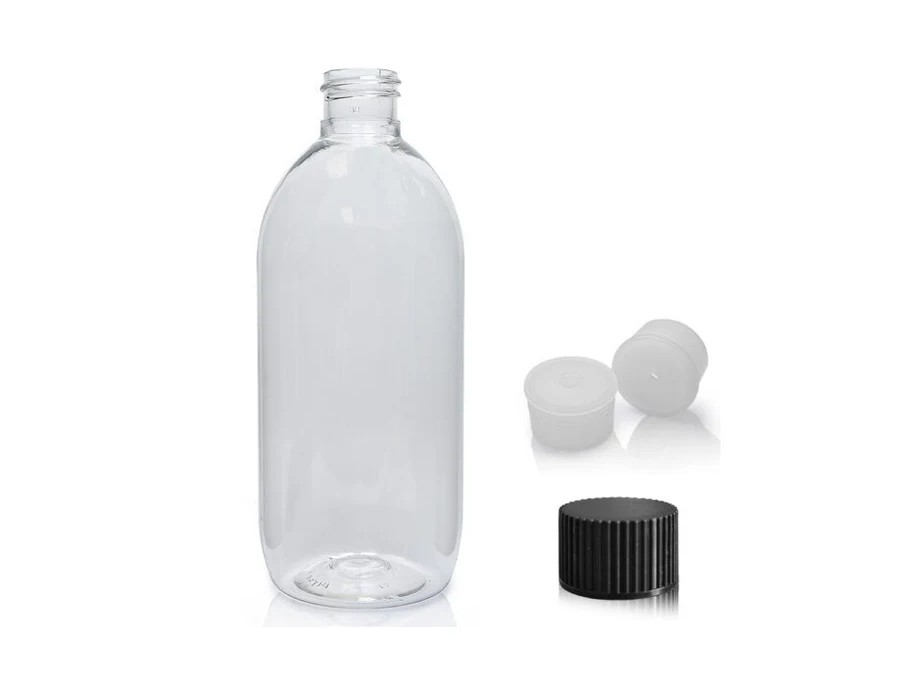
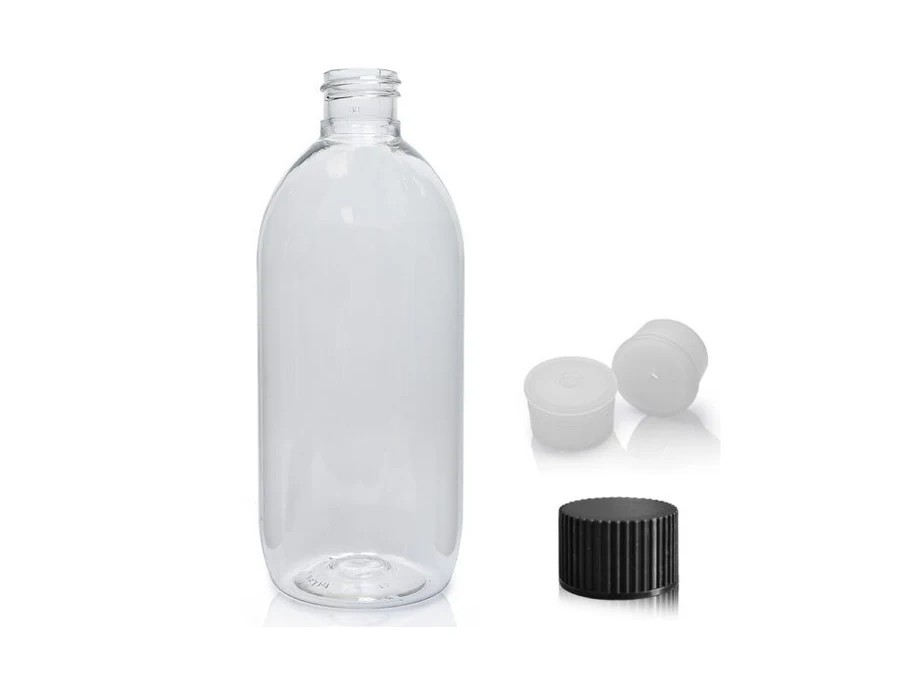
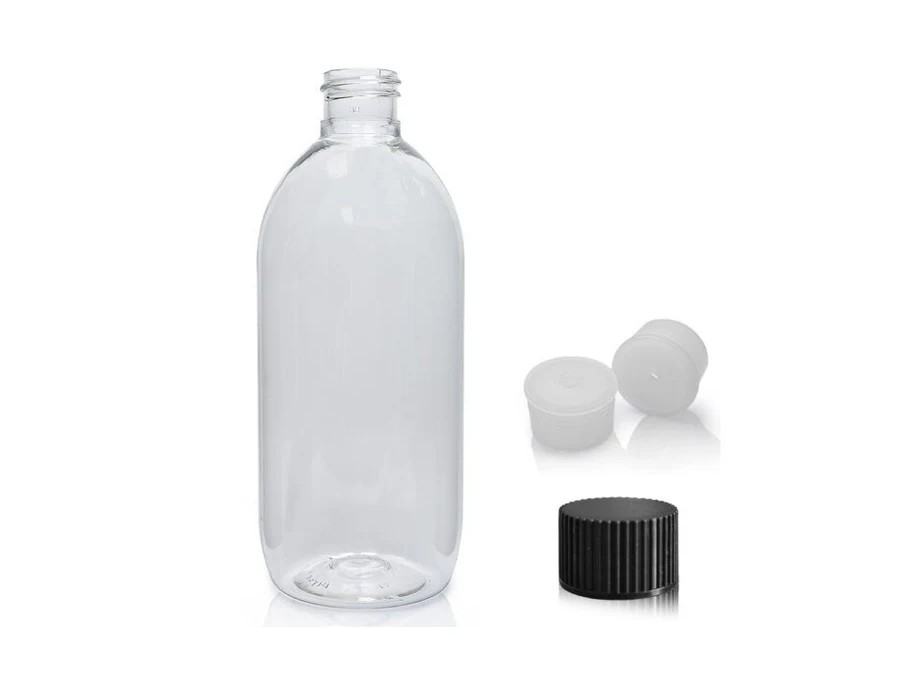
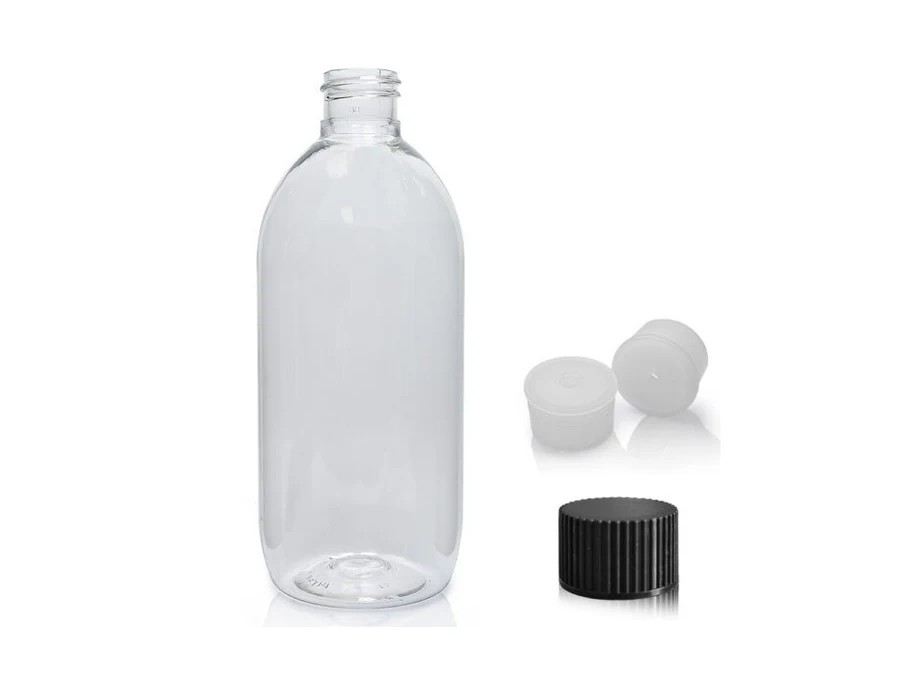
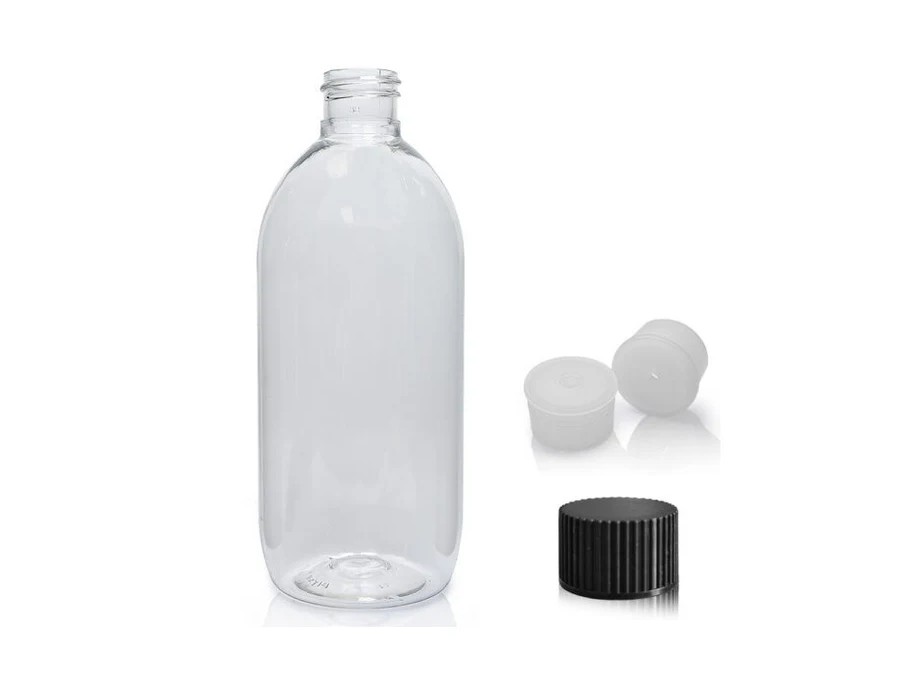
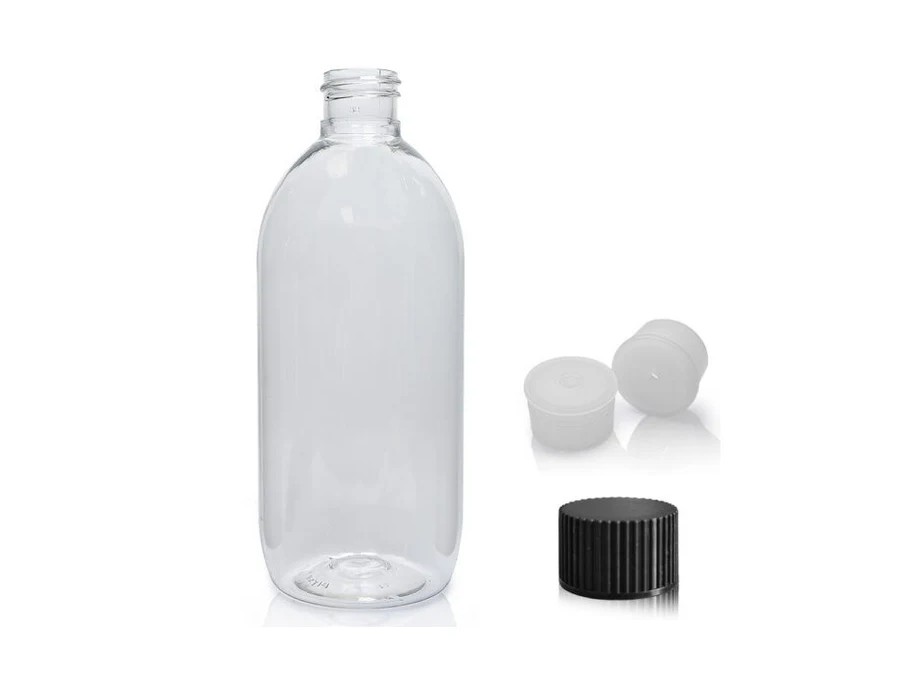
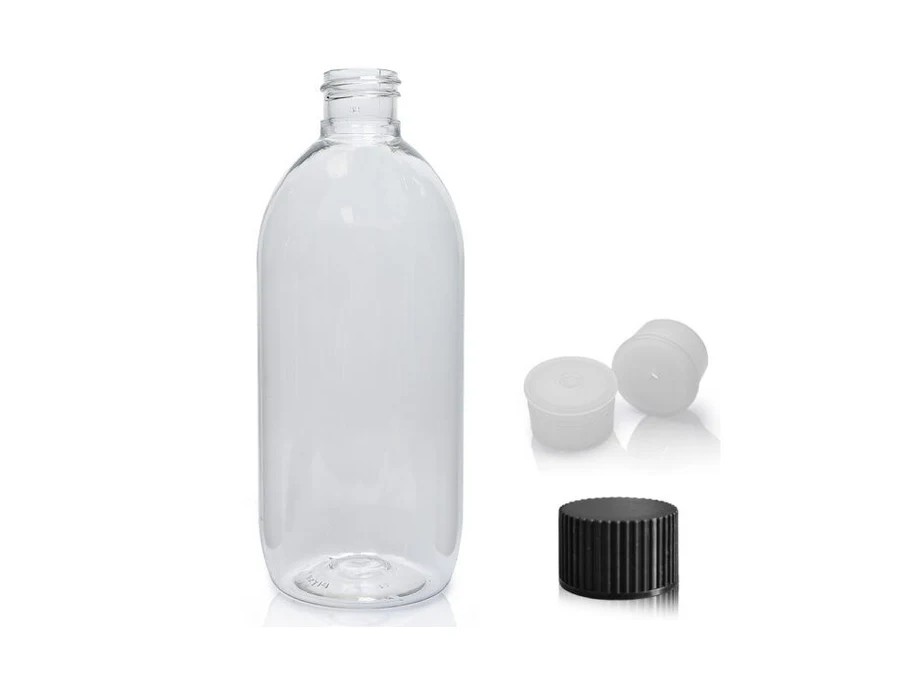
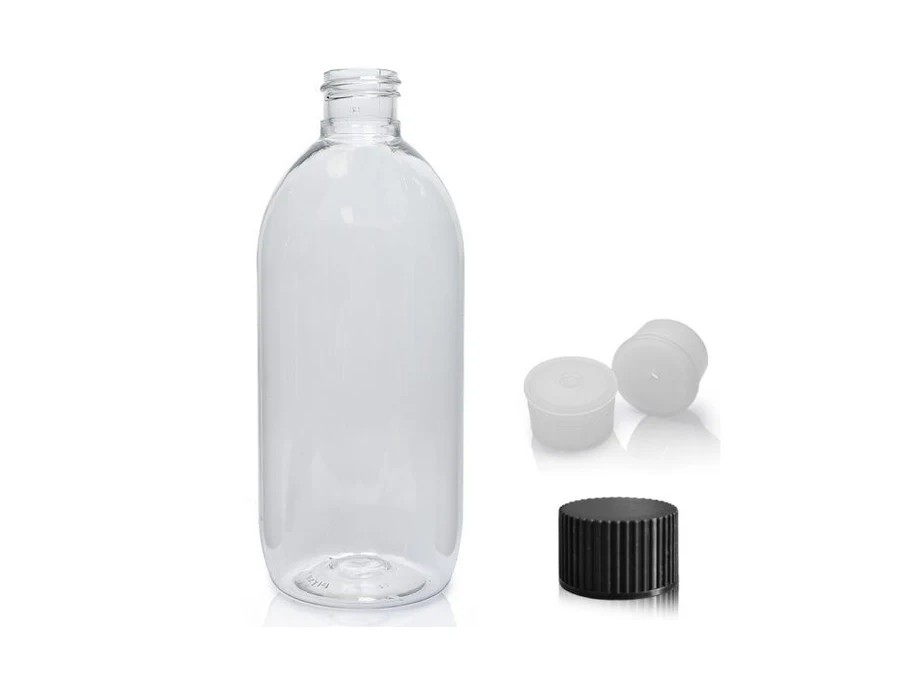
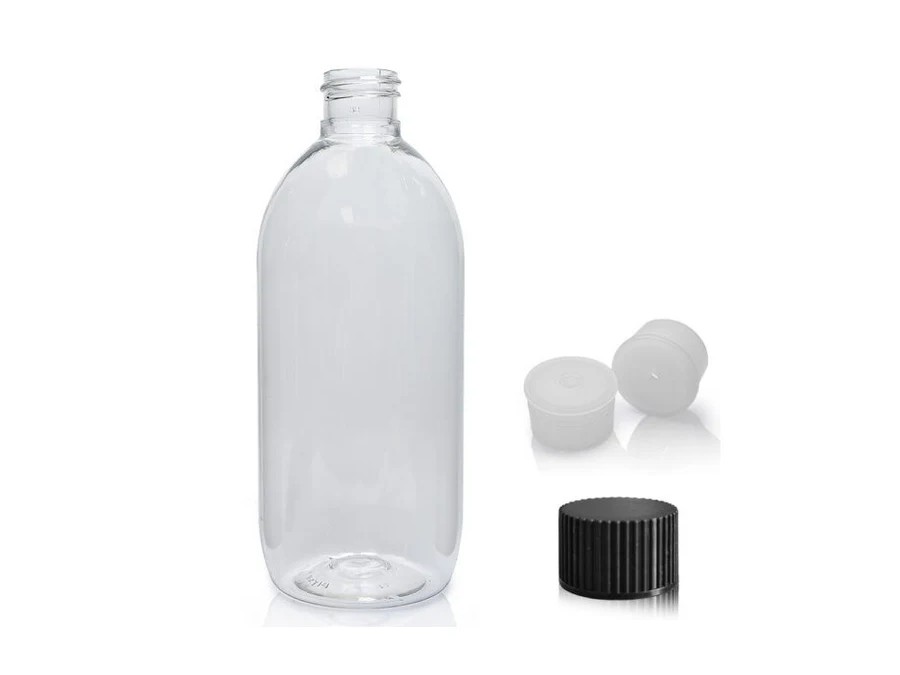
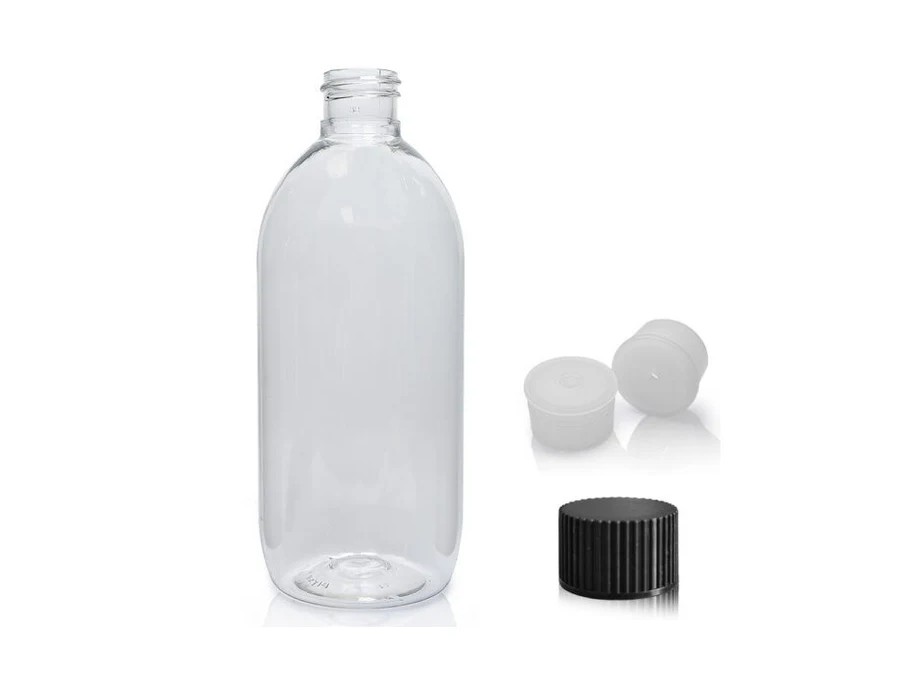
500ml Clear PET Olive Bottle and 28mm Screw Cap
Capacity: 500 ml · Material: Clear PET plastic
Contact for priceView product
Browse the complete Stockpack product catalogue, including bottles, pouches, caps, labels and shrink film. Select a product to view details and request current contact-for-price quoting.
Capacity: 500 ml · Material: Clear PET plastic
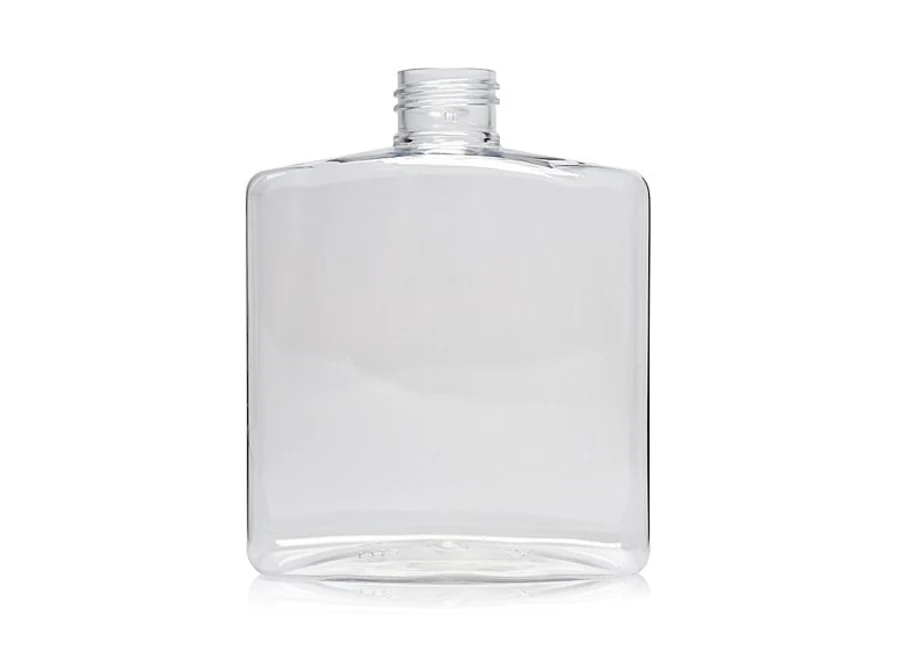
Capacity: 500 ml · Material: Clear PET plastic
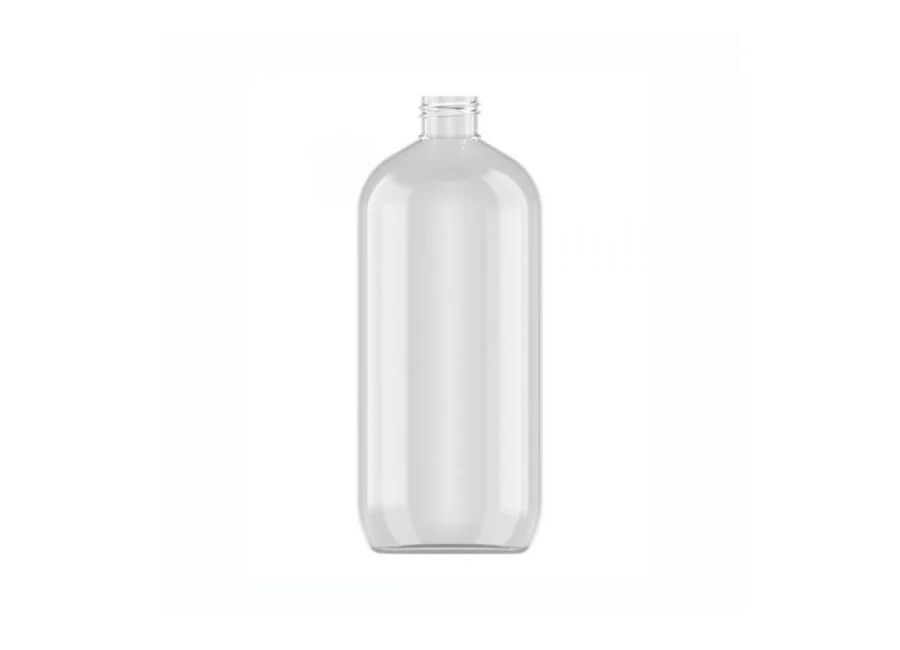
Capacity: 500 ml · Material: PET plastic
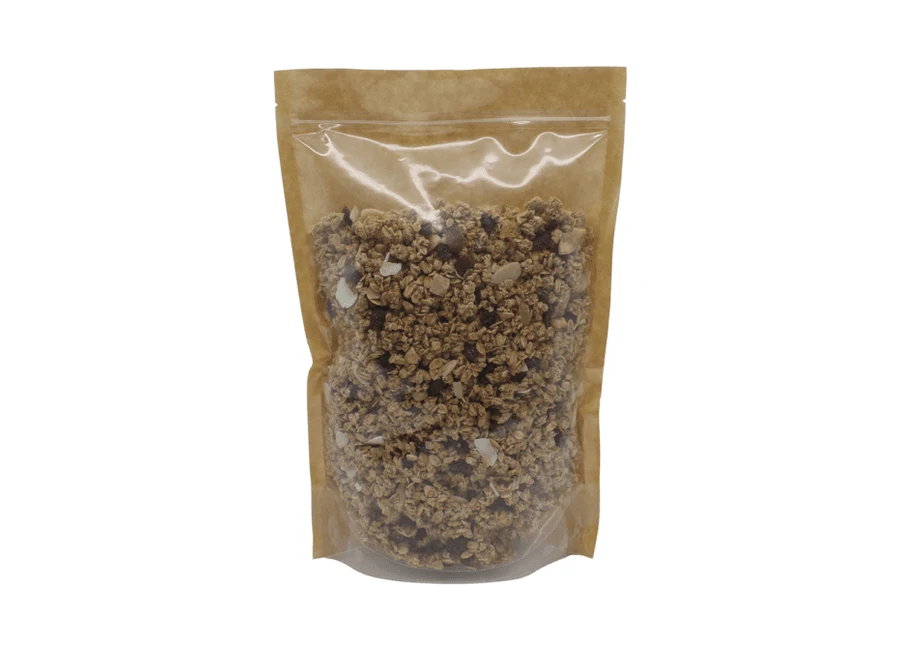
Capacity: 1 kg based on coffee beans · Size: 235 x 335 x 120 mm
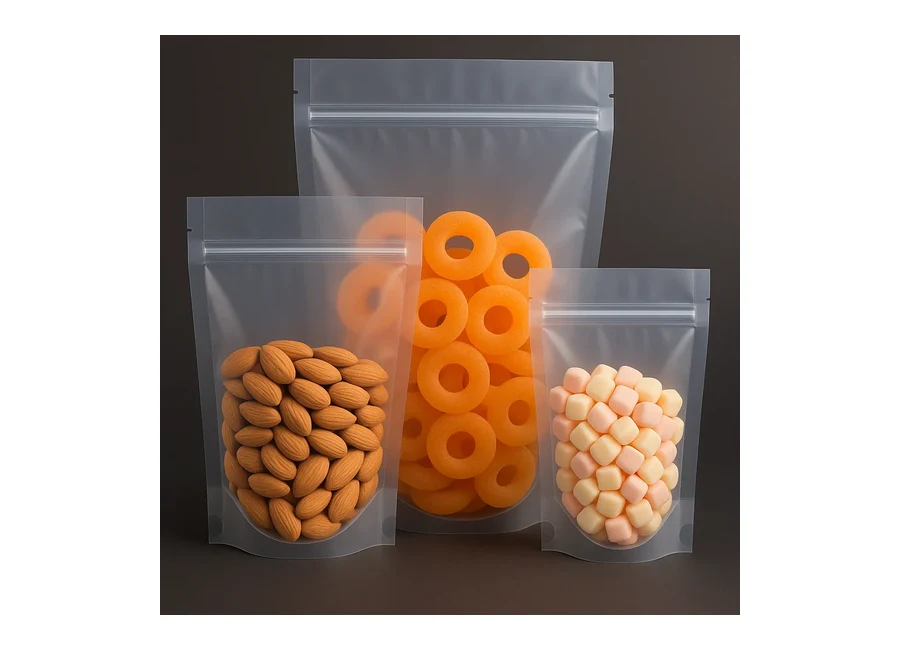
Volume: Approx. 1,000 ml · External size: 180 x 290 mm + 90 mm base gusset
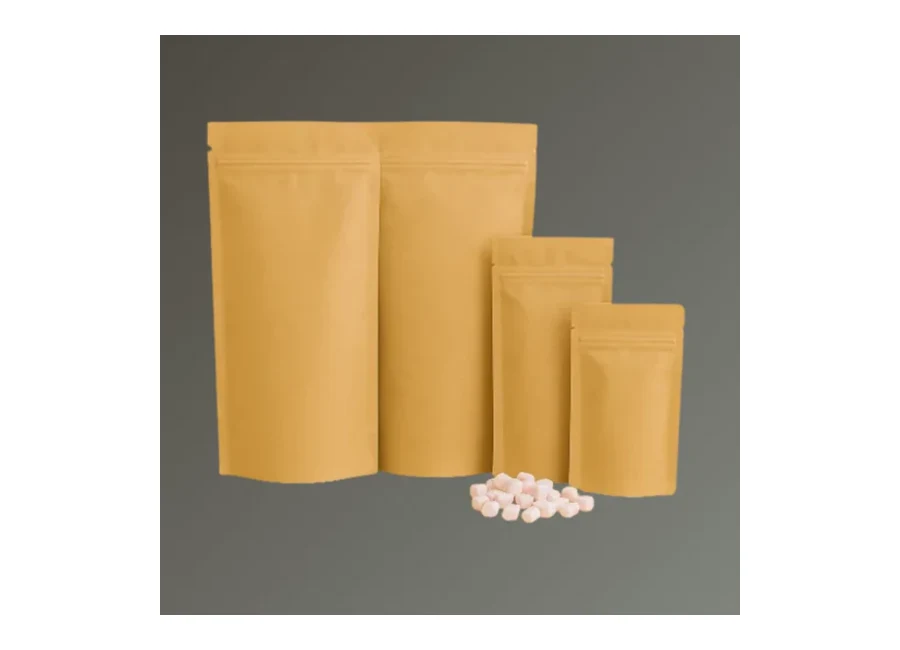
Format: Brown kraft stand-up / box pouch · Features: Quad-sealed box-shaped pouch; options with or without one-way degassing valve
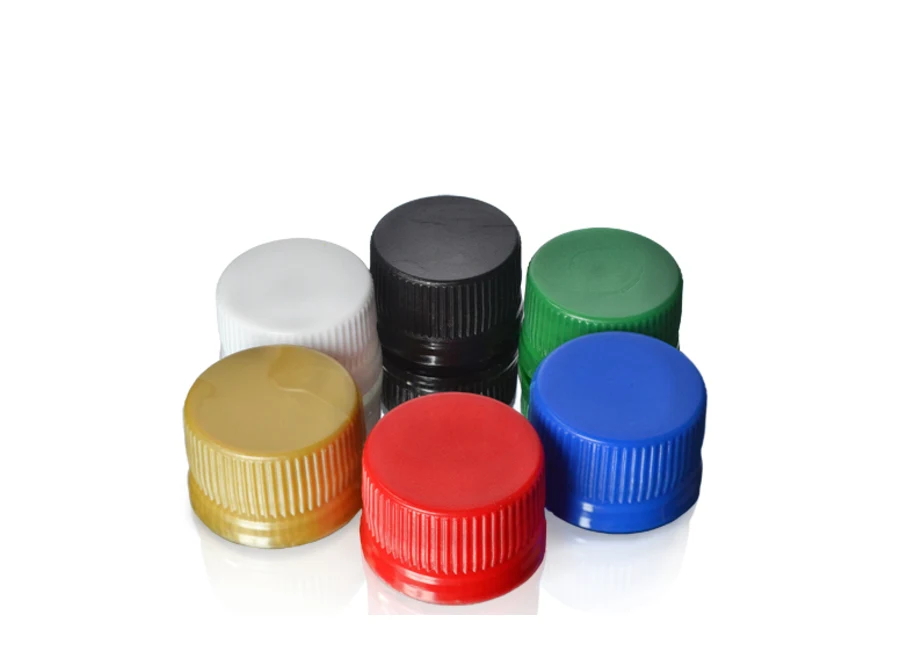
Closure type: MCA tamper-evident screw cap · Use case: Tamper-evident beverage-style closure for compatible bottle applications
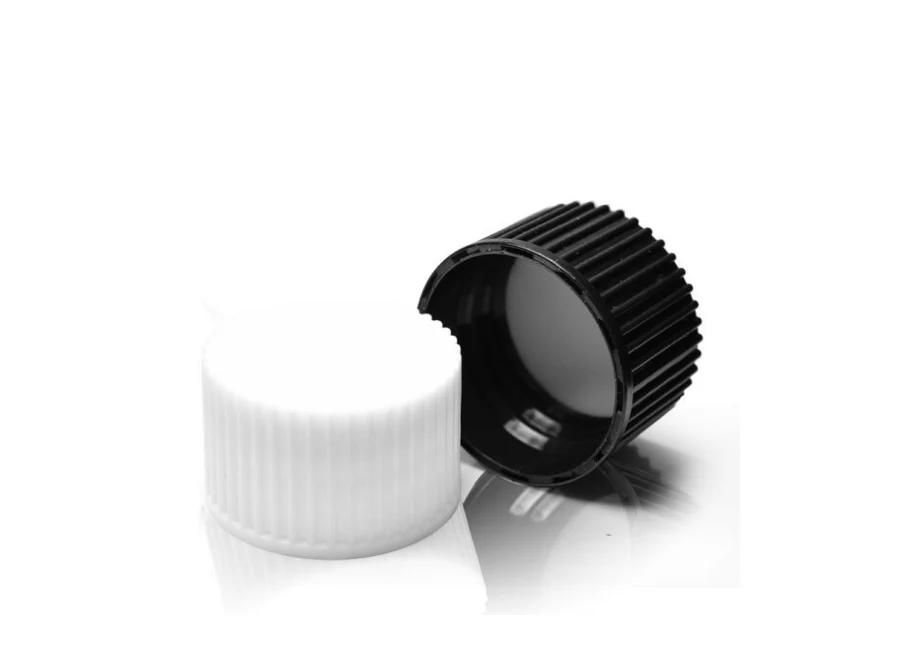
Material/liner: Plastic screw cap with EPE liner · Use case: General 28 mm neck bottle closure
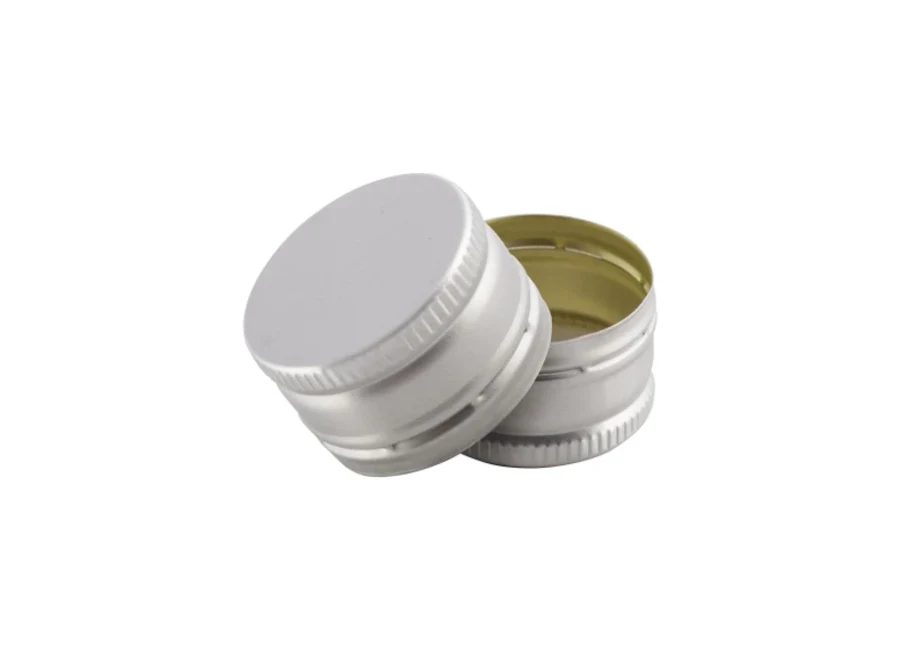
Material/liner: Brushed aluminium screw cap with EPE liner · Use case: Premium-looking closure for body/beauty/health packaging
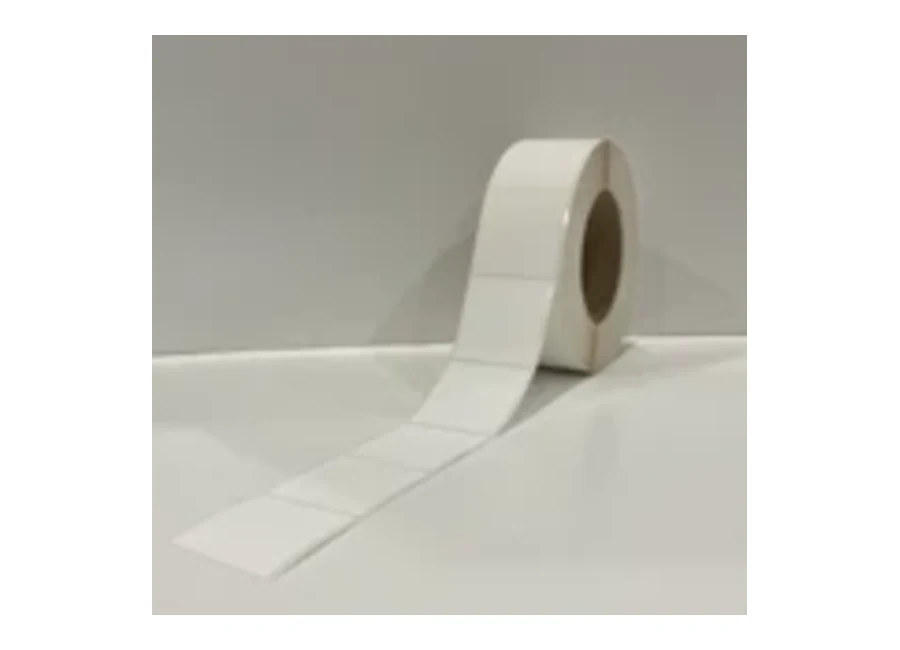
Size: 50 x 50 mm · Material: Top-coated direct thermal paper label with permanent adhesive
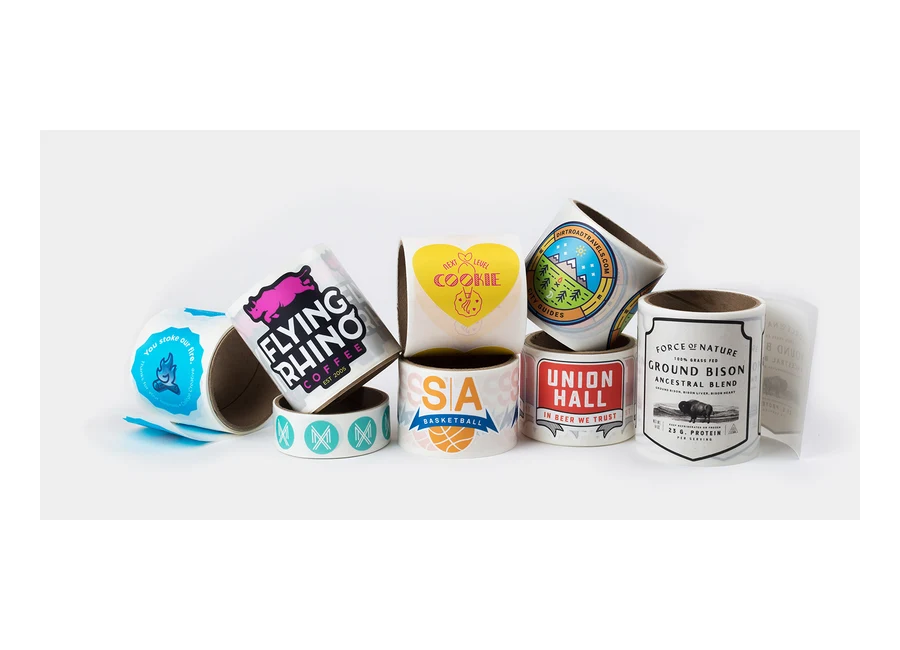
Material: BOPP with UV finish · Format: Custom printed roll labels for branded packaging applications
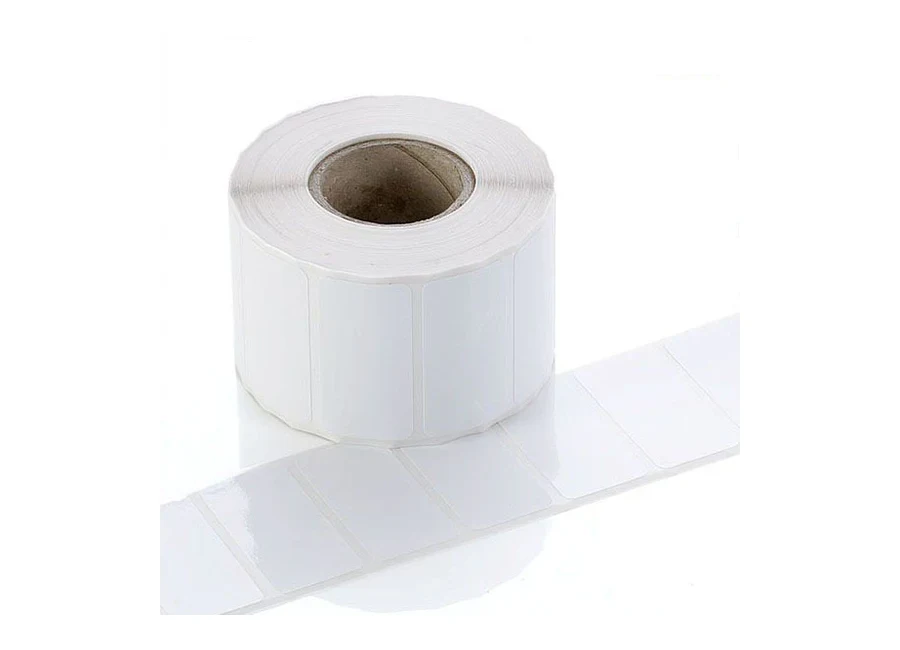
Size: 75 x 50 mm · Material: Gloss white vinyl
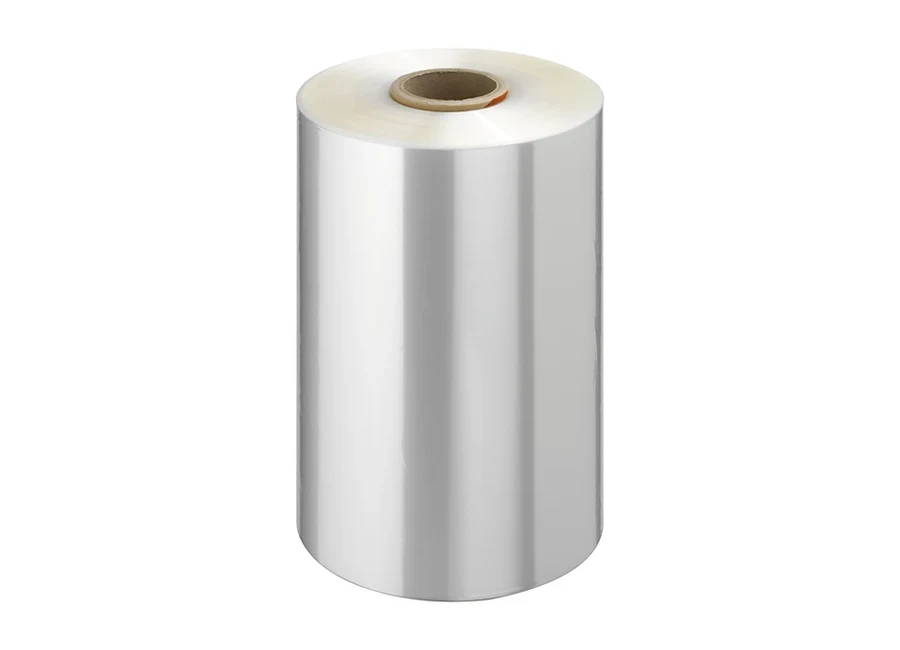
Gauge: 75 gauge / 19 microns
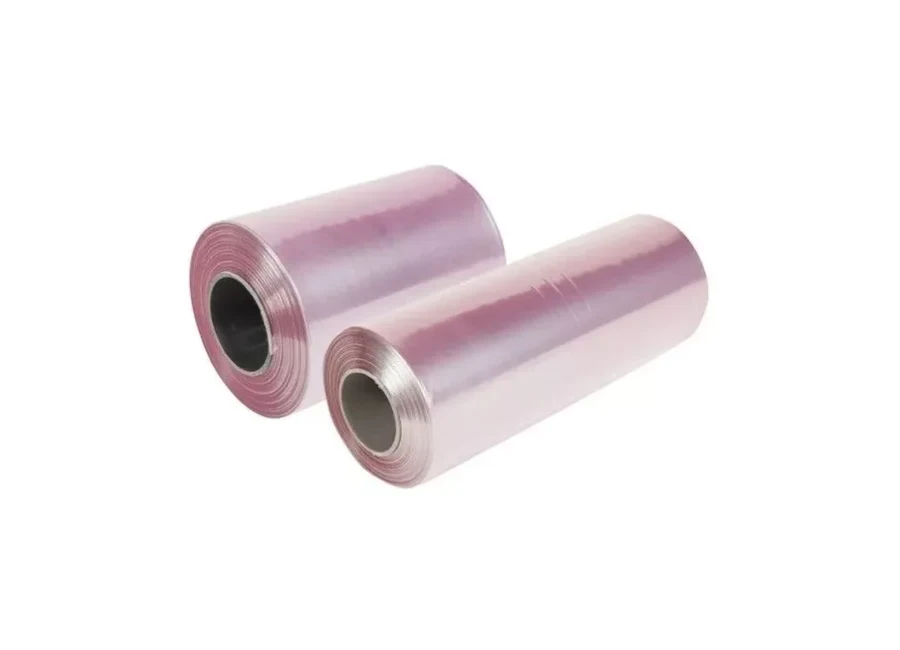
Roll size: 350 mm width, 700 mm open width · Material: High-clarity PVC shrink film
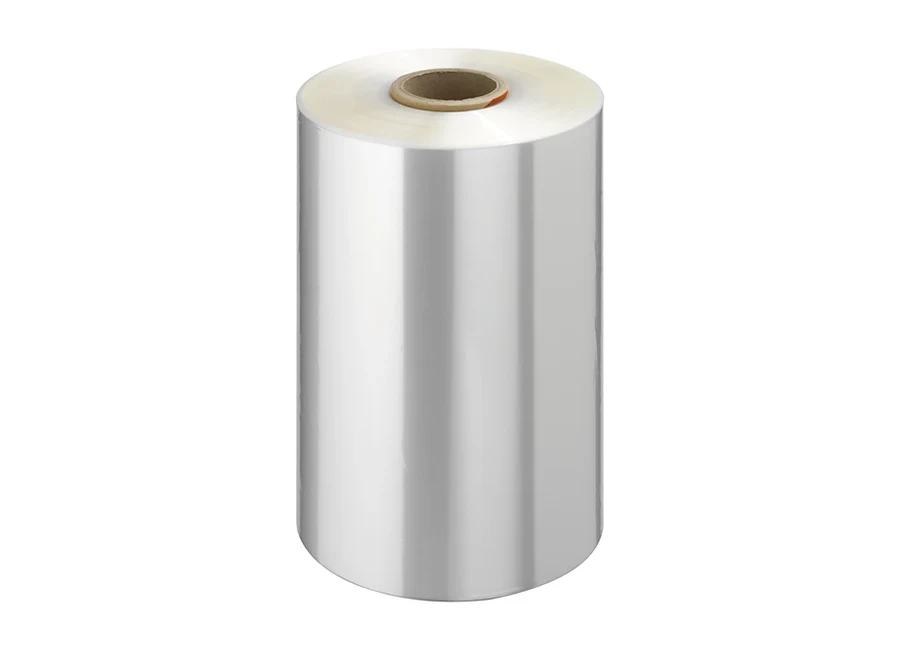
Material: Polyolefin · Format: Centre-folded and cross-linked film
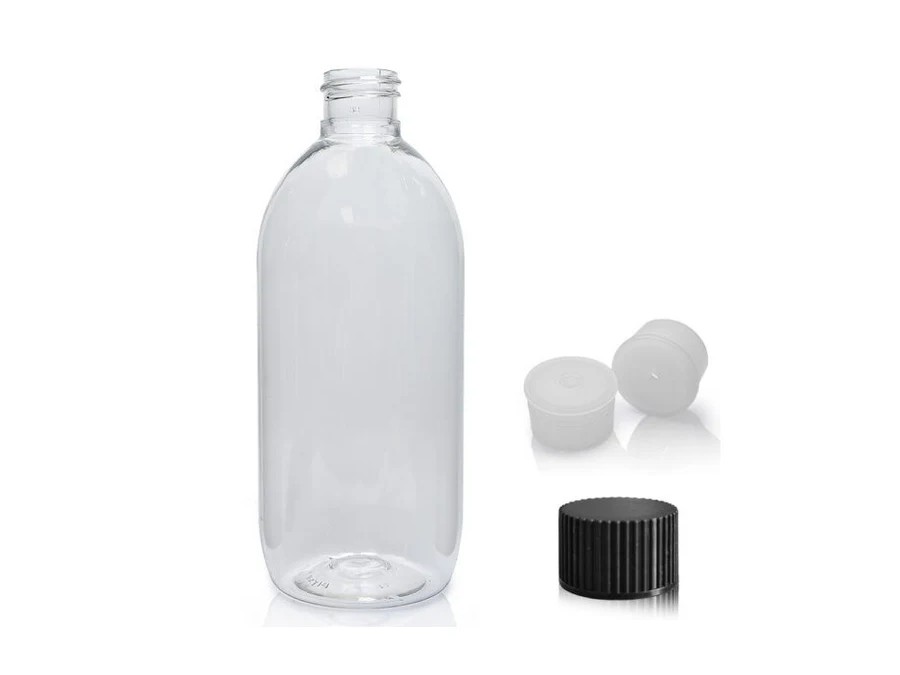
500ml, 28mm neck, screw cap option · Material: Clear PET
500ml, 28mm neck, aluminium cap · Material: Clear PET + aluminium cap
500ml, 24mm neck, spout cap · Material: Clear PET
500ml, 28mm neck, aluminium cap · Material: Green PET
500ml, 28mm neck, no cap · Material: Green PET
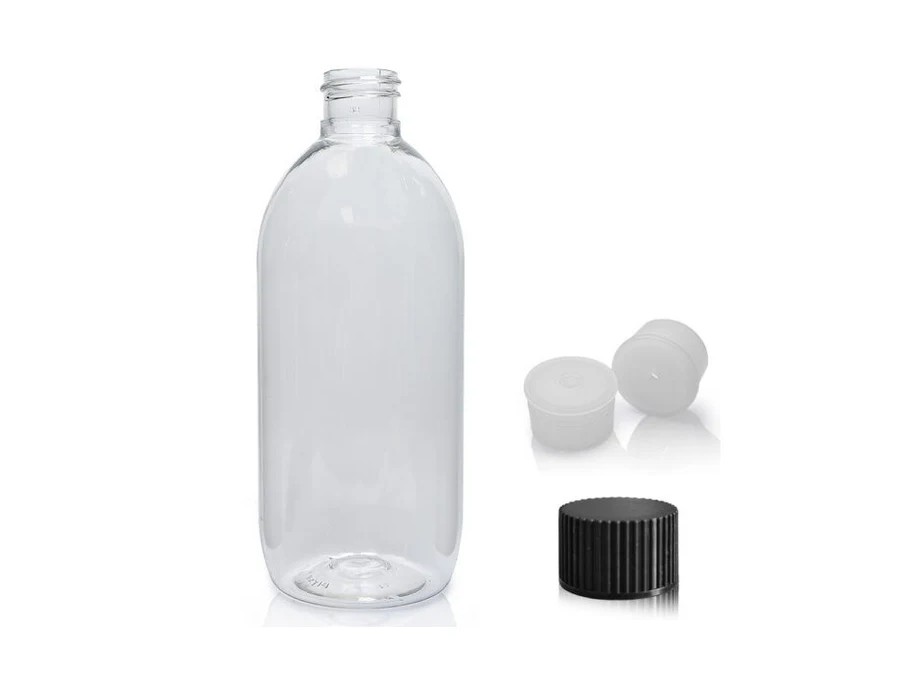
500ml, 28mm neck, screw cap · Material: Green PET
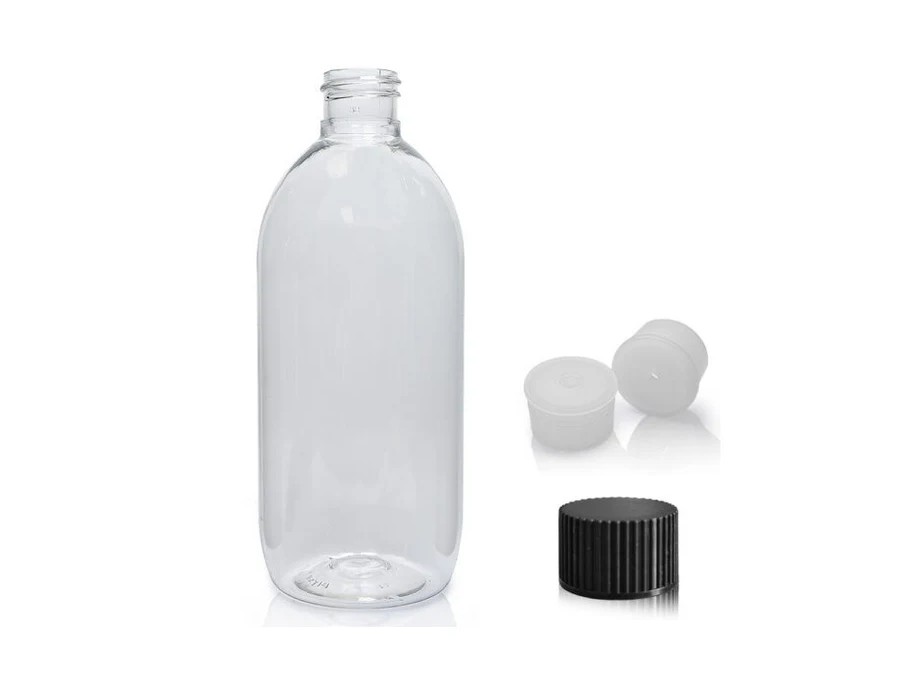
500ml, 24mm neck, no cap · Material: Clear recycled PET
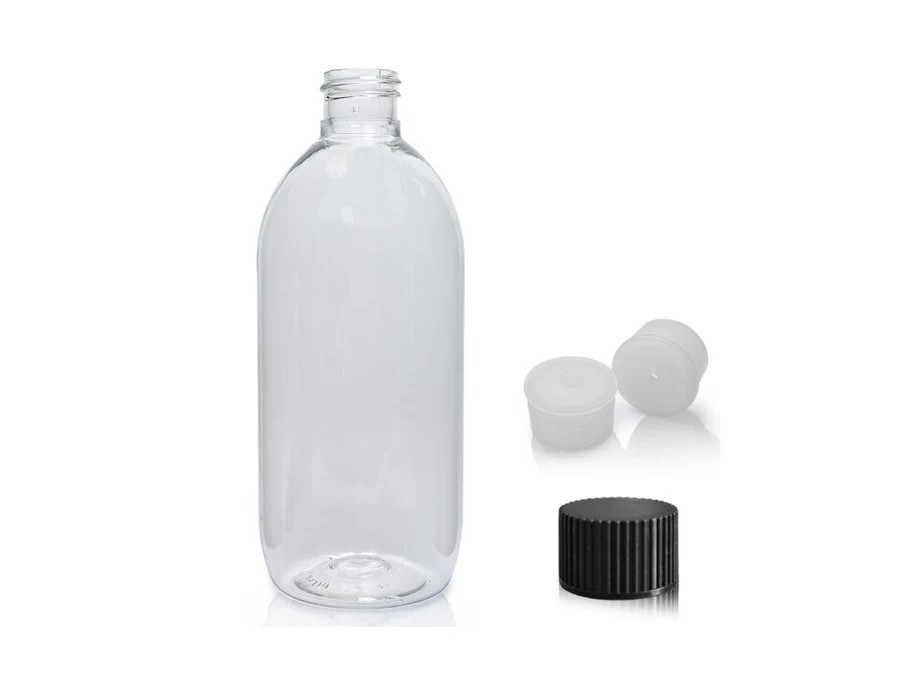
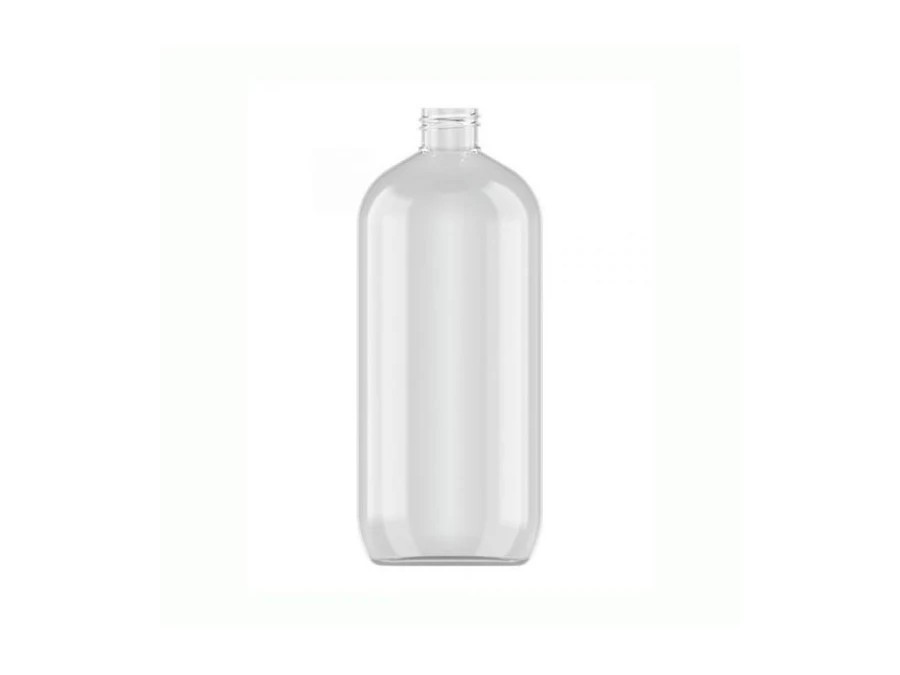
500ml, 28mm neck, no cap · Material: Clear PET
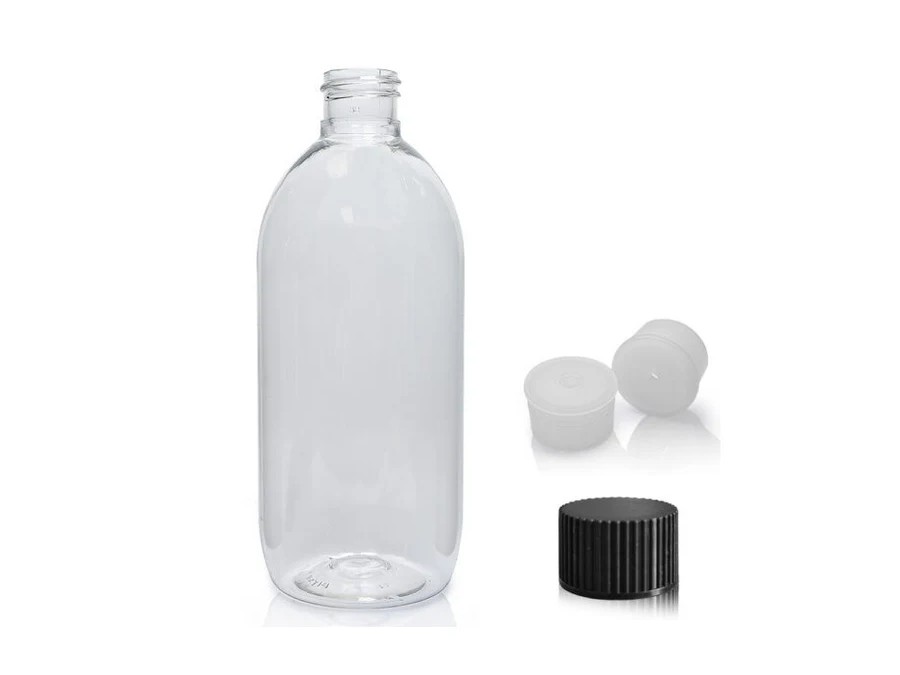
500ml, 24mm neck, disc-top cap · Material: Clear recycled PET
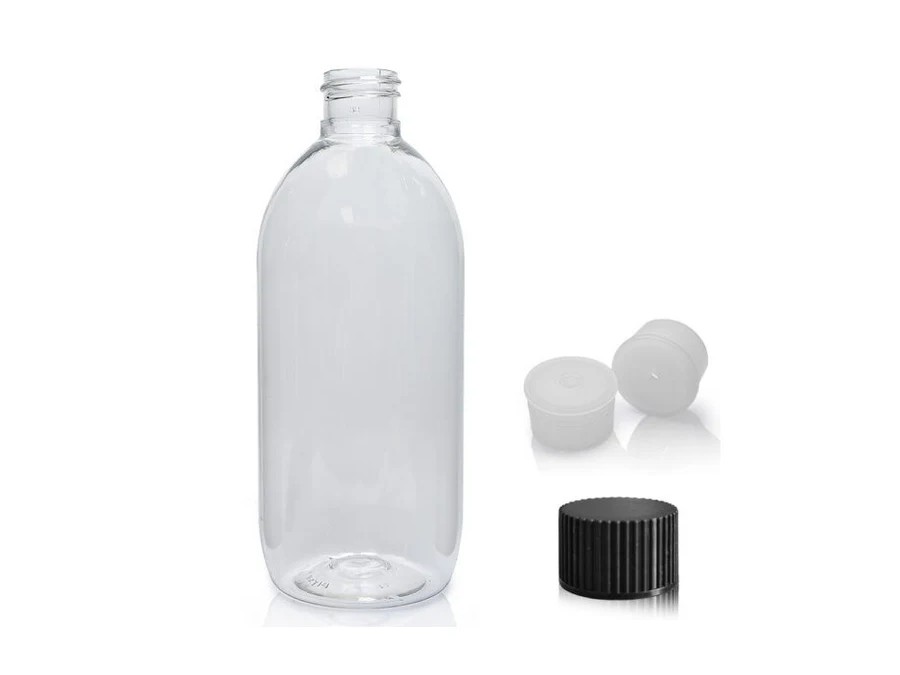
500ml, 38mm cap, tamper-evident · Material: Clear PET
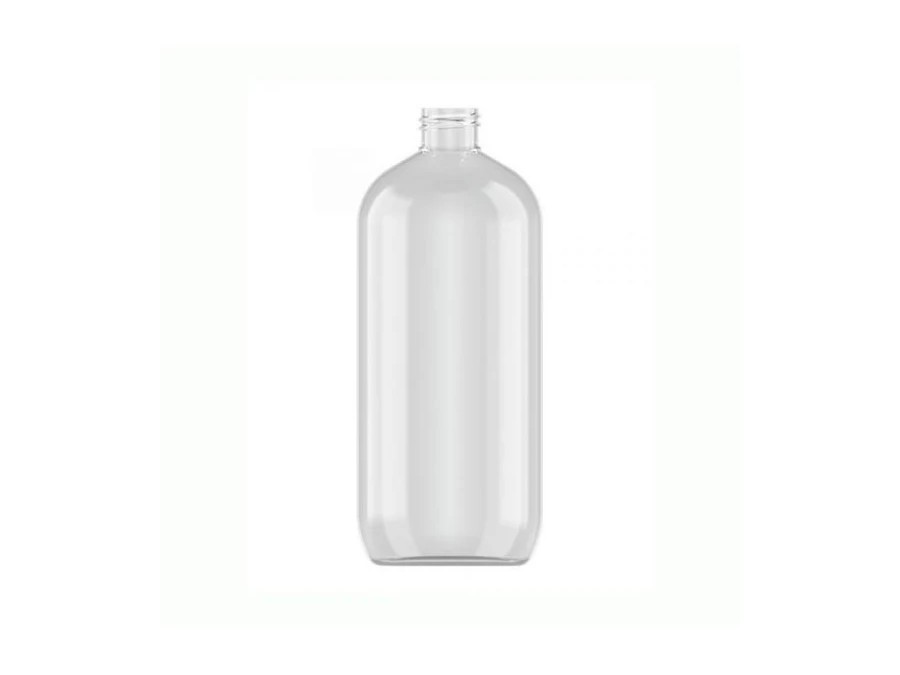
100ml, 18mm neck, no cap · Material: Amber glass
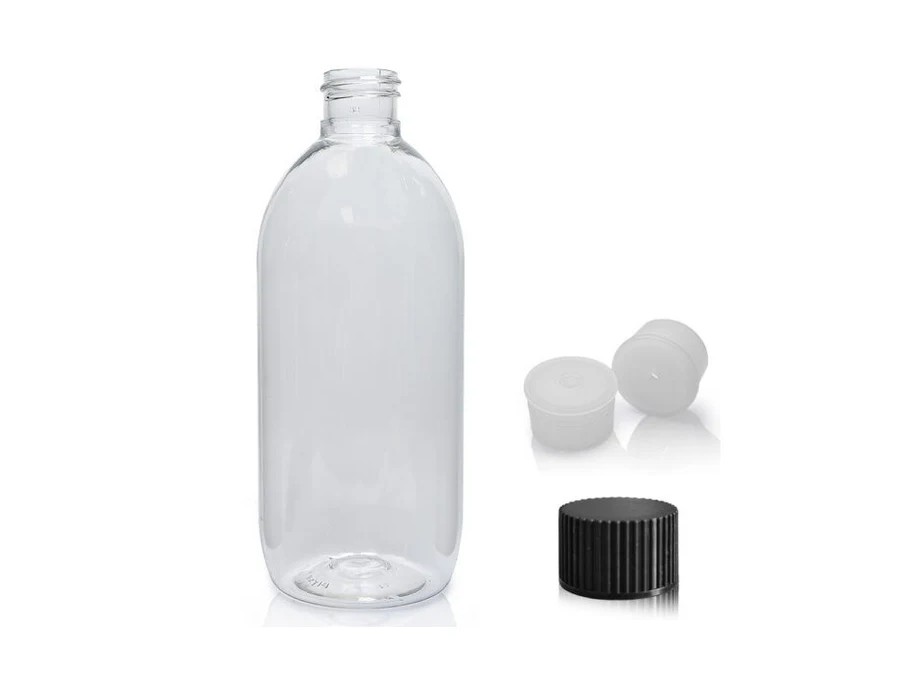
250ml, 28mm neck, no cap · Material: Amber PET
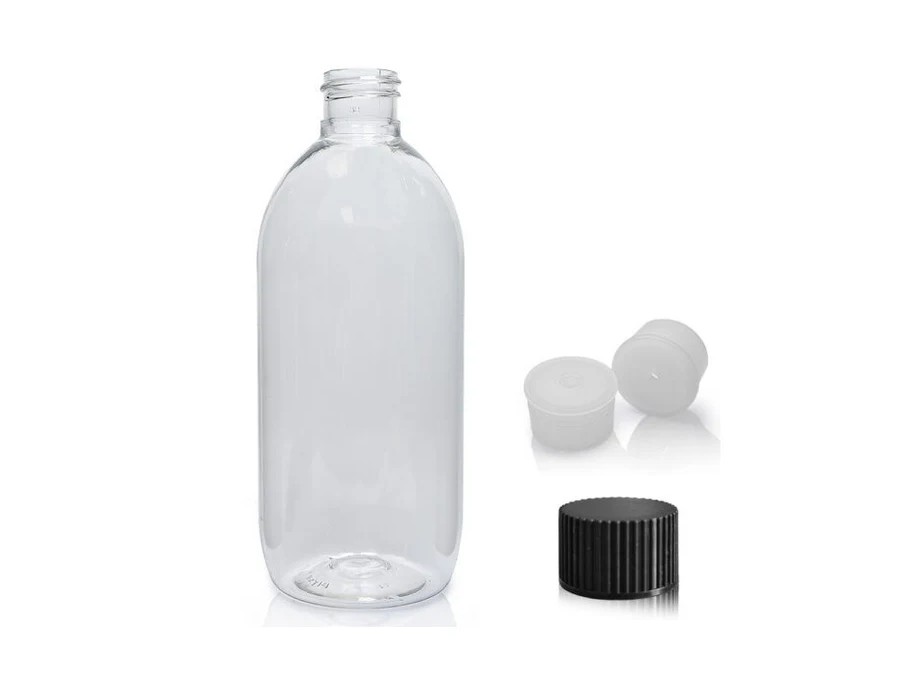
250ml, round profile, no cap · Material: Clear PET
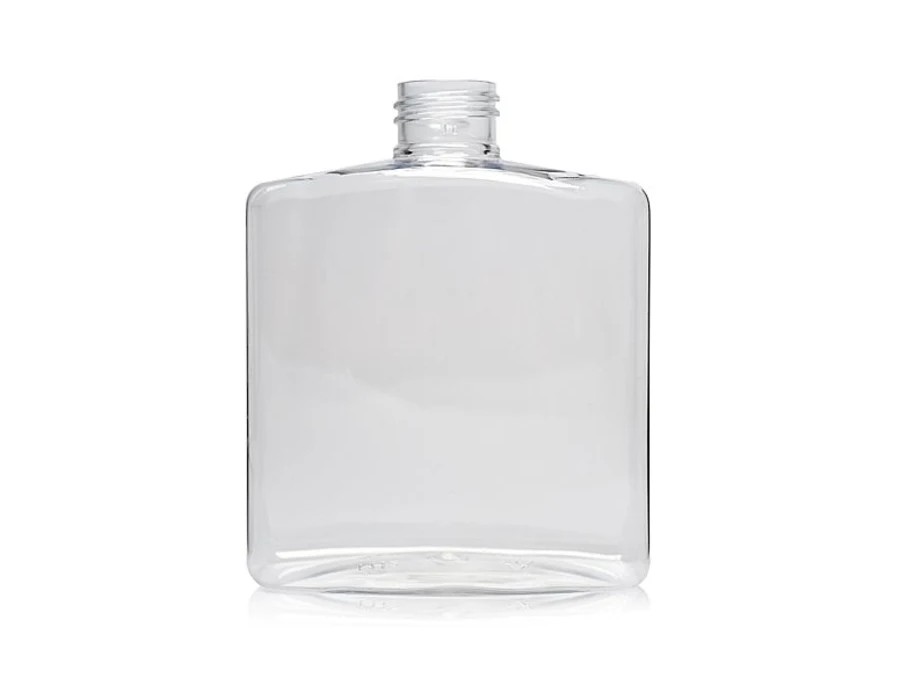
100ml, rectangular profile, no cap · Material: Amber glass
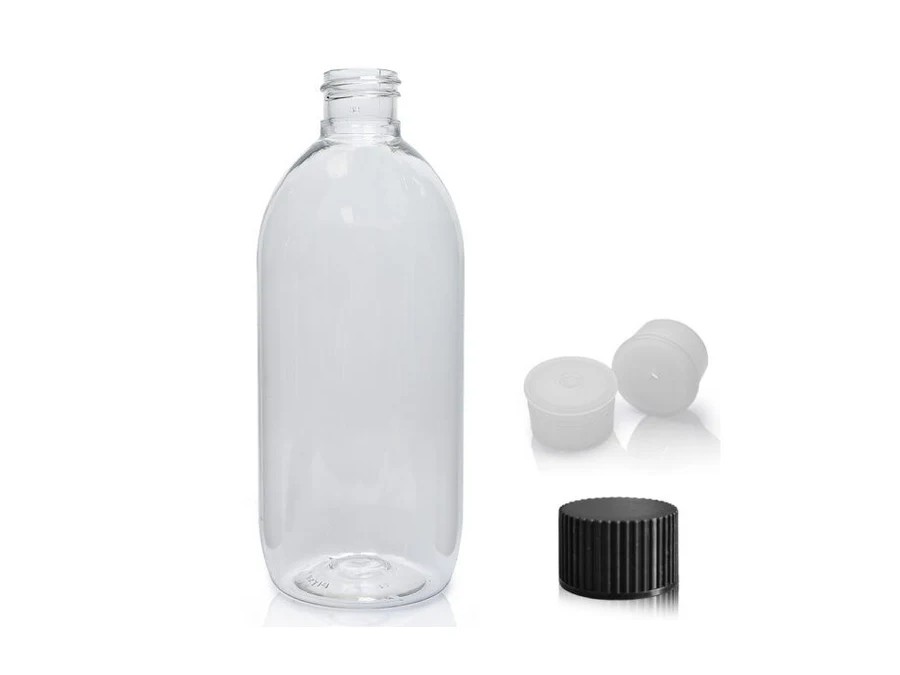
250ml, oval profile, no cap · Material: Clear PET
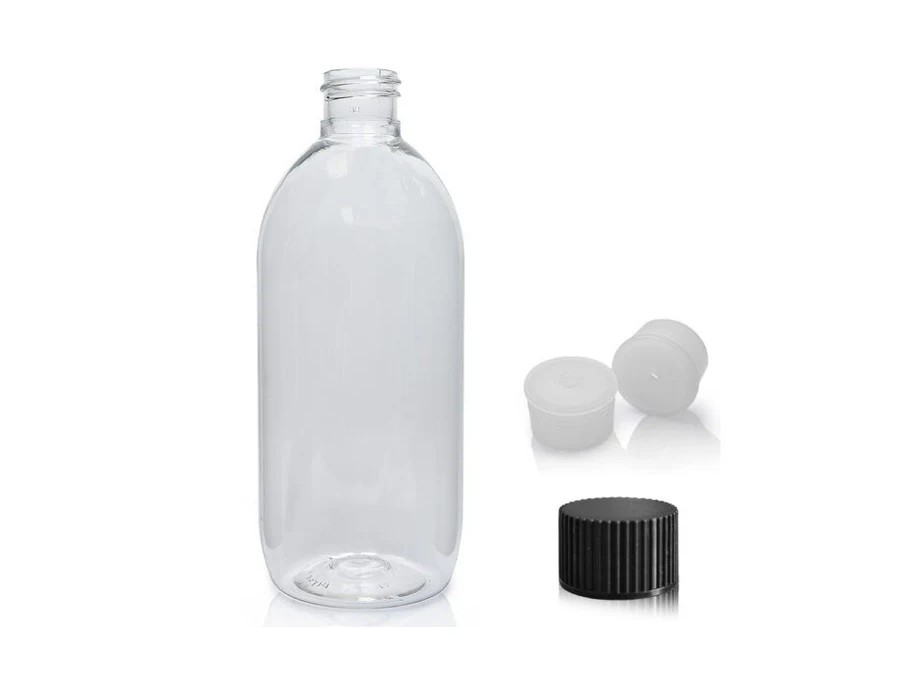
250ml, 24mm neck, no cap · Material: Clear rPET
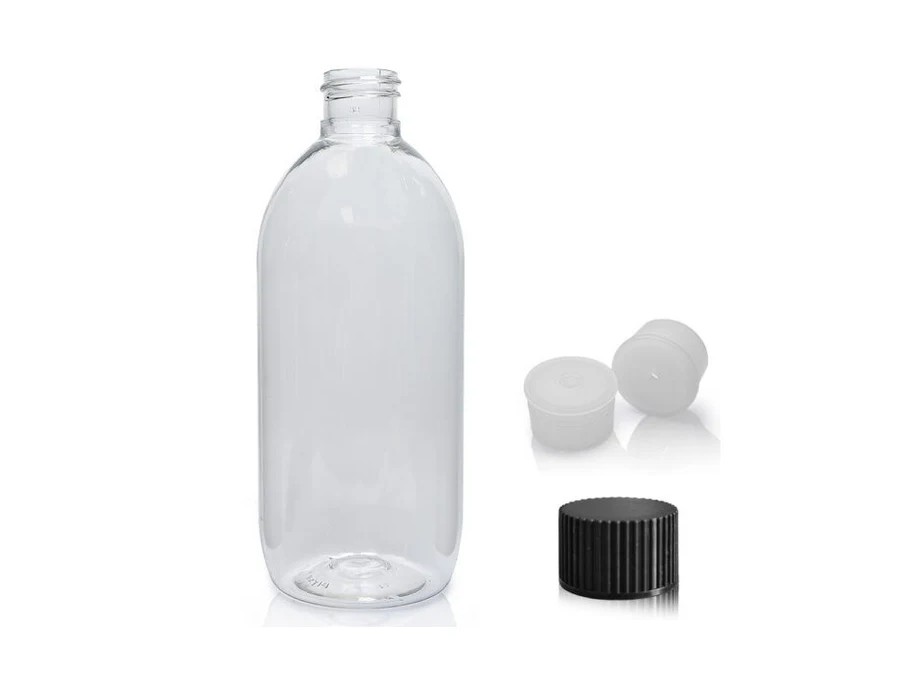
250ml, 24mm neck, smooth cap · Material: Clear rPET
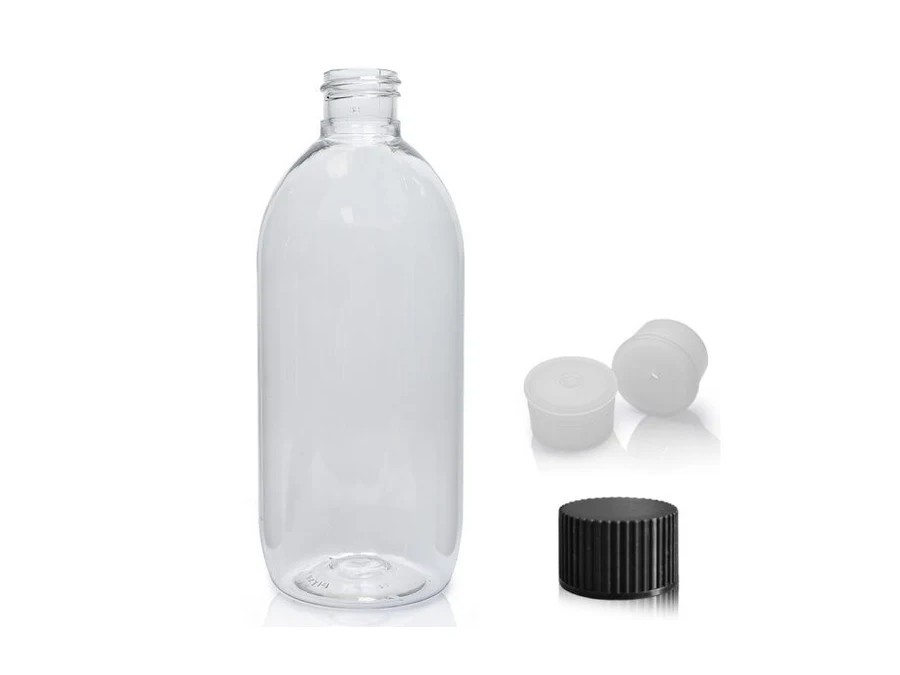
100ml, glass stopper · Material: Amber glass
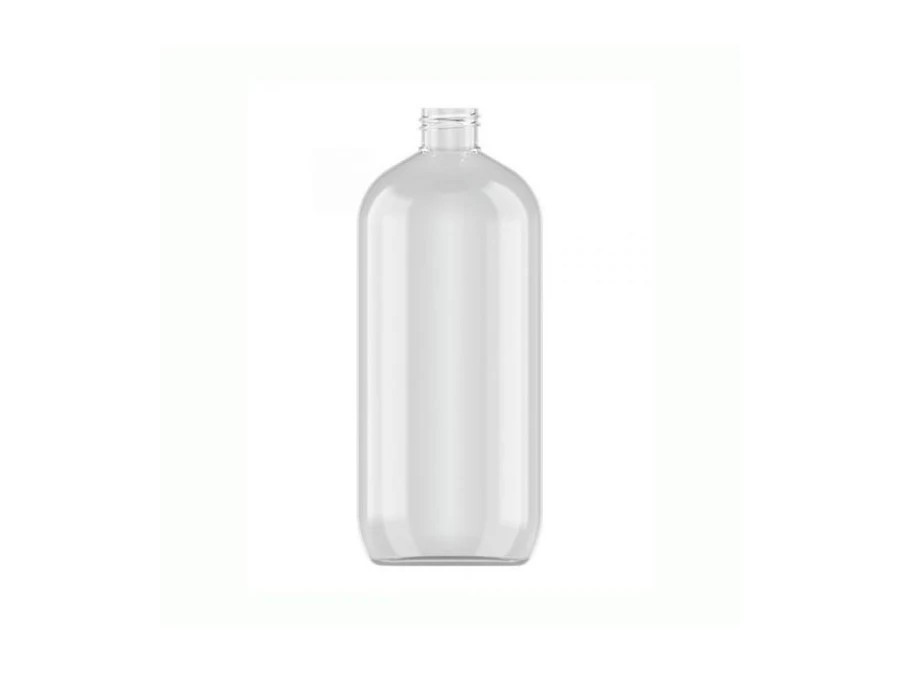
100ml, atomiser spray closure · Material: Amber glass + spray
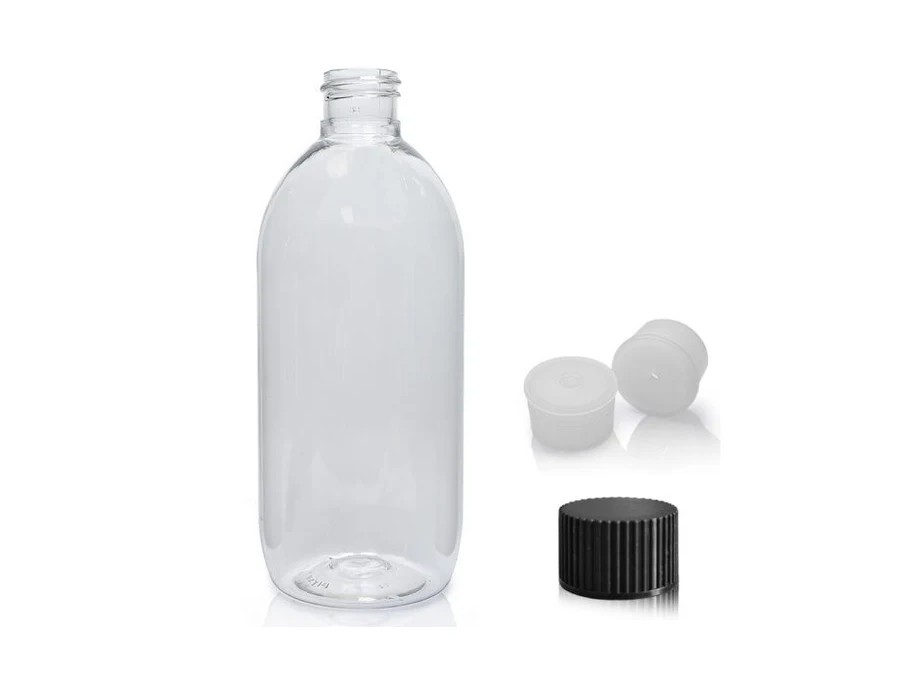
250ml, 28mm neck, no cap · Material: Clear PET
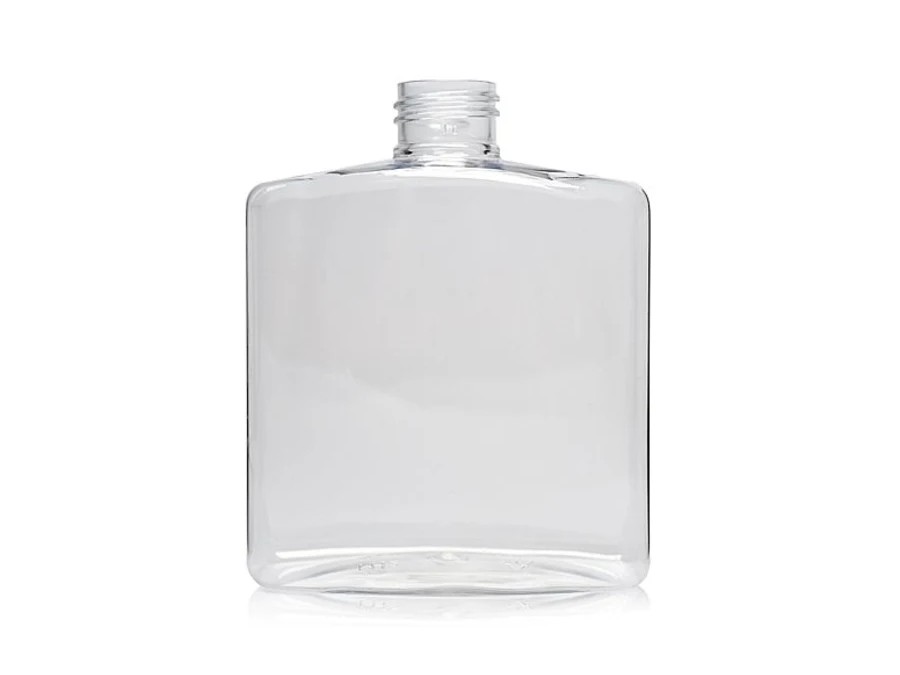
250ml, tall square profile, no cap · Material: Clear PCR/PET
250ml, white tamper-evident cap · Material: Clear PET
250ml, 24mm neck, spout cap · Material: Amber 30% PCR PET
250ml, 28mm aluminium cap · Material: Clear PET + aluminium cap
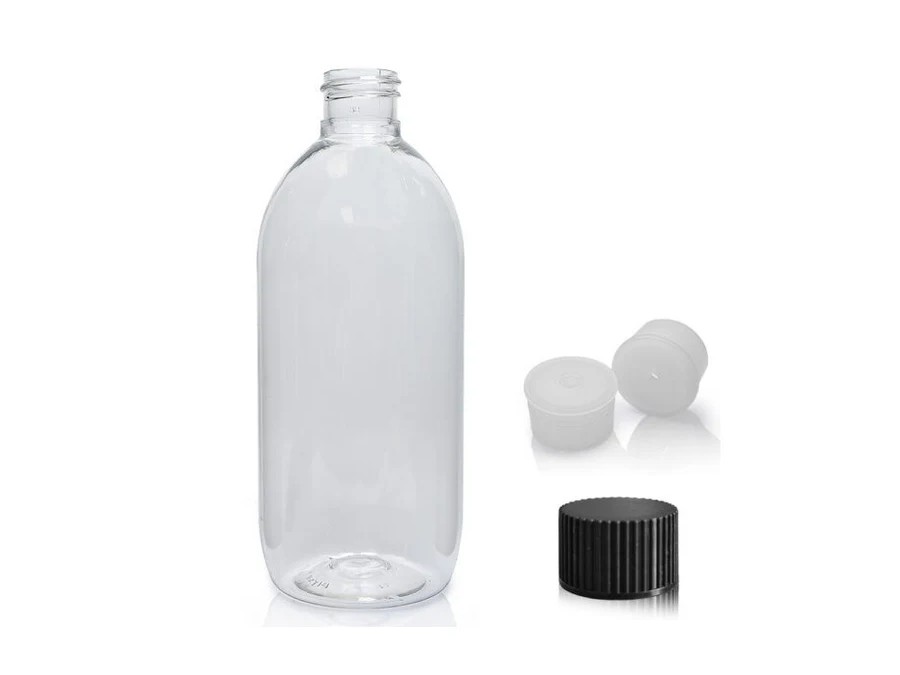
250ml, 28mm screw cap · Material: Clear PET
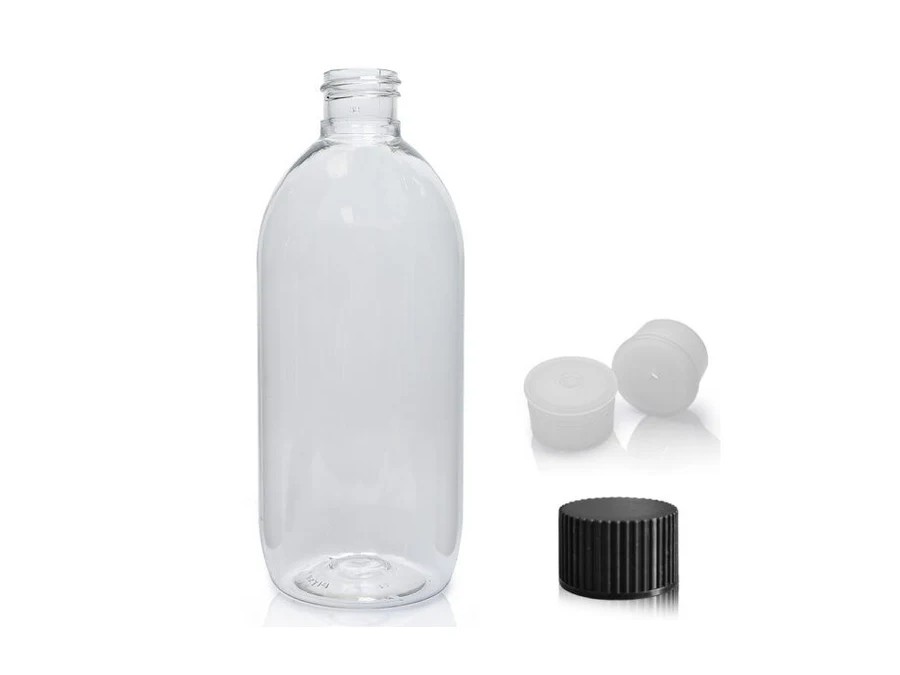
50ml, 20/410 neck, no cap · Material: Clear PET
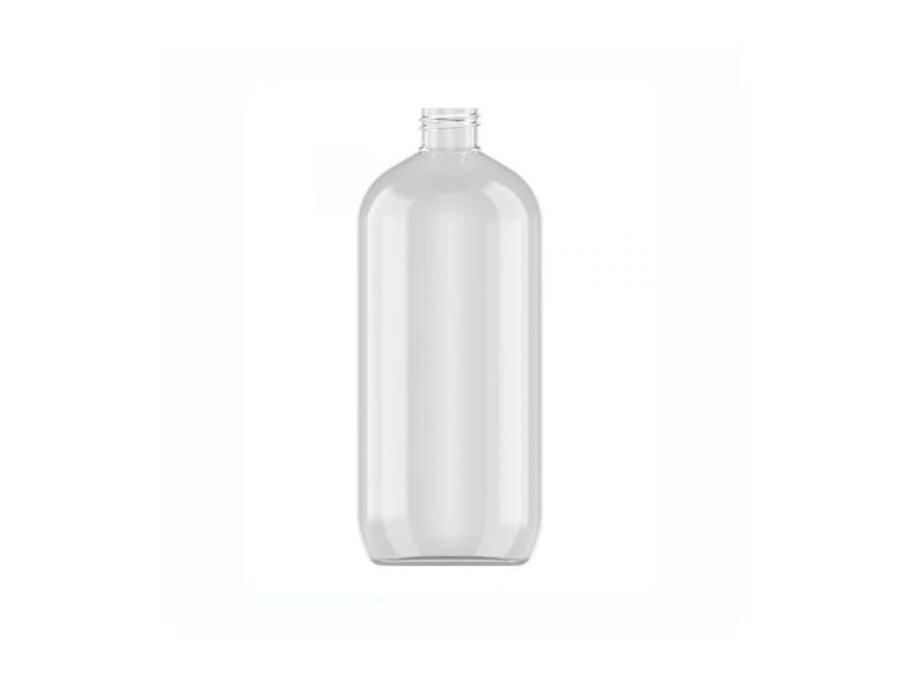
100ml, 24/410 neck, squeezable · Material: Natural HDPE
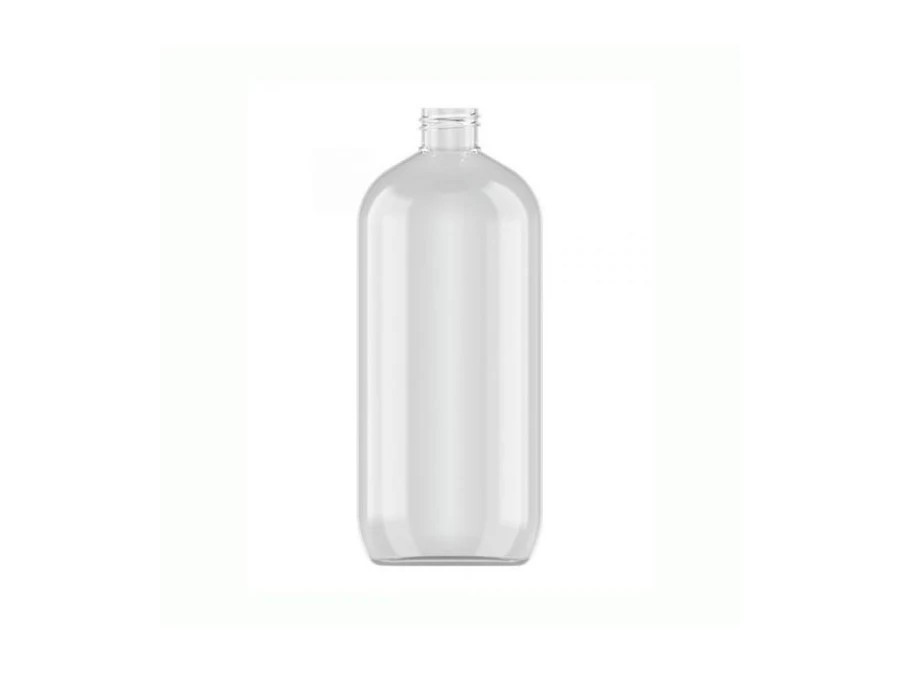
150ml, 24/410 neck, white · Material: White HDPE
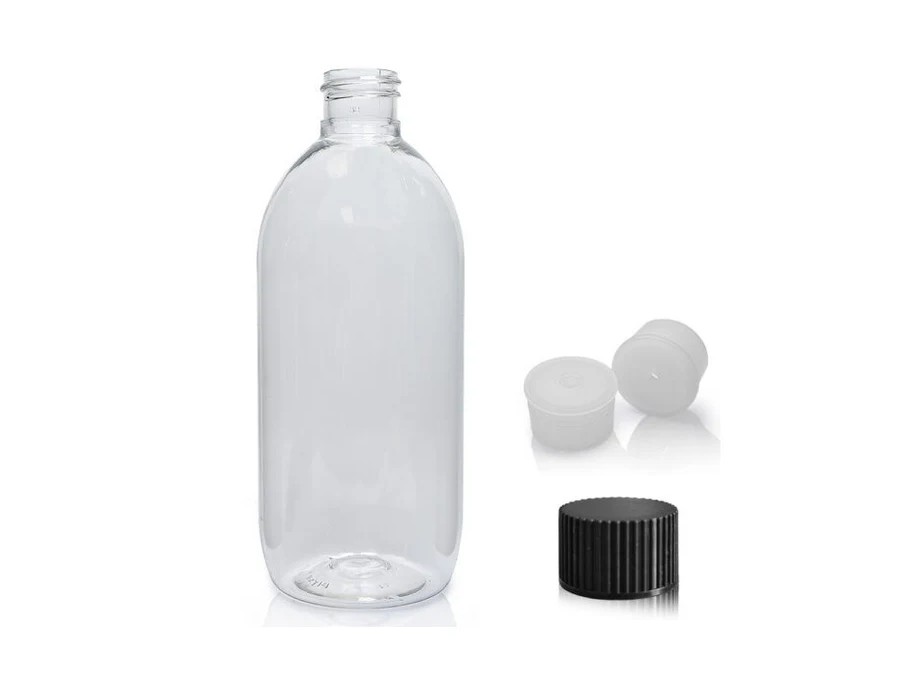
200ml, 24/410 neck, no closure · Material: Clear PET
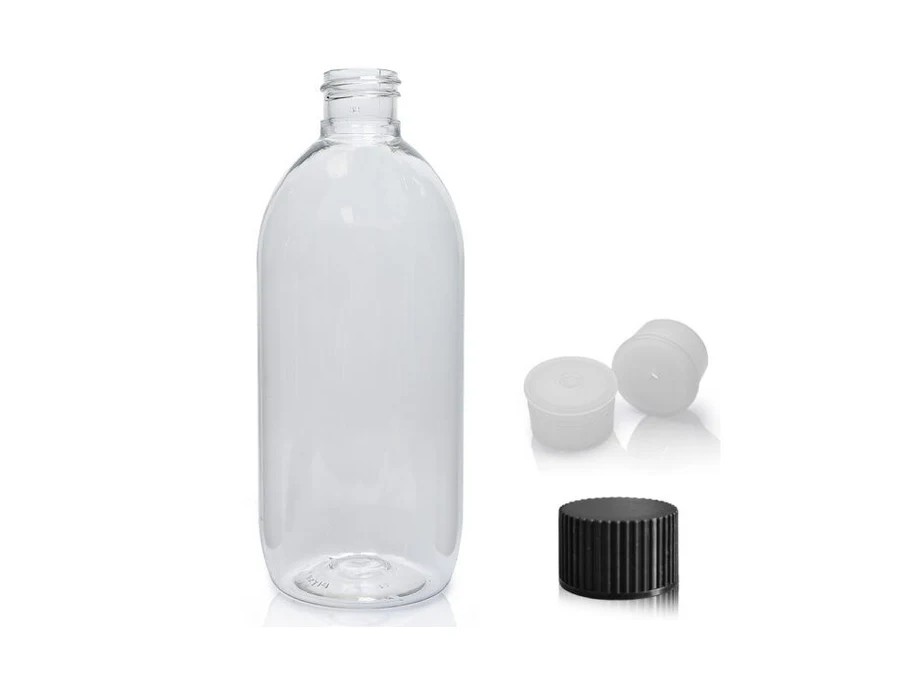
300ml, 24/410 neck, amber · Material: Amber PET
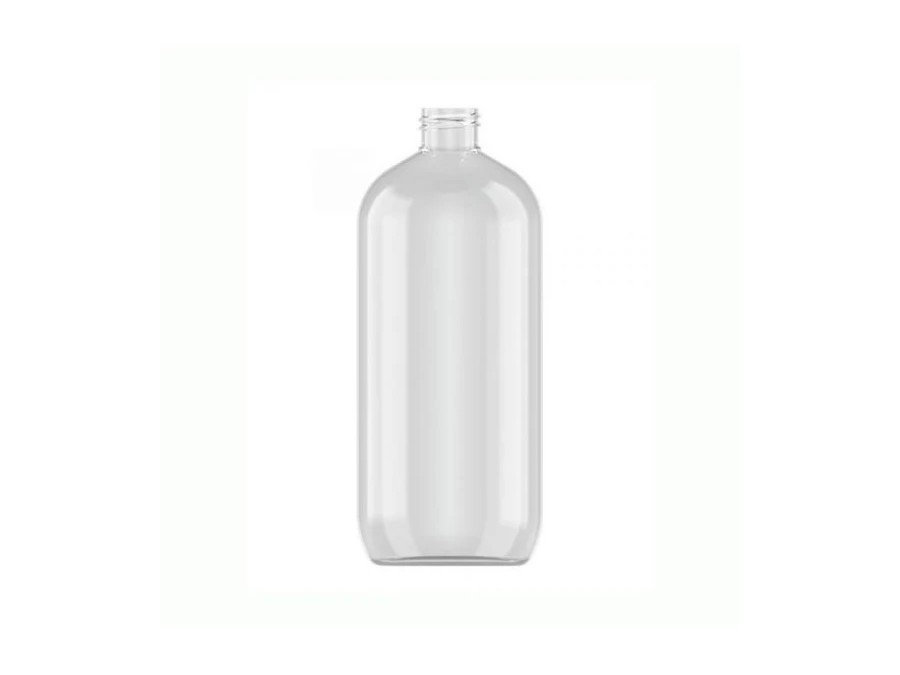
500ml, 28/410 neck, natural · Material: Natural HDPE
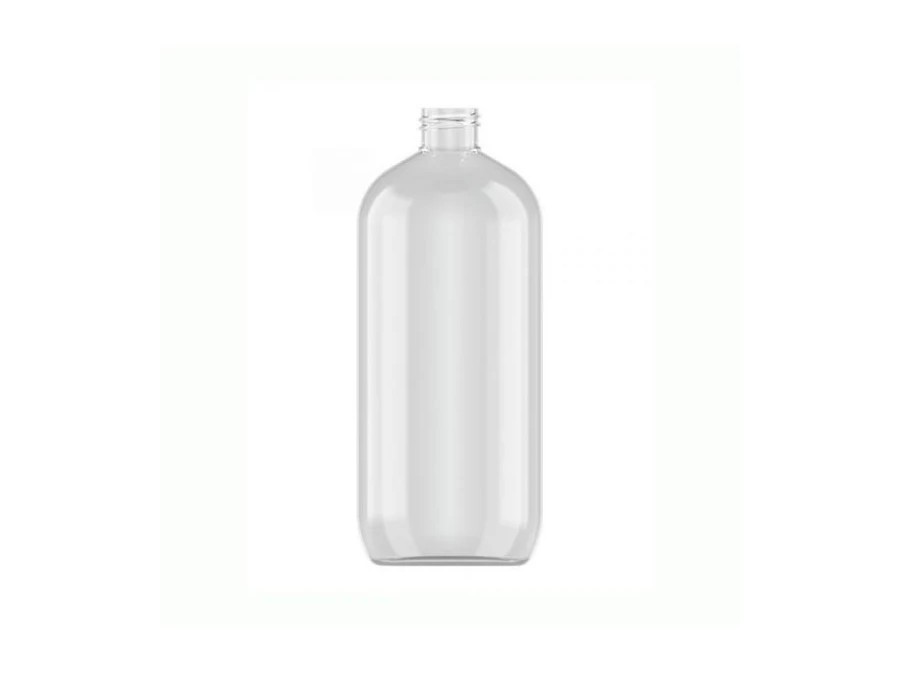
750ml, 28/400 neck, trigger compatible · Material: White HDPE
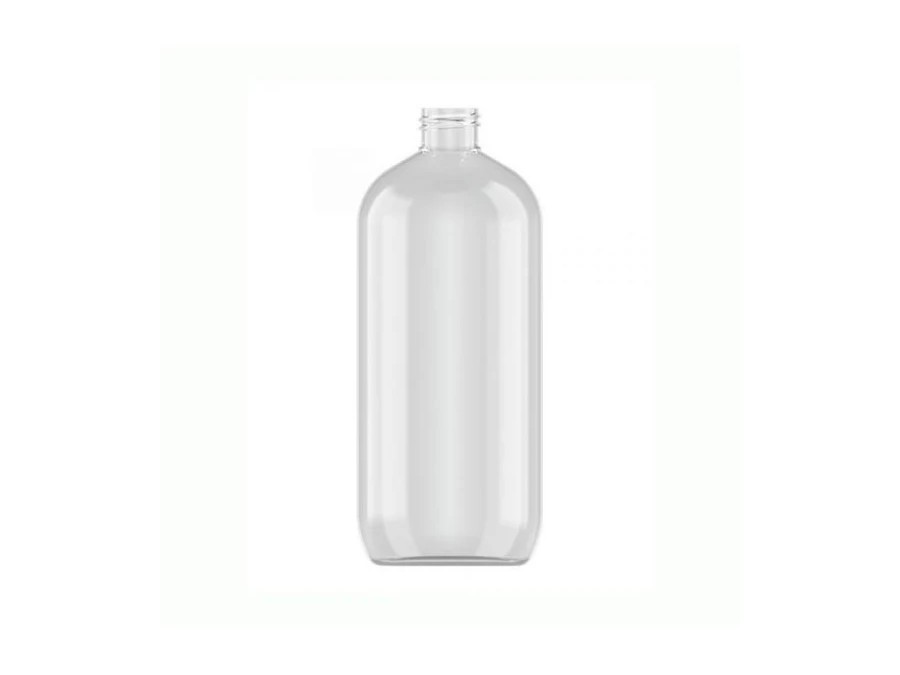
1L, 38mm neck, natural · Material: Natural HDPE
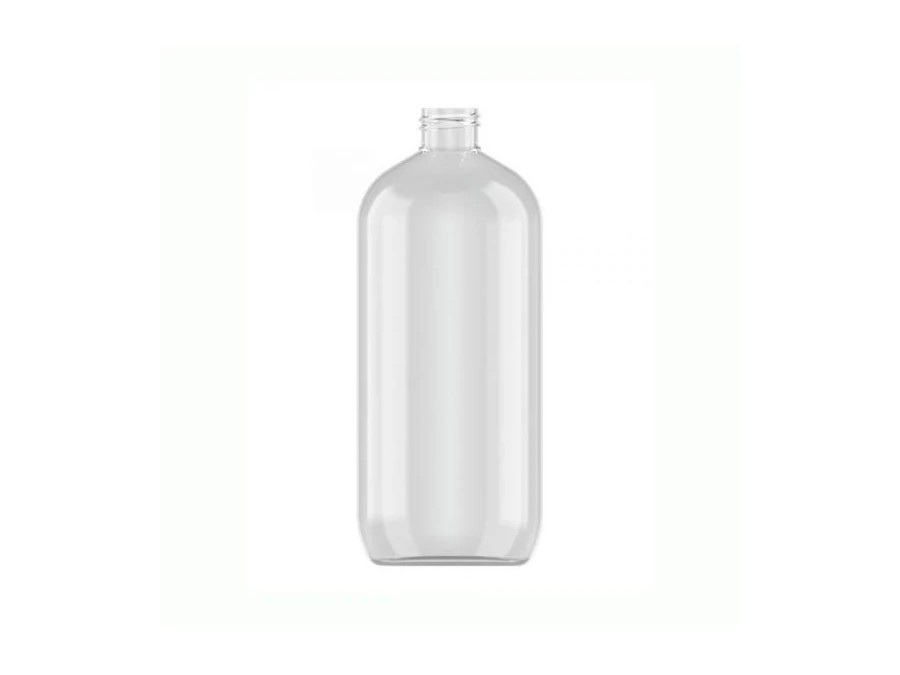
30ml, 18mm neck, pipette closure · Material: Amber glass
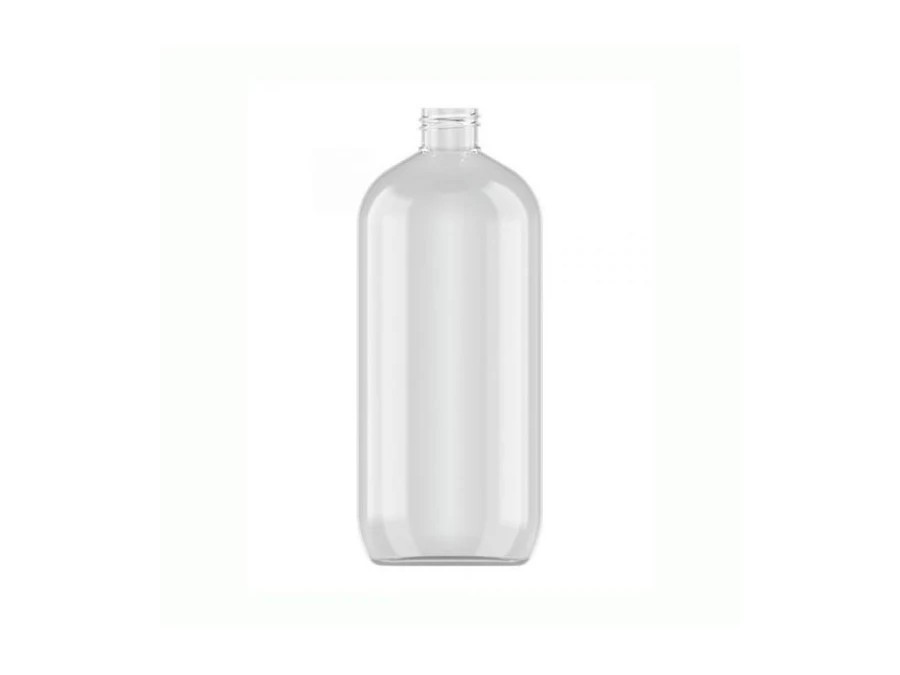
50ml, cork/screw finish · Material: Clear glass
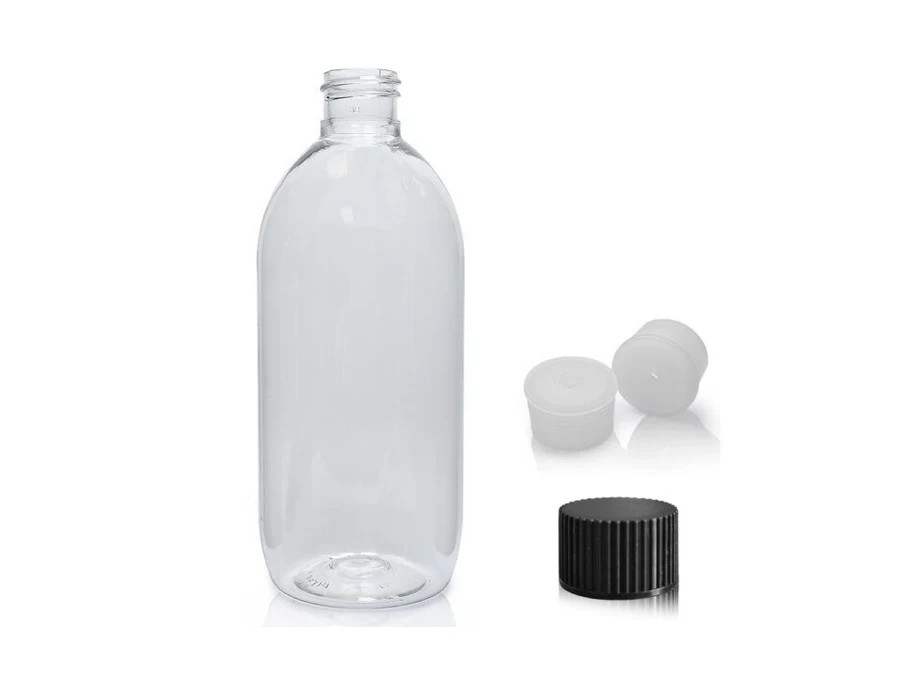
100ml, 28mm neck, no cap · Material: Clear glass
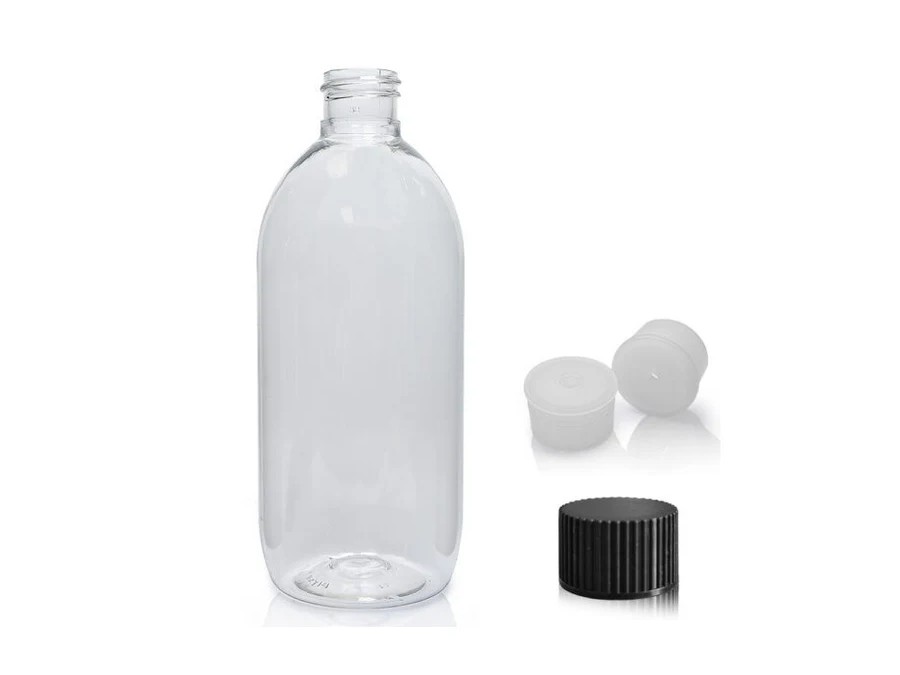
200ml, 28mm neck, amber · Material: Amber glass
250ml, ROPP neck · Material: Clear glass
330ml, crown neck · Material: Amber glass
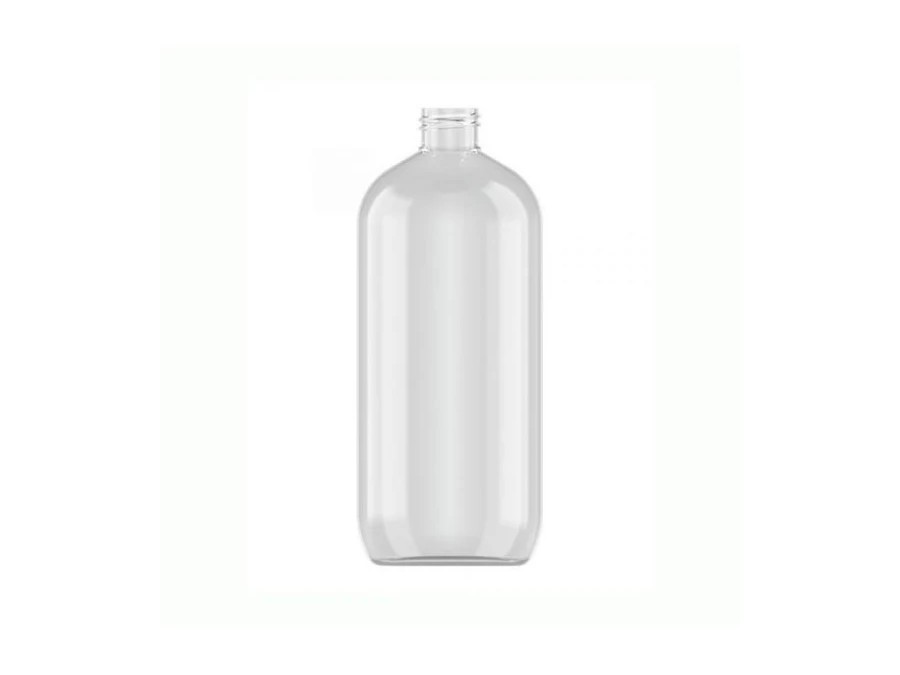
500ml, swing stopper closure · Material: Clear glass
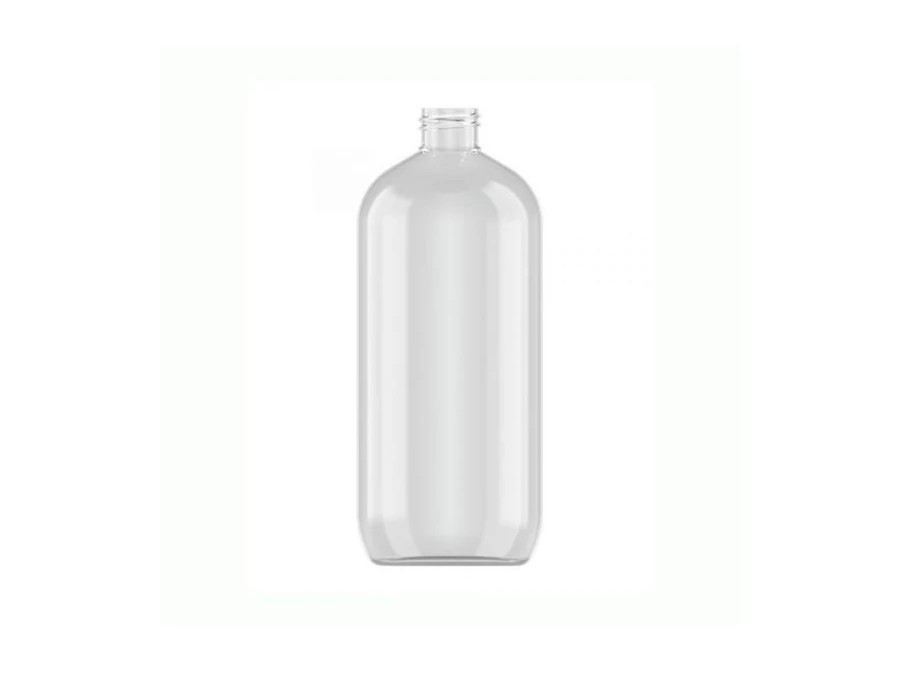
750ml, cork finish · Material: Clear glass
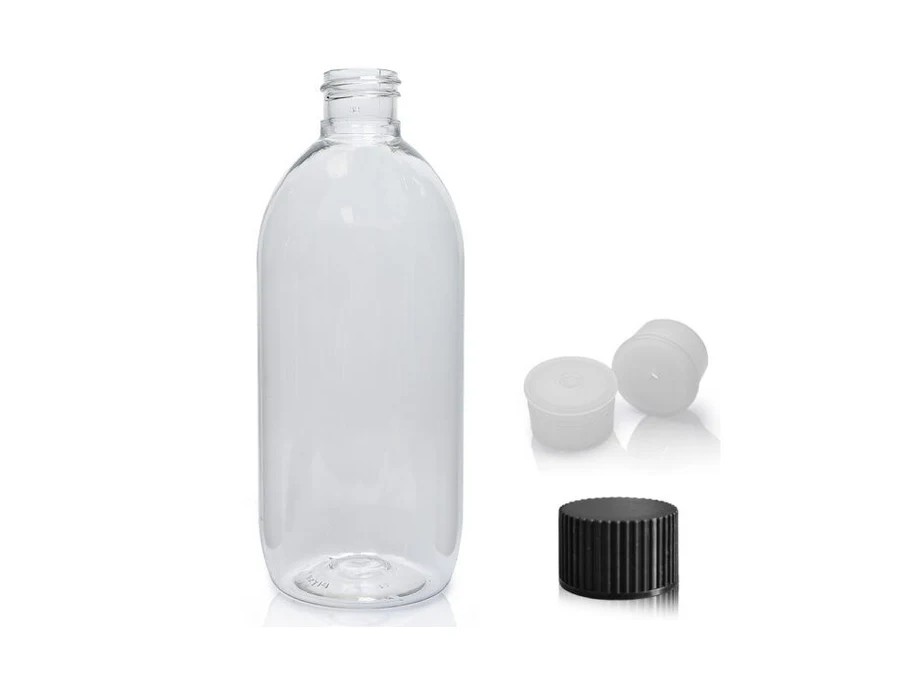
500ml, standard cap/nozzle cap options · Material: Clear PET
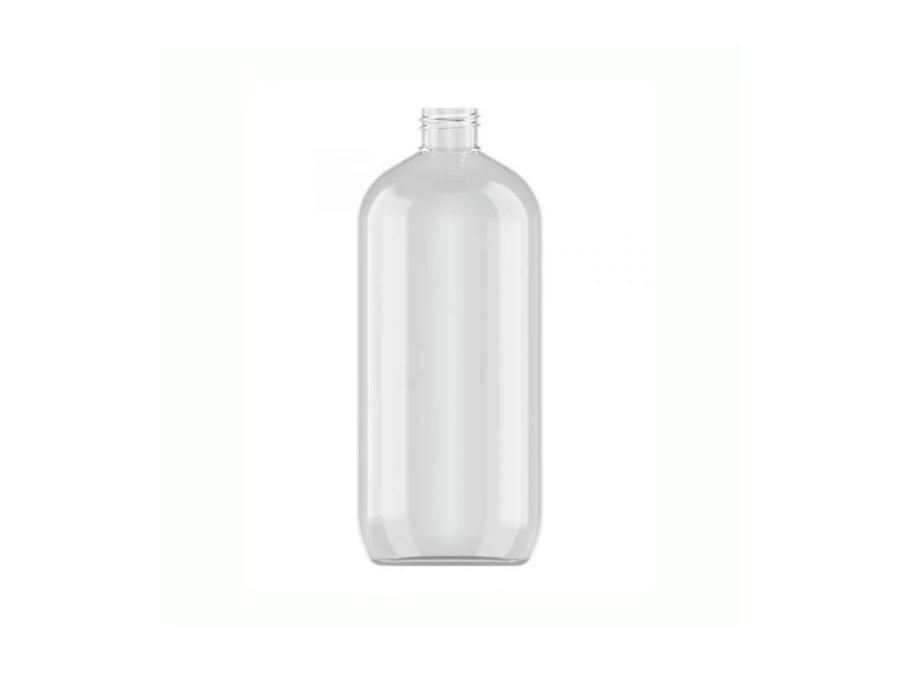
100ml, screw neck · Material: Aluminium
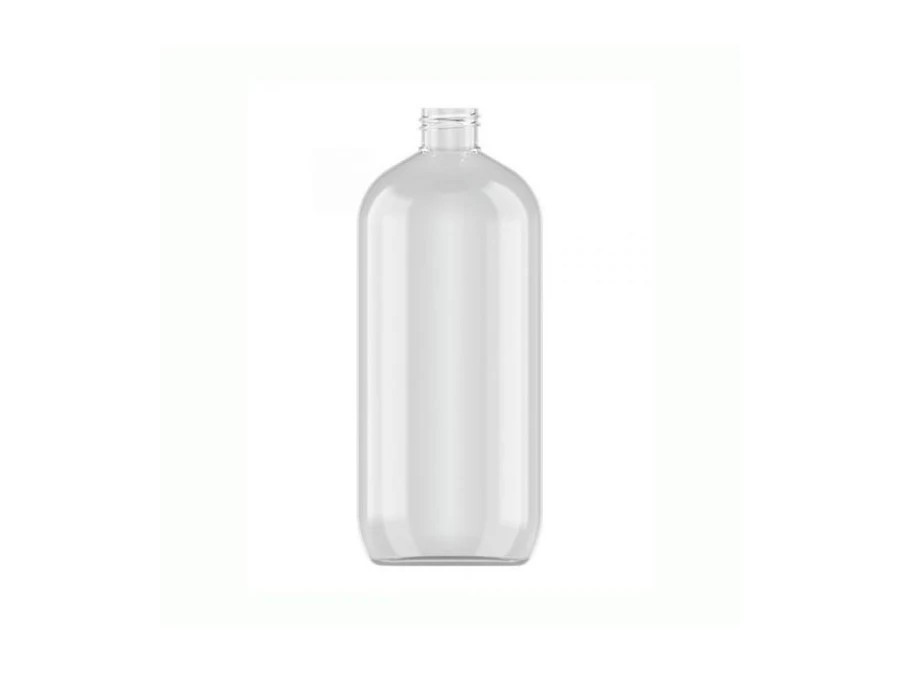
250ml, bullet profile, 24/410 neck · Material: Aluminium
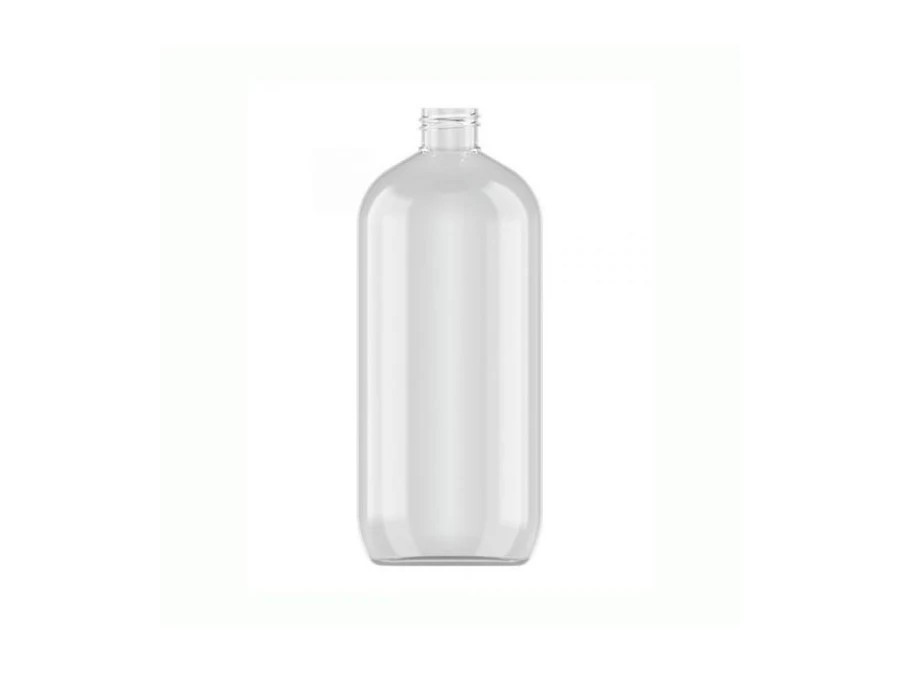
500ml, 28mm neck · Material: Aluminium
50ml, 20mm neck · Material: Clear PET
100ml, 20/410 disc-top cap · Material: Clear PET
150ml, flip-top cap · Material: Amber PET
200ml, pump closure · Material: Clear PET
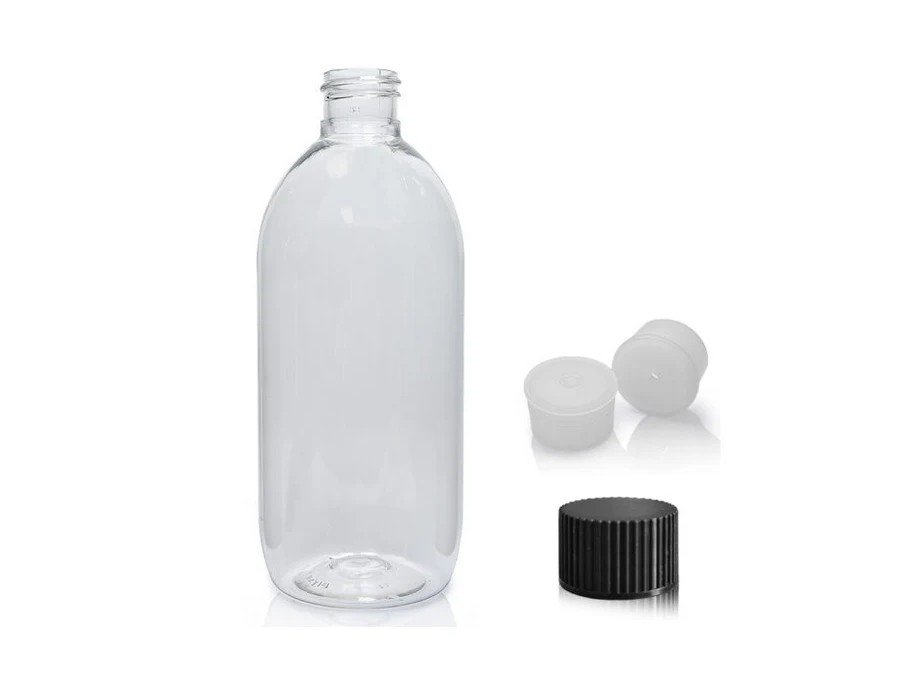
300ml, disc top cap · Material: Clear PET
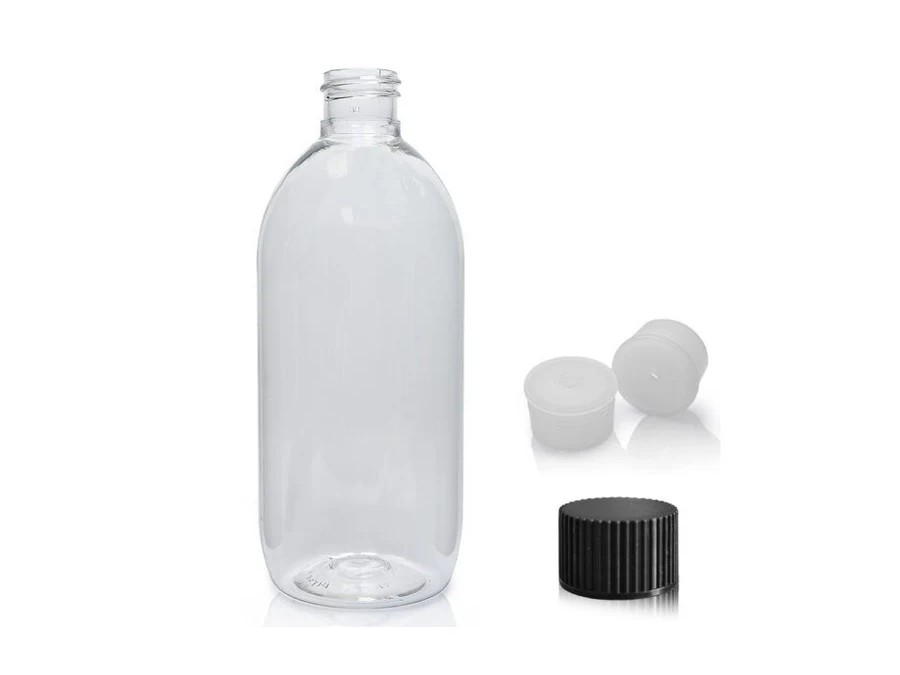
500ml, pump closure · Material: Amber PET
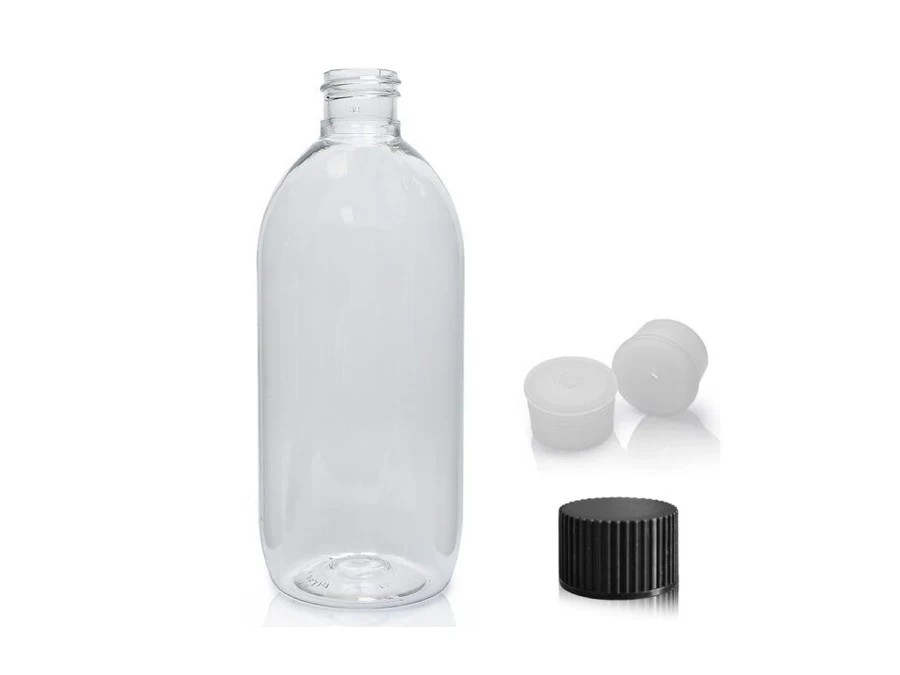
1L, 38mm tamper-evident cap · Material: Clear PET
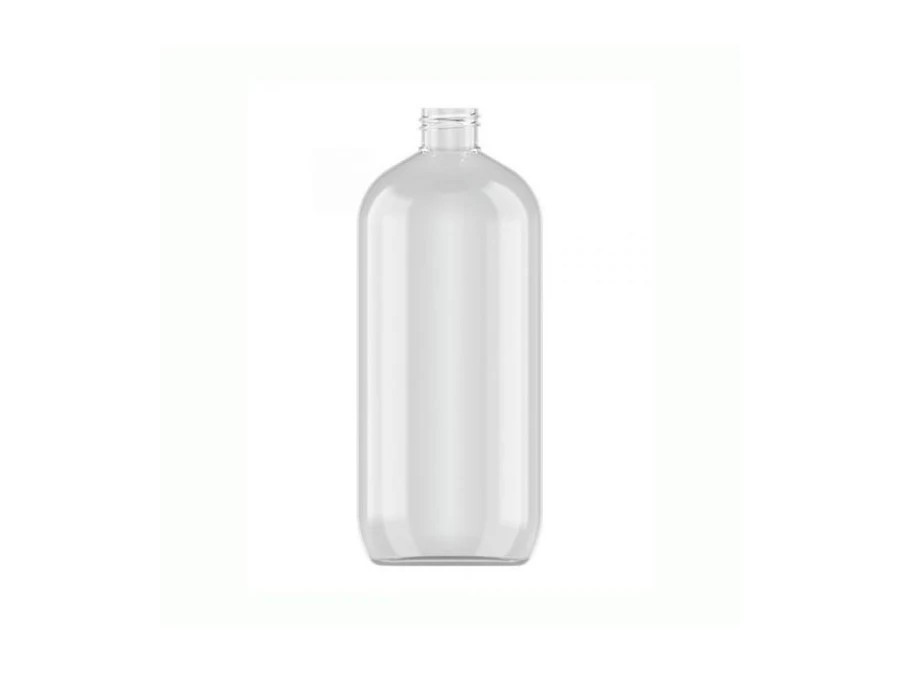
30ml, fine nozzle and overcap · Material: Natural LDPE
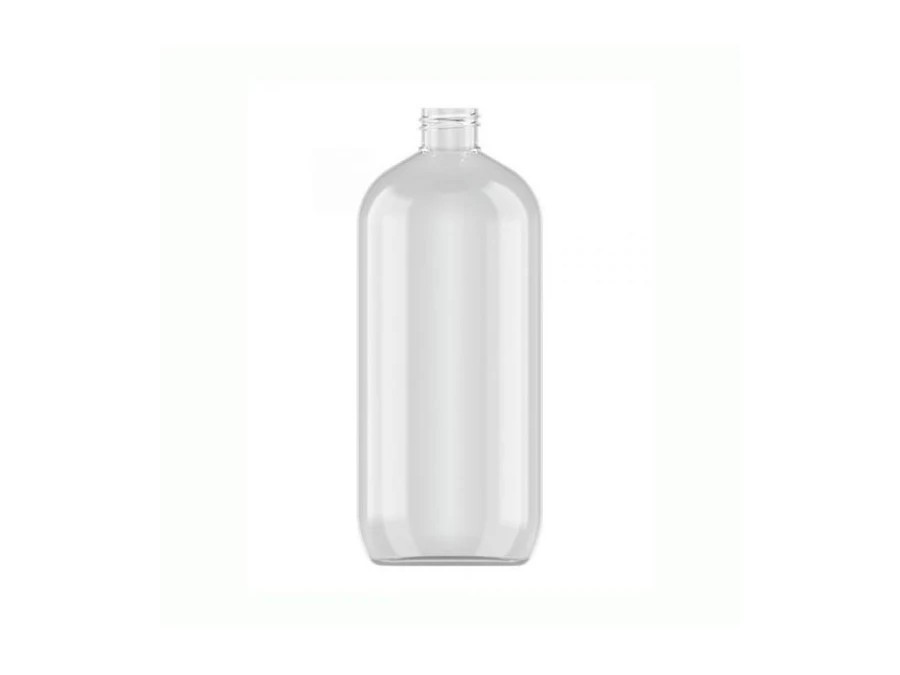
60ml, plug insert/dropper · Material: Natural LDPE
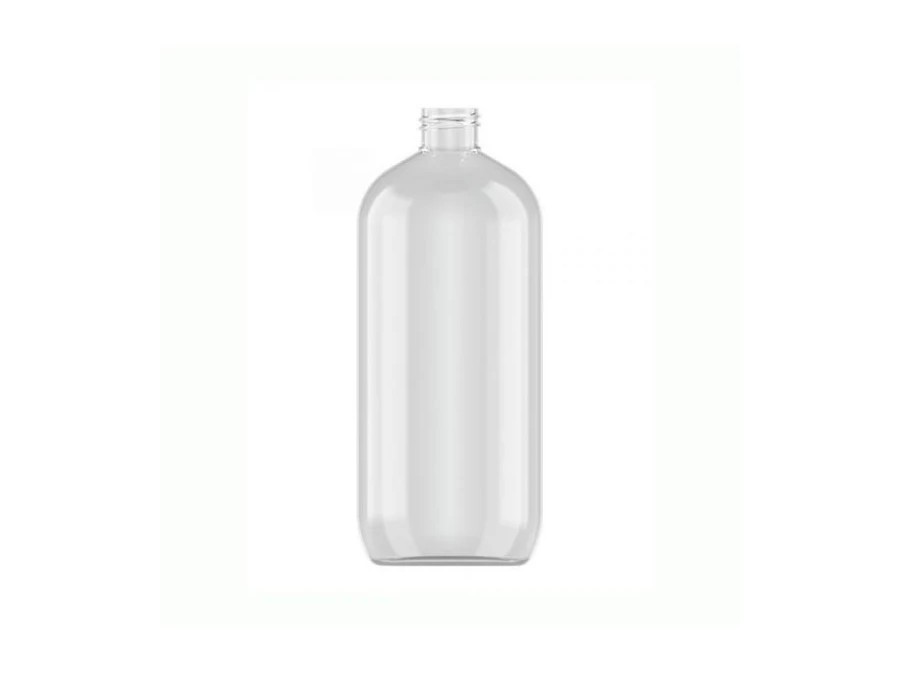
125ml, wide mouth 38mm · Material: White HDPE
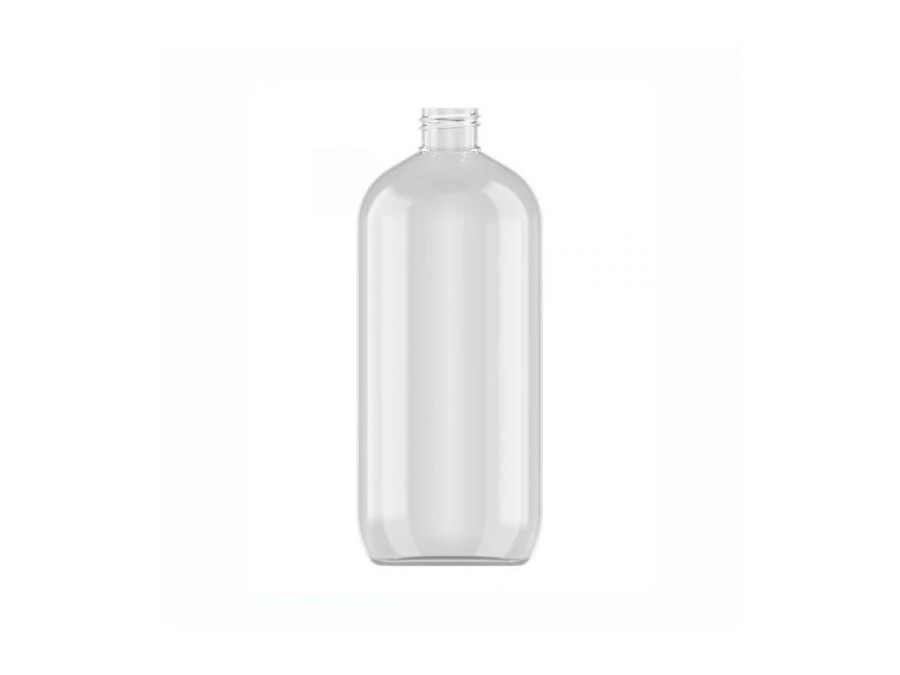
250ml, wide mouth 45mm · Material: White HDPE
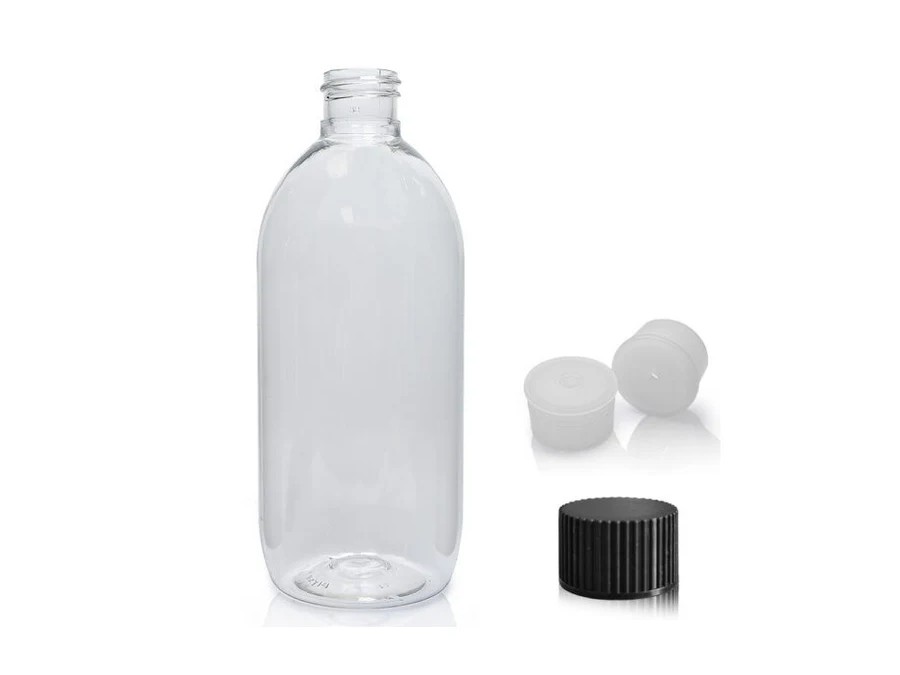
100ml, foaming pump · Material: Clear PET
150ml, foaming pump · Material: Clear PET
200ml, white foamer pump · Material: Clear PET
100ml, pump finish · Material: Frosted glass
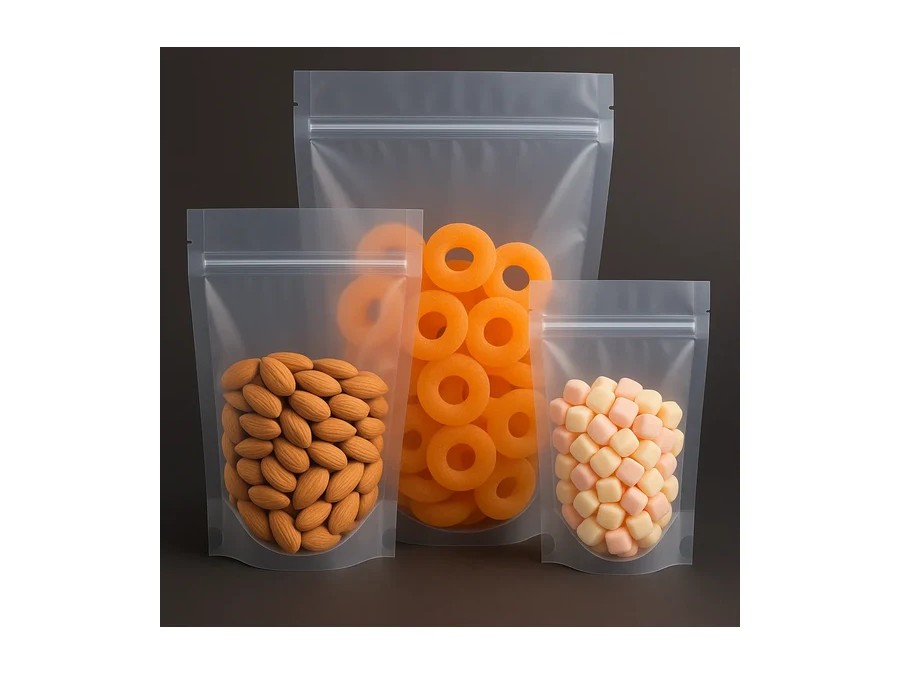
180 x 290mm + 90mm gusset; 1000ml; 98 micron · Material: Clear recyclable laminate
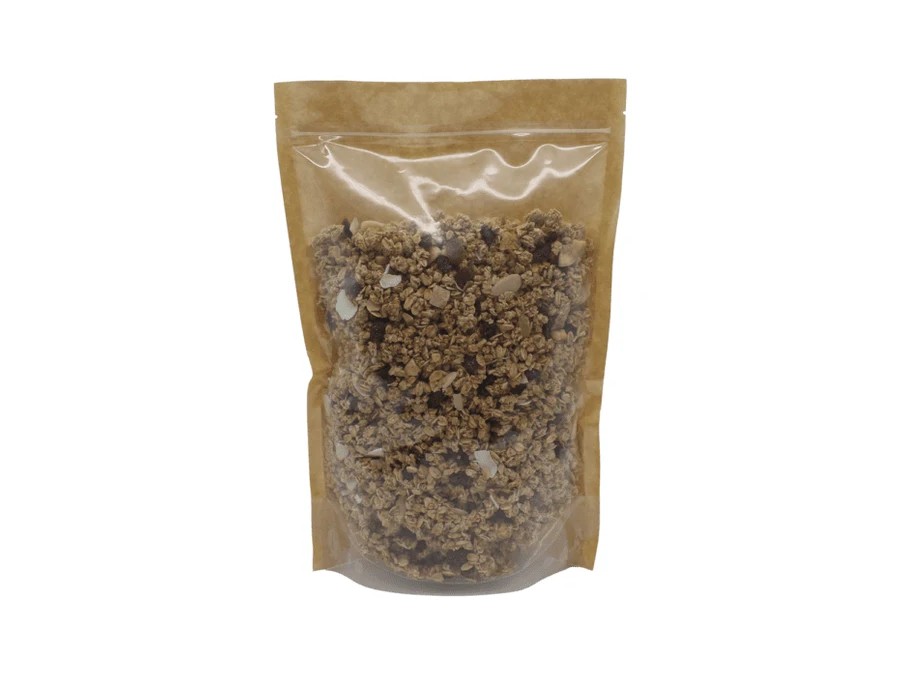
160 x 270 x 90mm bottom gusset · Material: White kraft laminate + window
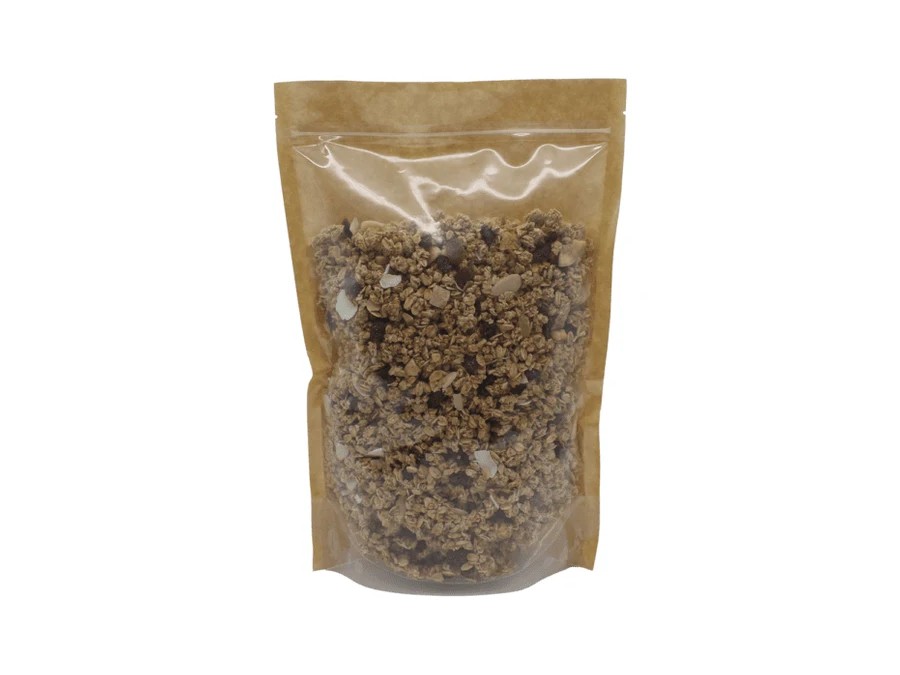
multiple sizes; circular window · Material: Brown kraft laminate + window
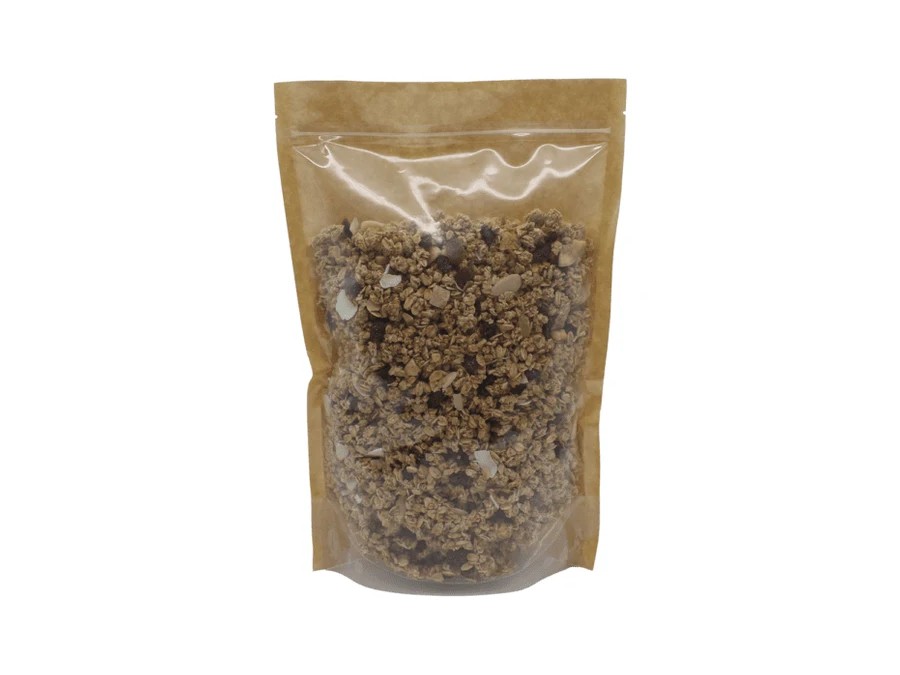
5 sizes; order from 100 pieces · Material: Multi-material kraft-look laminate
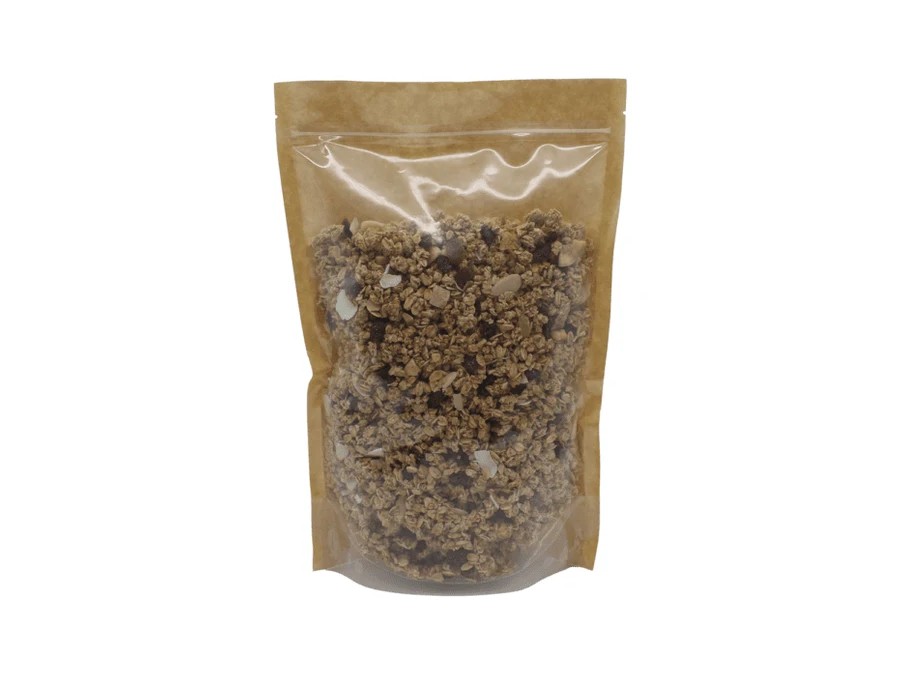
11 sizes, brown kraft, high protection · Material: Brown kraft multi-layer laminate
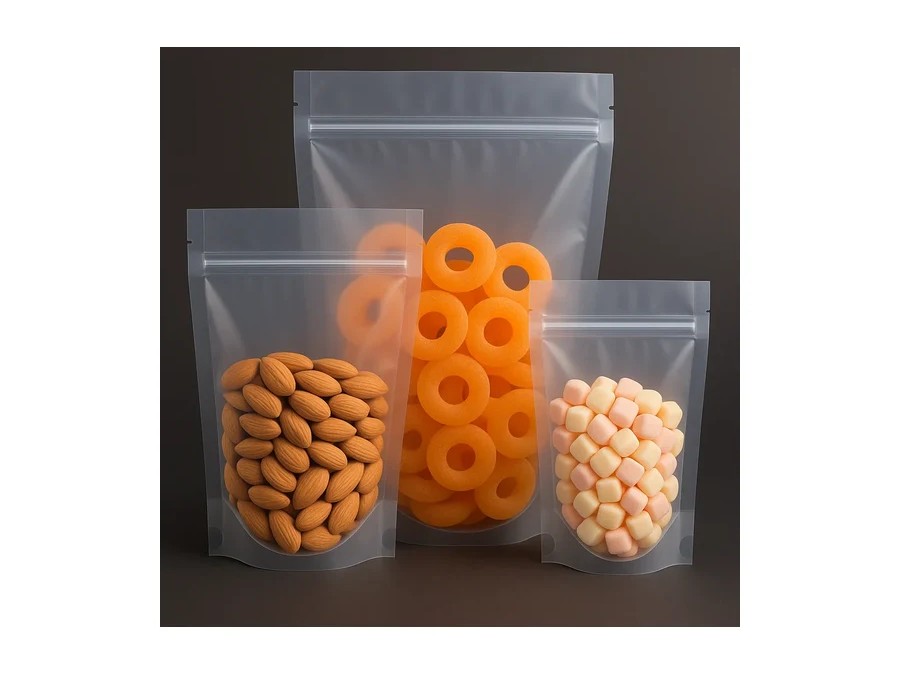
70g; 110 x 170 x 70mm; 100 pcs · Material: Clear/brown kraft laminate
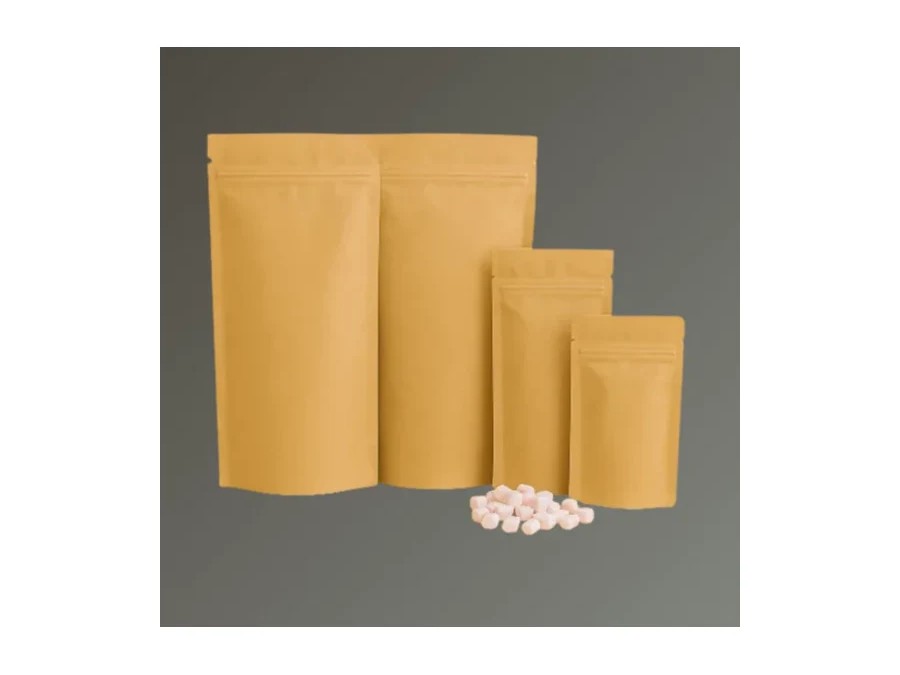
1kg; 100 pcs · Material: Holographic plastic laminate
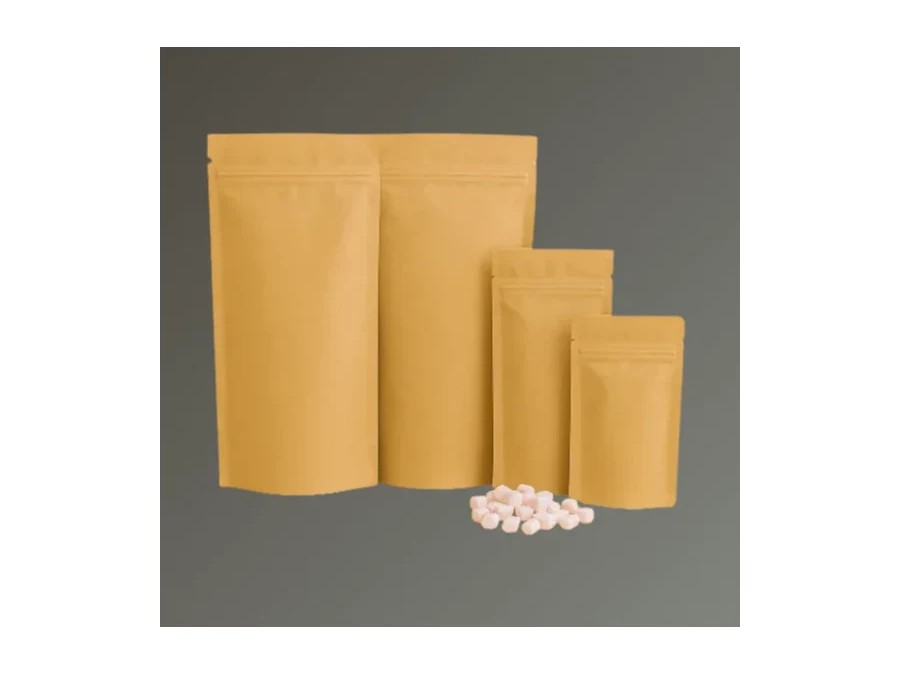
70g; 110 x 170 x 70mm; 100 pcs · Material: Silver matt plastic laminate
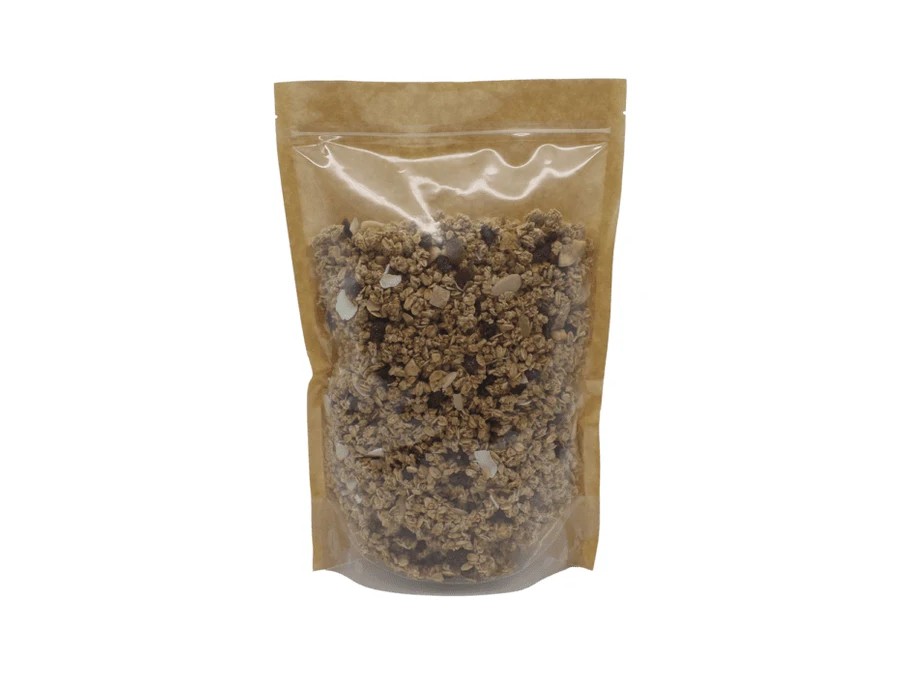
1kg; valve; 100 pcs · Material: White matt plastic laminate
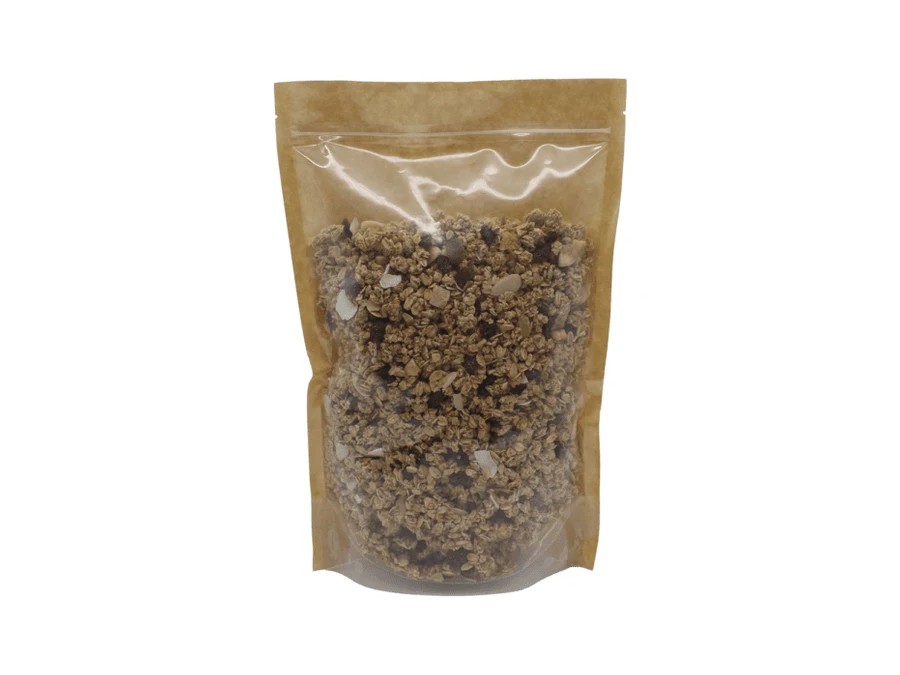
70g; window; 100 pcs · Material: Silver matt laminate + window
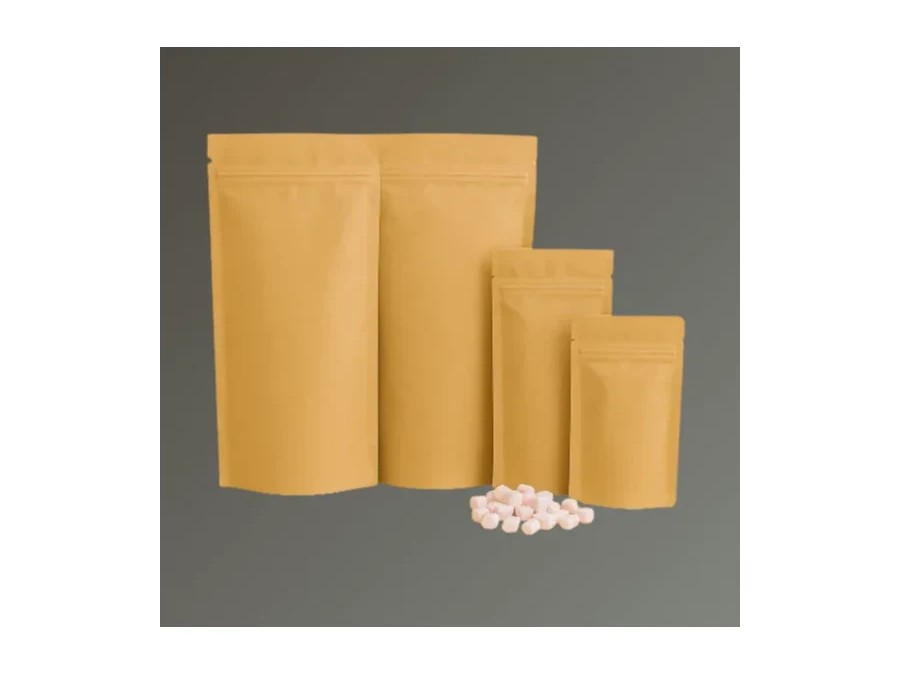
50g; 90 x 140 x 50mm; 100 pcs · Material: Holographic plastic laminate
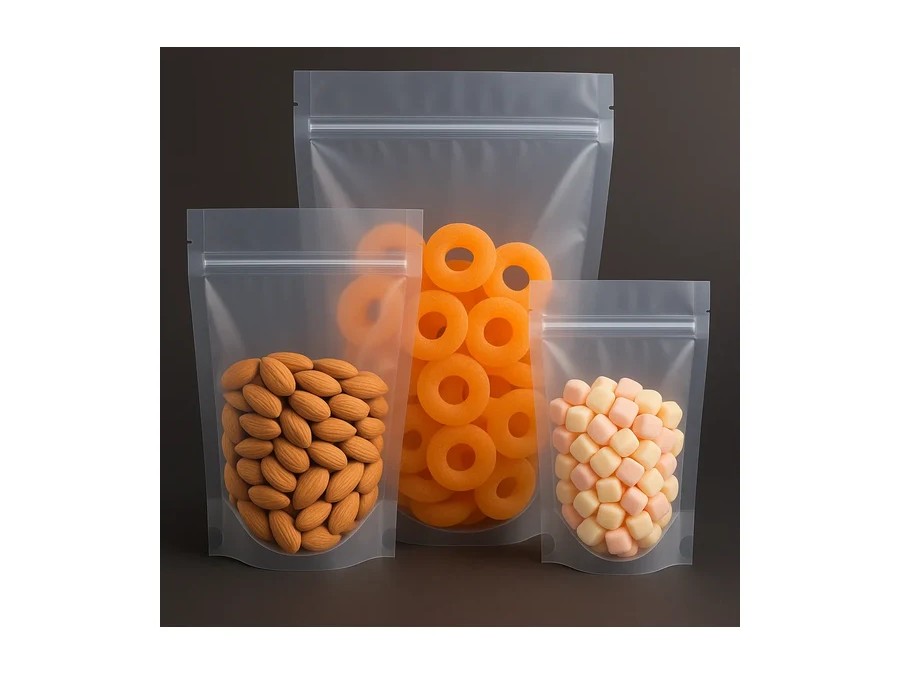
50g; 100 pcs · Material: Clear/brown kraft laminate
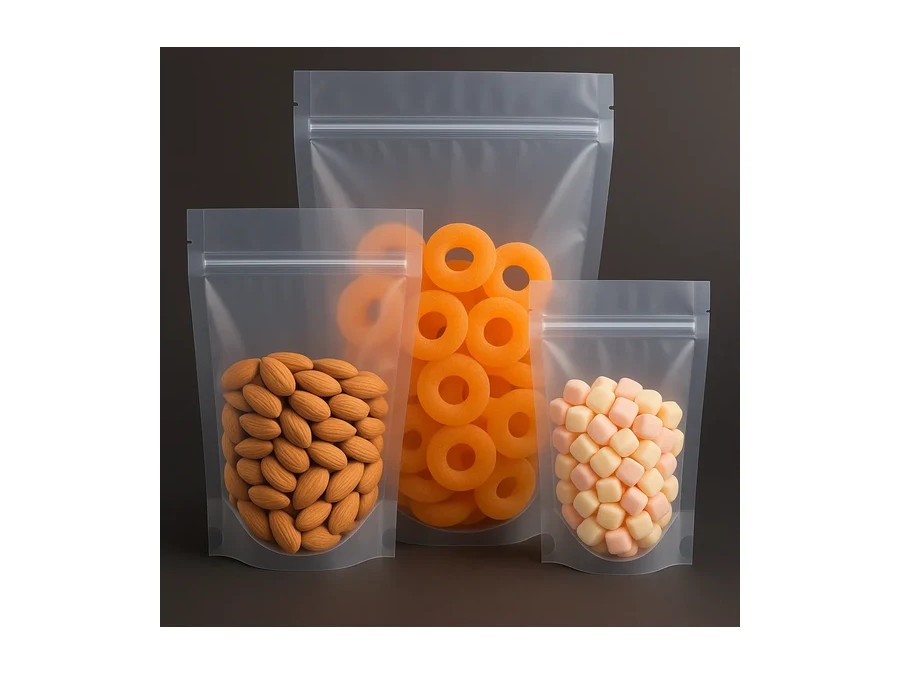
100g, clear front/brown back, resealable · Material: Clear/brown kraft laminate
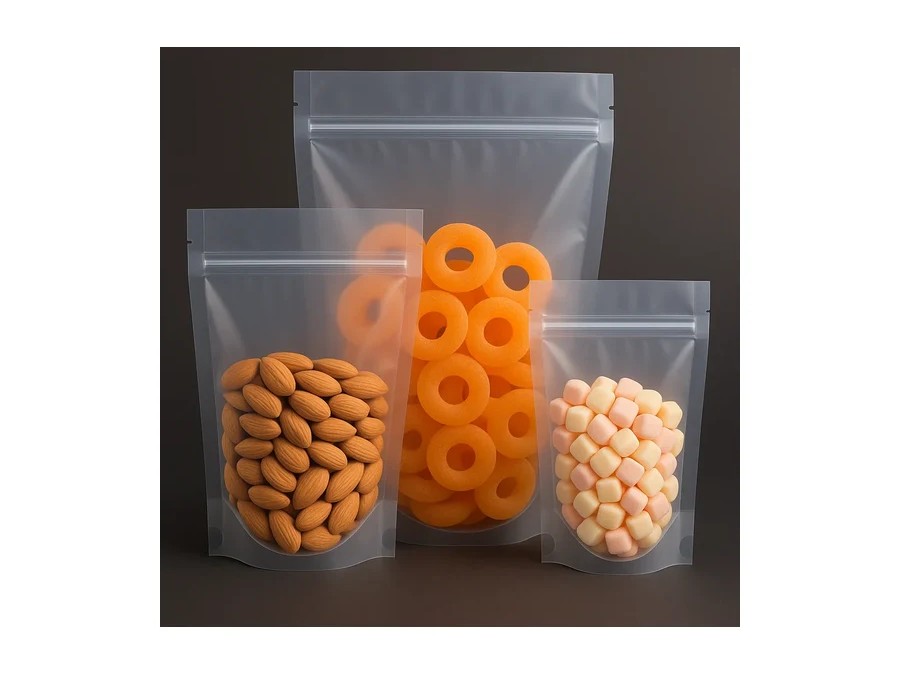
250g, clear front/brown back, zipper · Material: Clear/brown kraft laminate
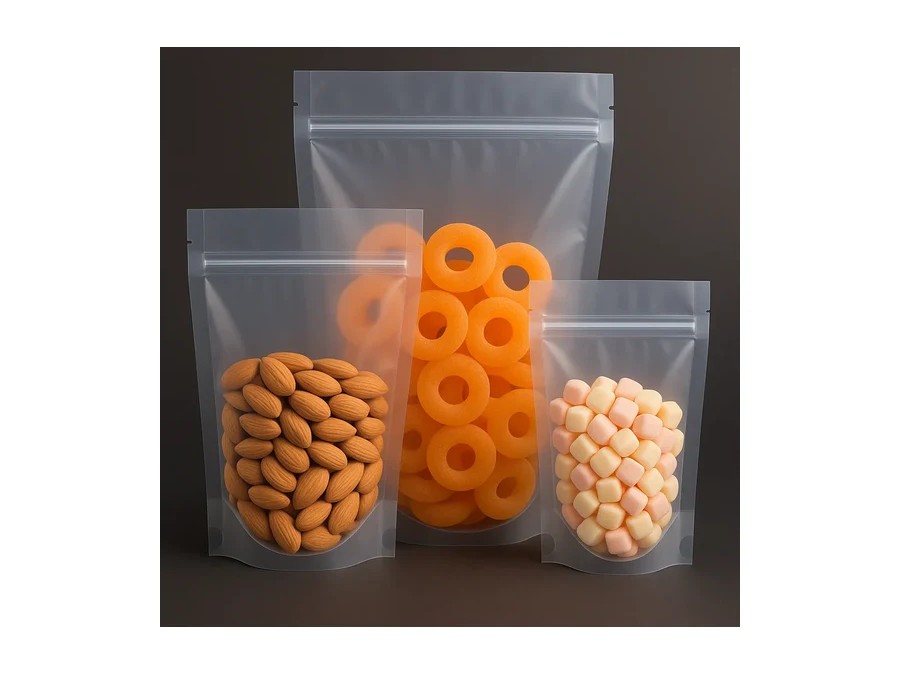
500g, clear front/brown back, zipper · Material: Clear/brown kraft laminate
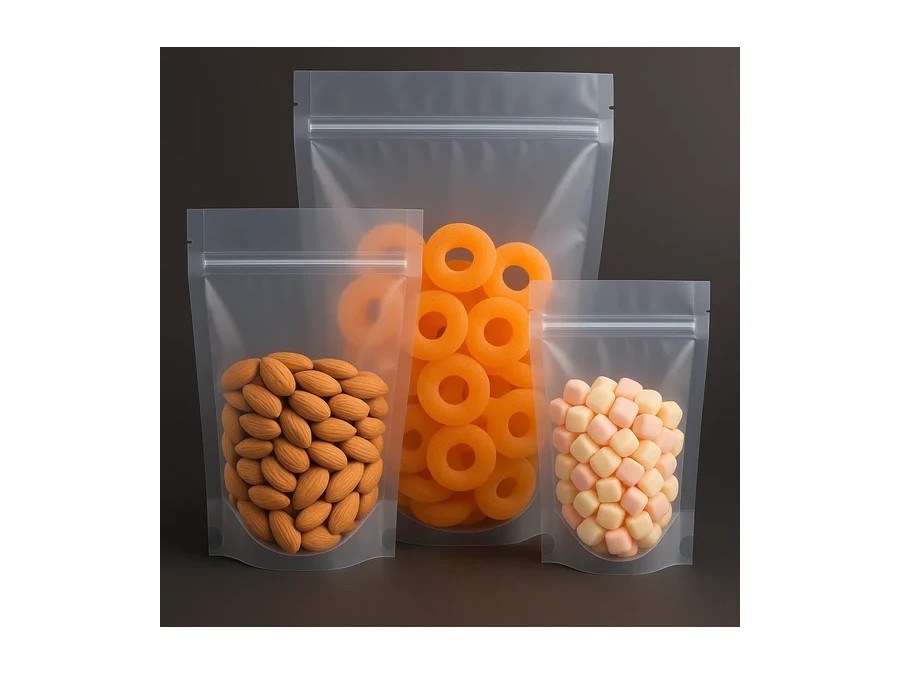
750g, zipper and tear notches · Material: Clear/brown kraft laminate
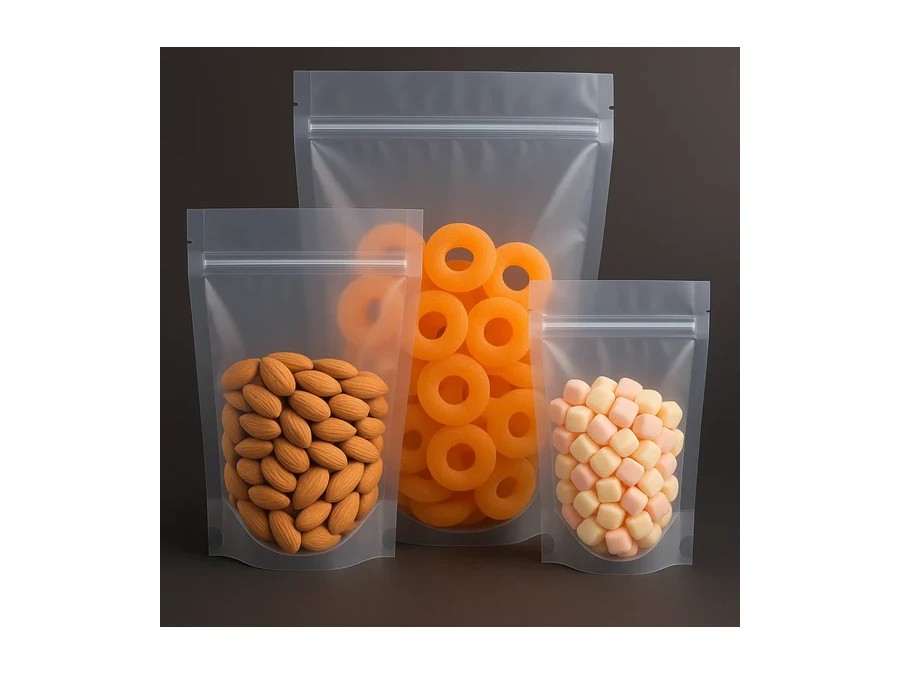
1kg, resealable zipper · Material: Clear/brown kraft laminate
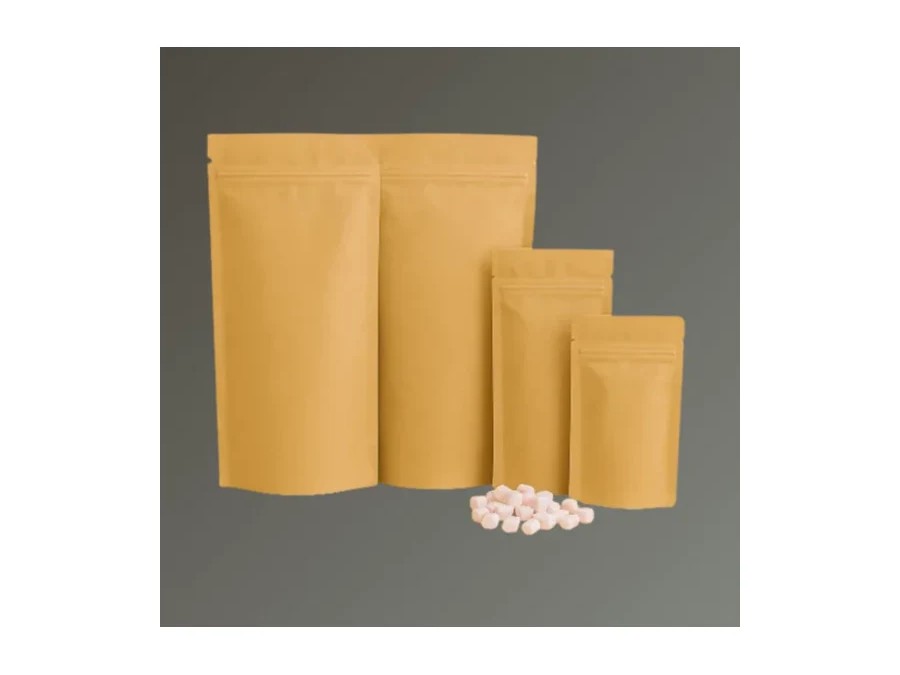
100g, silver matt, no window · Material: Silver matt laminate
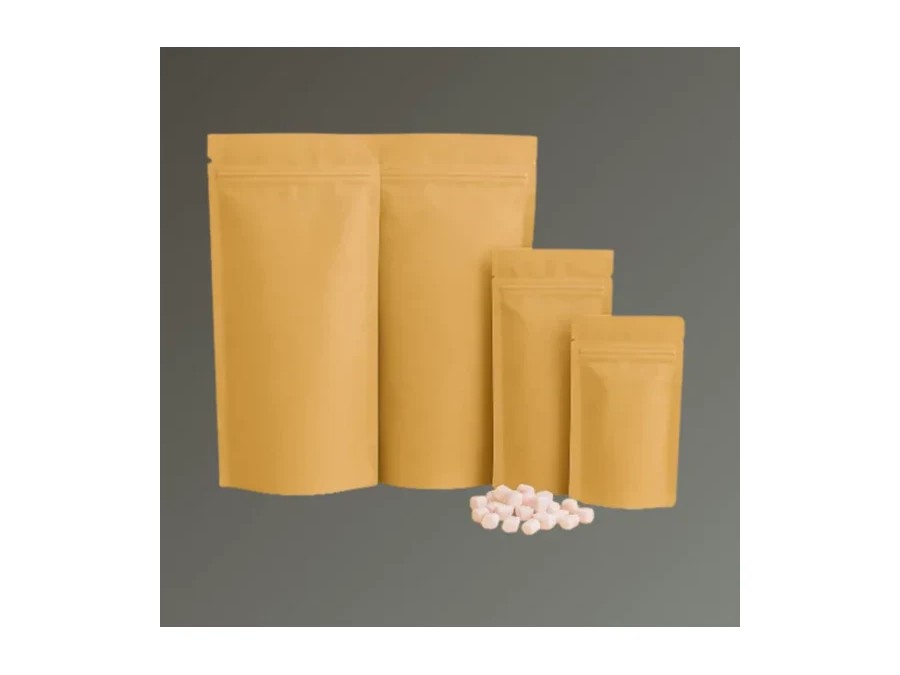
250g, silver matt, no window · Material: Silver matt laminate
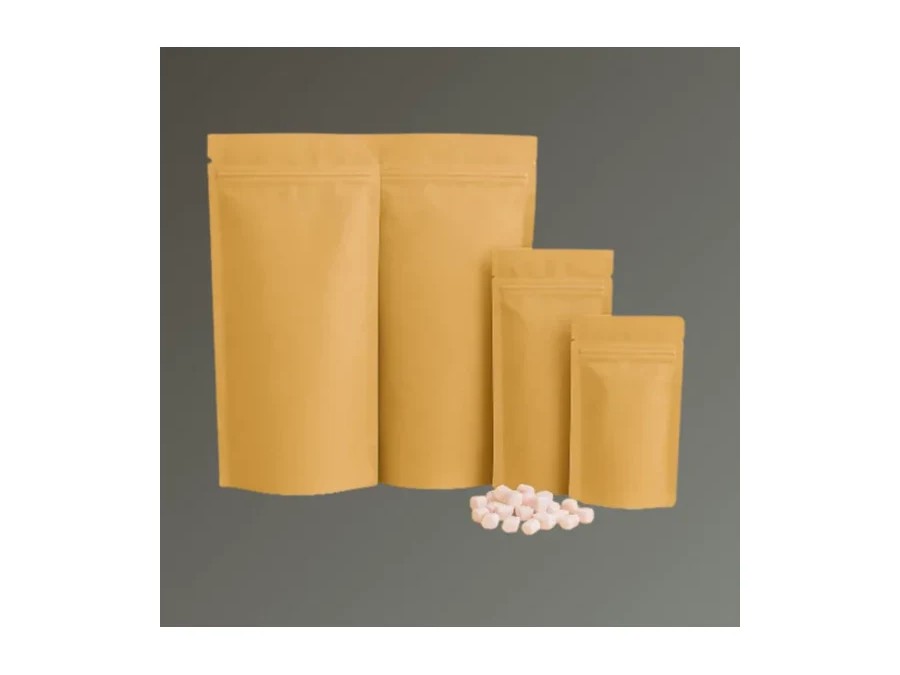
500g, silver matt, no window · Material: Silver matt laminate
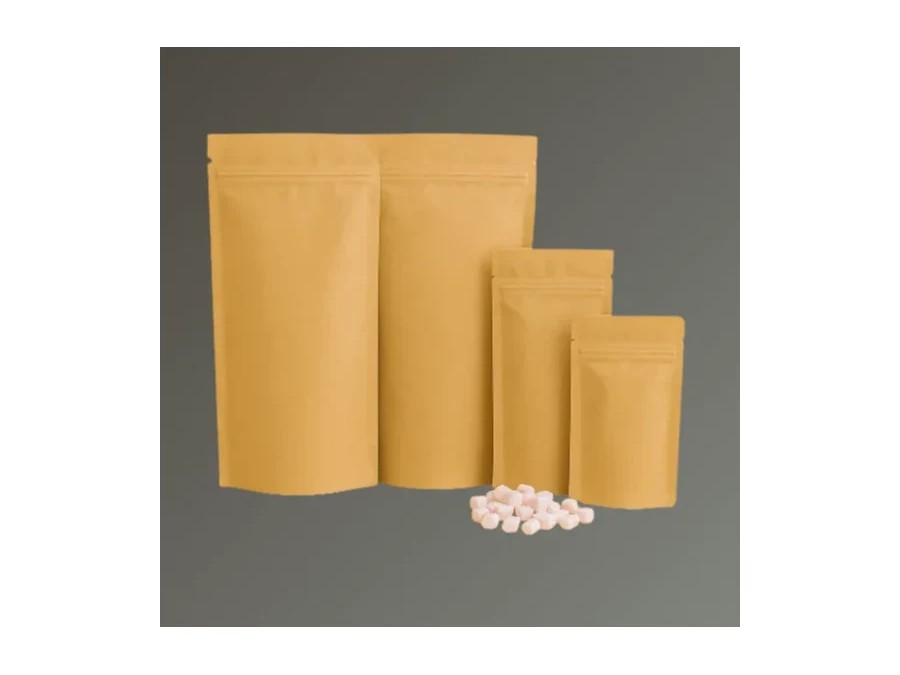
1kg, silver matt, no window · Material: Silver matt laminate
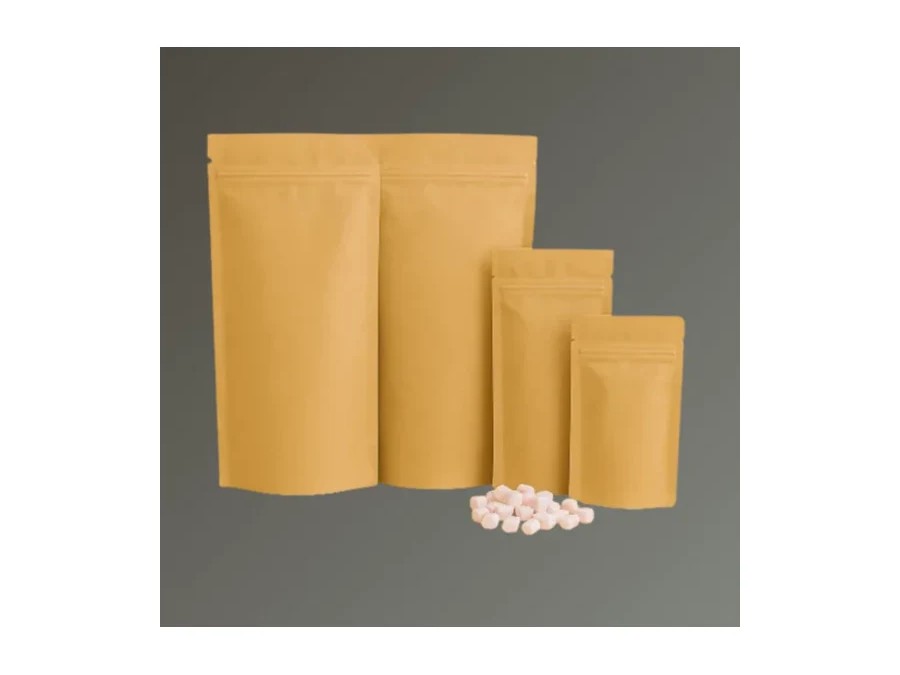
250g, one-way valve, zipper · Material: Black matt laminate
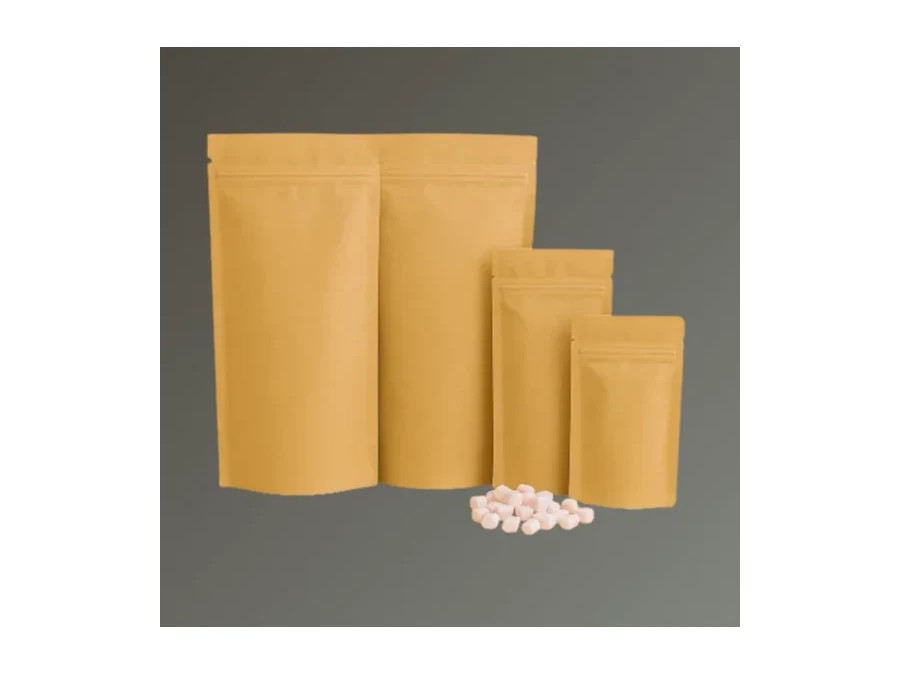
500g, one-way valve, zipper · Material: Black matt laminate
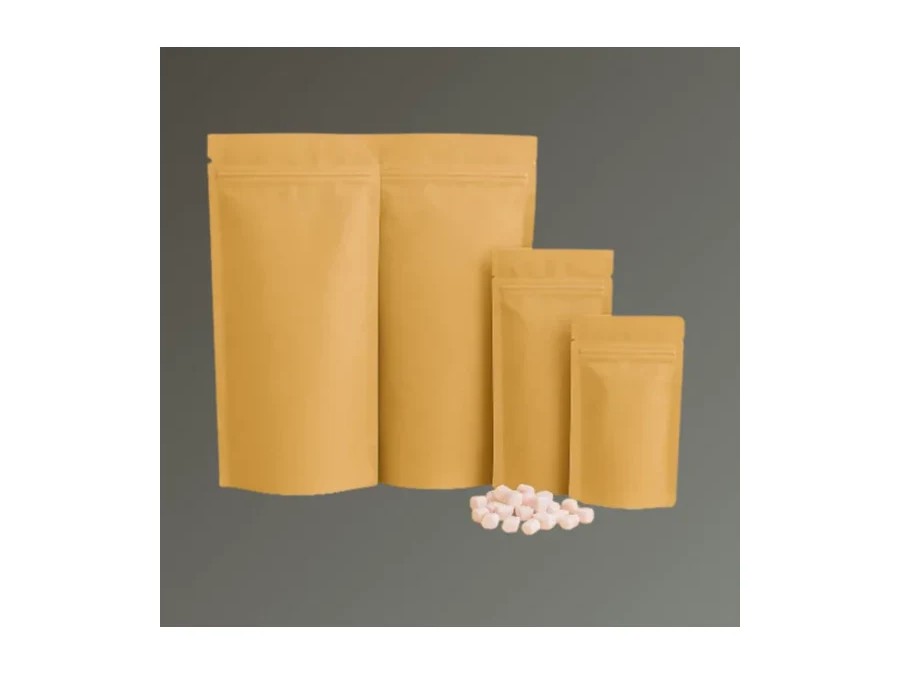
1kg, one-way valve, zipper · Material: Black matt laminate
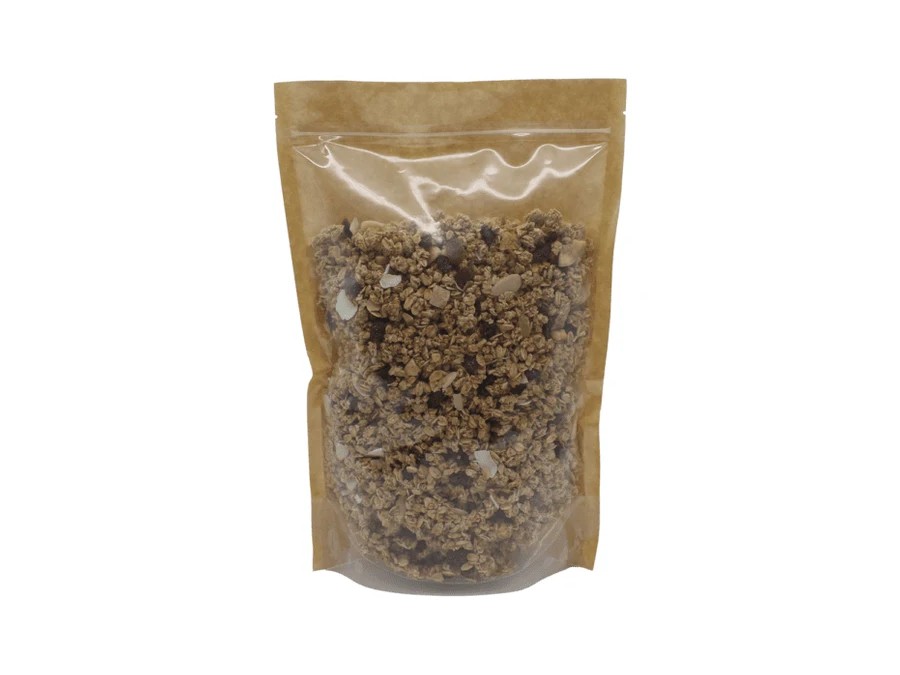
multiple sizes, oval window · Material: Brown kraft laminate + window
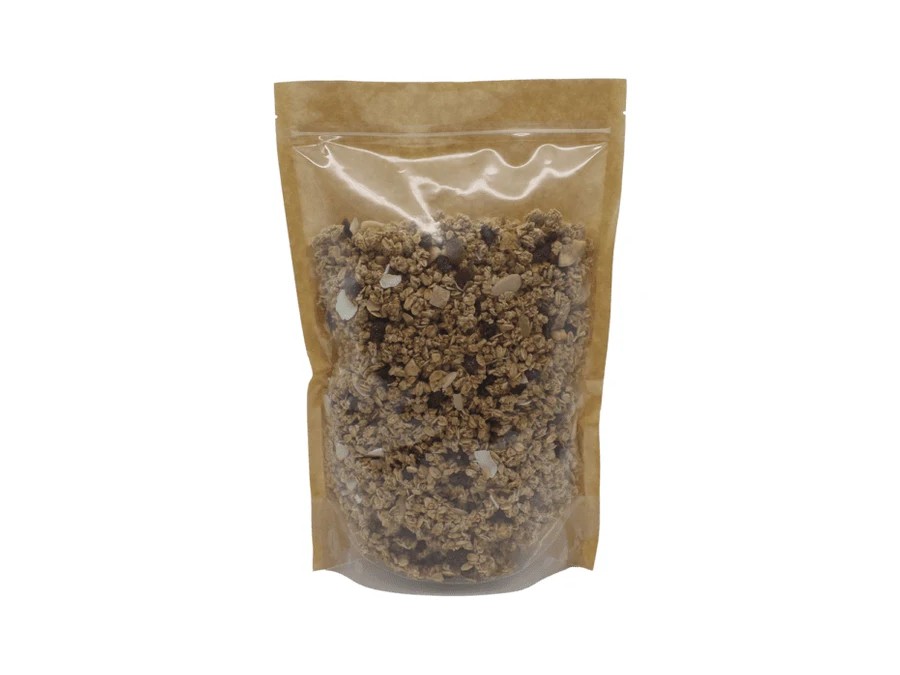
multiple sizes, resealable zip · Material: Black kraft laminate + window
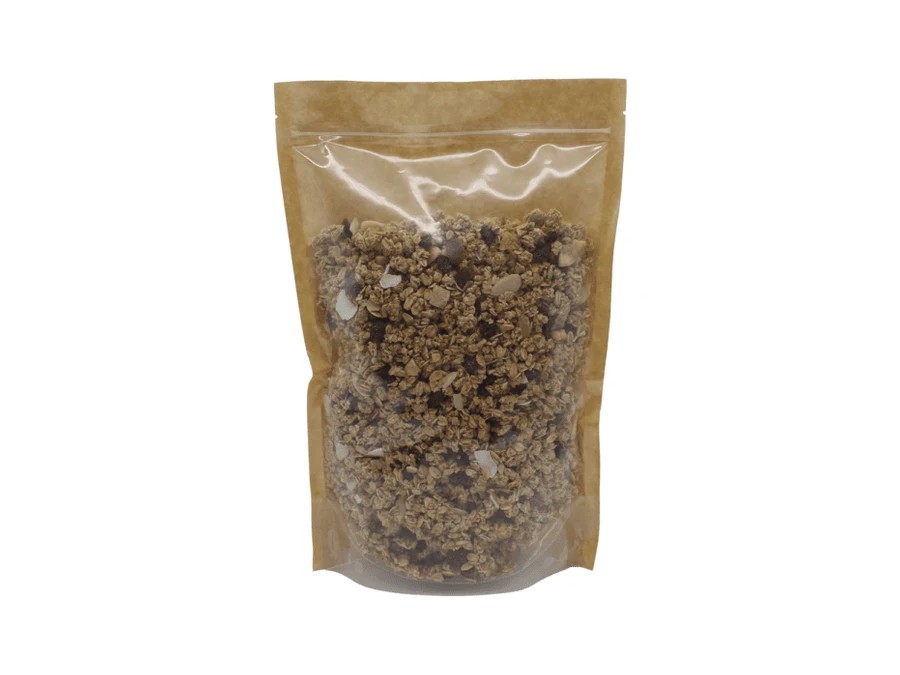
multiple sizes, no window, zipper · Material: White kraft laminate
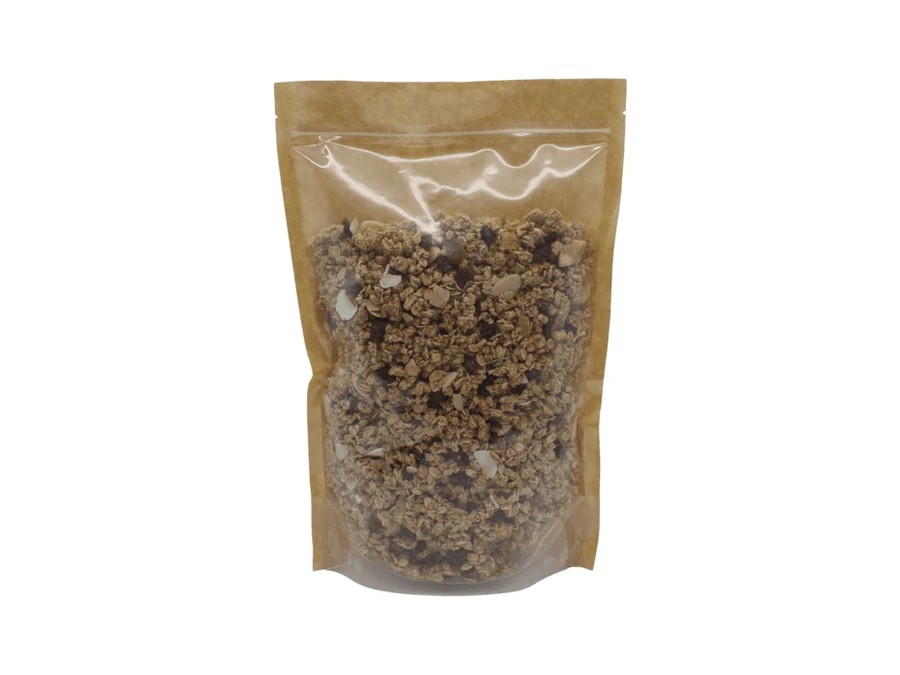
multiple sizes, no window, zipper · Material: Brown kraft laminate
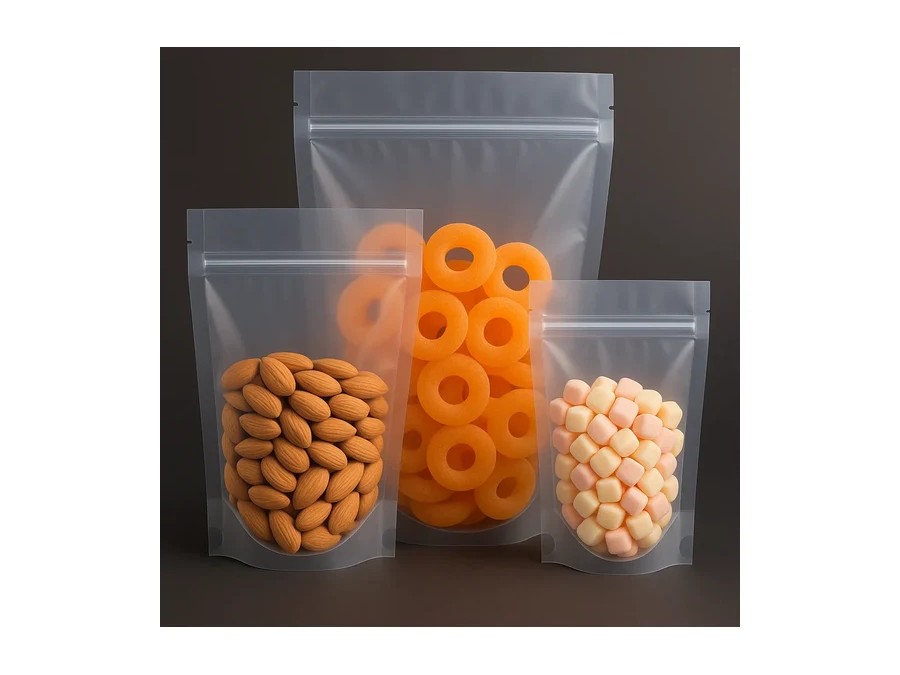
multiple sizes, resealable · Material: Clear + silver laminate
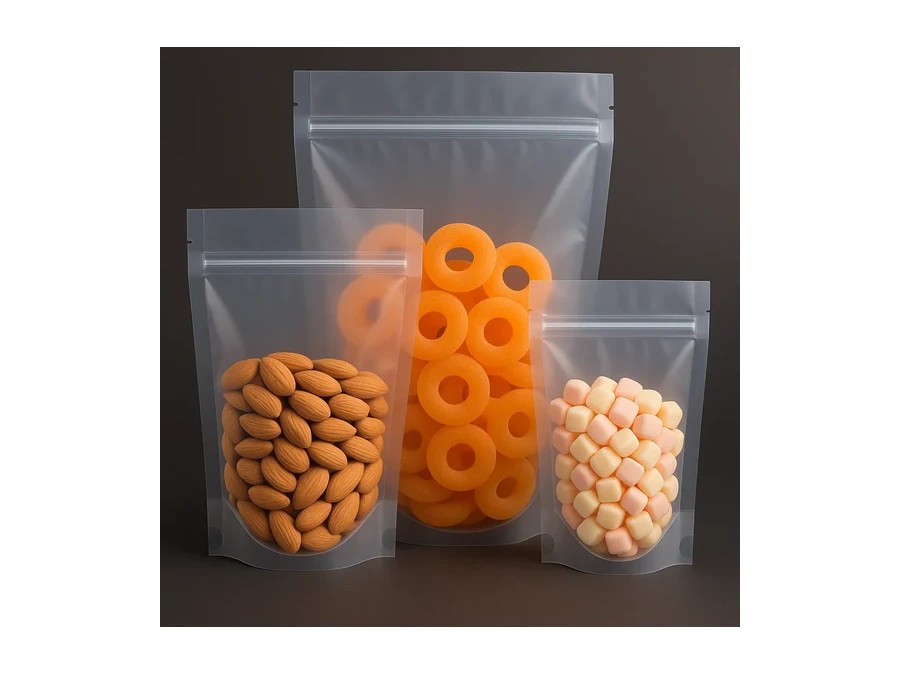
multiple sizes, resealable · Material: Clear + gold laminate
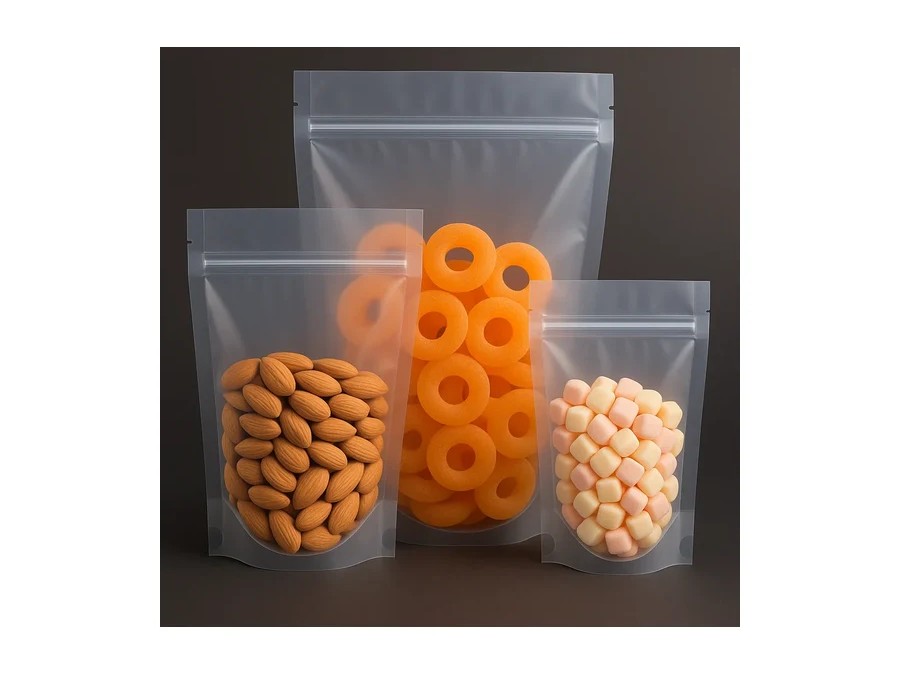
8 sizes; clear; order from 100 · Material: Clear recyclable laminate
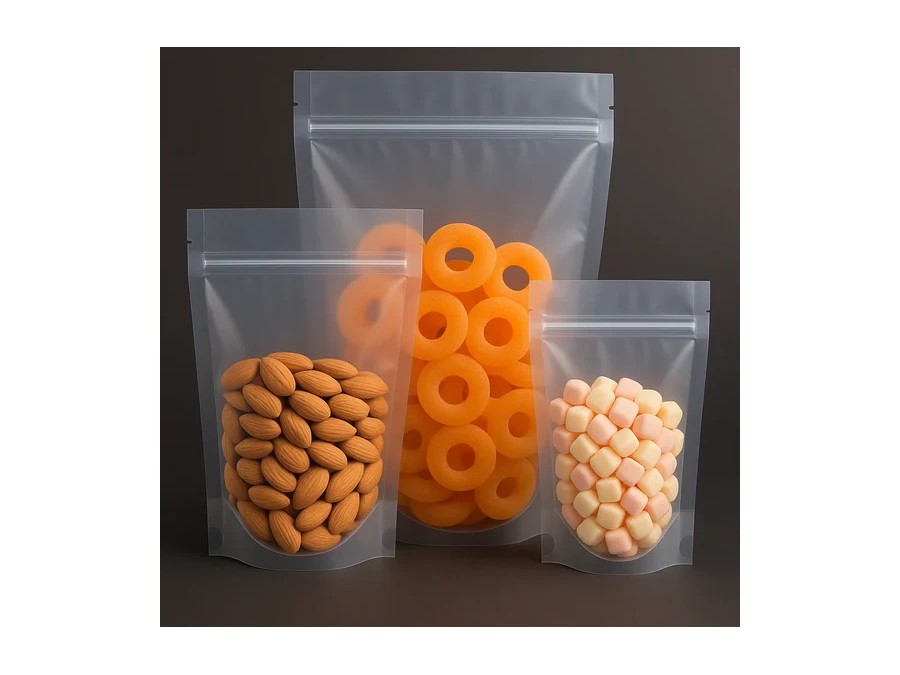
7 sizes, clear front/shiny black back · Material: Clear/shiny black laminate
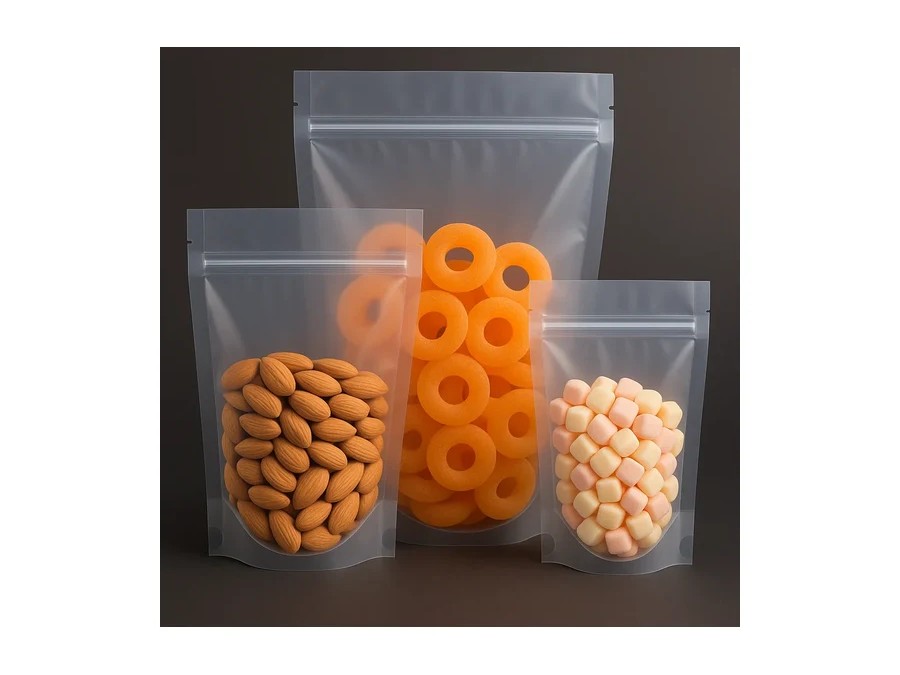
6 sizes, clear front/shiny silver back · Material: Clear/shiny silver laminate
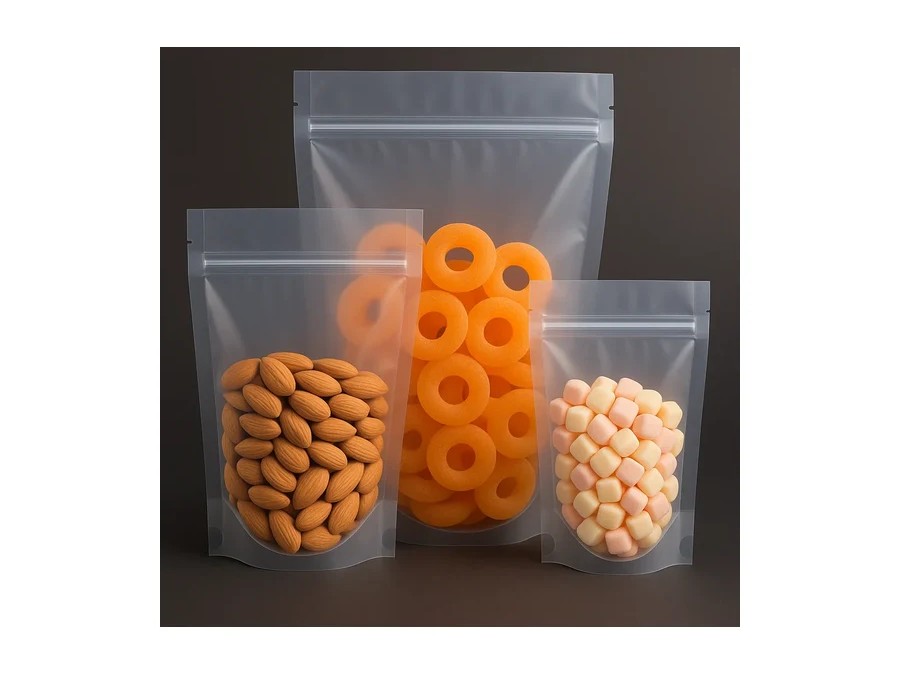
7 sizes, clear front/matt silver back · Material: Clear/matt silver laminate
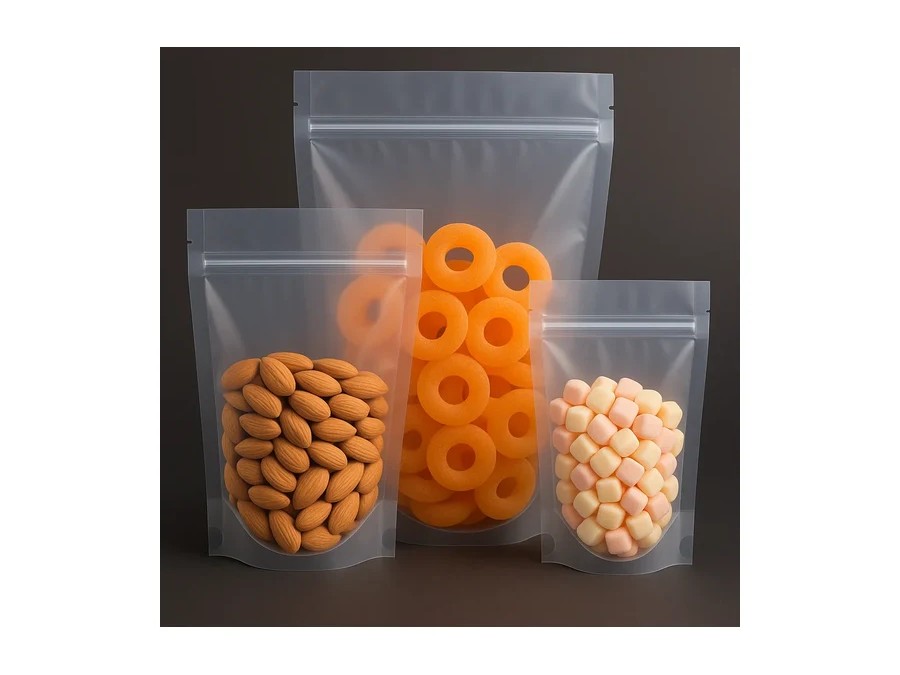
2 sizes, matt clear/matt silver · Material: Matt clear/matt silver laminate
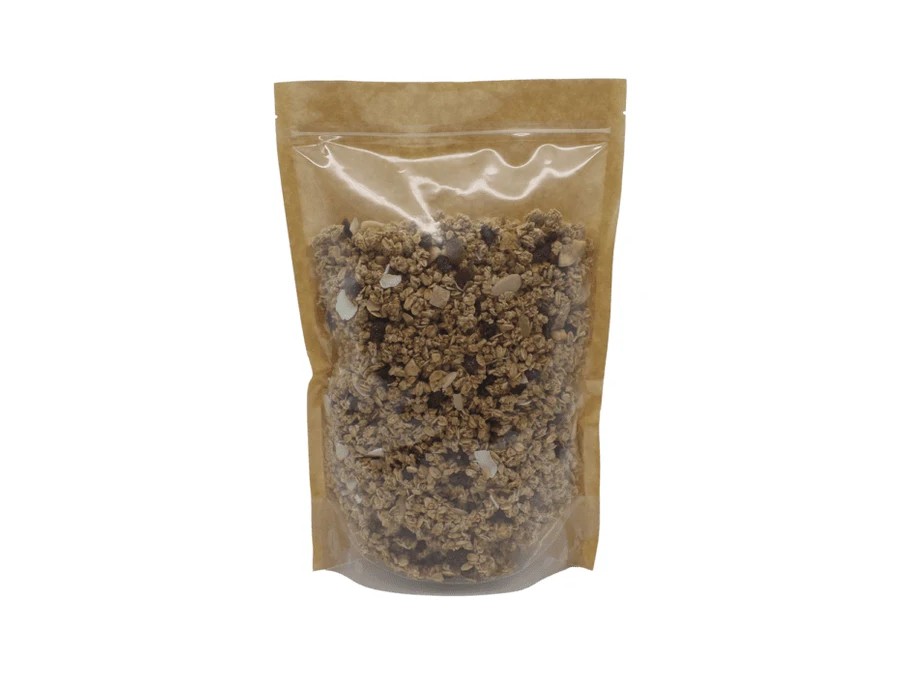
2 sizes, brown kraft, oval window · Material: Brown kraft laminate + window
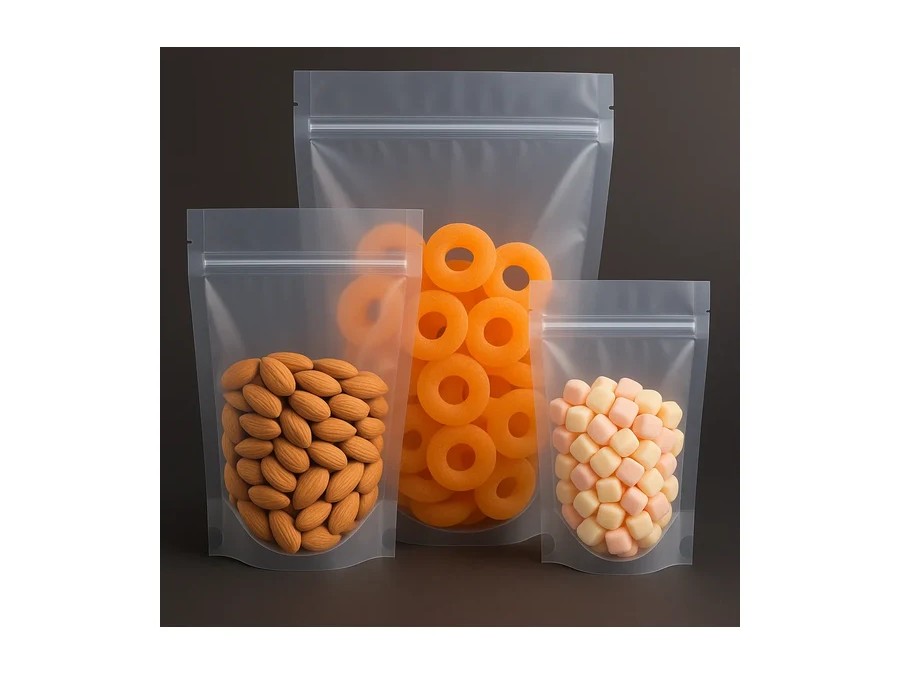
approx 250ml, grip seal zipper · Material: Clear recyclable laminate
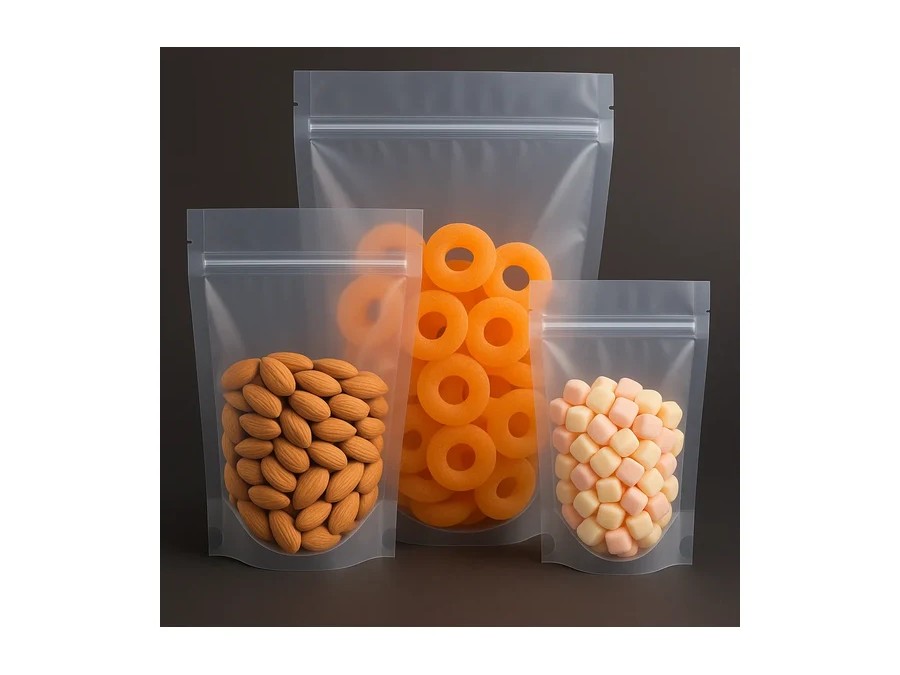
approx 500ml, grip seal zipper · Material: Clear recyclable laminate
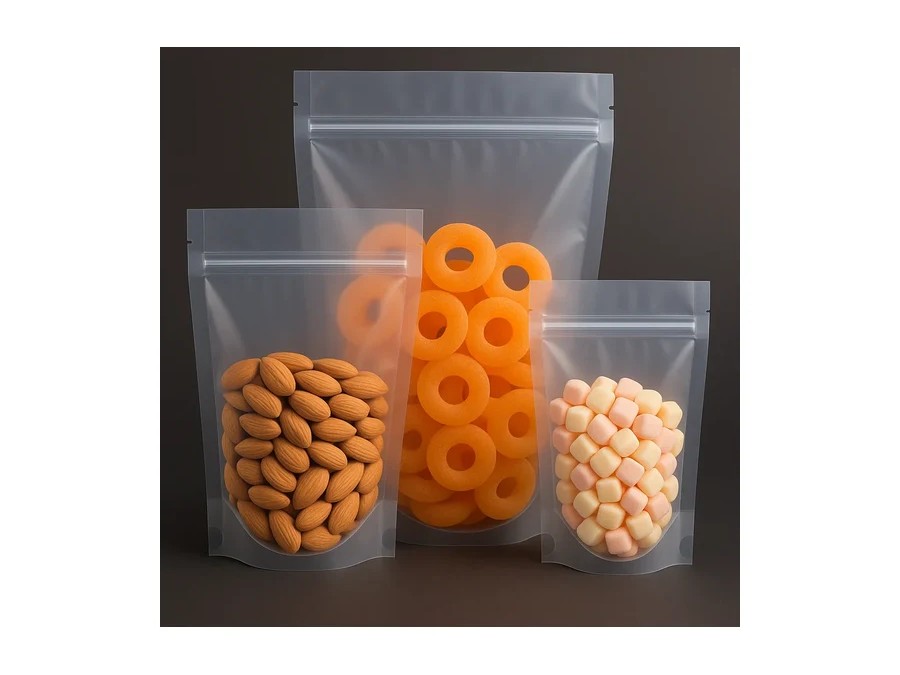
approx 750ml, grip seal zipper · Material: Clear recyclable laminate
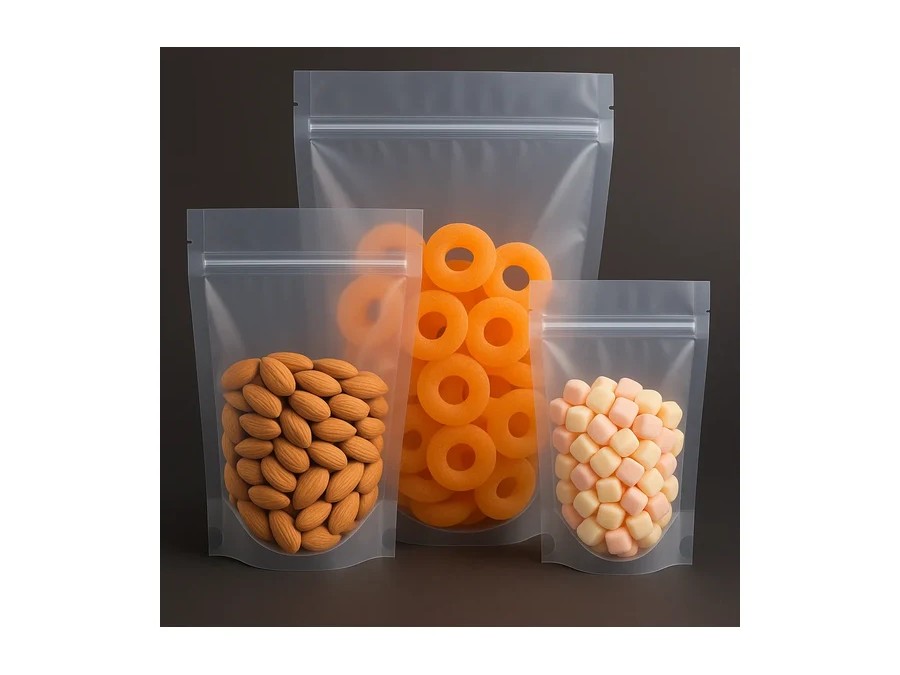
approx 1500ml, grip seal zipper · Material: Clear recyclable laminate
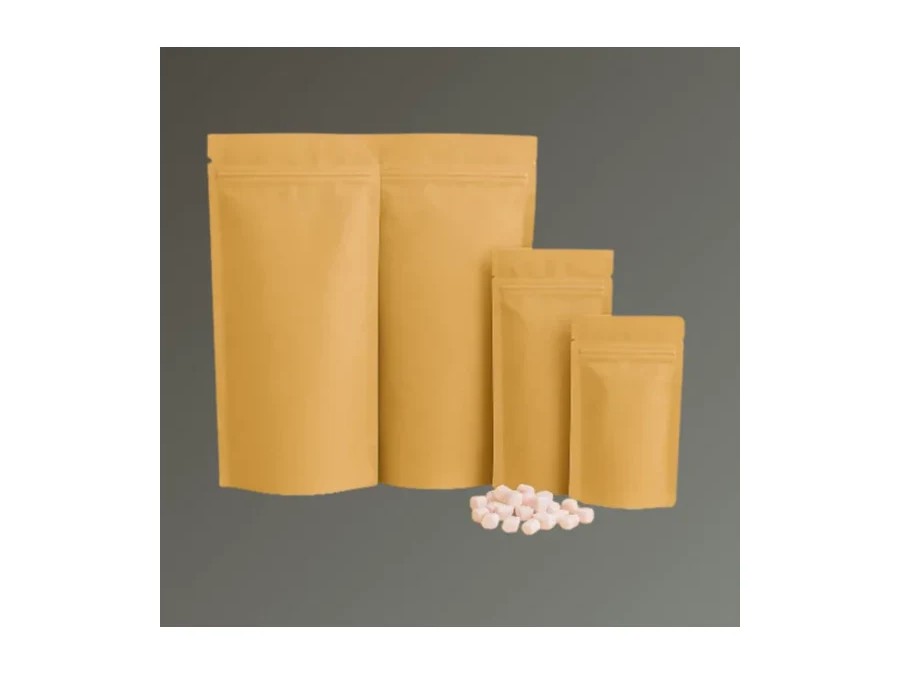
500ml, zipper, metallic barrier · Material: Silver foil laminate
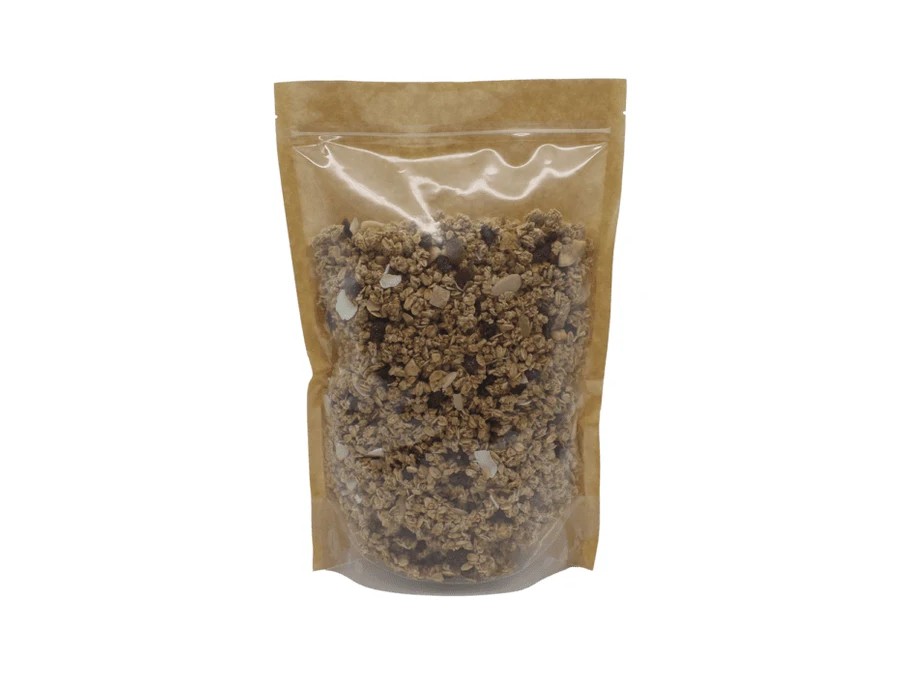
250g, window, zip · Material: Kraft laminate + window
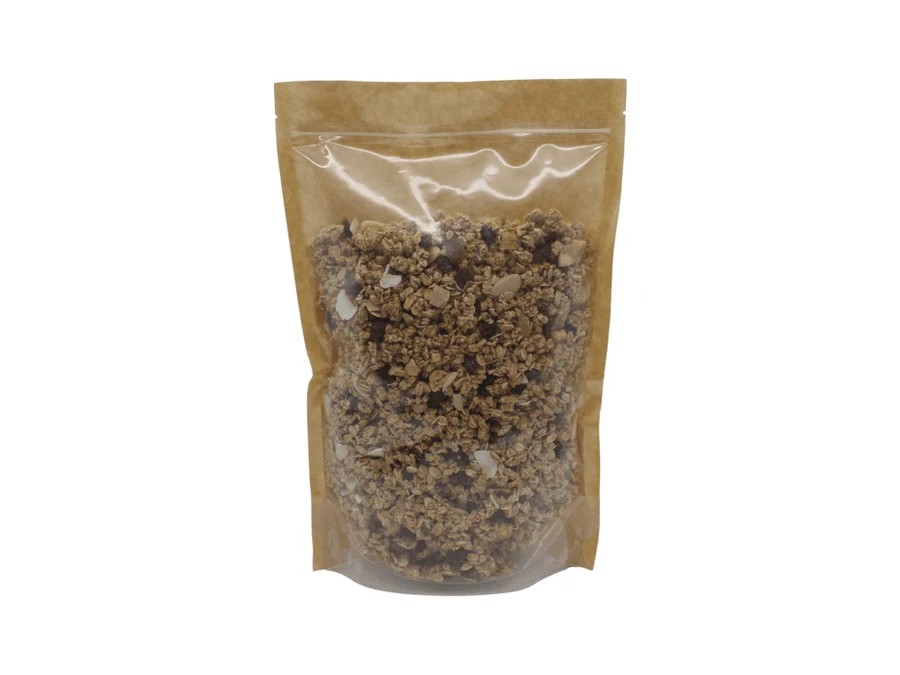
500g, window, zip · Material: Kraft laminate + window
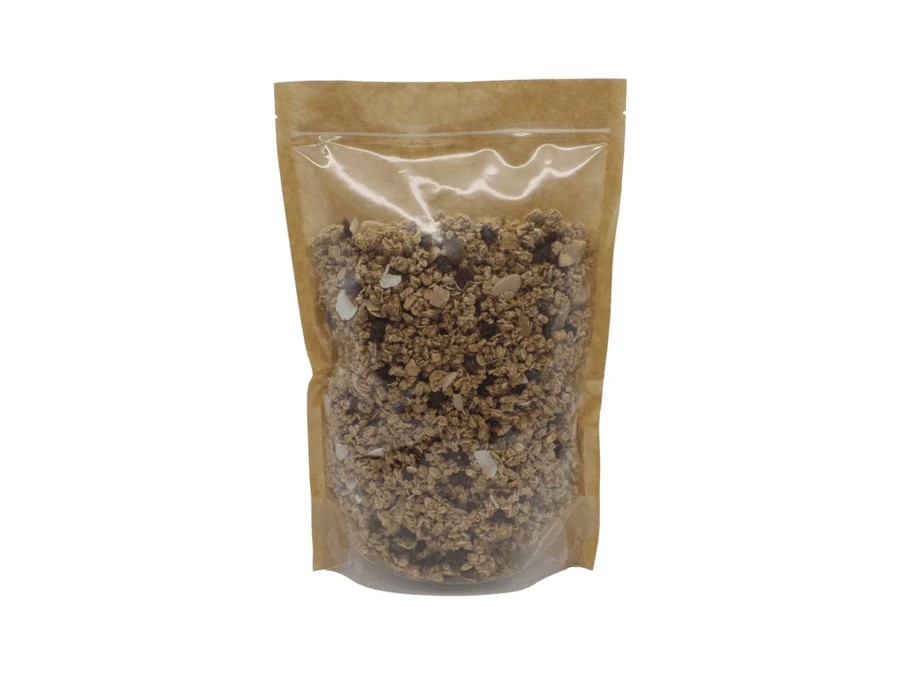
100g, zip seal, heat sealable · Material: Kraft laminate
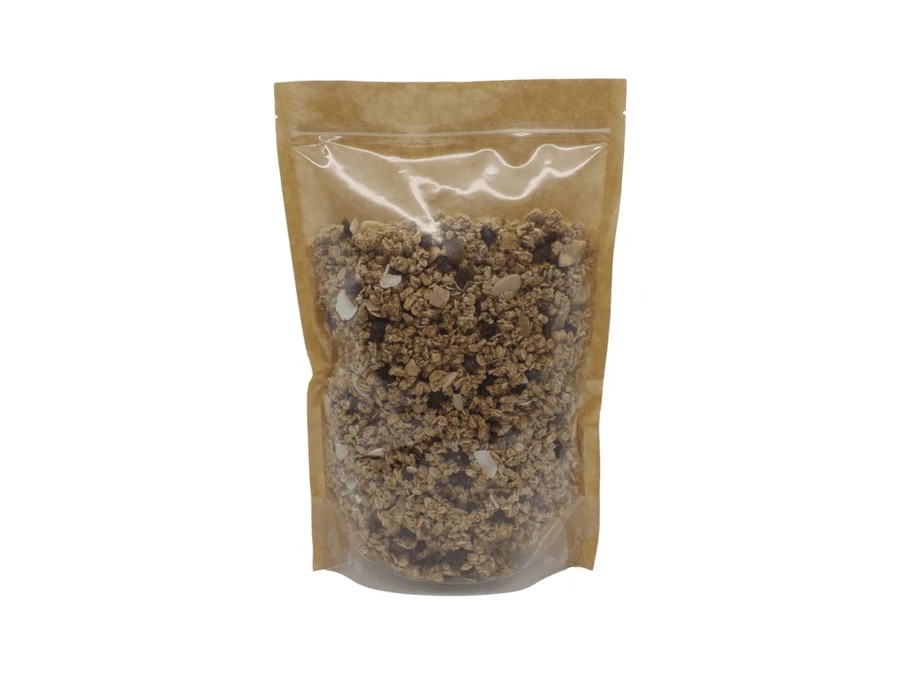
250g, zip seal, heat sealable · Material: Kraft laminate
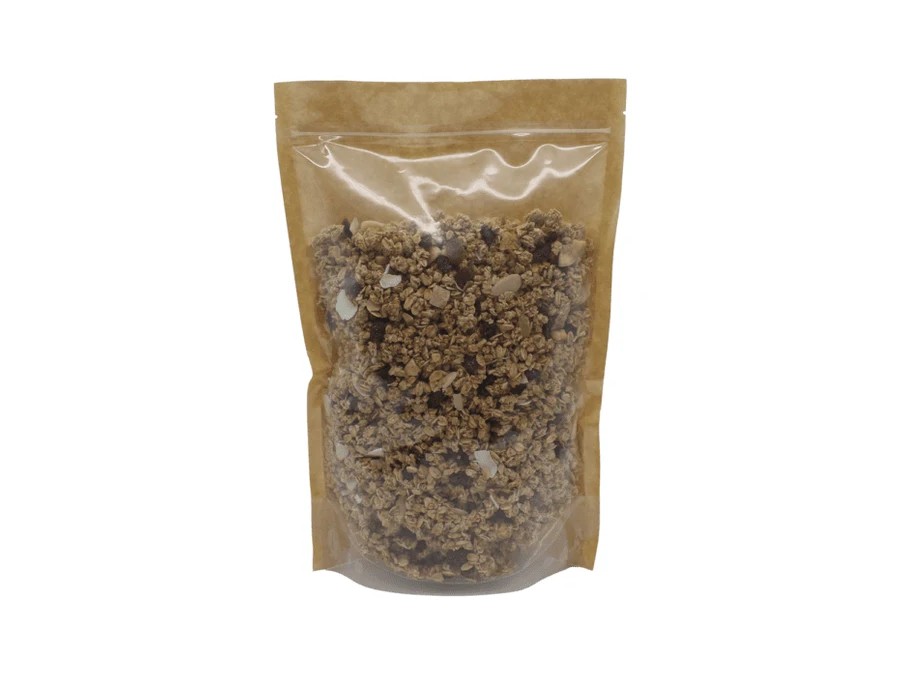
500g, zip seal, heat sealable · Material: Kraft laminate
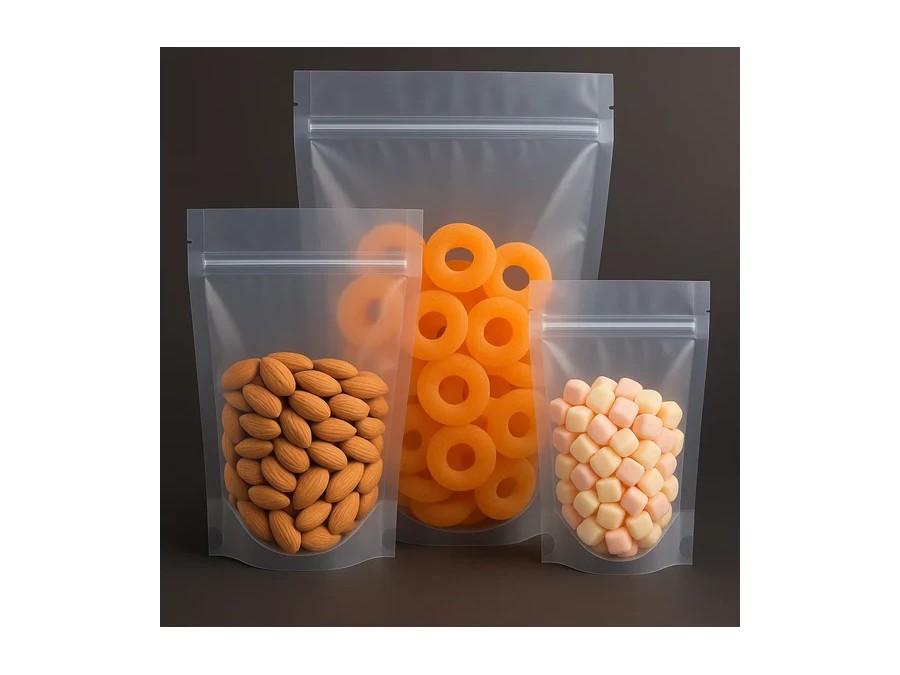
100g, zip seal, heat sealable · Material: Clear laminate
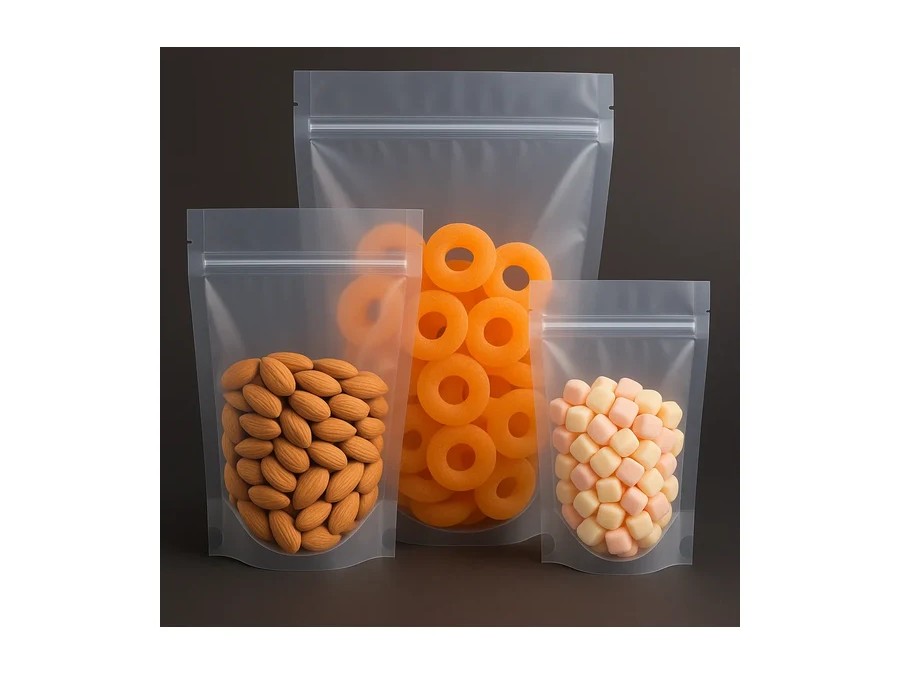
500g, zip seal, heat sealable · Material: Clear laminate
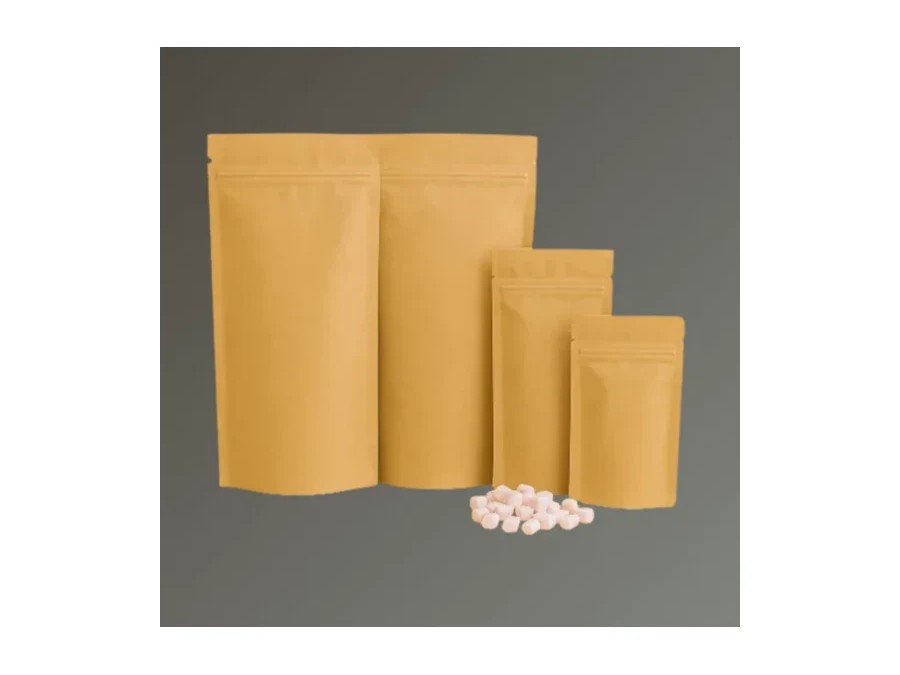
250g, gold matt, zipper · Material: Gold matt laminate
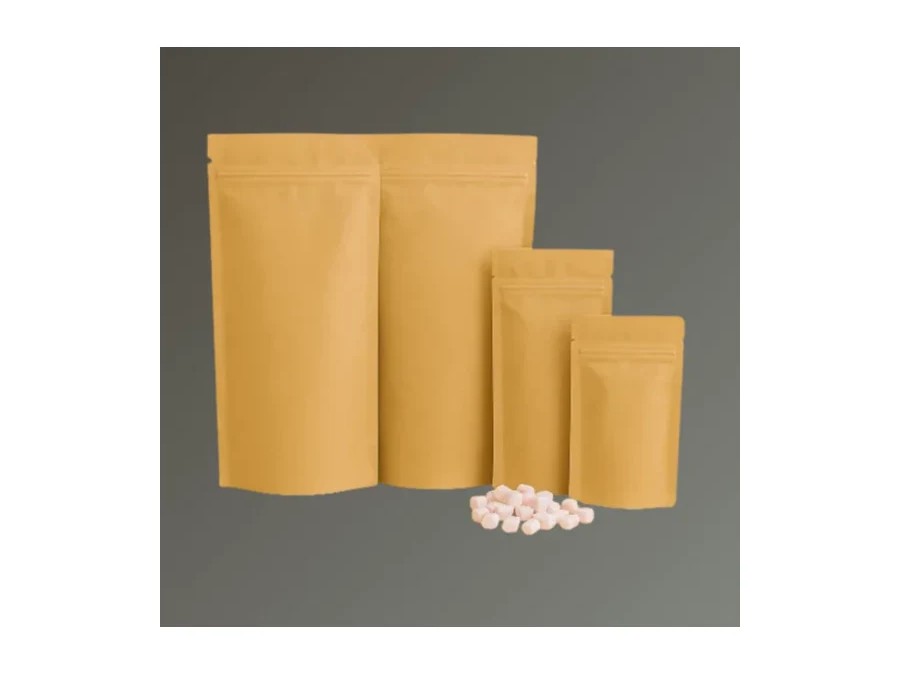
500g, gold matt, zipper · Material: Gold matt laminate
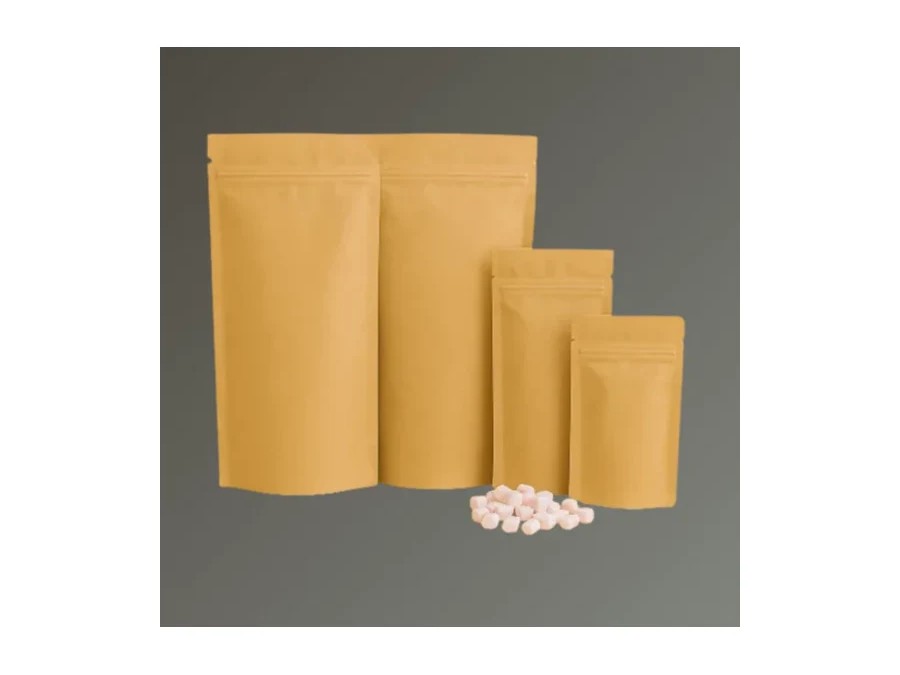
250g, shiny holographic, zipper · Material: Holographic plastic laminate
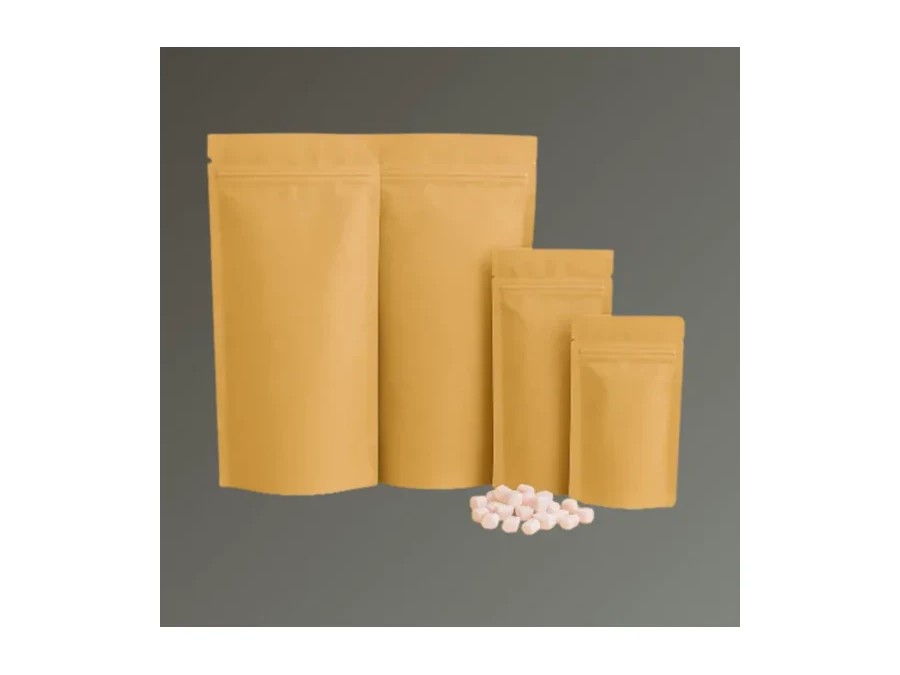
500g, shiny holographic, zipper · Material: Holographic plastic laminate
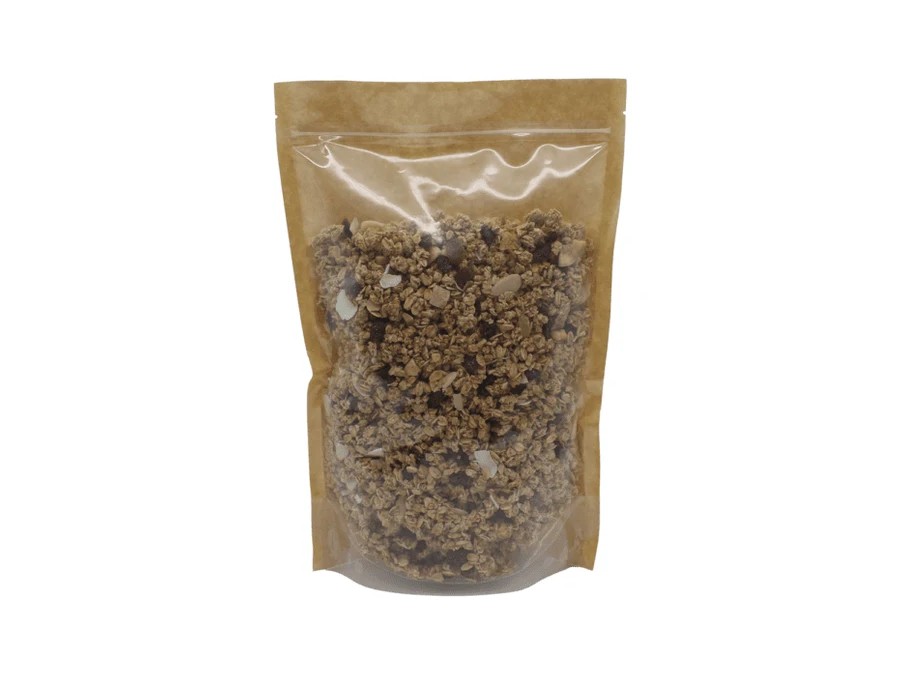
250g, box pouch, window · Material: Kraft laminate + window
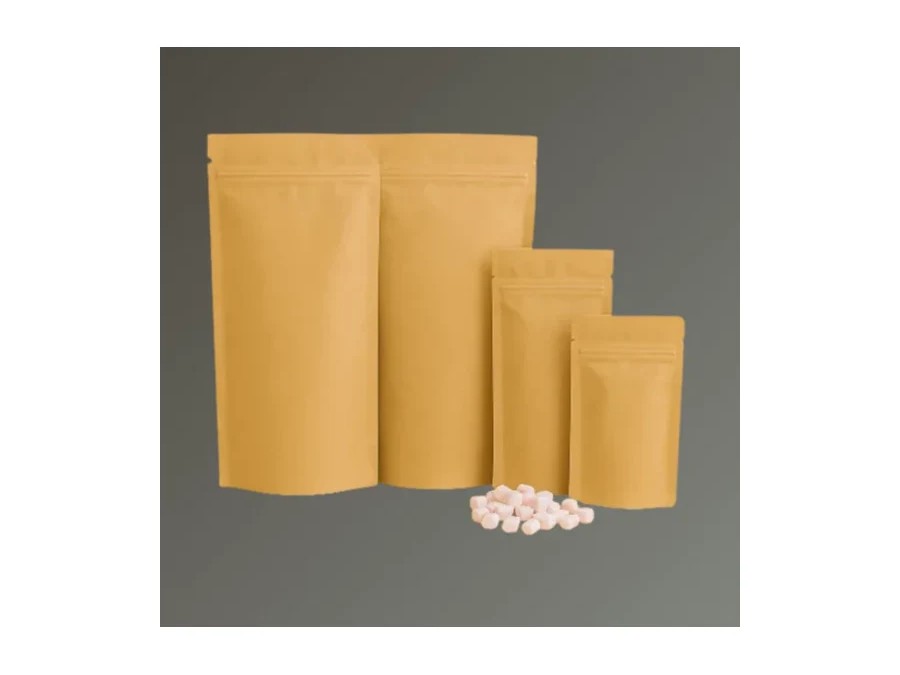
500g, box pouch, no window · Material: Black matt laminate
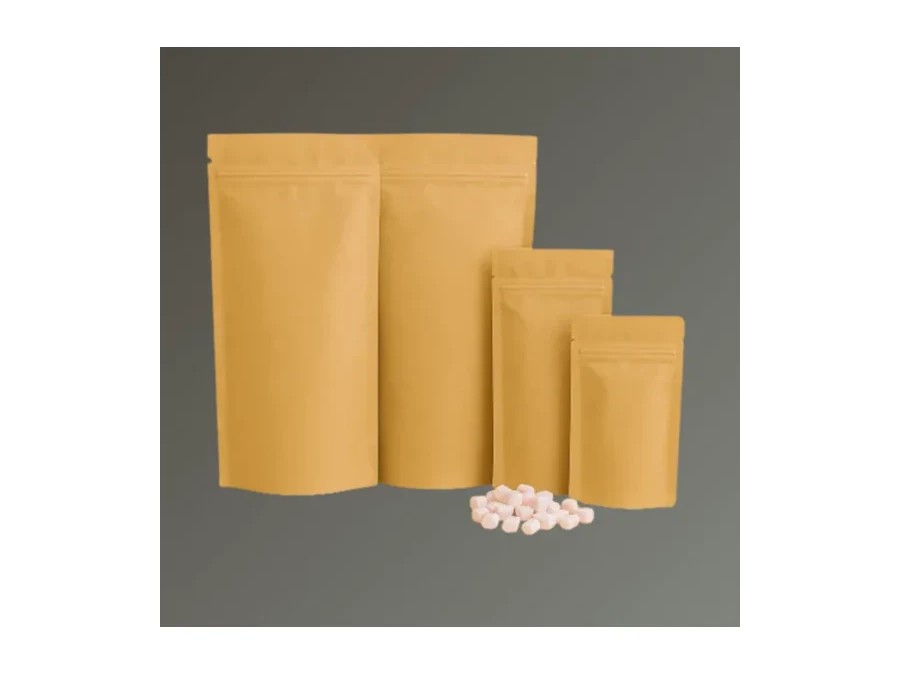
250ml, corner spout, clear · Material: Clear laminate + spout
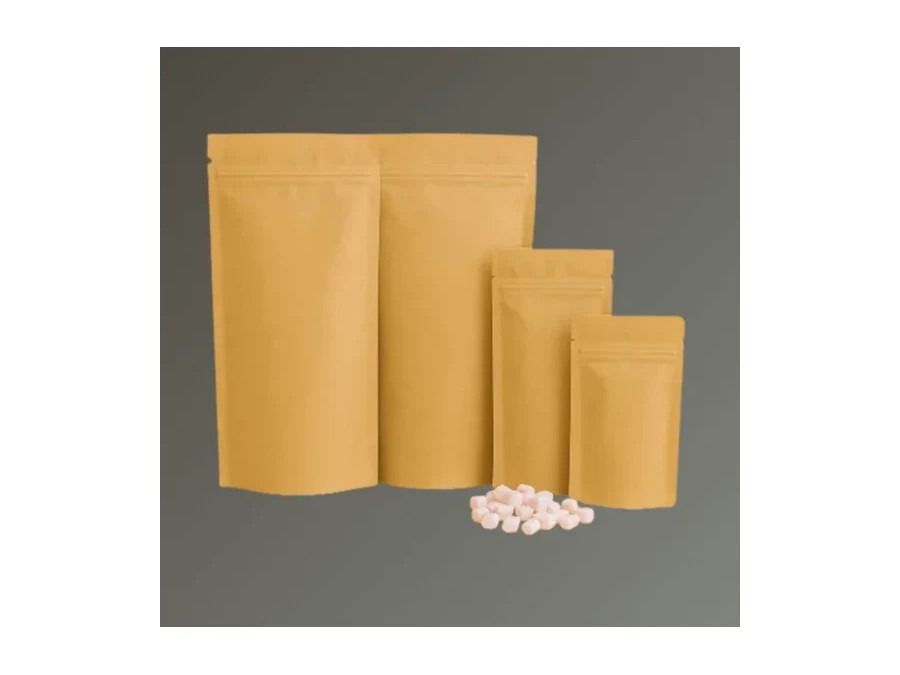
500ml, corner spout, clear · Material: Clear laminate + spout
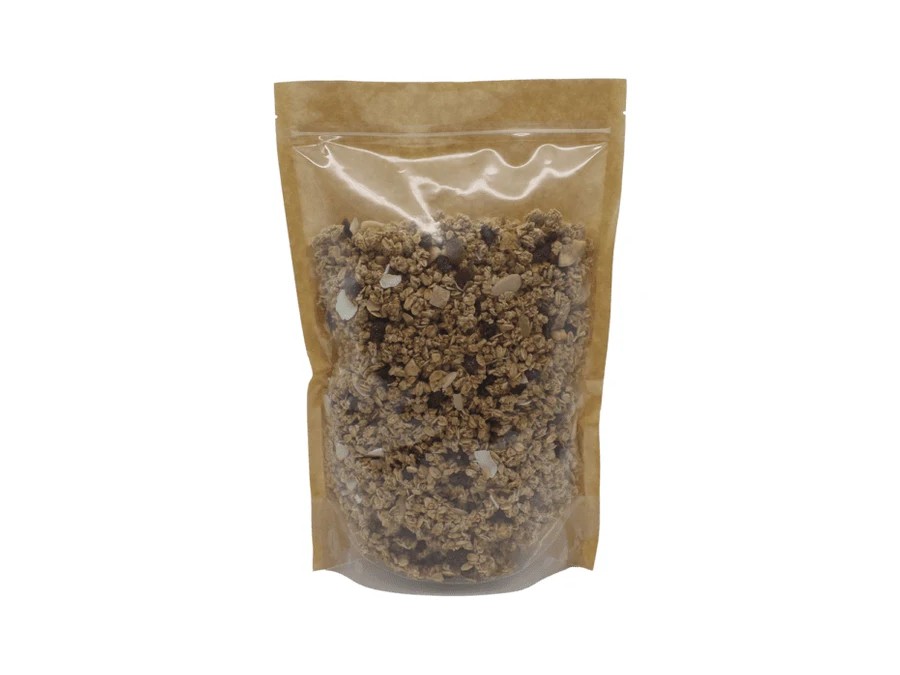
250ml, spout, kraft-effect · Material: Kraft-look laminate + spout
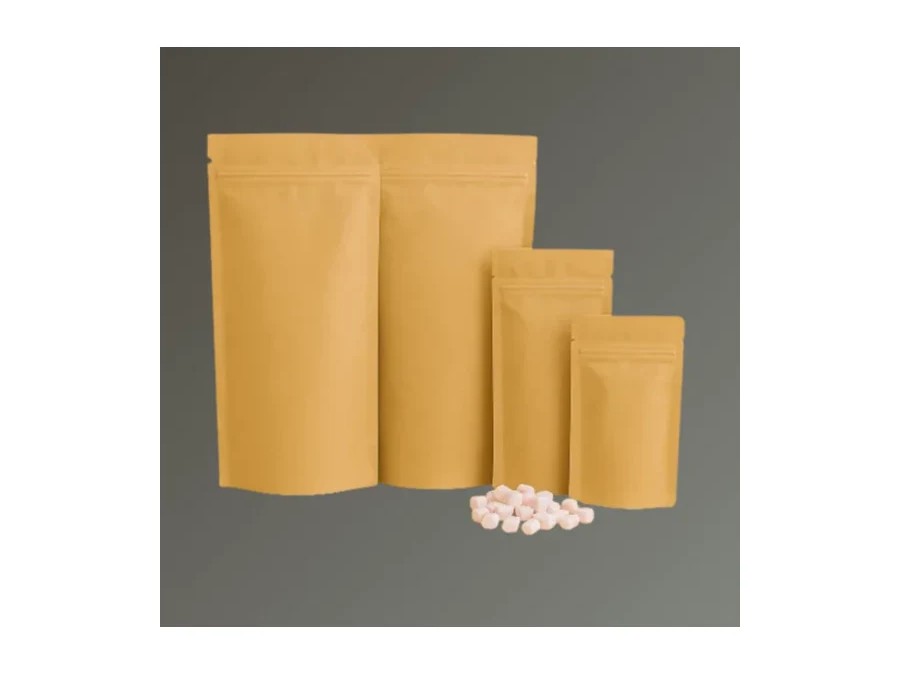
250g, heat-process compatible · Material: Silver retort laminate
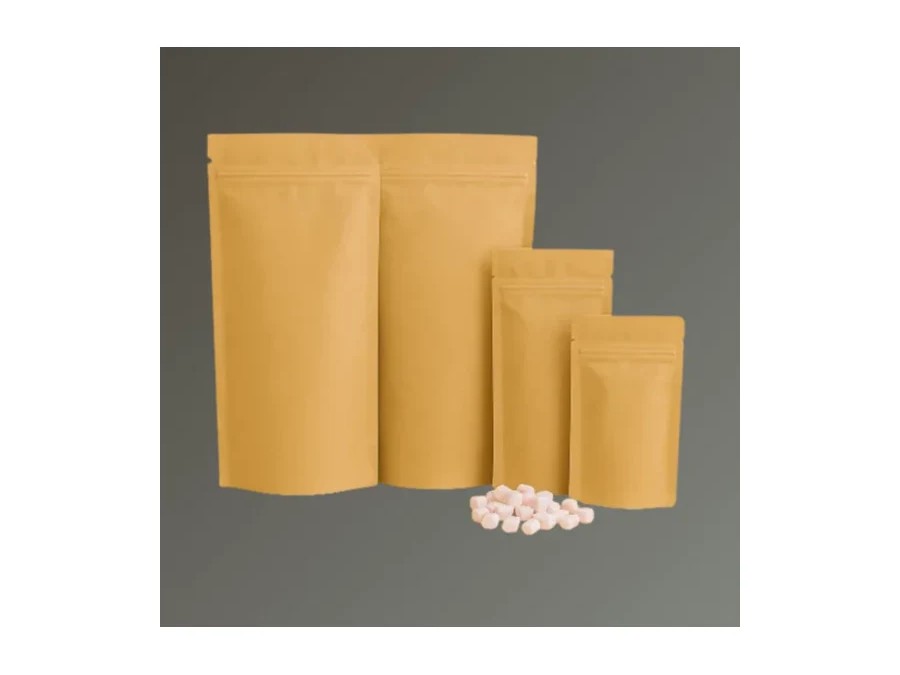
250g, one-way valve · Material: Foil/kraft laminate
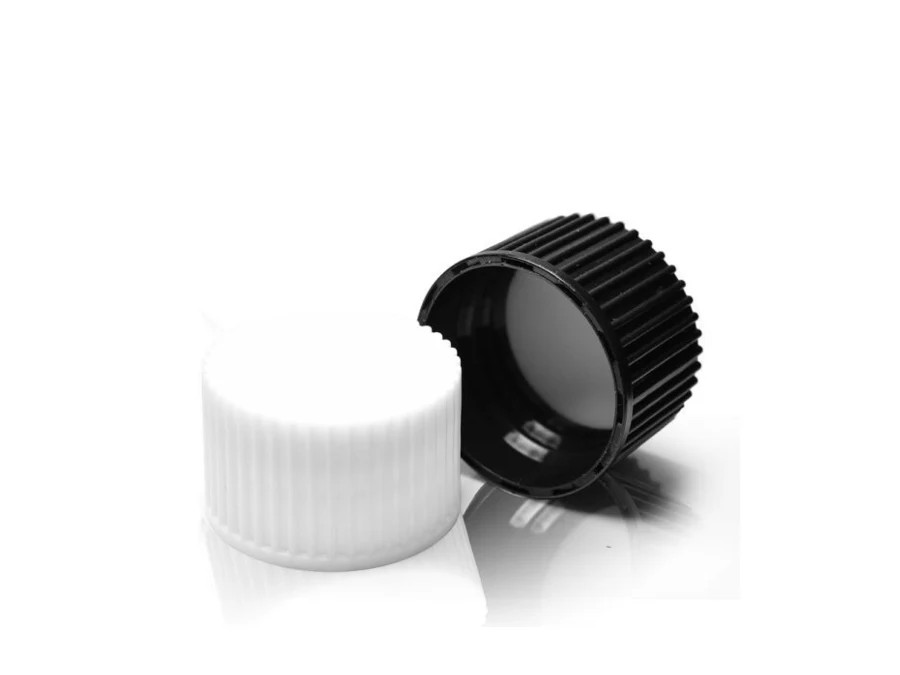
28mm, EPE liner, colour options · Material: PP plastic
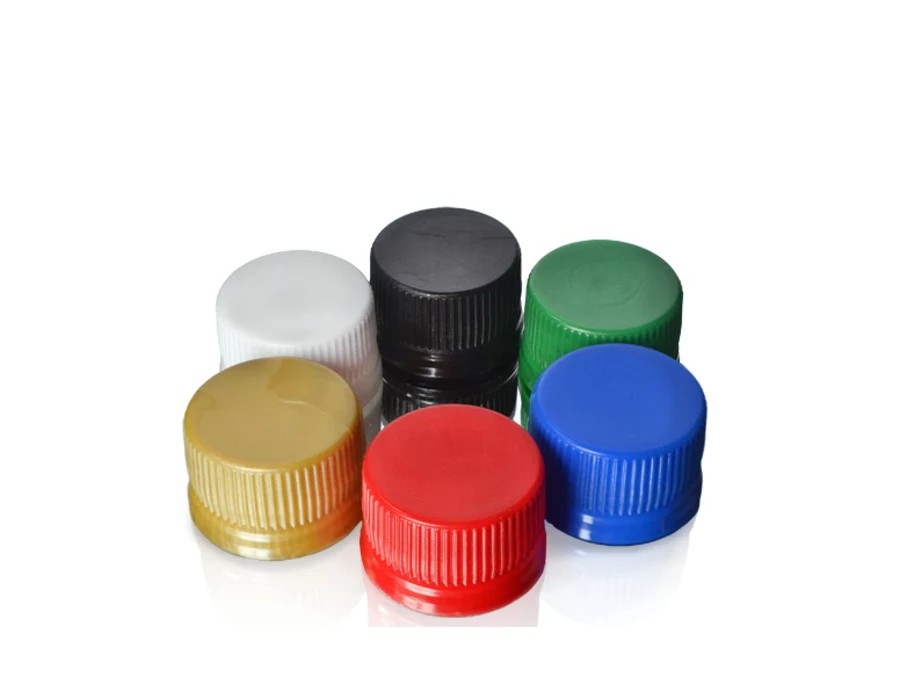
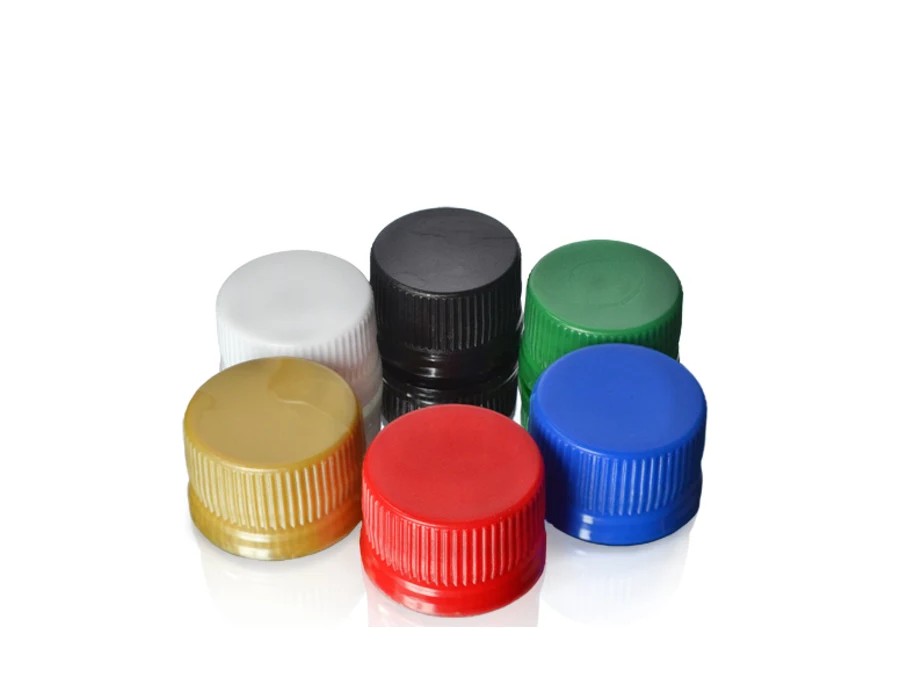
28mm MCA, tamper-evident, multiple colours · Material: PP plastic
28mm PP28, integrated bore seal, TE band · Material: Black PP plastic
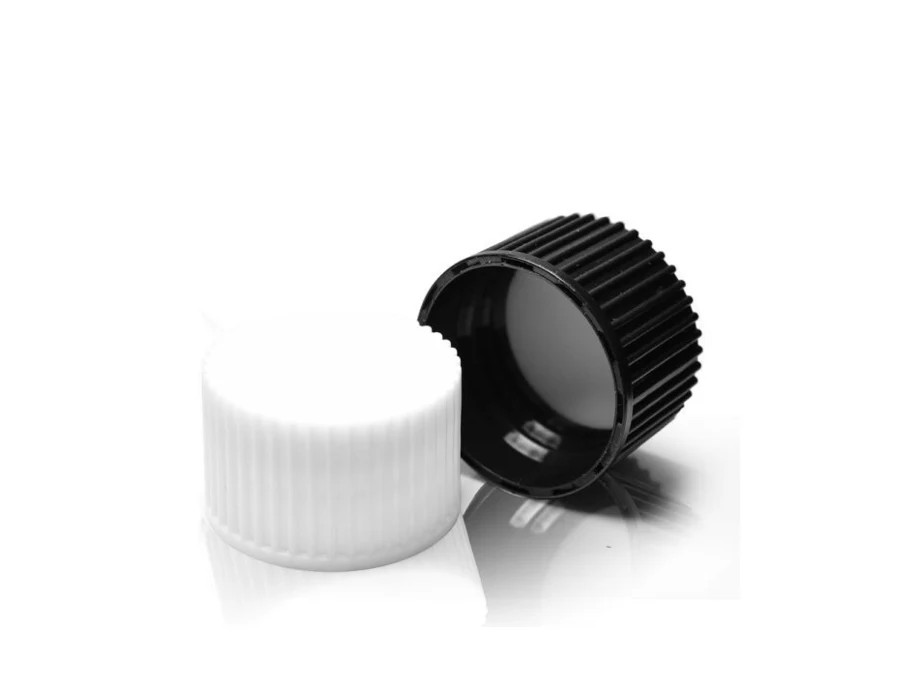
28mm, push-down/twist, EPE liner · Material: White PP plastic
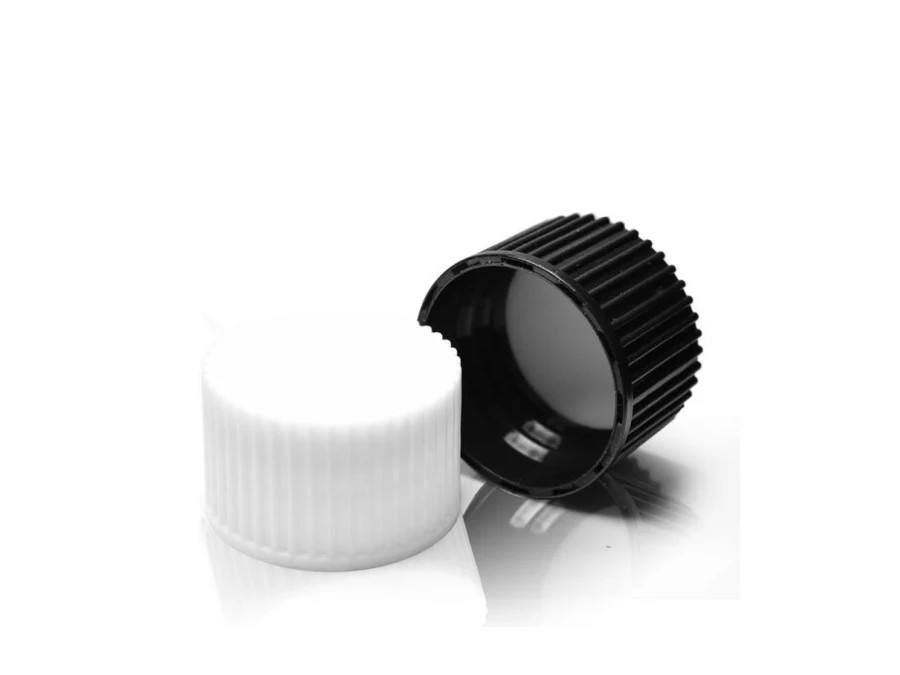
28mm Medilock CR, EPE liner · Material: White PP plastic
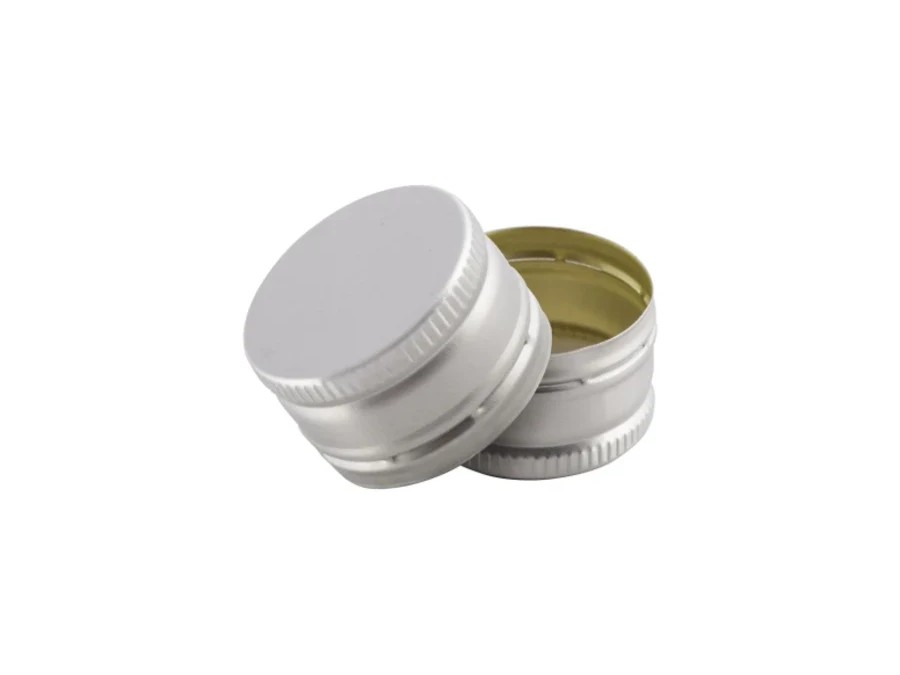
28mm, EPE liner · Material: Brushed aluminium
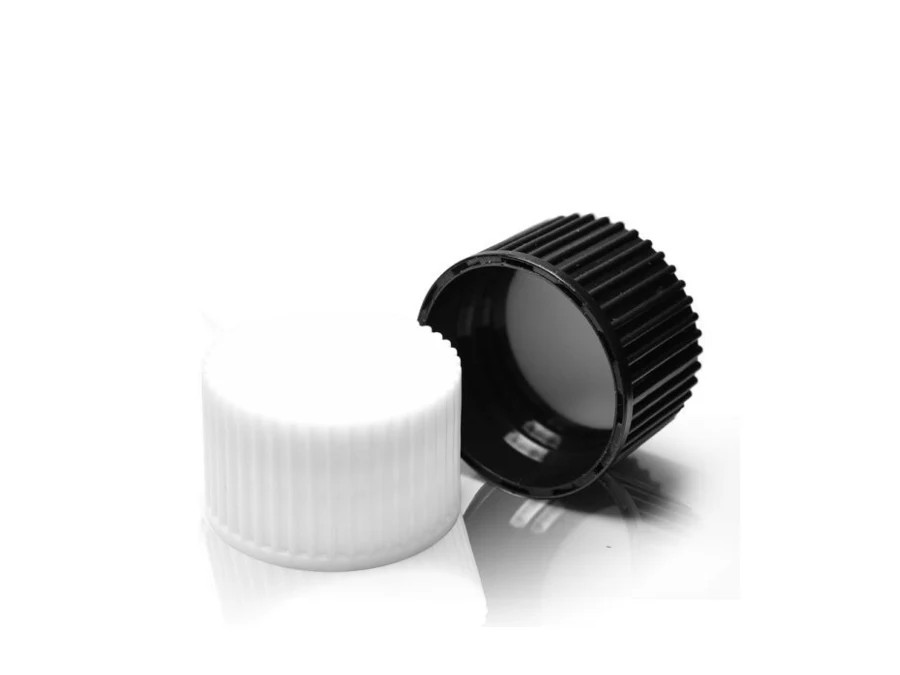
28mm R3, polycone liner, black/white · Material: PP plastic
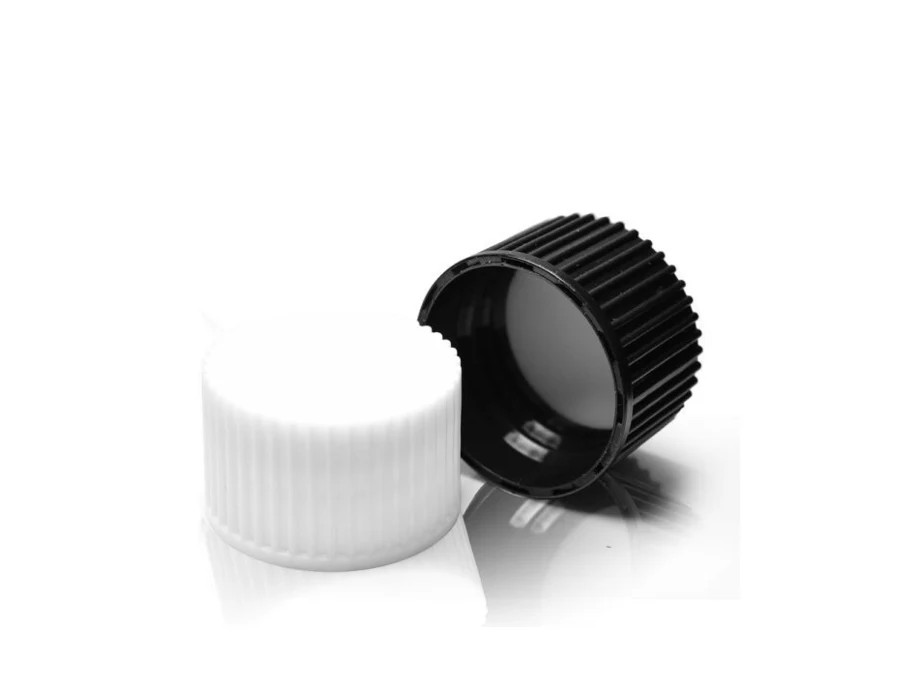
28mm R3, EPE liner, black/white · Material: PP plastic
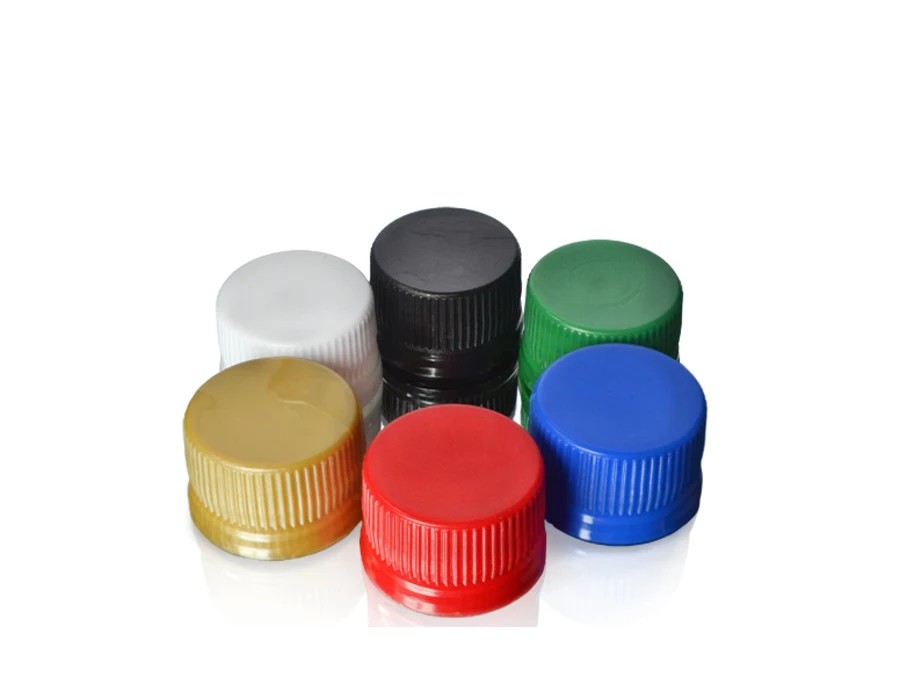
28mm R3, polycone liner · Material: Black urea plastic
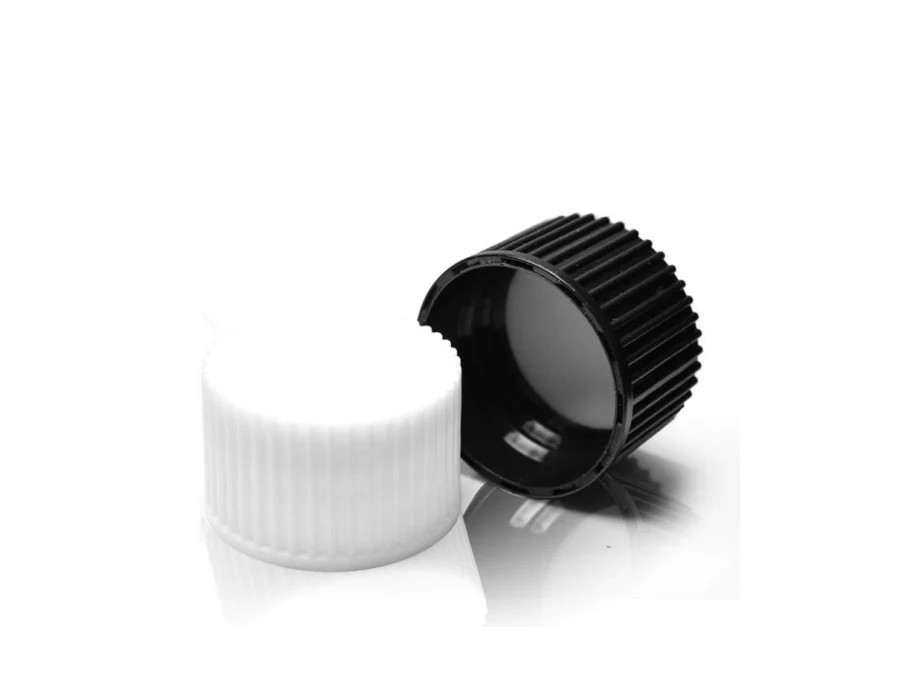
28/400 R3, EPE liner · Material: White PP plastic
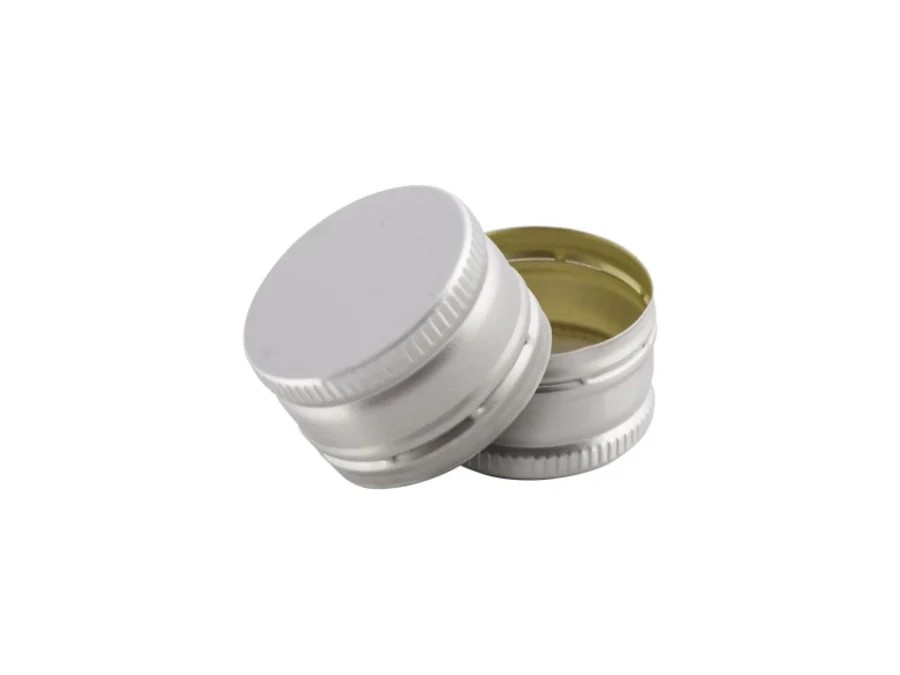
18mm, glass pipette, black tamper-evident cap · Material: PP cap + glass pipette
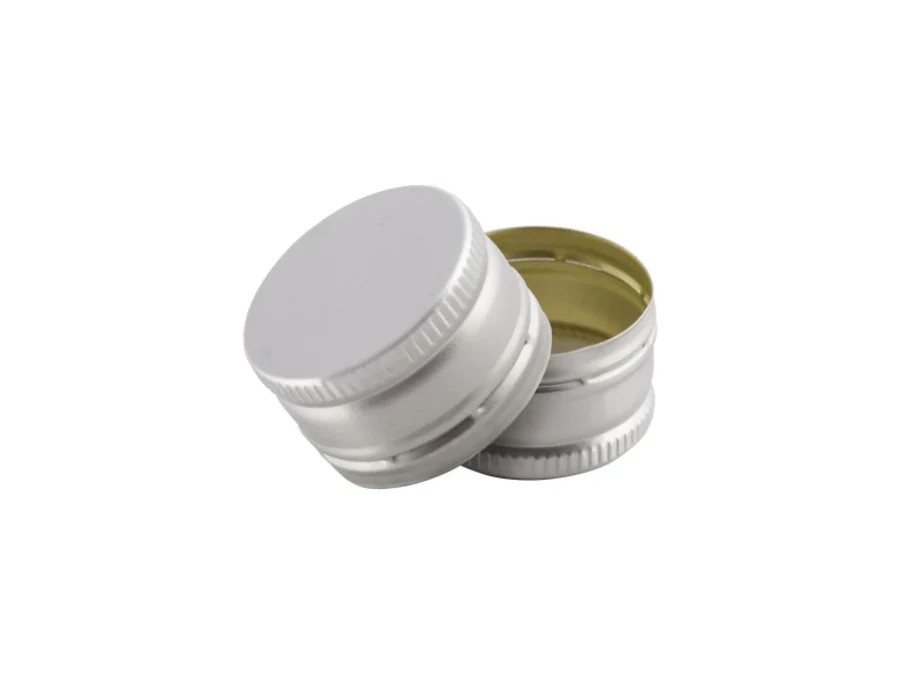
18mm, glass pipette, white cap · Material: PP cap + glass pipette
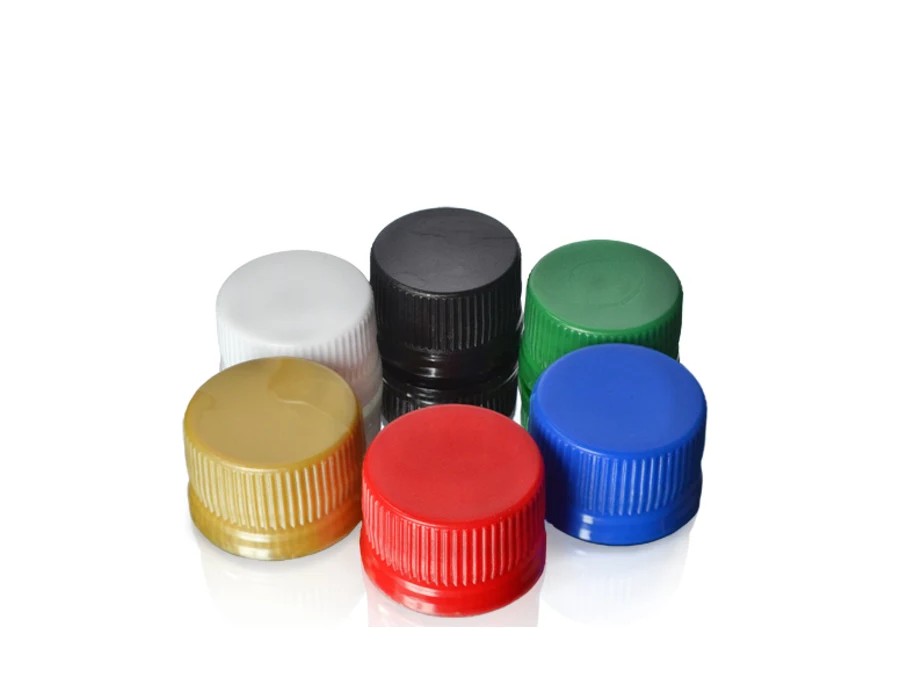
18mm, spray actuator, overcap · Material: Plastic spray closure
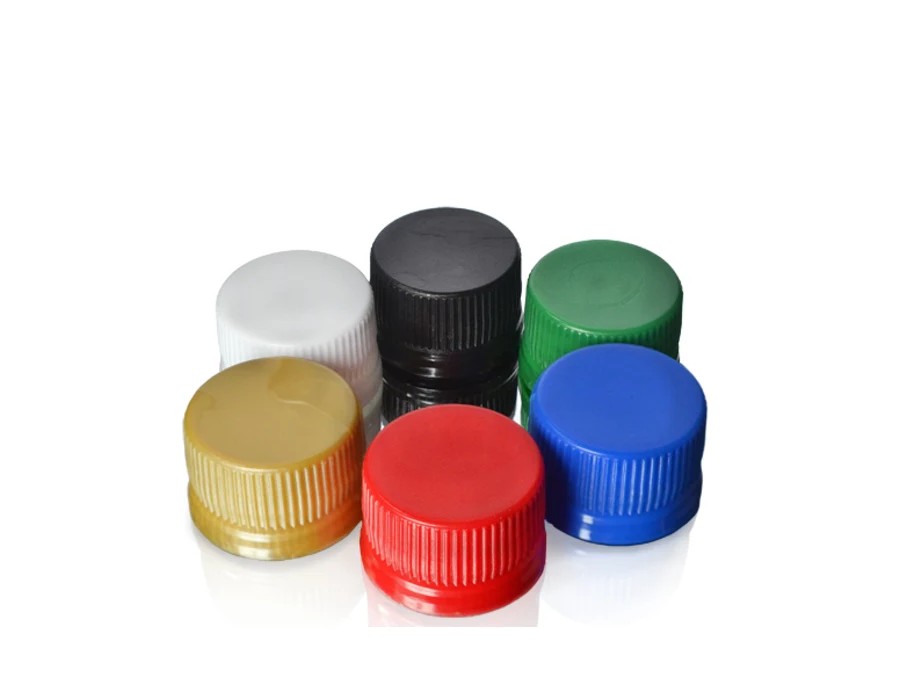
20/410, natural, dispensing orifice · Material: PP plastic
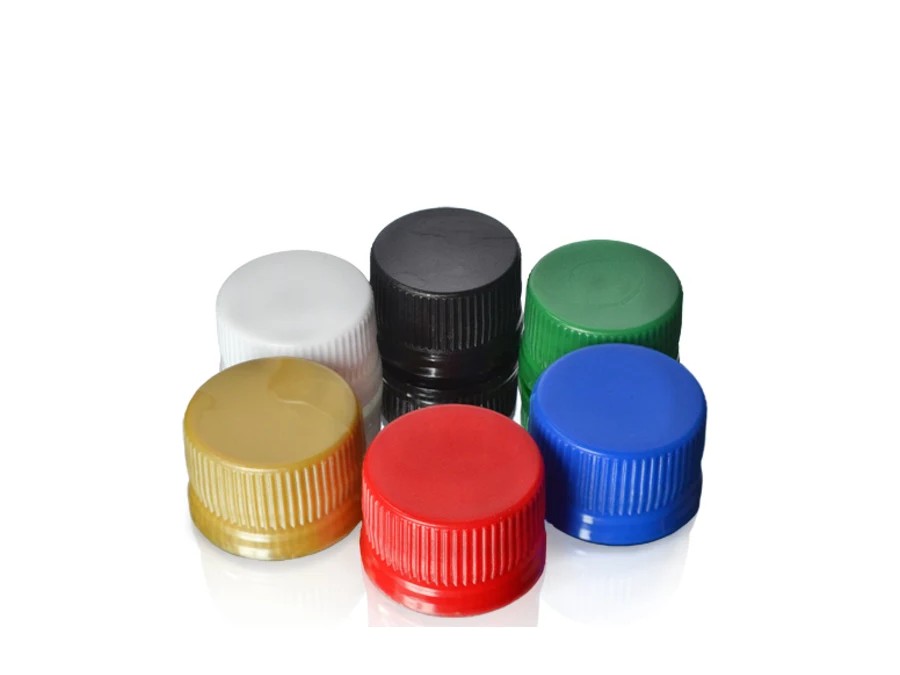
20/410, hinged flip top · Material: PP plastic
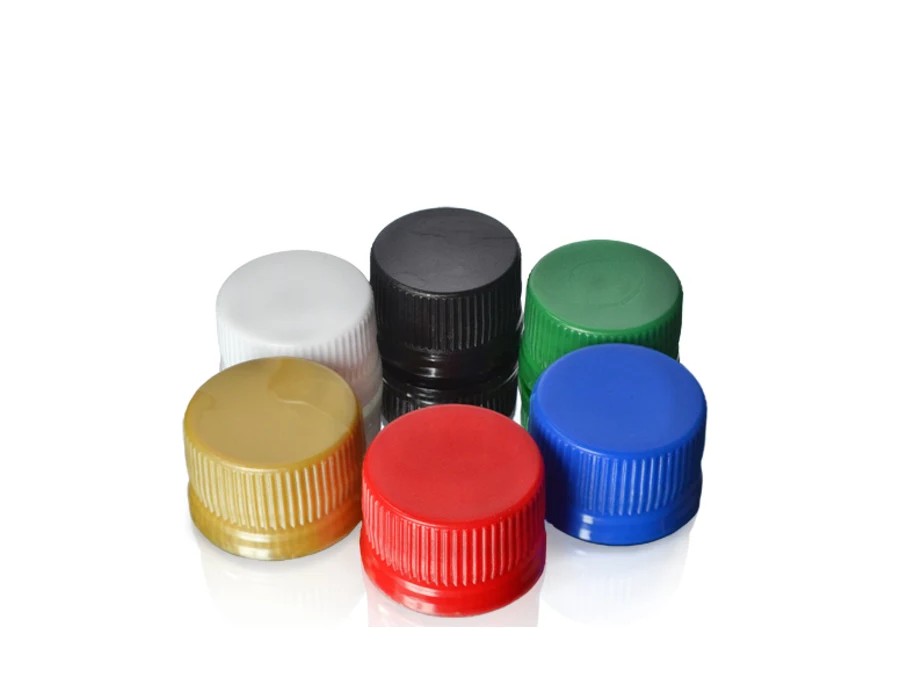
24/410, smooth side, liner optional · Material: PP plastic
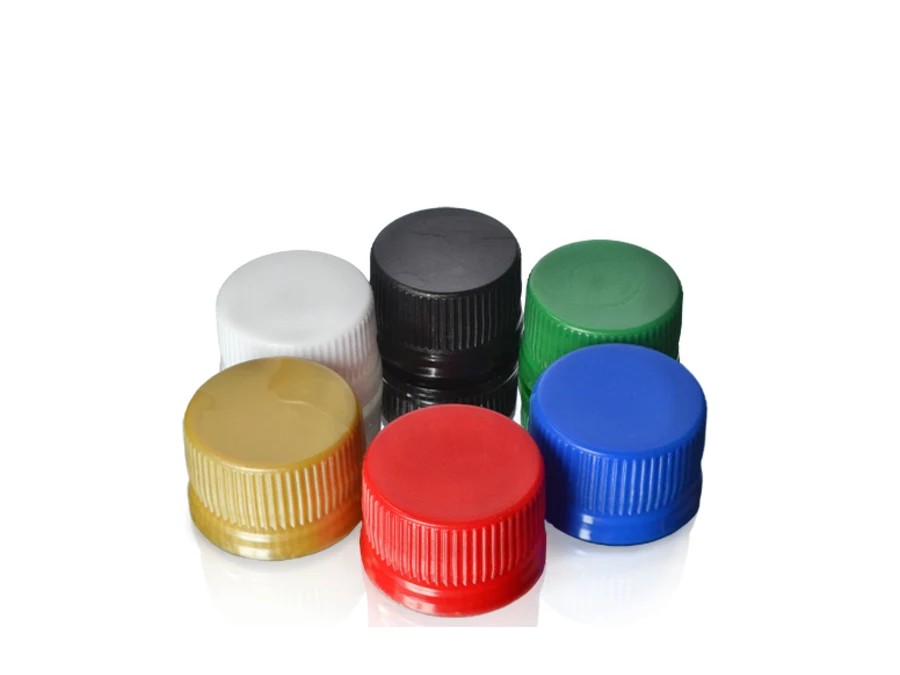
24mm, natural spout/nozzle · Material: LDPE/PP plastic
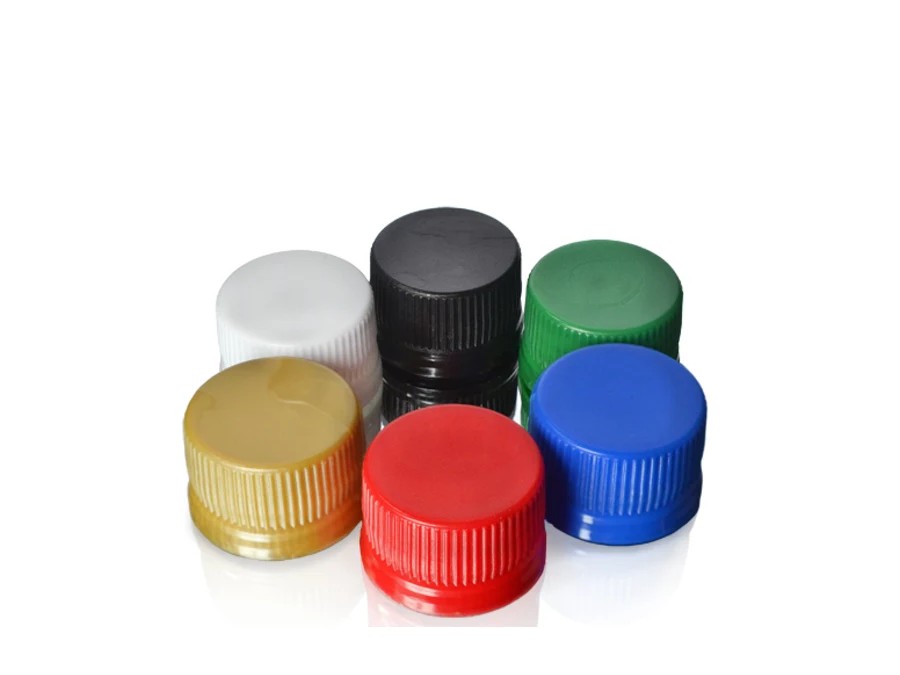
24/410, dip tube, lock-down pump · Material: PP pump assembly
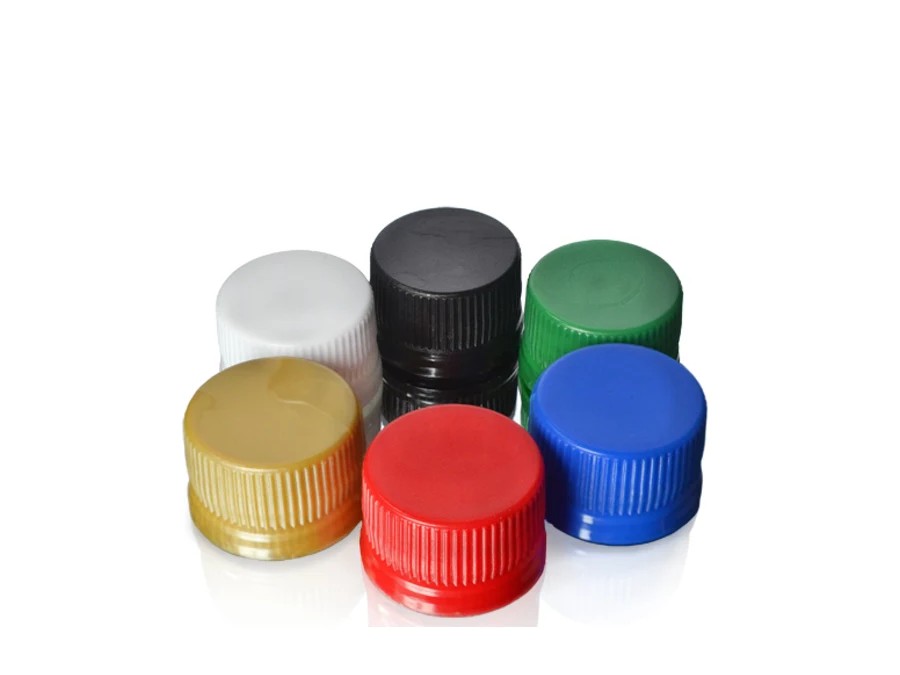
24/410, fine mist actuator, cap · Material: PP spray assembly
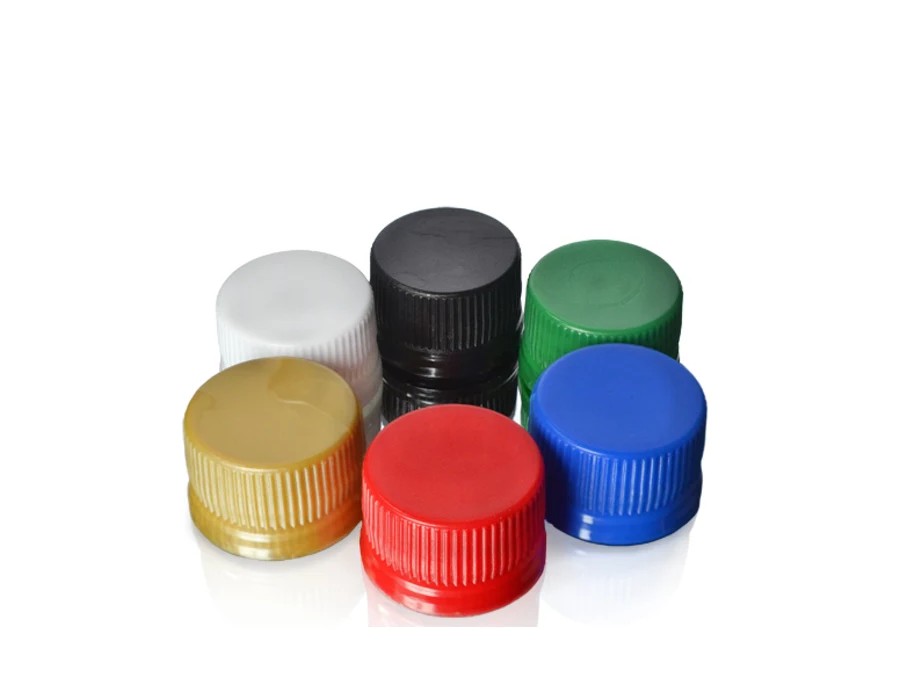
28/410, lock-down pump, dip tube · Material: PP pump assembly
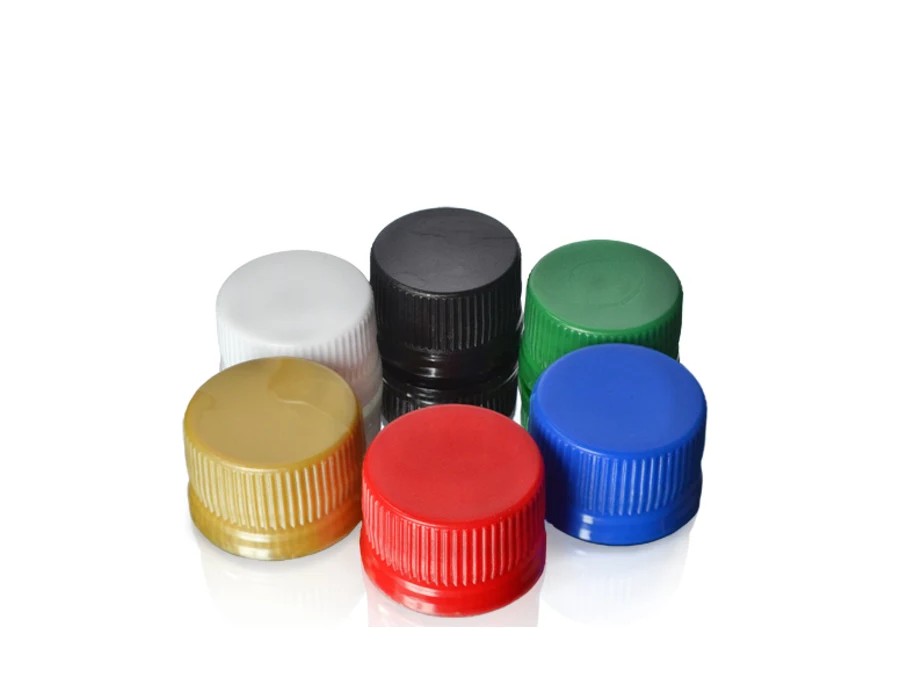
28/400, adjustable nozzle · Material: PP trigger assembly
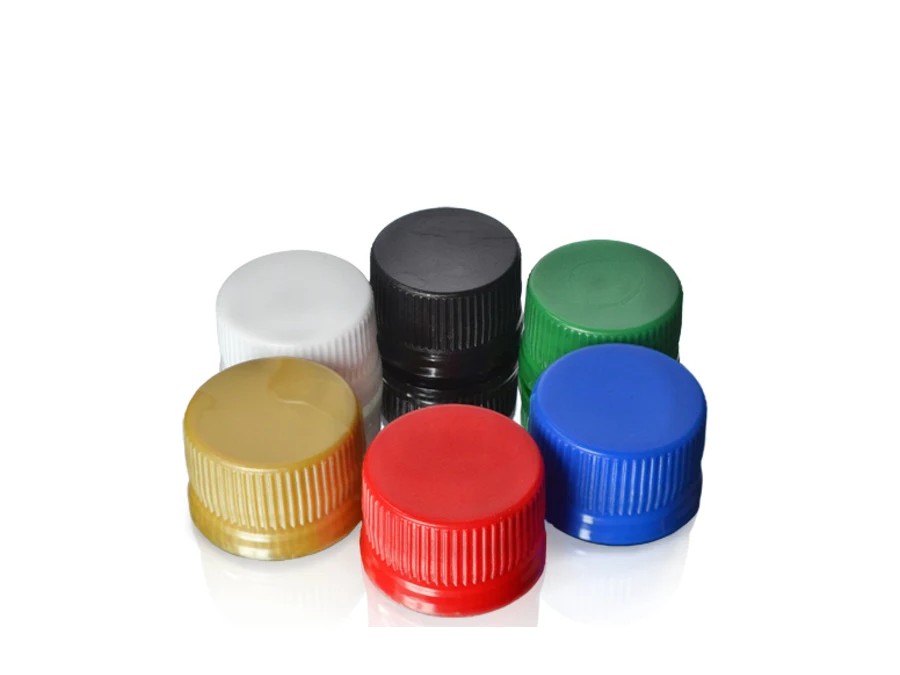
38mm, drink bottle finish · Material: HDPE/PP plastic
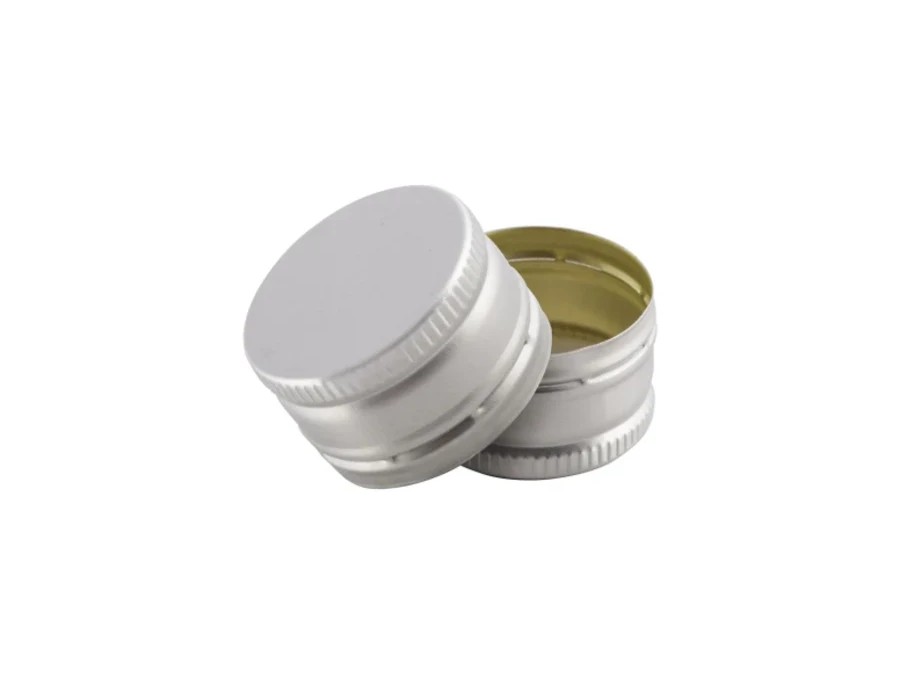
28mm MCA, tamper-evident, gold · Material: Aluminium/metal
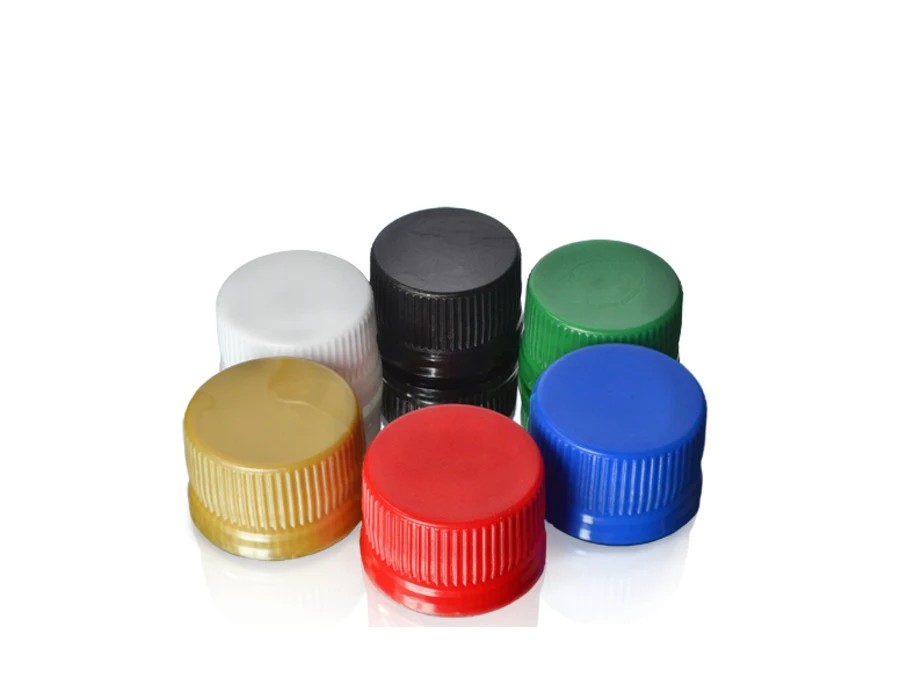
28mm MCA, black, tamper-evident · Material: PP/aluminium finish
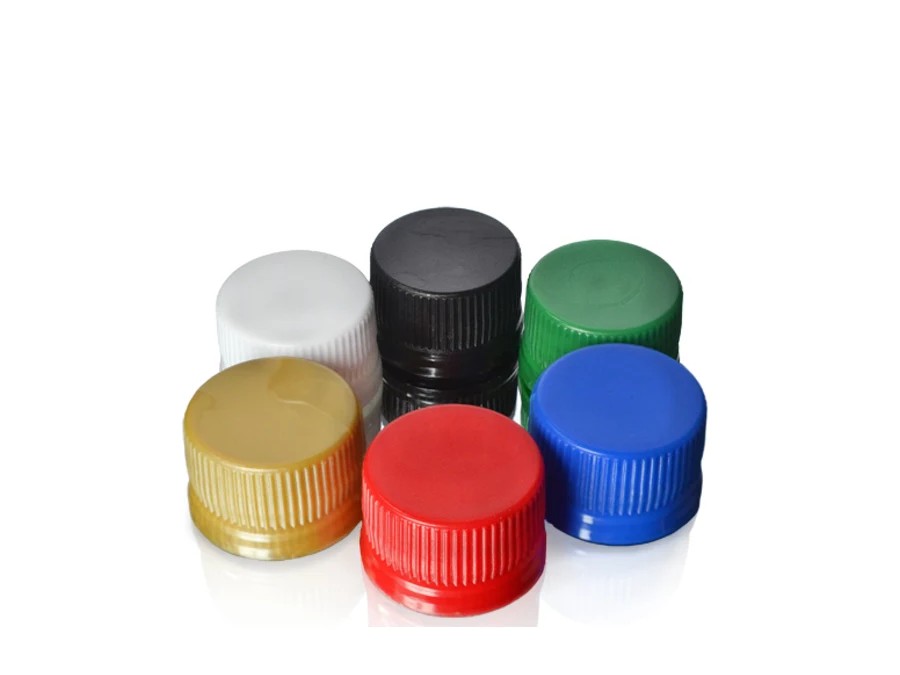
26mm crown, pry-off · Material: Steel crown cap
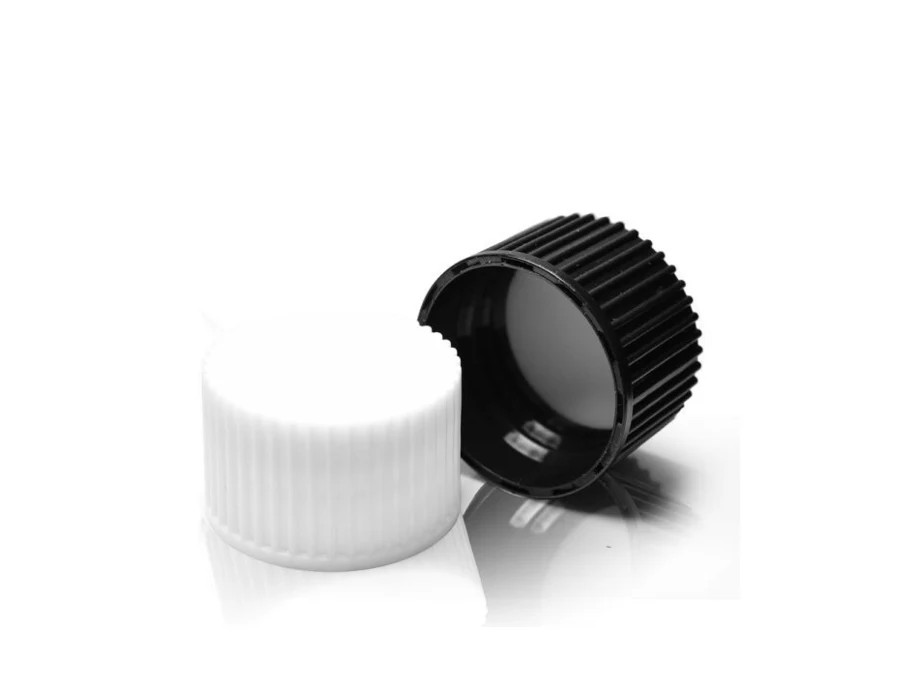
26mm crown, pry-off · Material: Steel crown cap
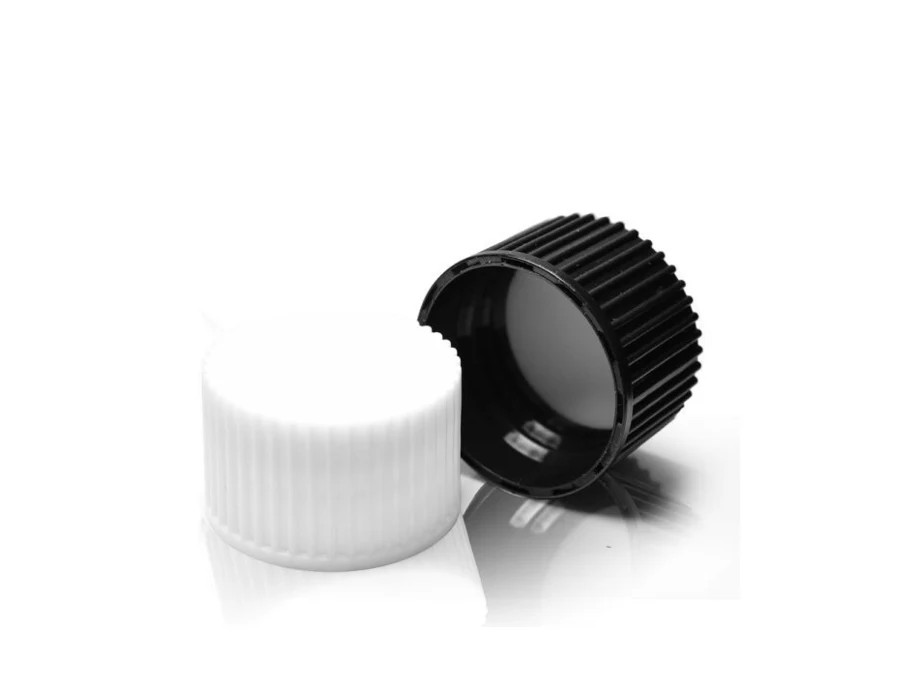
wire bail + ceramic/plastic stopper · Material: Ceramic/plastic + wire
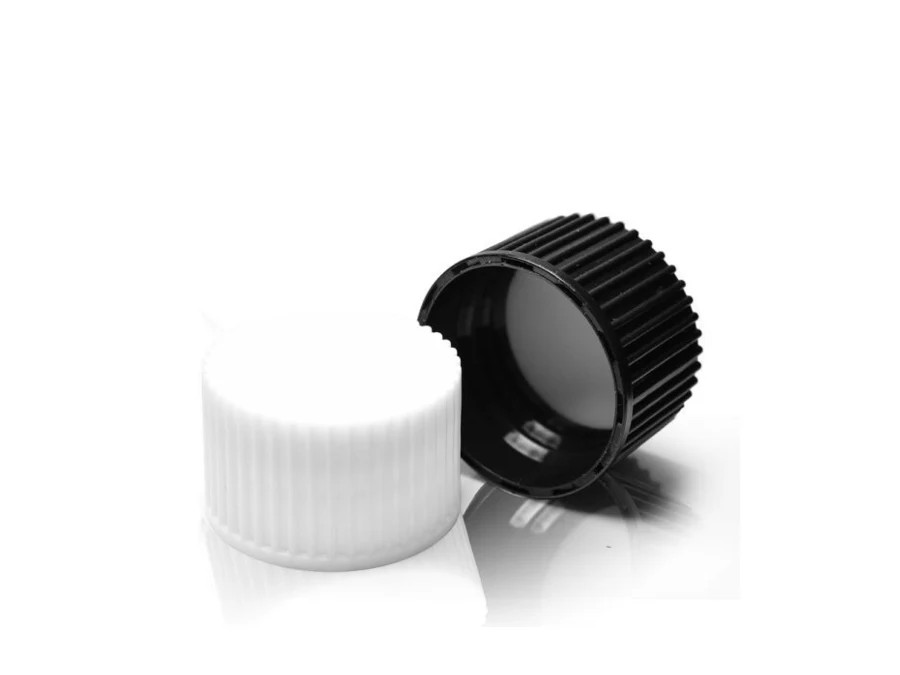
18/410, EPE liner · Material: PP plastic
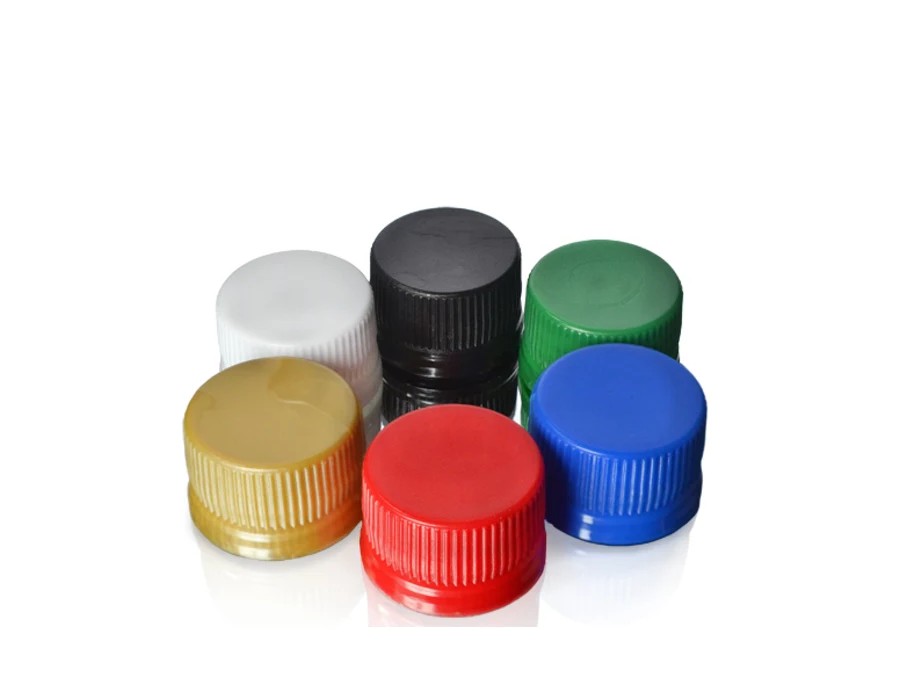
20/410, ribbed, EPE liner · Material: PP plastic
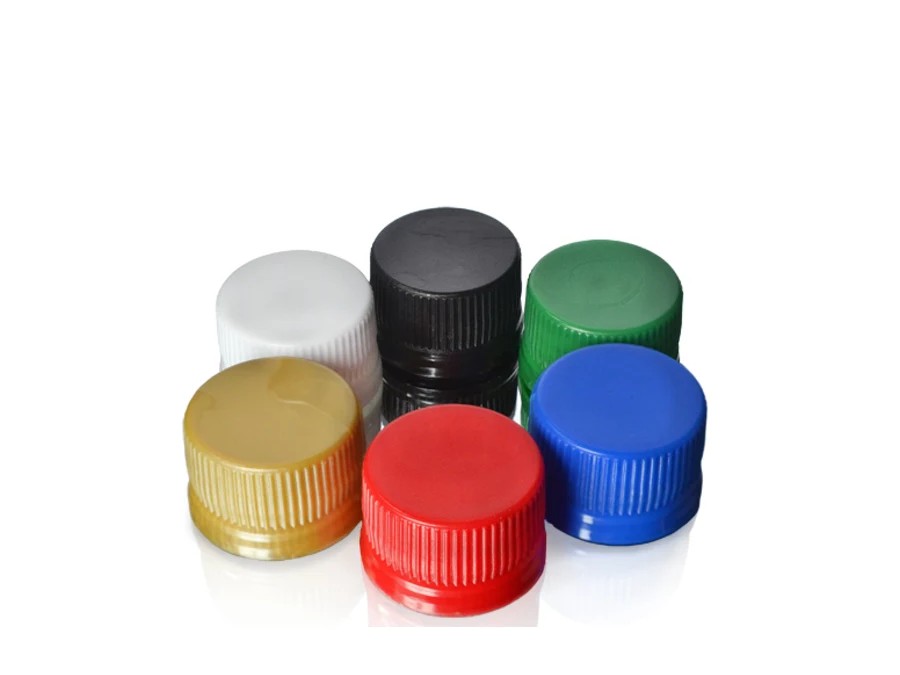
24/410, black, EPE liner · Material: PP plastic
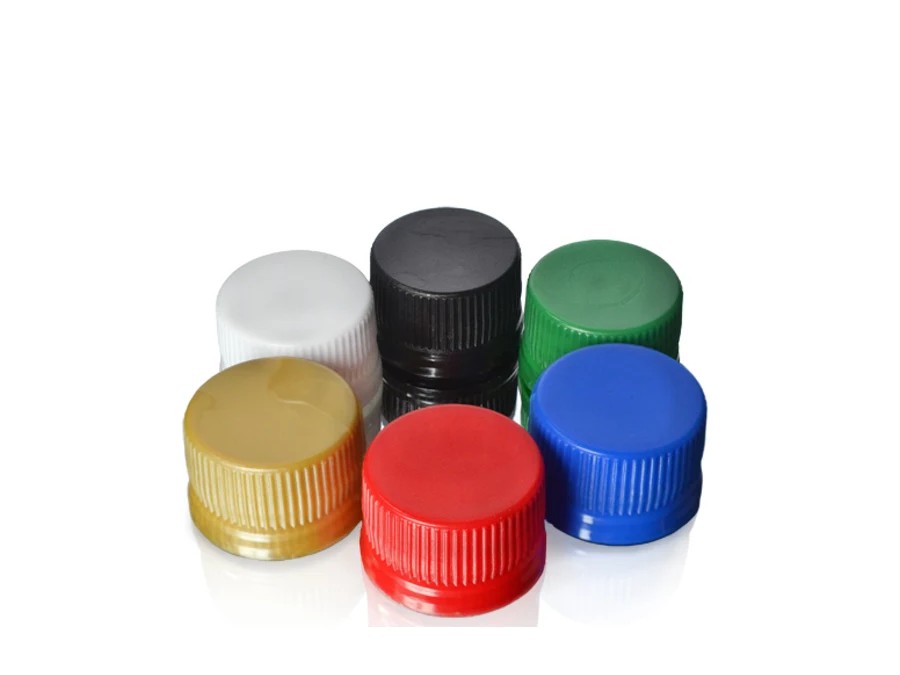
24/410, cone spout, tip cap · Material: LDPE/PP plastic
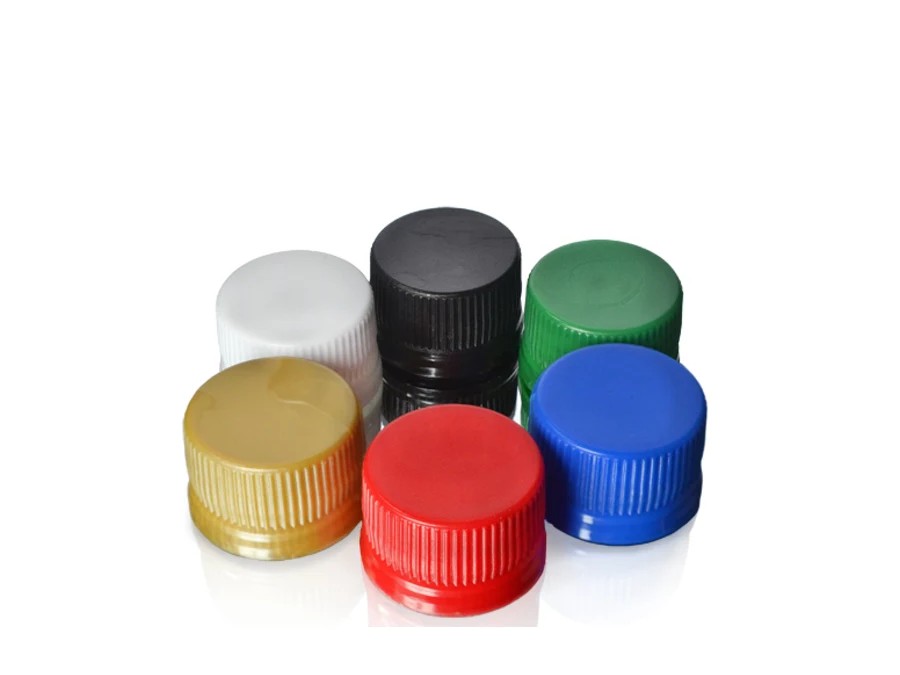
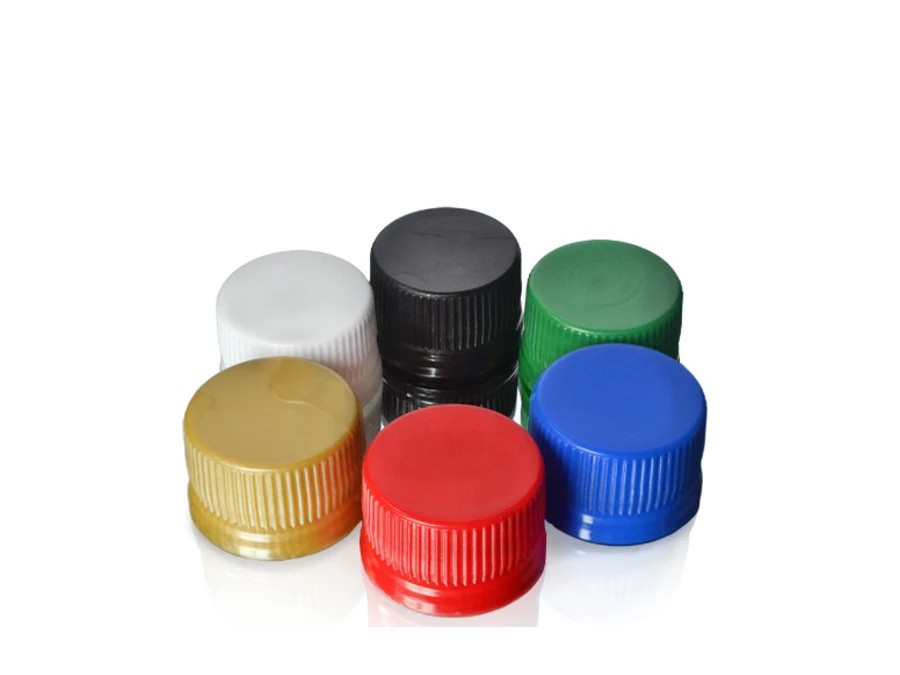
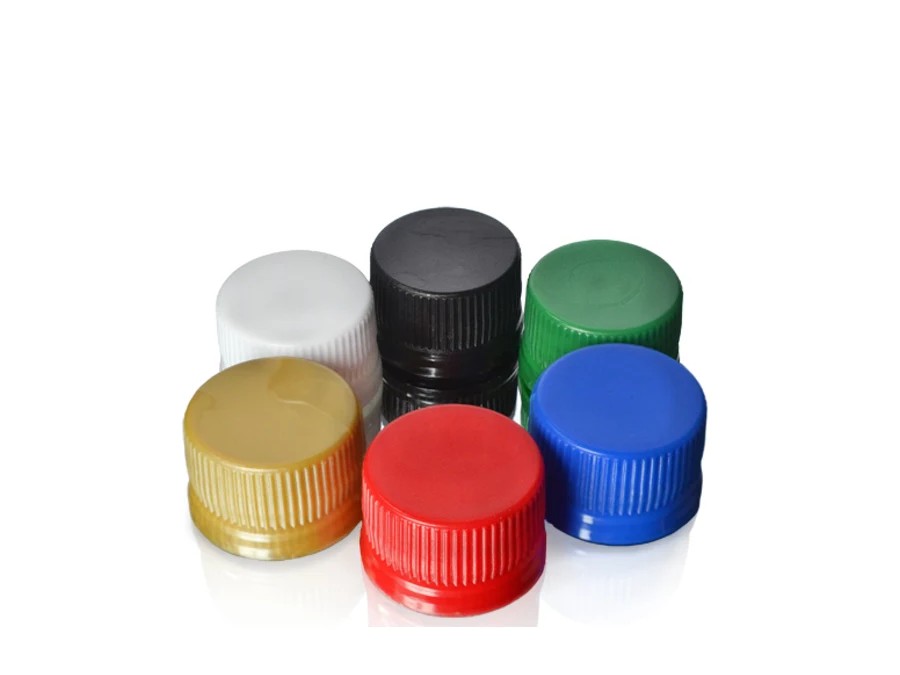
28/410, black, smooth collar · Material: PP pump assembly
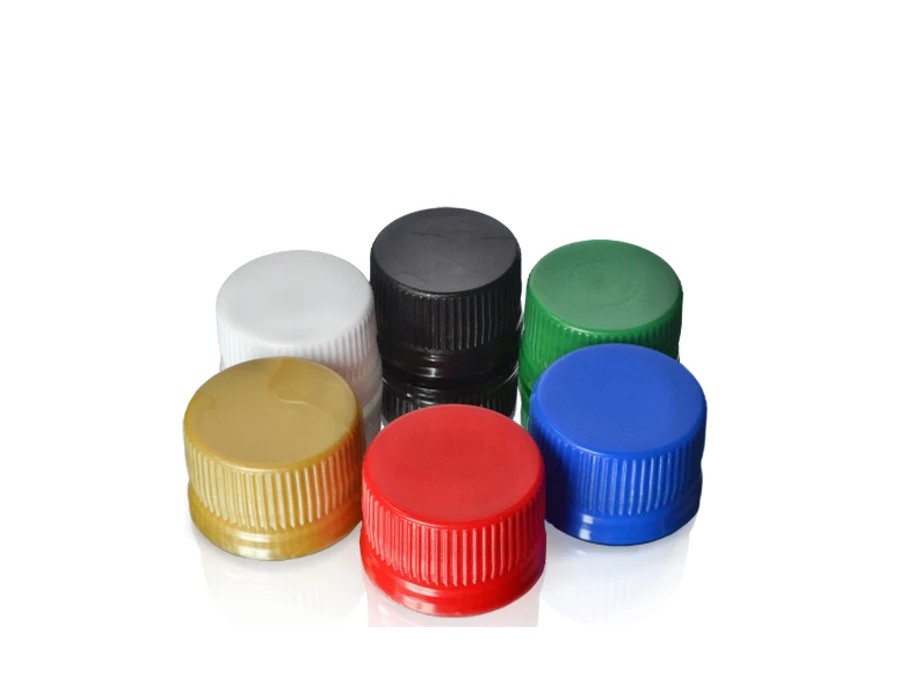
38mm, foam liner · Material: PP plastic
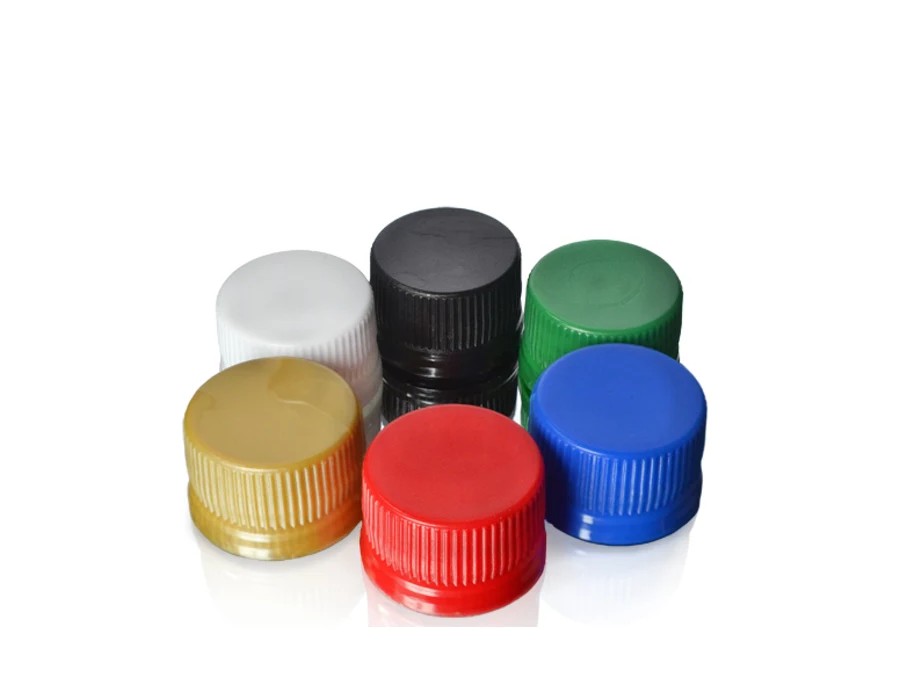
45mm, CR, lined · Material: PP plastic
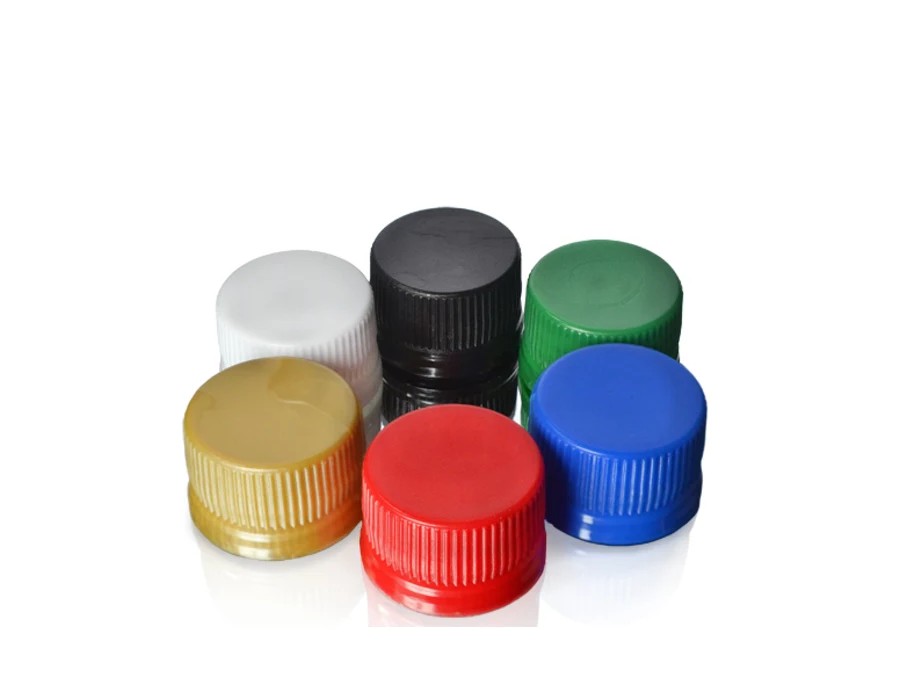
53mm, ribbed, lined · Material: PP plastic
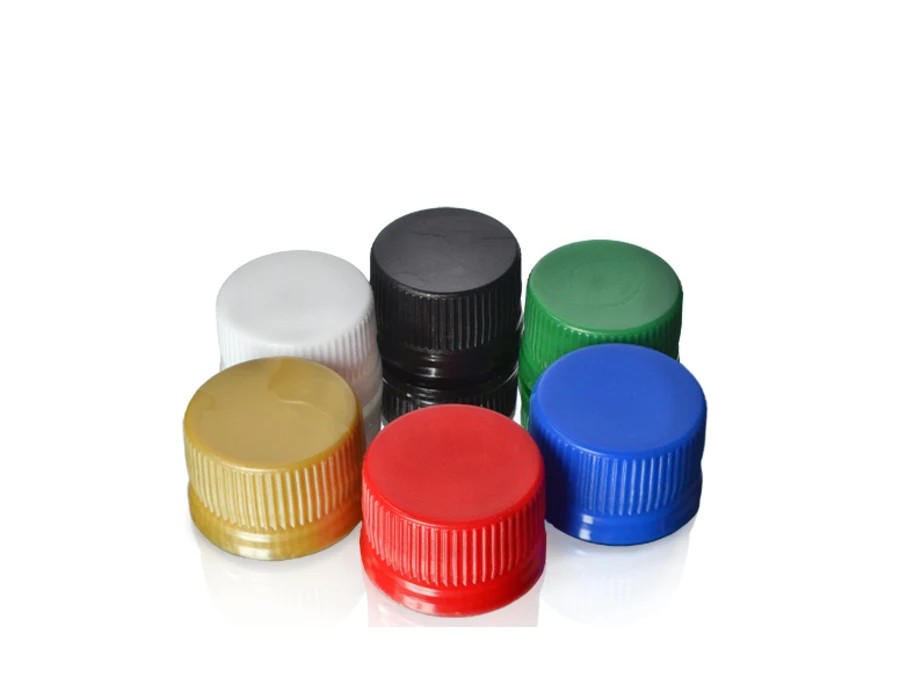
70mm, lined, ribbed · Material: PP plastic
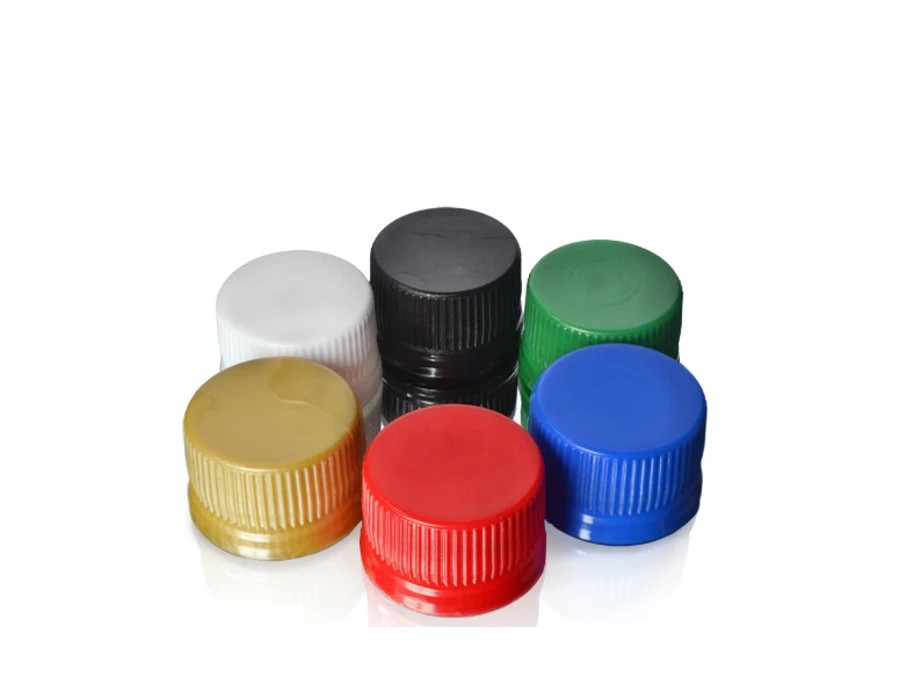
89mm CT finish · Material: PP plastic
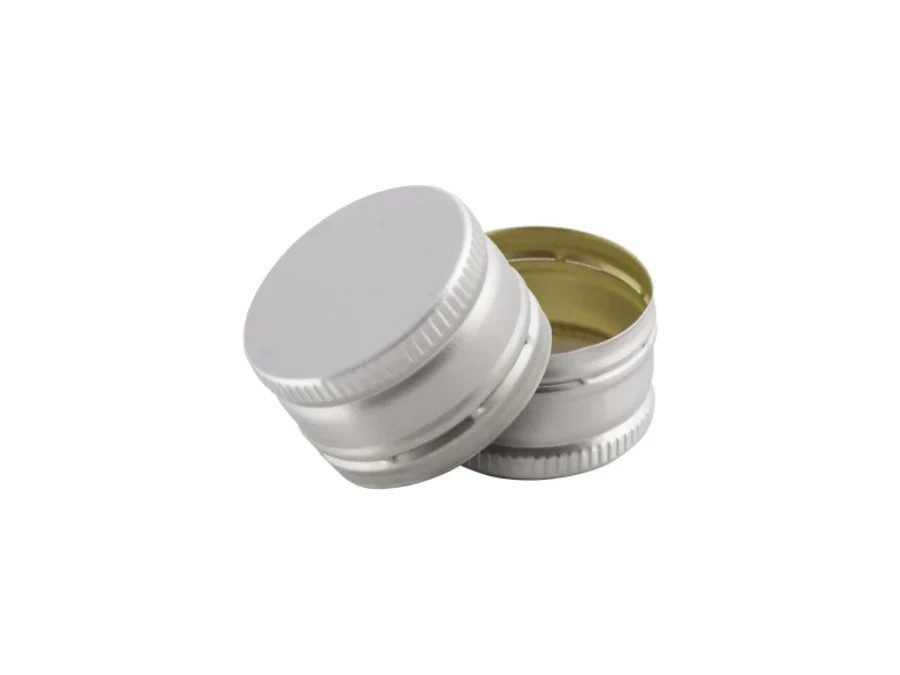
24/410, metal look, disc-top · Material: Aluminium/PP
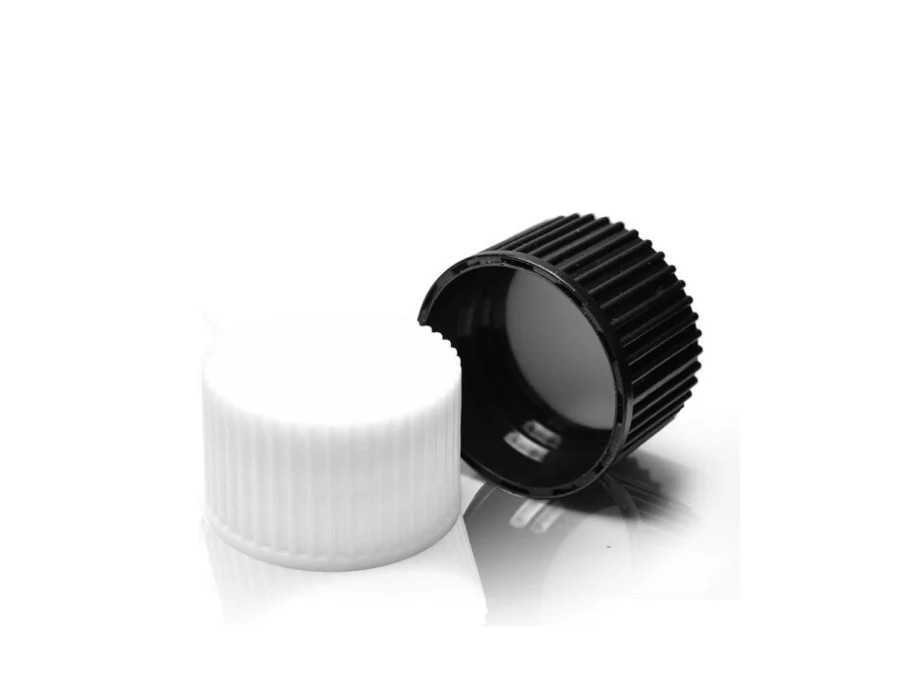
20/410, serum pump, clear overcap · Material: PP pump assembly
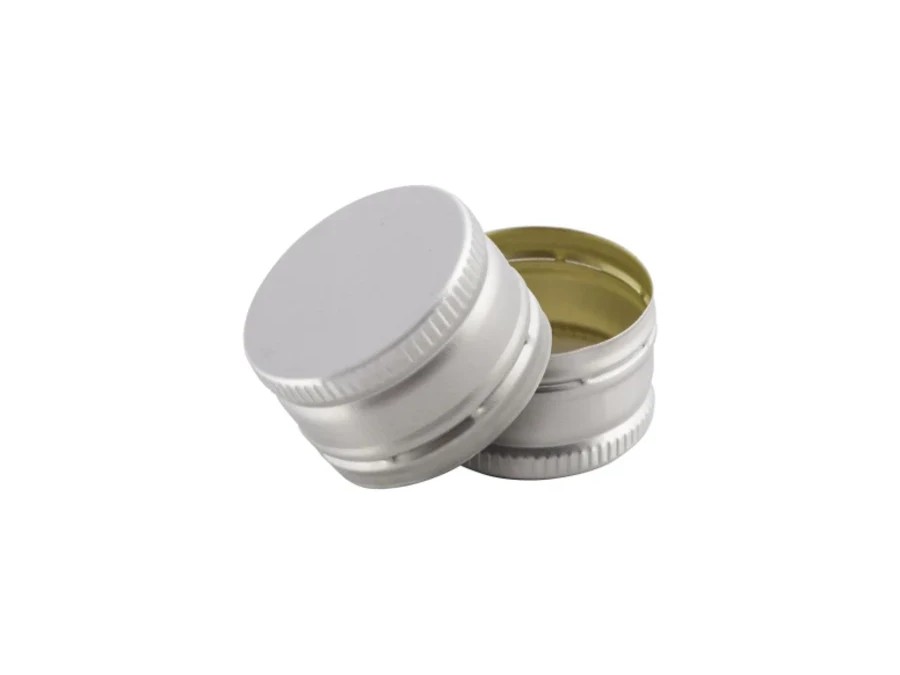
18mm, silver collar, glass pipette · Material: Metal collar + glass pipette
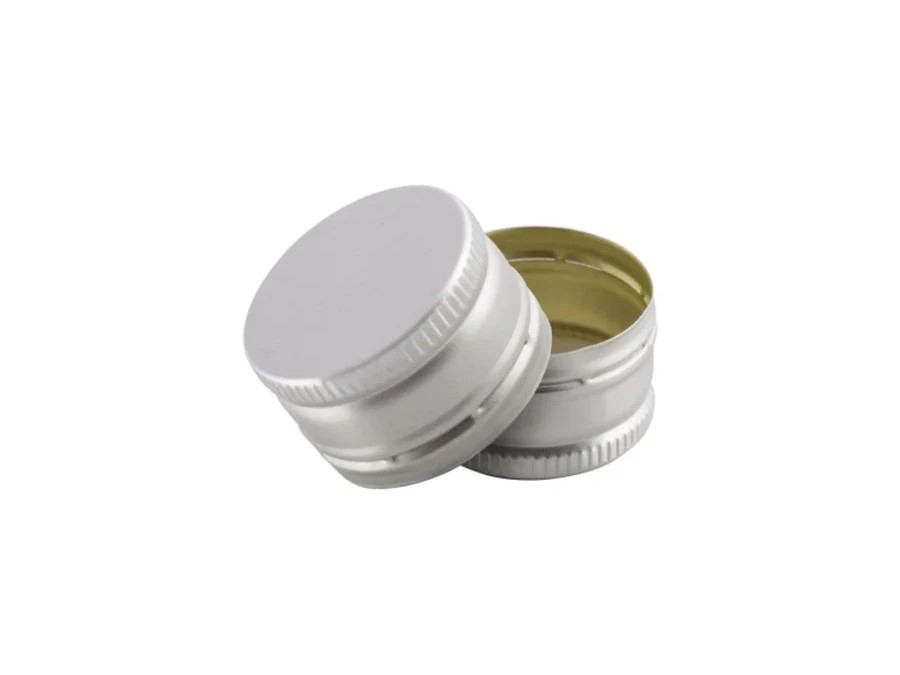
DIN18, dropper insert, tamper evident · Material: PP/LDPE plastic
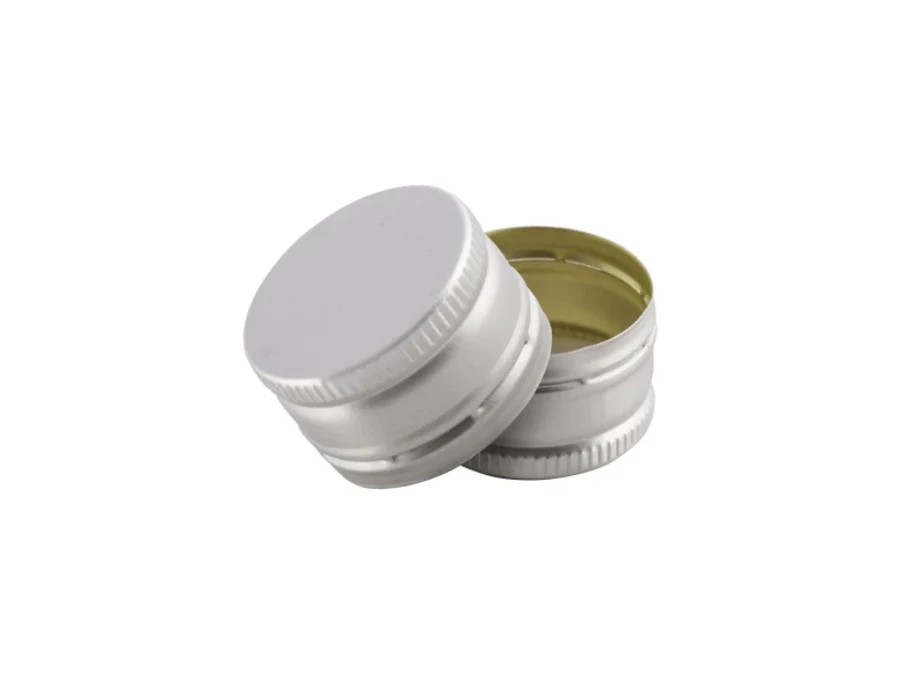
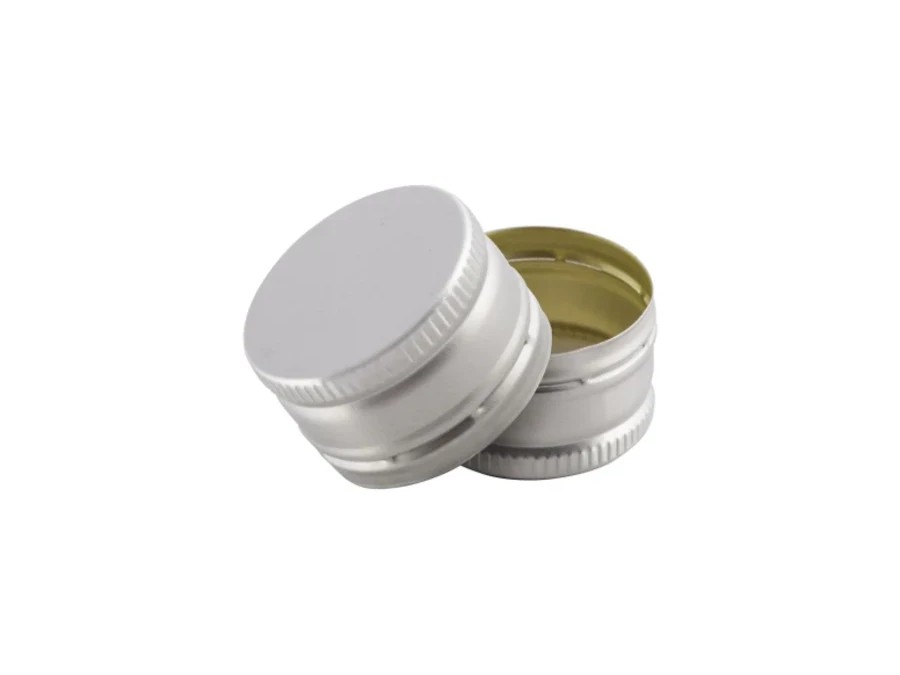
28mm, roll-on pilfer proof · Material: Aluminium
28mm, black, dip tube · Material: PP trigger assembly
24mm, white, overcap · Material: PP spray assembly
20mm, black, clear hood · Material: PP spray assembly
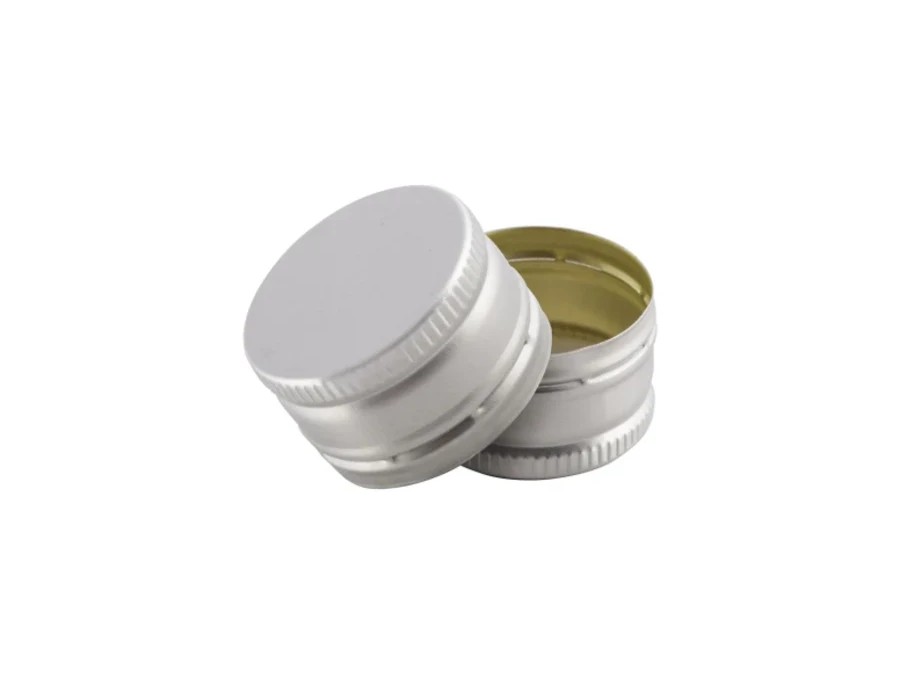
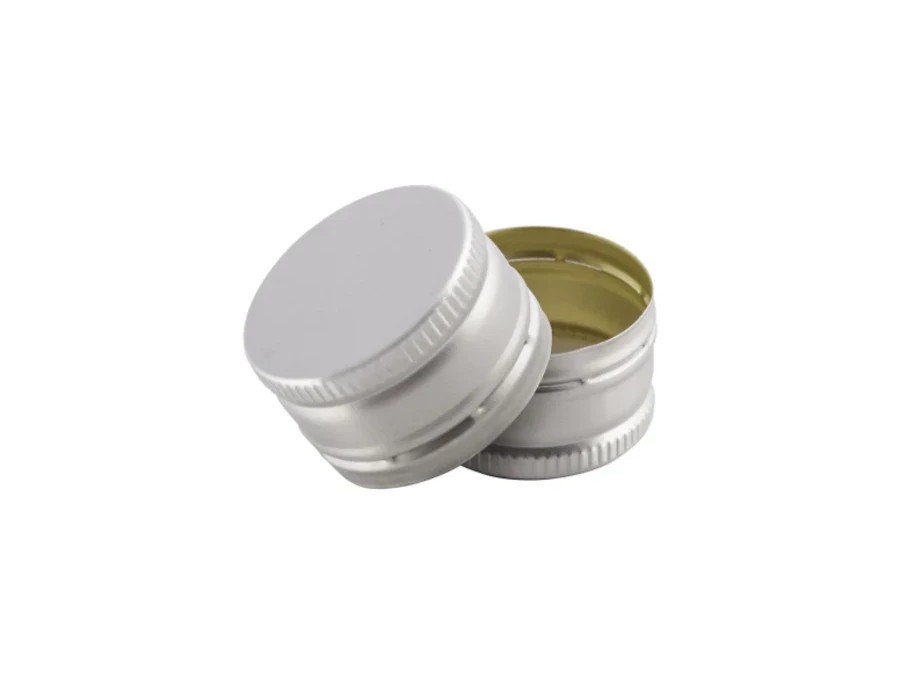
18mm, EPE lined · Material: Aluminium
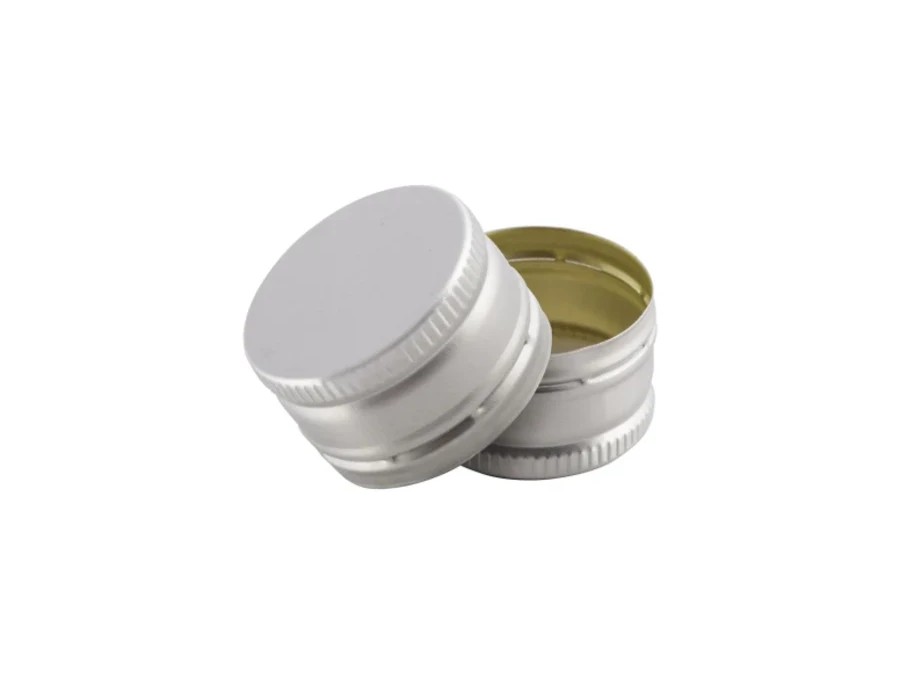
24mm, EPE lined · Material: Aluminium
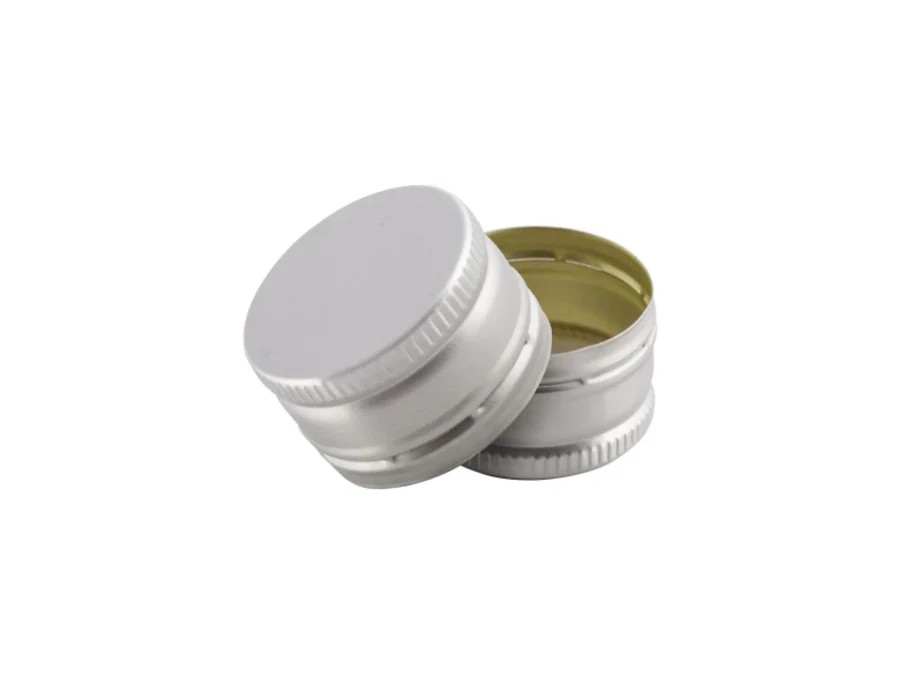
38mm, EPE lined · Material: Aluminium
20mm, controlled drop insert · Material: LDPE insert
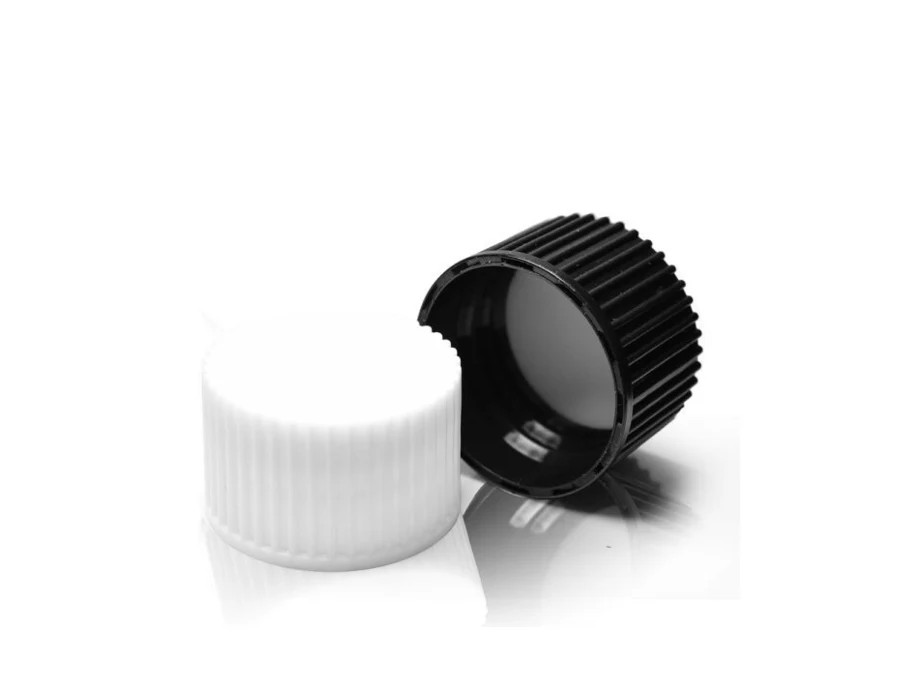
24mm, pour insert · Material: LDPE insert
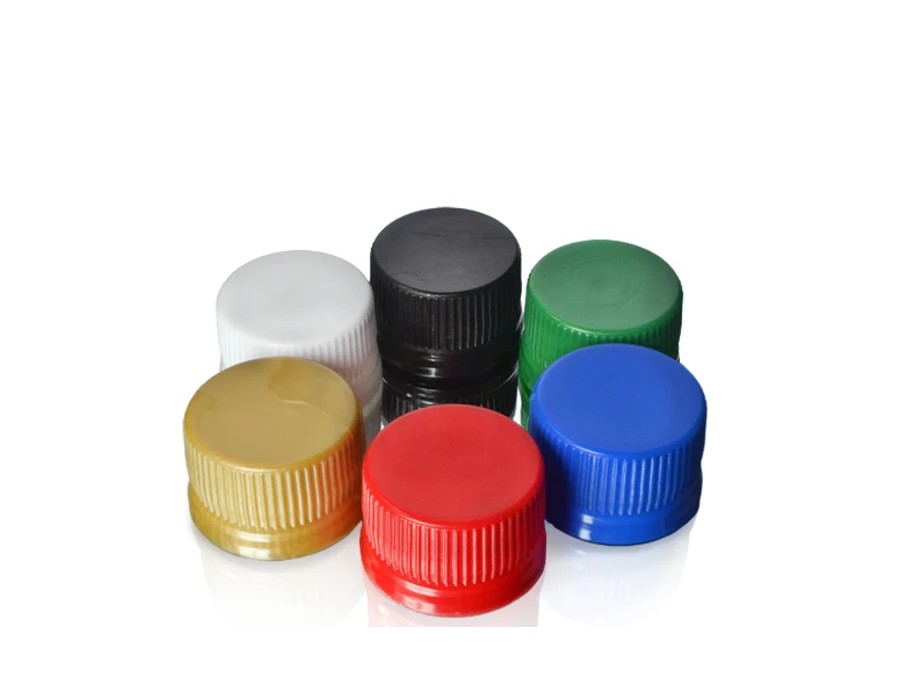
33mm, push-pull, tamper evident · Material: PP/HDPE plastic
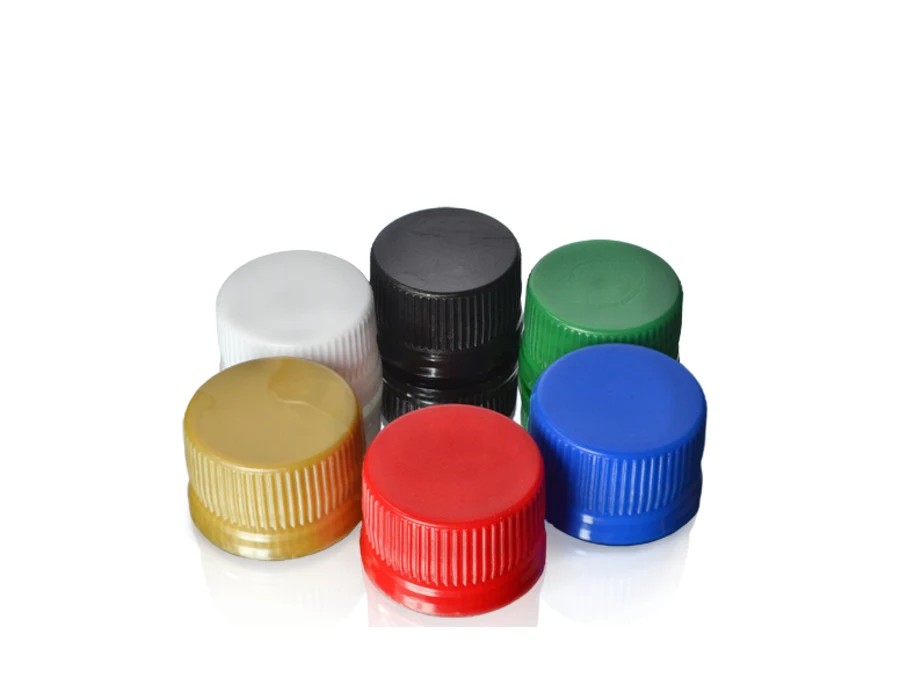
28mm, spout and hinged cover · Material: PP/LDPE plastic
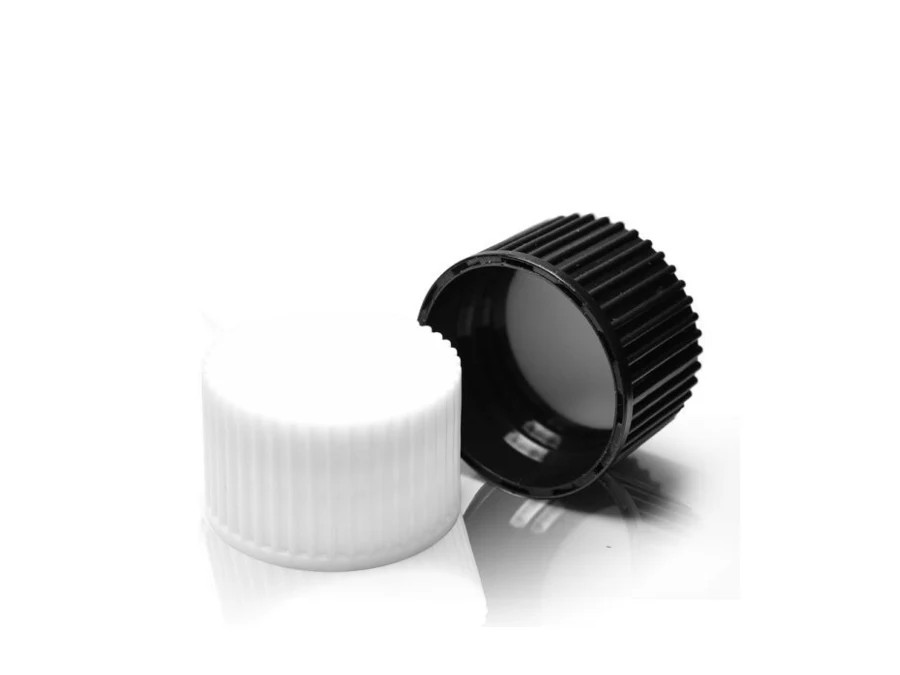
18mm nominal cork · Material: Natural cork
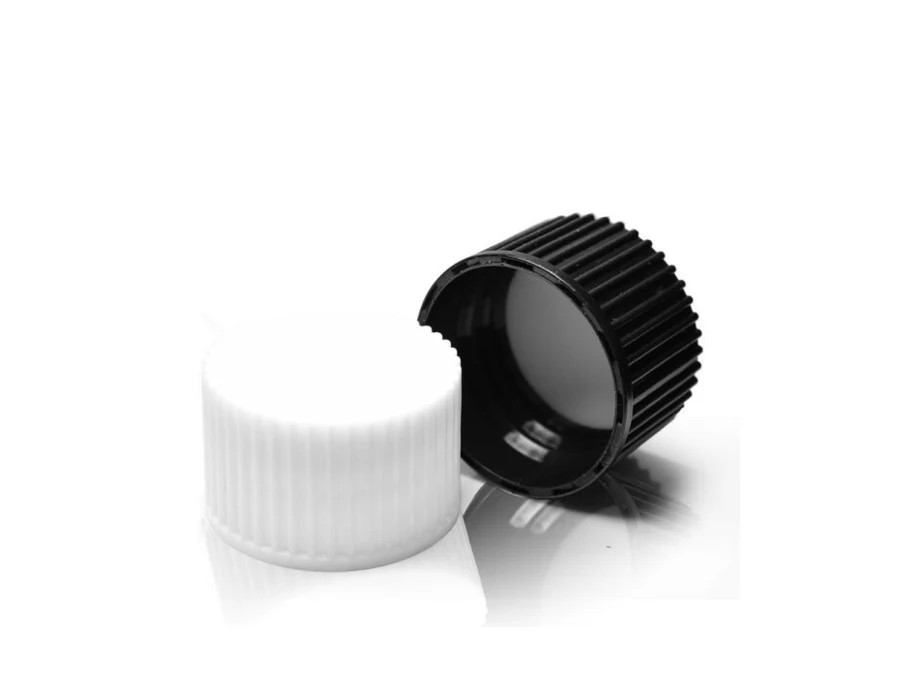
T-top, synthetic cork shank · Material: Synthetic cork + top
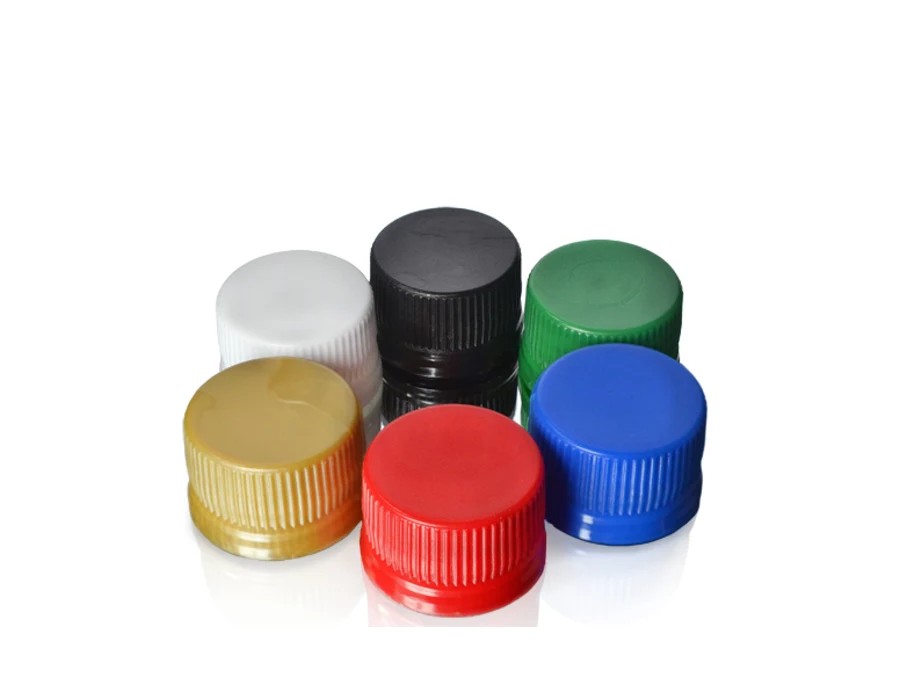
18mm, tamper-evident band · Material: PP plastic
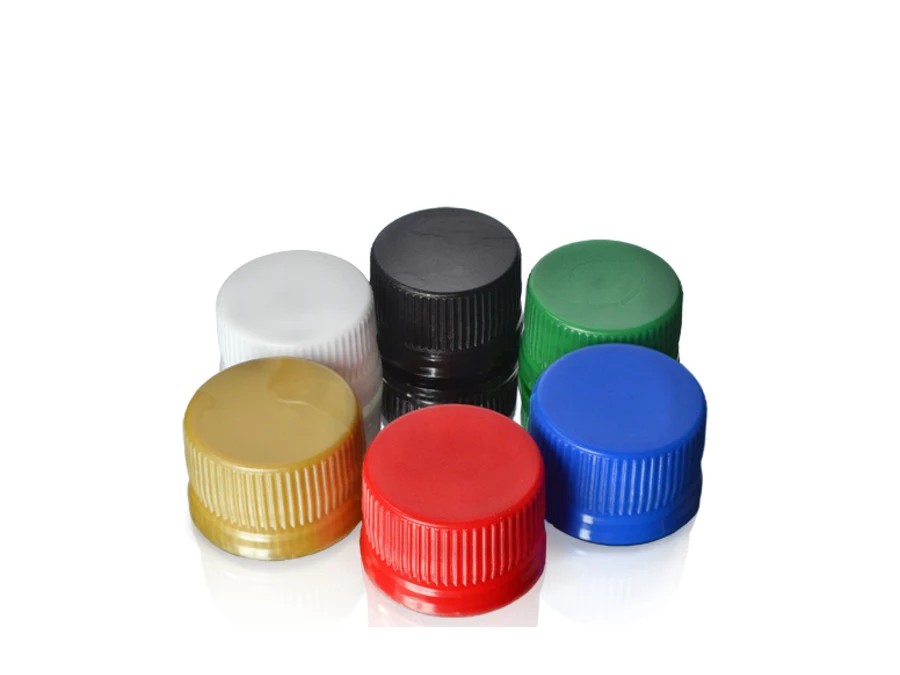
20mm, EPE liner · Material: PP plastic
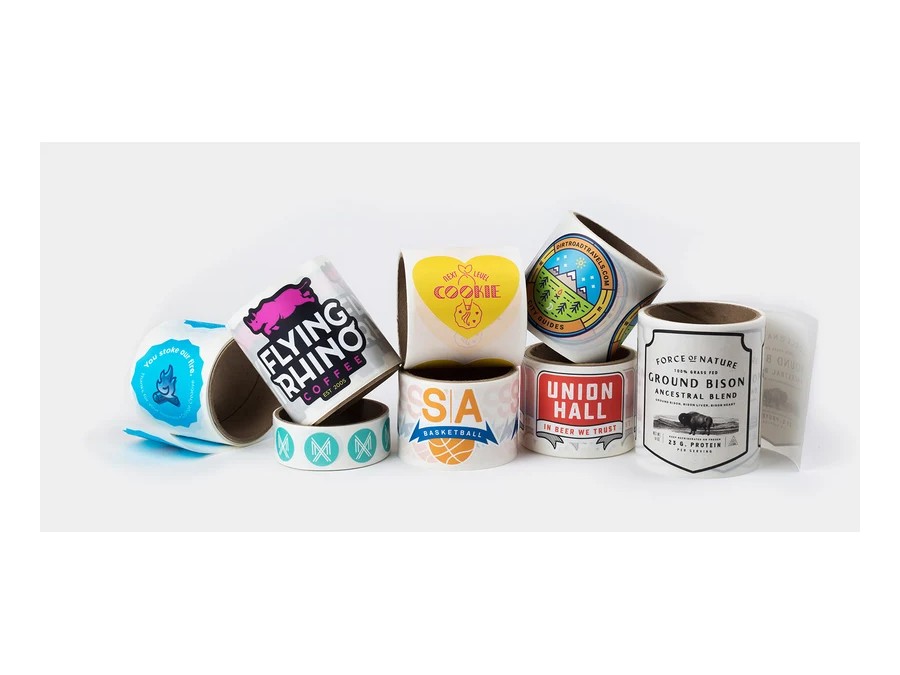
50 x 50mm; 50–10,000 label quantities · Material: BOPP/vinyl roll label with laminate
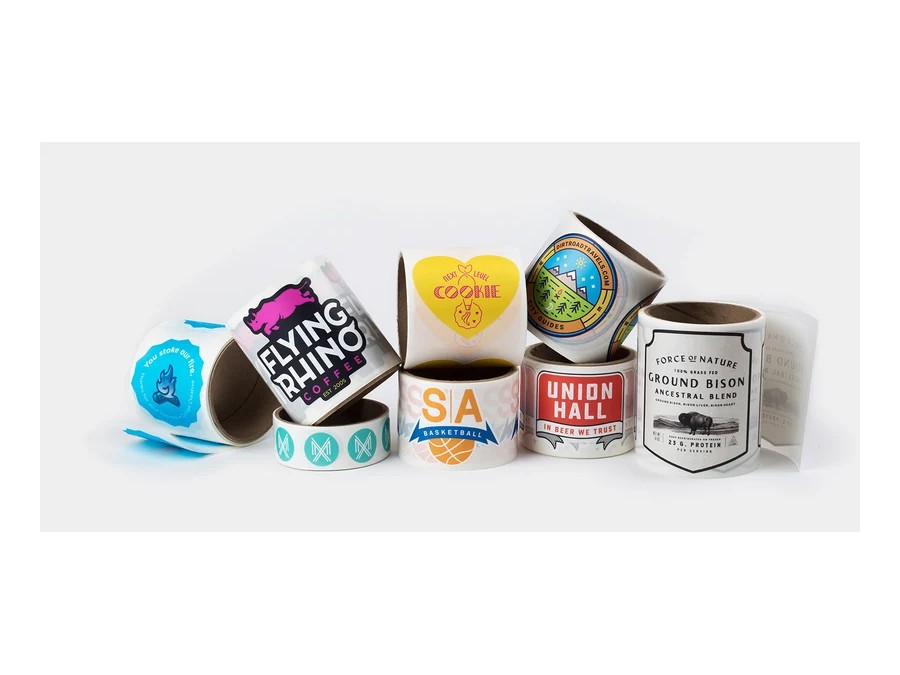
50 x 50mm; transparent material · Material: Clear PET/vinyl label
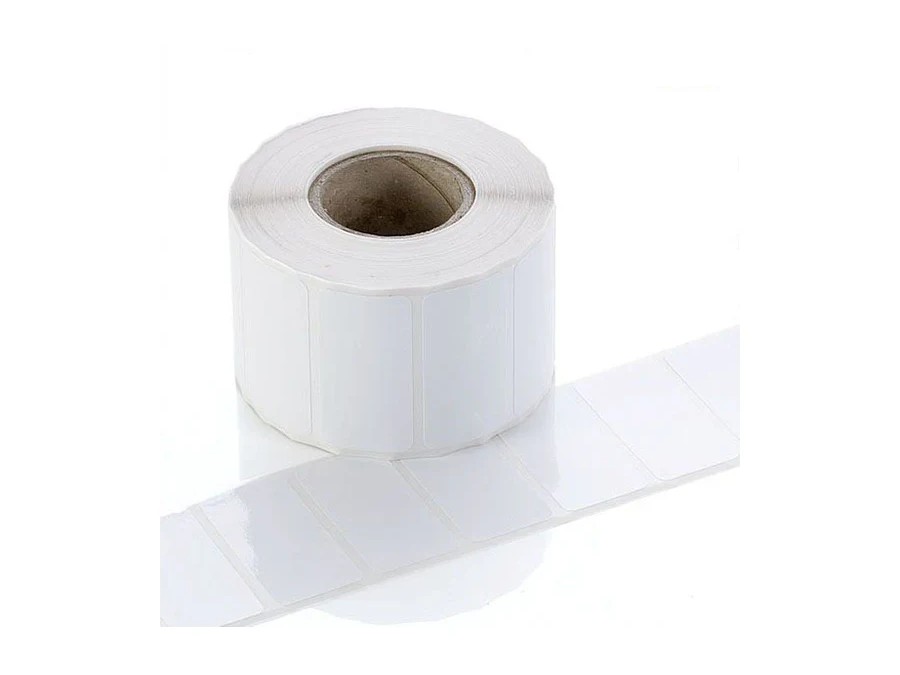
75 x 50mm; roll format · Material: Durable label with laminate
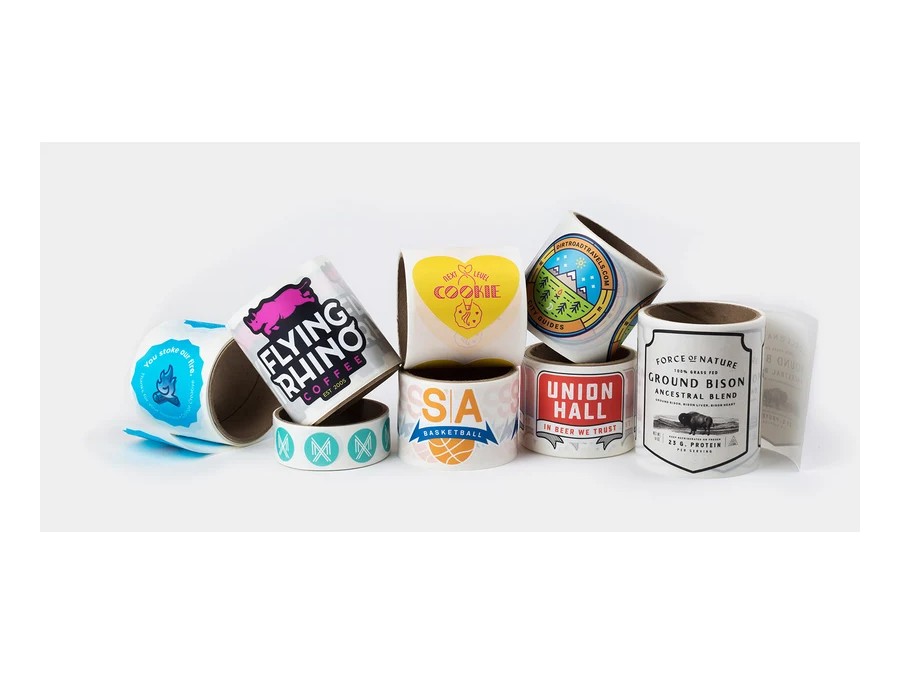
50 x 50mm equivalent; custom shape · Material: Durable custom die-cut label
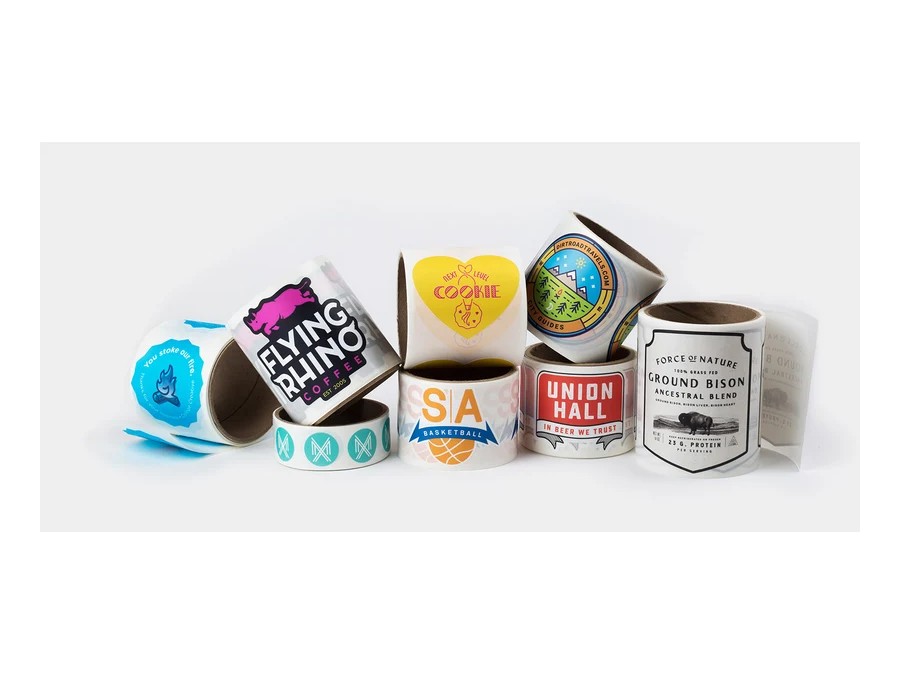
10 labels; custom size · Material: Custom printed label sample
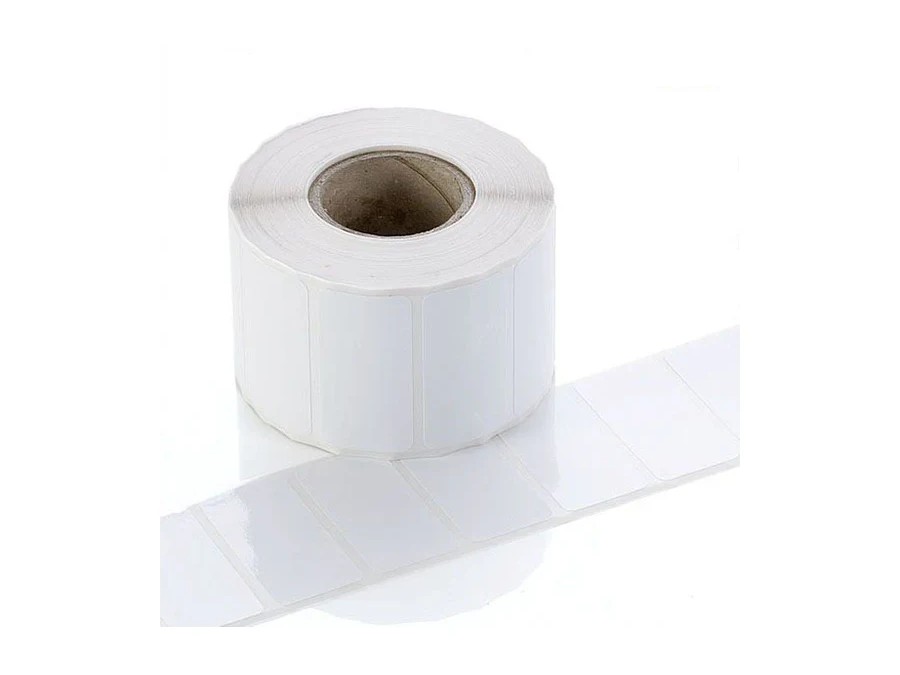
75 x 50mm; 38mm core; 1,000 labels/roll · Material: Gloss white vinyl
100 x 150mm; 1,020 labels/roll; 4 rolls/box · Material: Uncoated direct thermal paper
100 x 150mm; 300 labels/roll; 12 rolls/box · Material: White eco direct thermal paper
100 x 150mm; 1,020 labels/roll; 4 rolls/box · Material: Direct thermal smooth paper
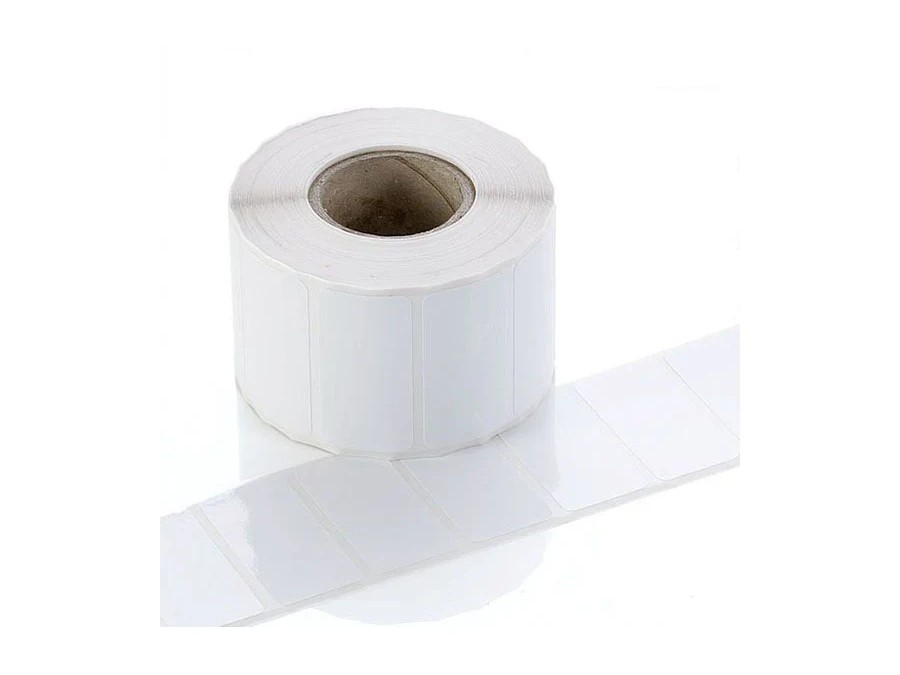
75 x 75mm; 25mm core · Material: Gloss yellow vinyl
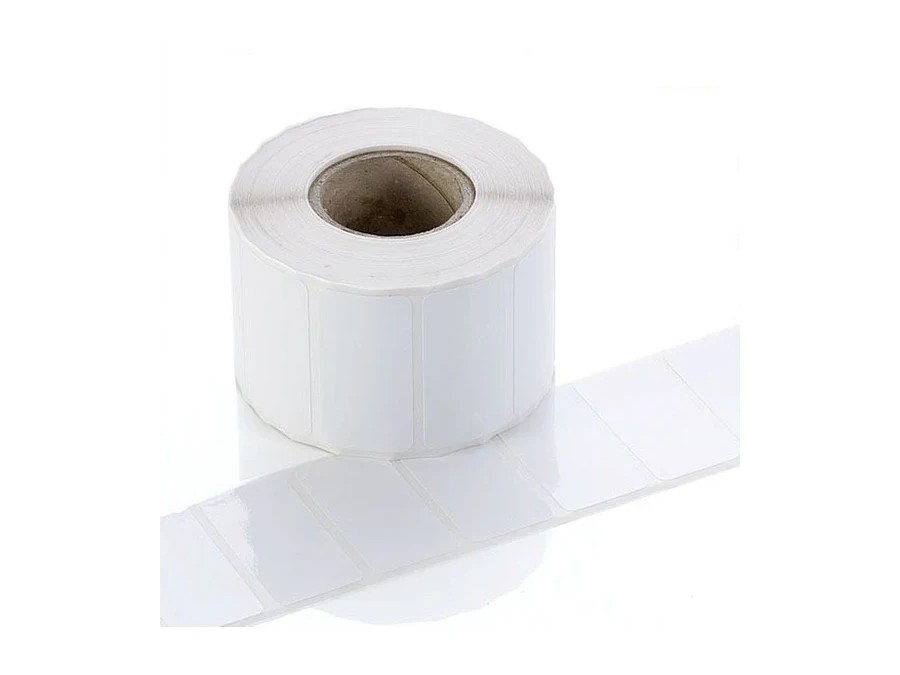
75 x 100mm; 358 labels/roll · Material: Gloss white vinyl
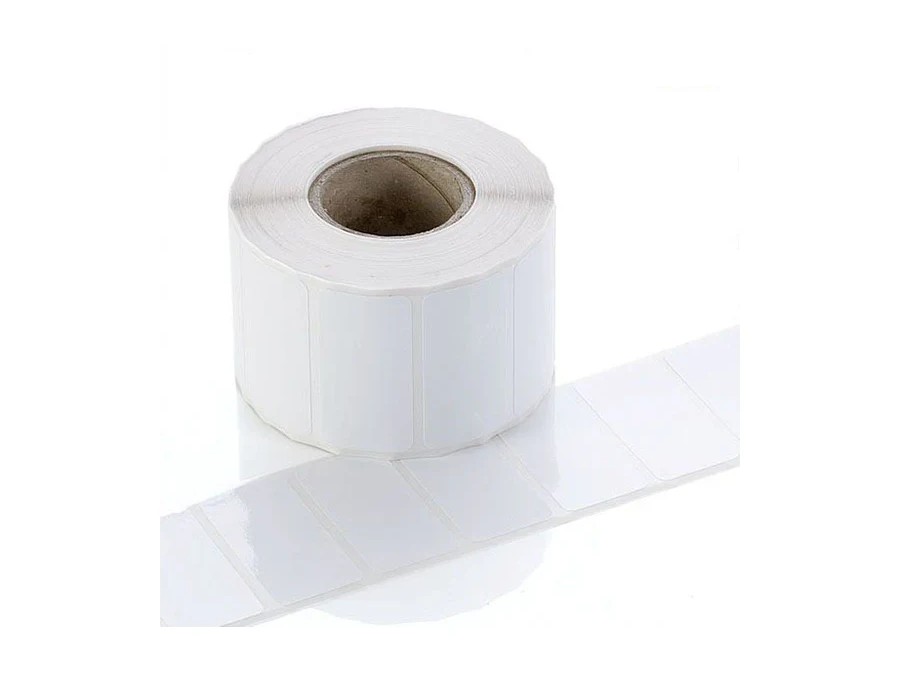
75 x 40mm; 1,000 labels/roll · Material: Gloss white vinyl
100 x 150mm; 1,000 labels/roll; 4 rolls/box · Material: Uncoated thermal transfer paper
100 x 150mm; 400 labels/roll; 16 rolls/box · Material: White direct thermal paper
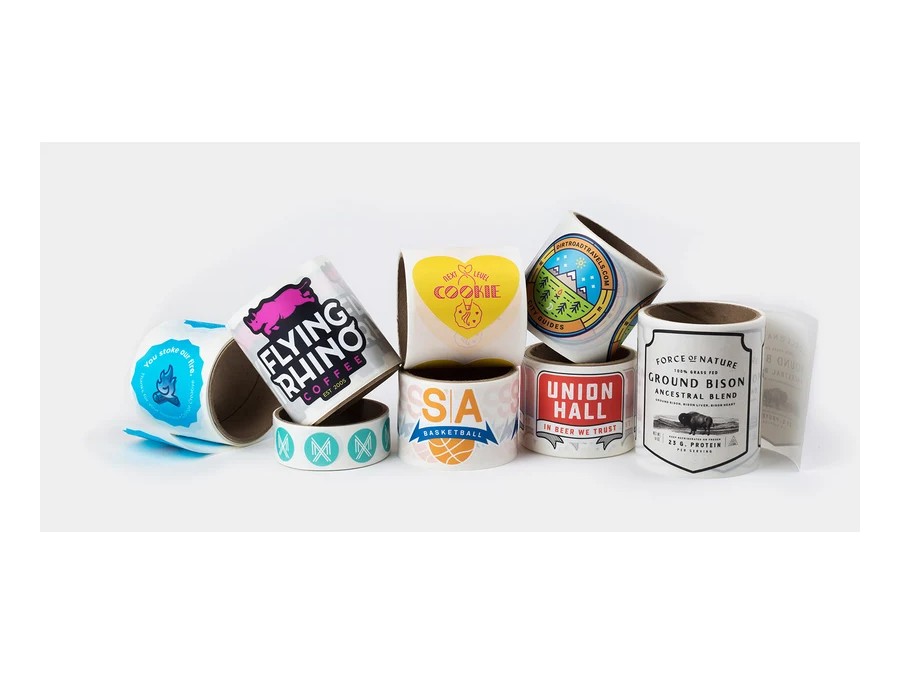
50 x 50mm, round · Material: Durable printed roll label
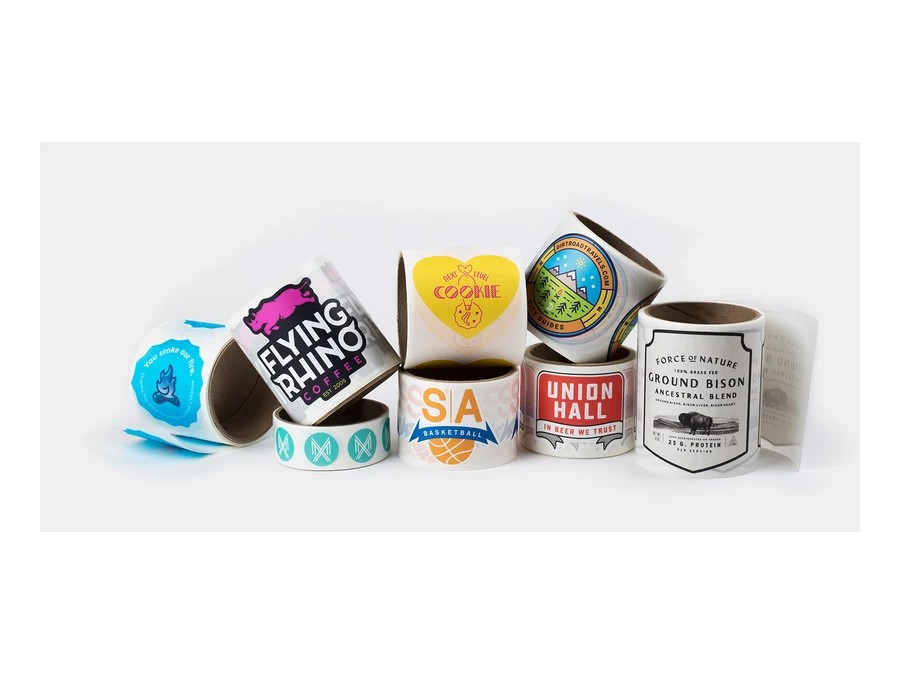
75 x 50mm, oval · Material: Durable printed roll label
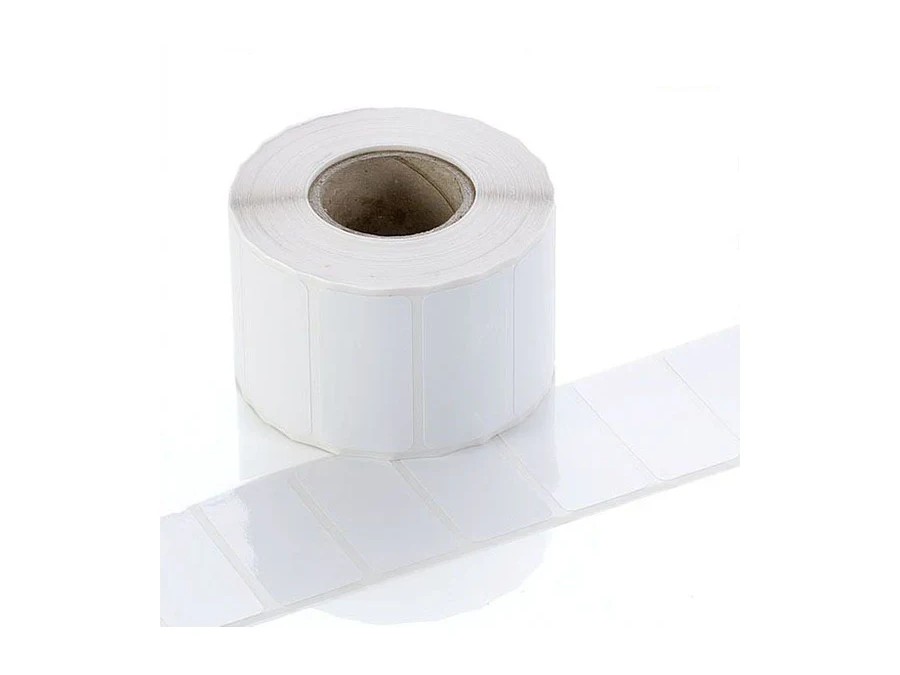
75 x 75mm, square · Material: Durable printed roll label
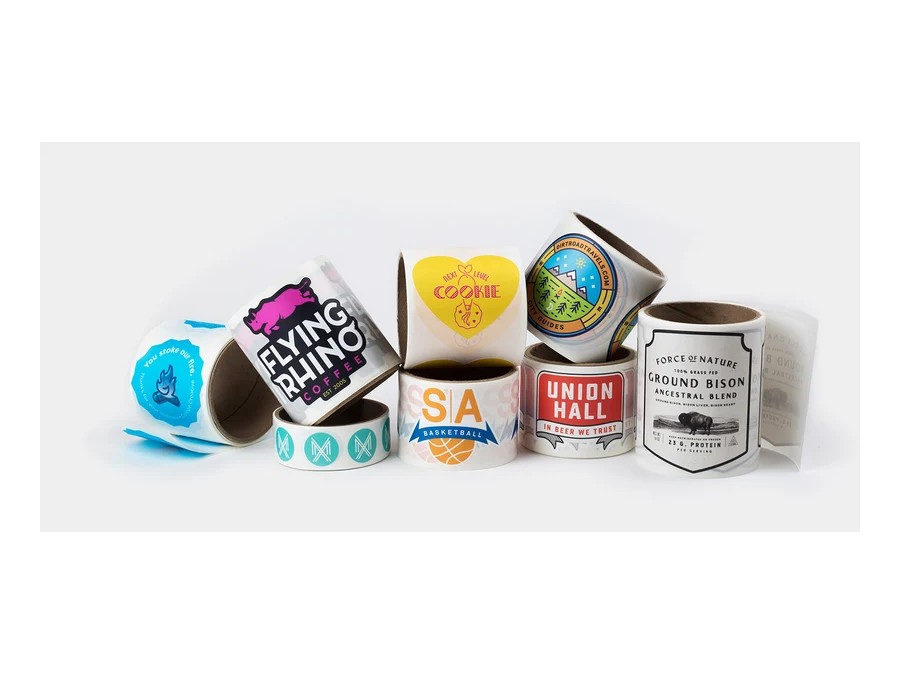
75 x 50mm, rounded rectangle · Material: Durable printed roll label
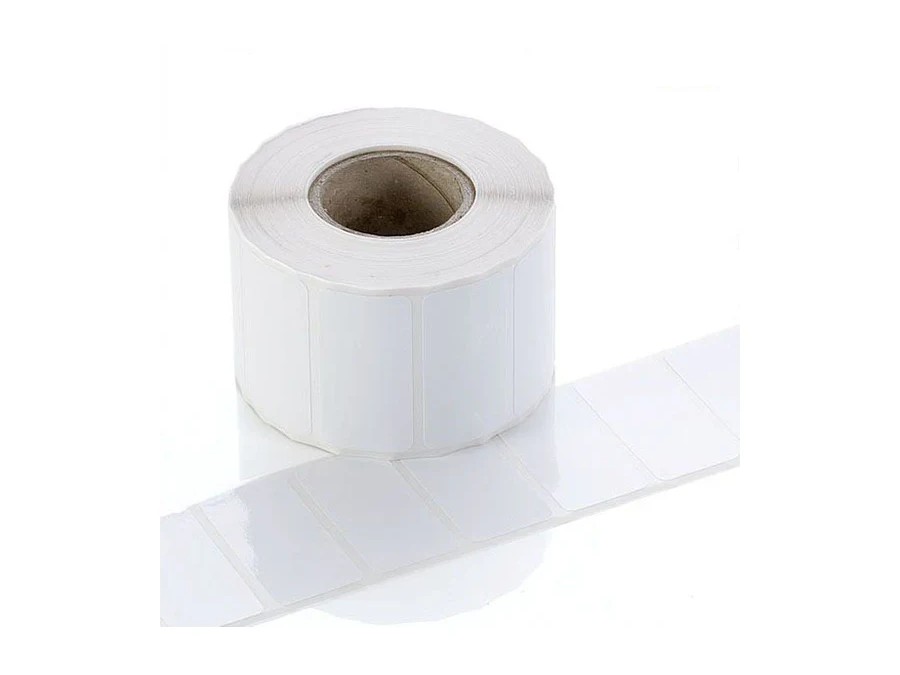
50 x 50mm; waterproof/oil resistant · Material: Laminated waterproof label
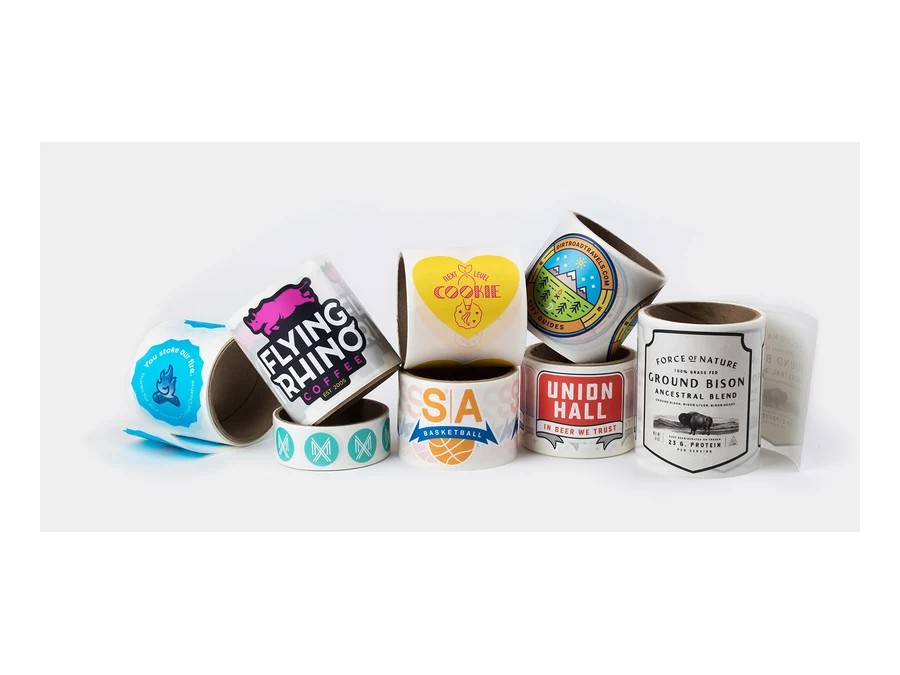
50 x 50mm; clear premium label · Material: Clear label material
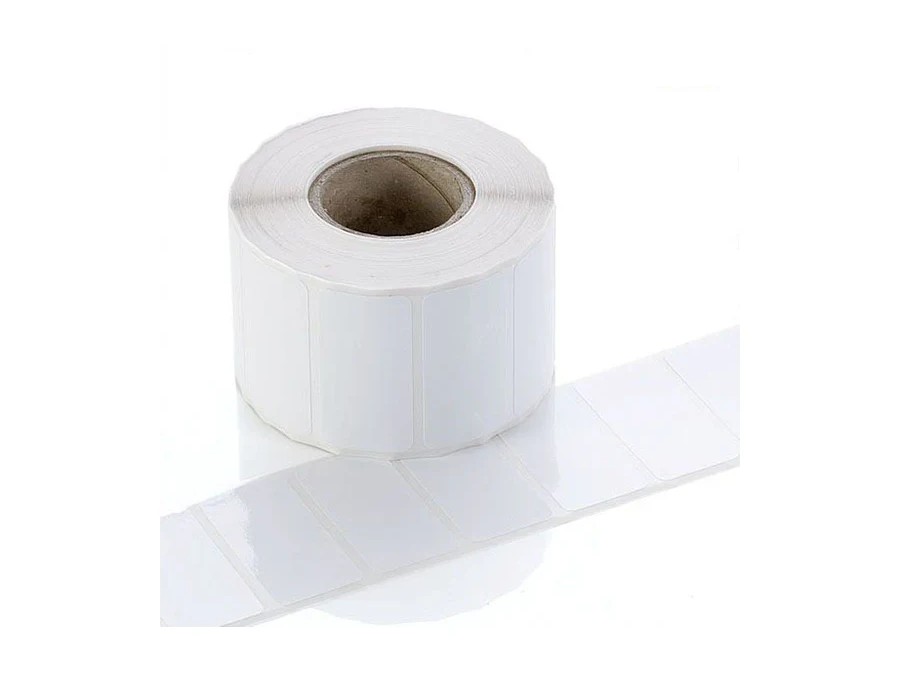
custom size/shape, roll format · Material: Premium vinyl with laminate
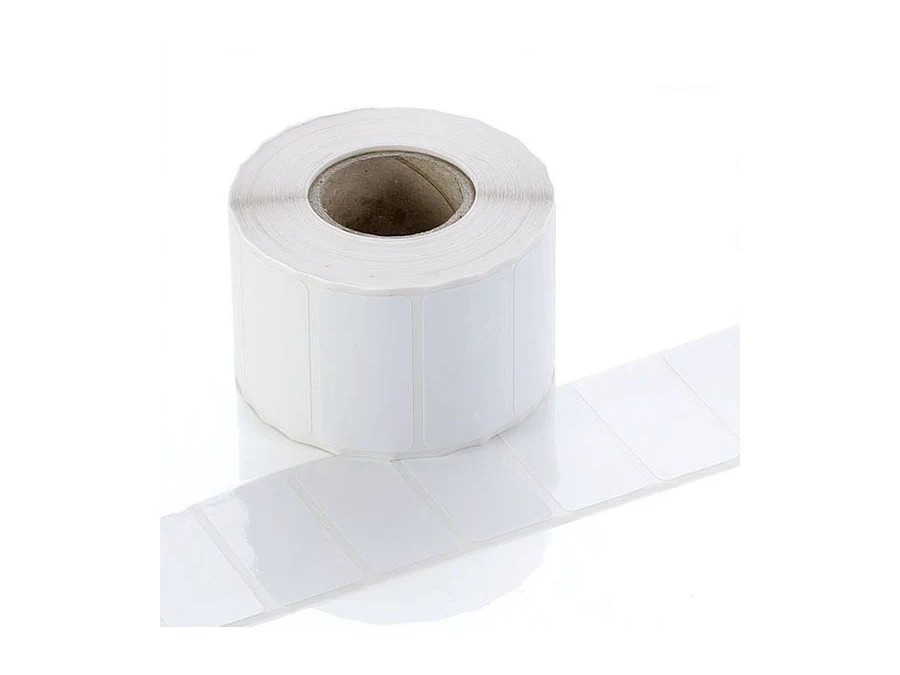
50 x 25mm, pre-cut roll · Material: Gloss white vinyl
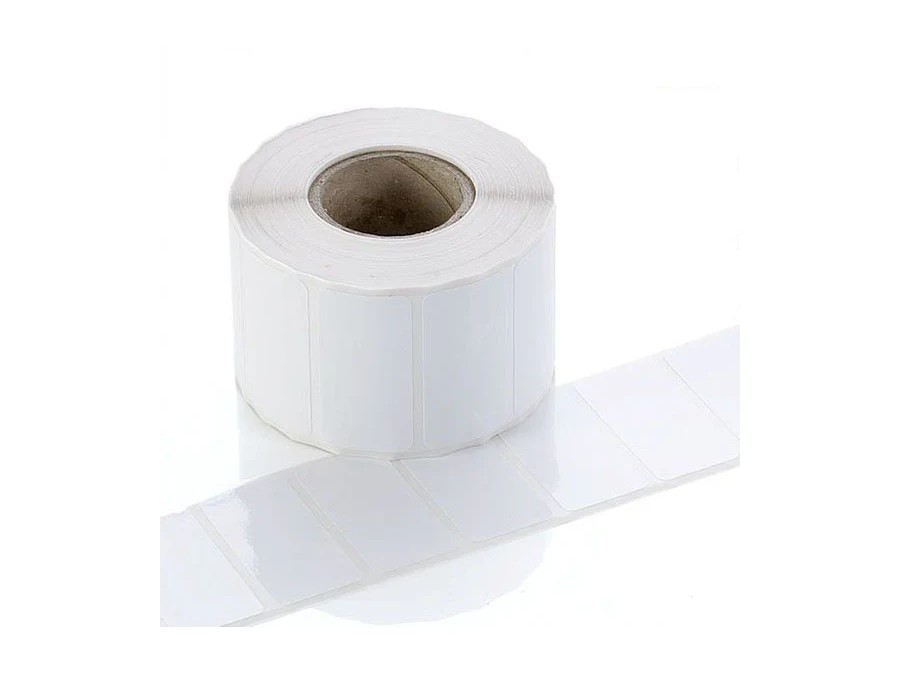
50 x 50mm, pre-cut roll · Material: Gloss white vinyl
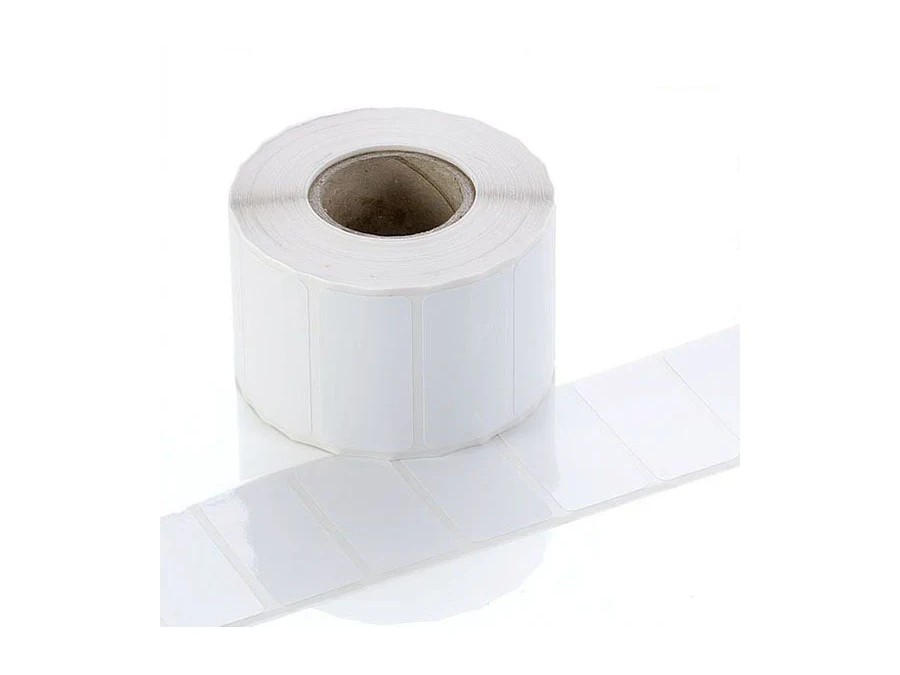
75 x 25mm, pre-cut roll · Material: Gloss white vinyl
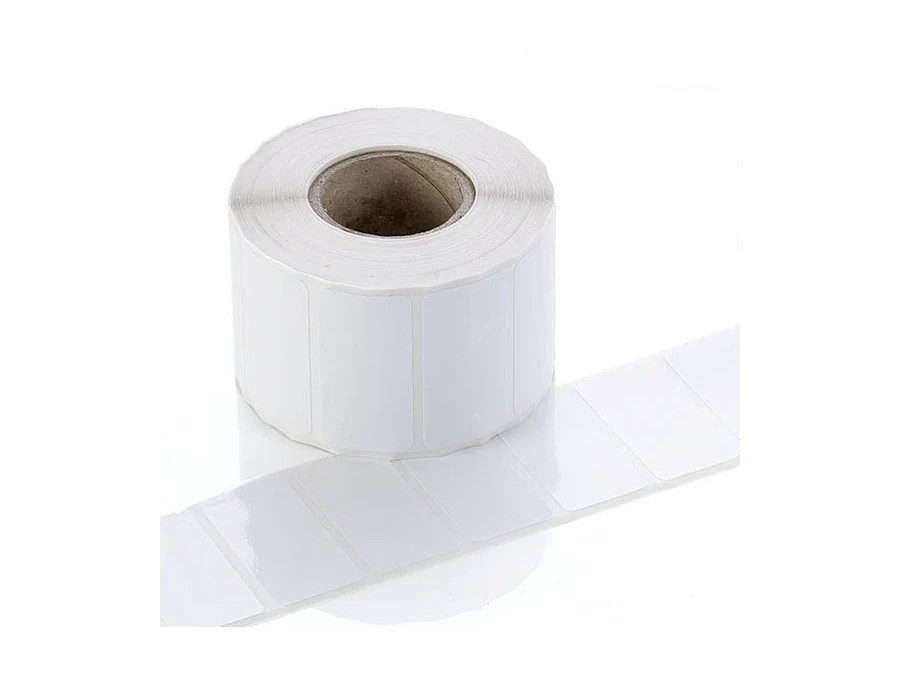
75 x 50mm, roll · Material: Matt white paper
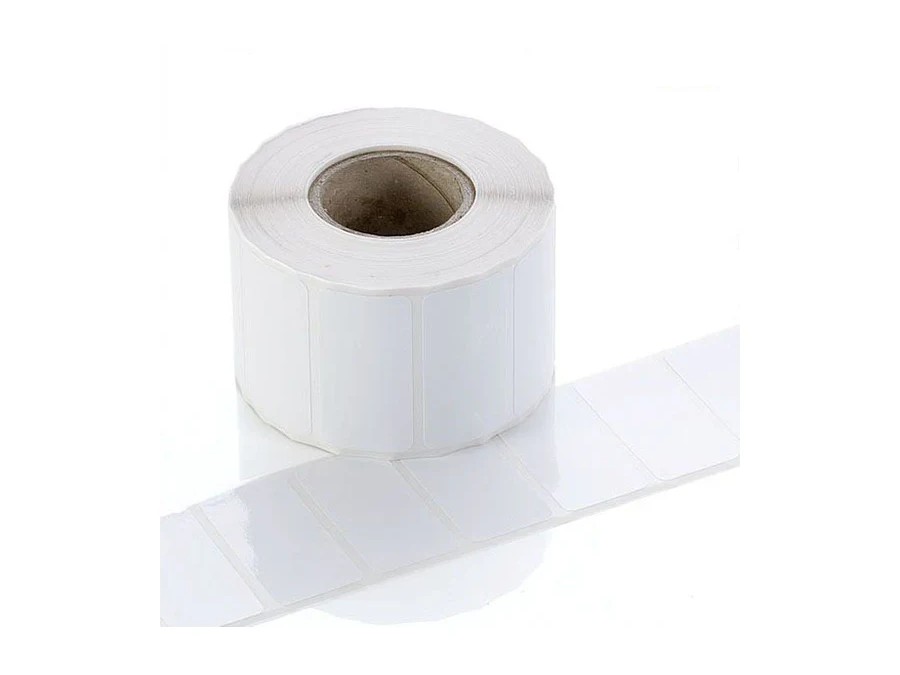
50 x 25mm, yellow · Material: Gloss yellow vinyl
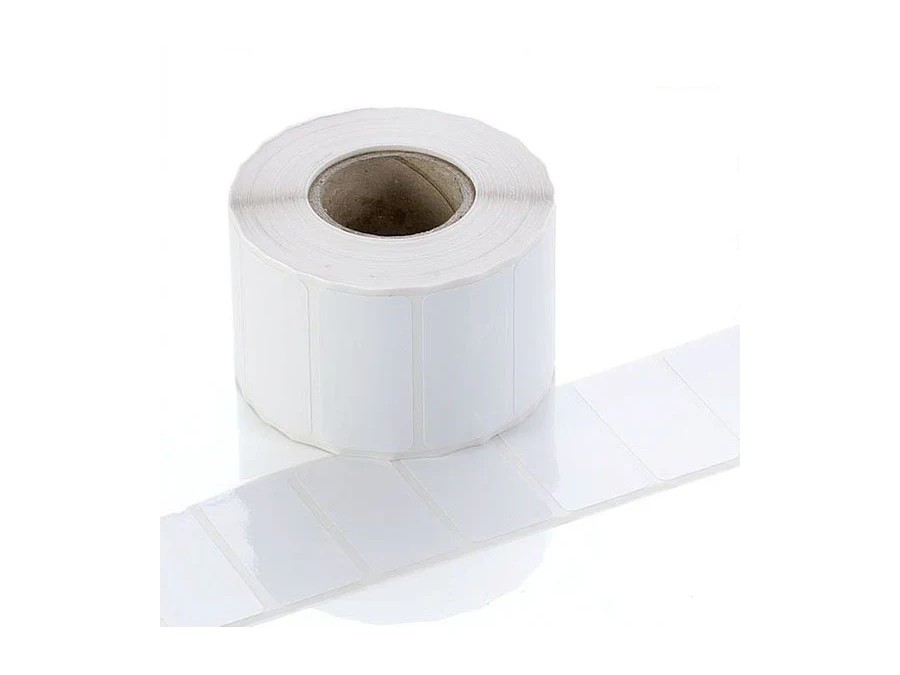
75 x 50mm, red · Material: Gloss red vinyl
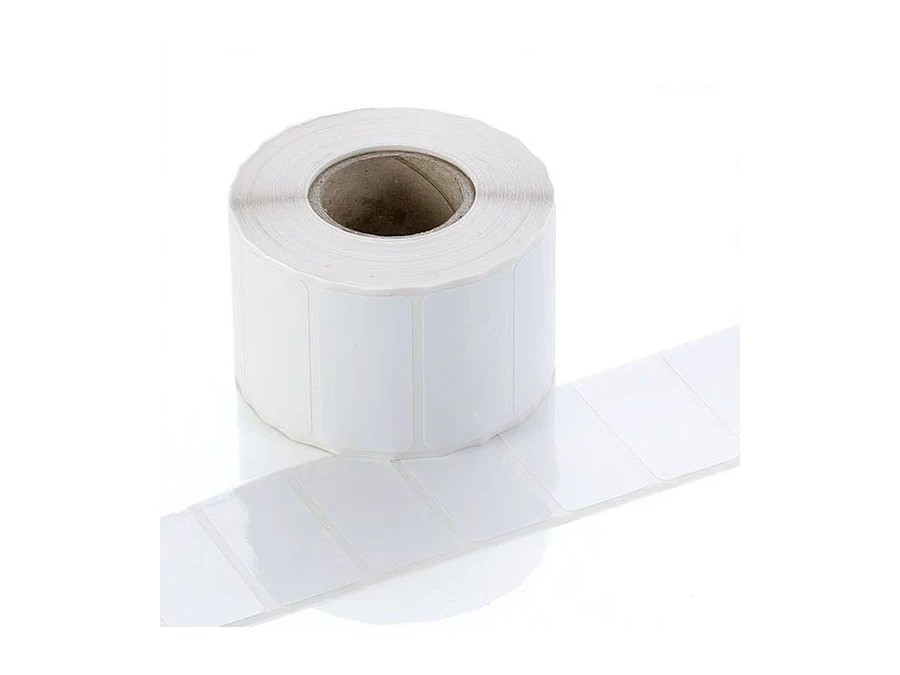
75 x 50mm, blue · Material: Gloss blue vinyl
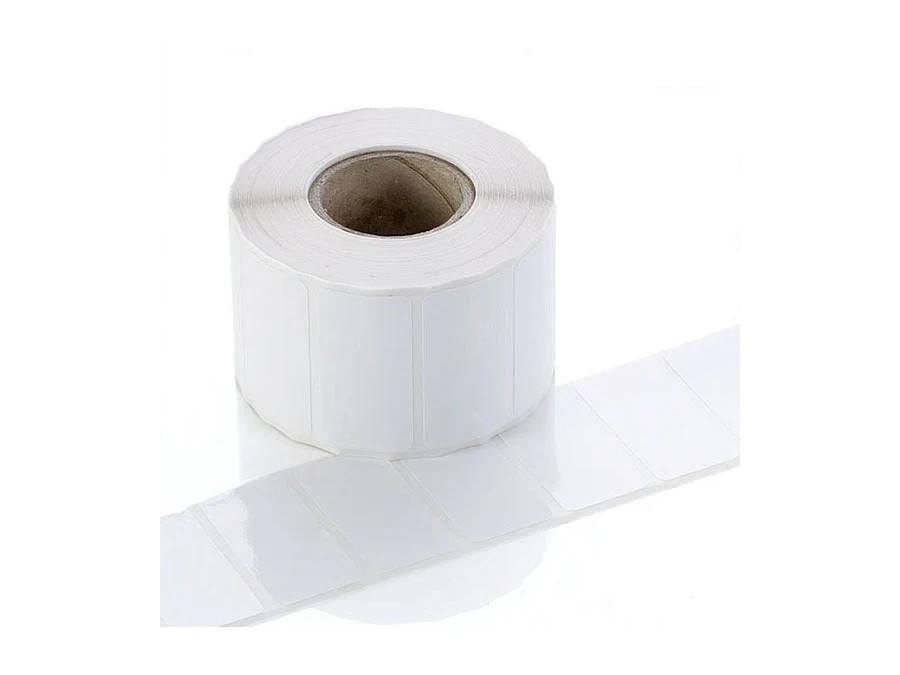
50 x 25mm, polyester roll · Material: Silver polyester
50 x 25mm, permanent adhesive · Material: White direct thermal paper
50 x 50mm, permanent adhesive · Material: White direct thermal paper
100 x 50mm, permanent adhesive · Material: White direct thermal paper
100 x 75mm, permanent adhesive · Material: White direct thermal paper
100 x 150mm, synthetic label · Material: White polypropylene
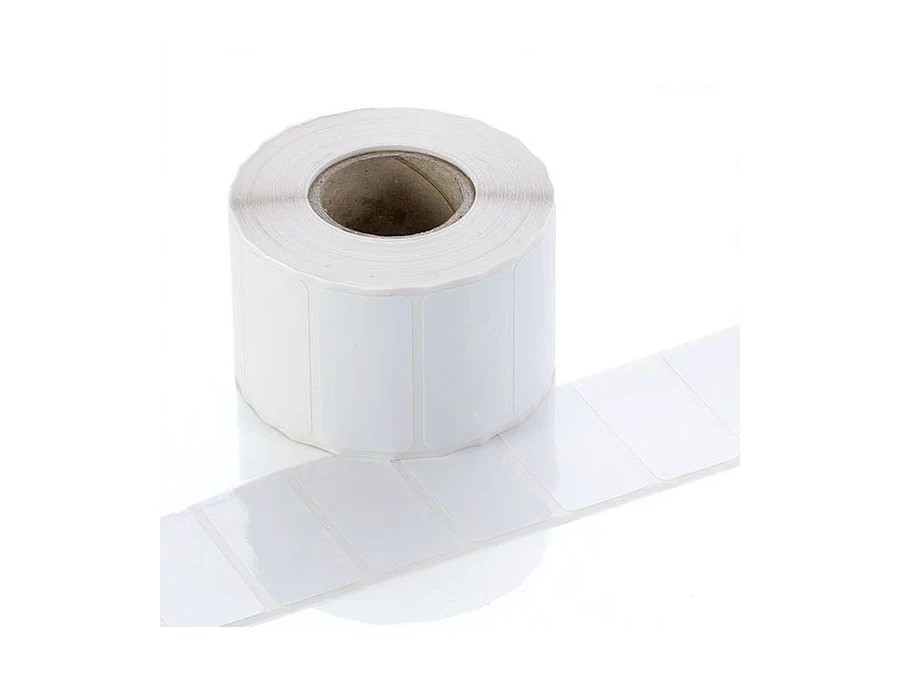
21 labels/sheet equivalent, printable sheets · Material: White paper sheet label
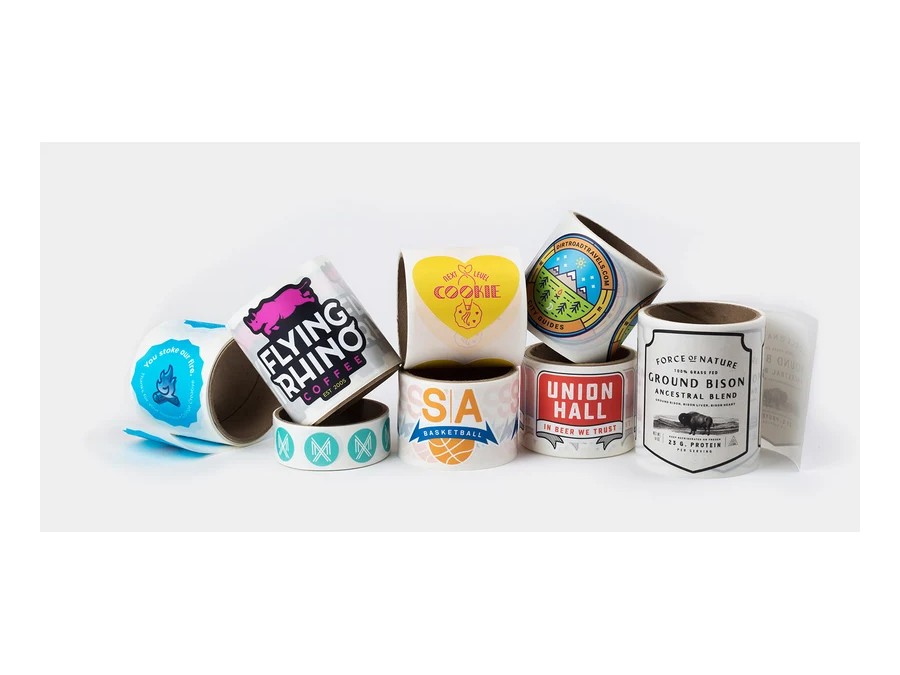
60mm round, printable sheets · Material: White paper/vinyl options
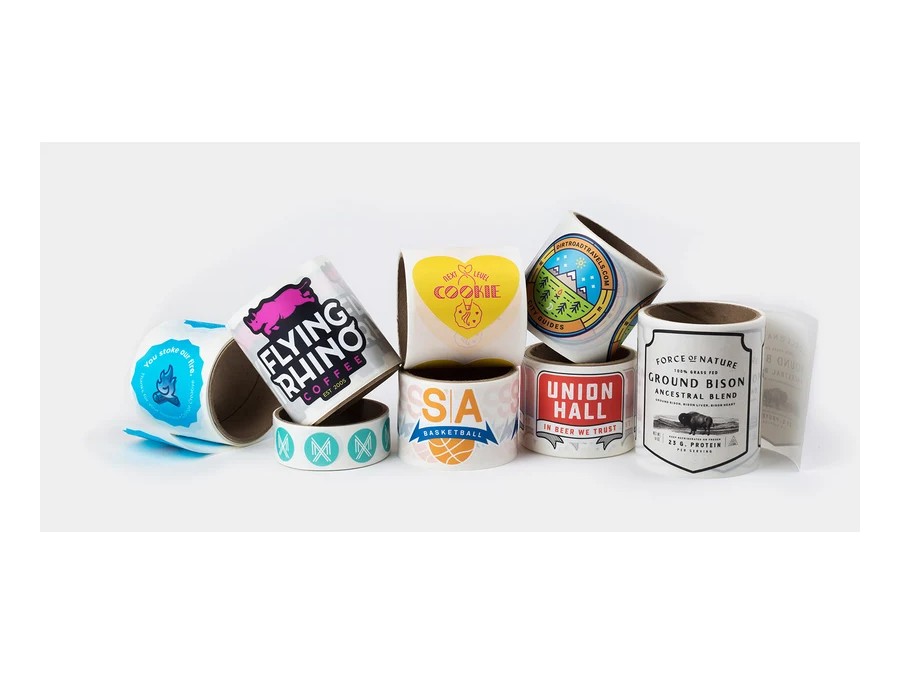
99.1 x 67.7mm, transparent · Material: Clear polyester/film
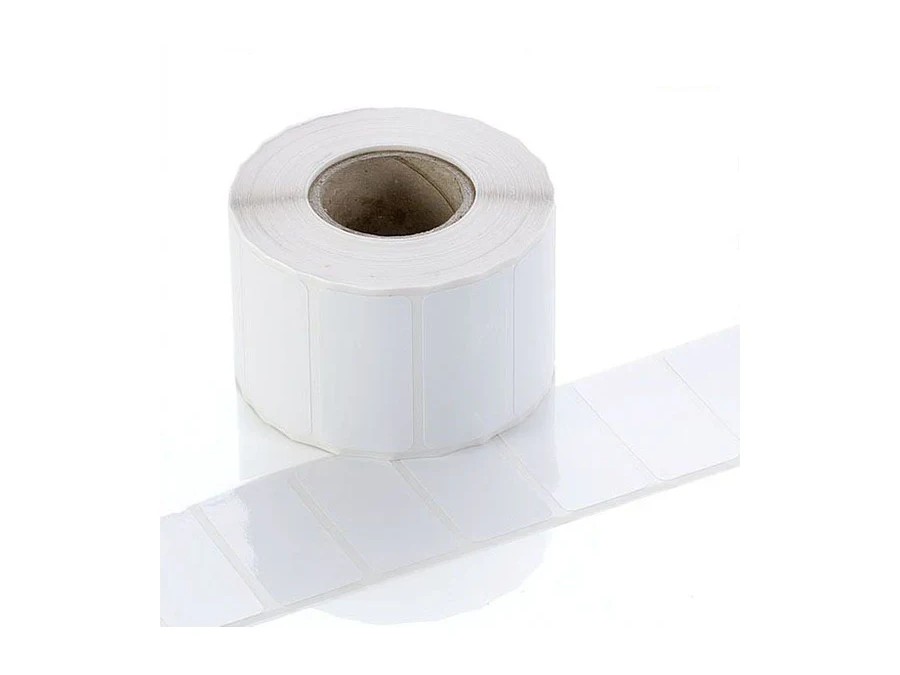
99.1 x 139mm, heavy duty · Material: Waterproof polyester
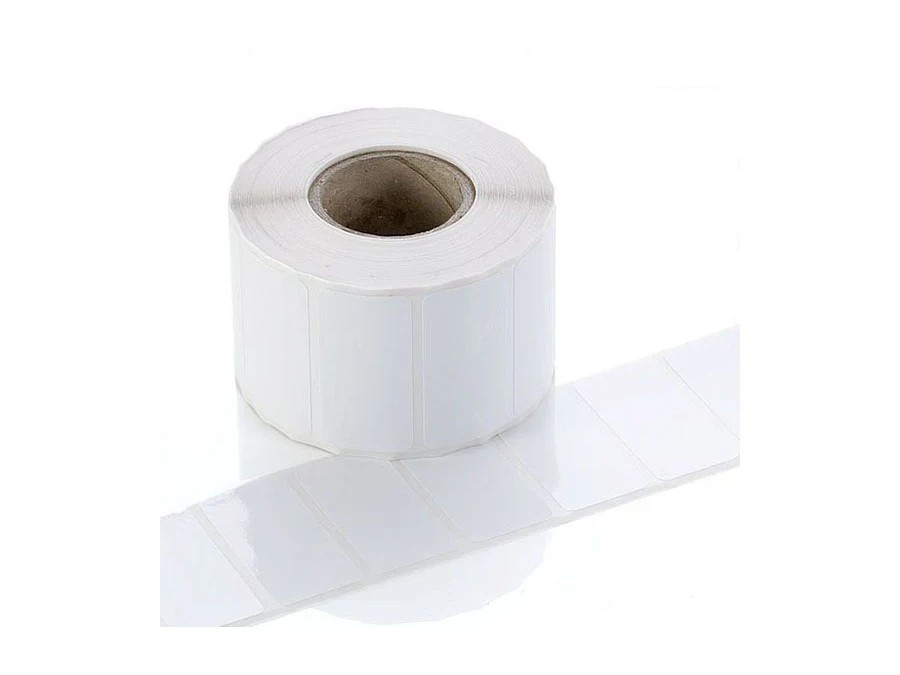
63.5 x 29.6mm, sheet labels · Material: Removable paper label
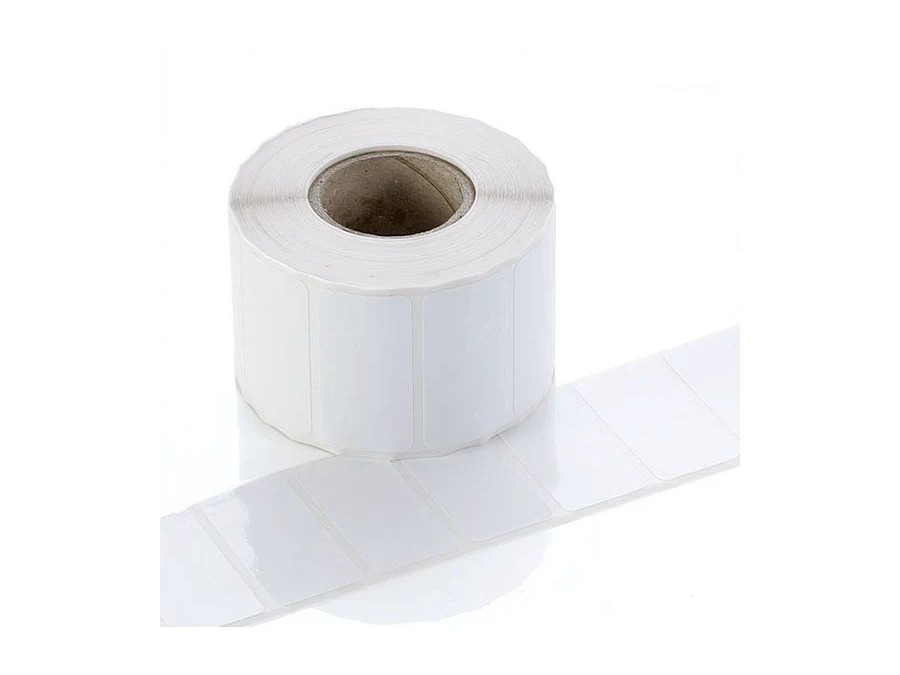
76 x 51mm, roll, permanent adhesive · Material: White paper
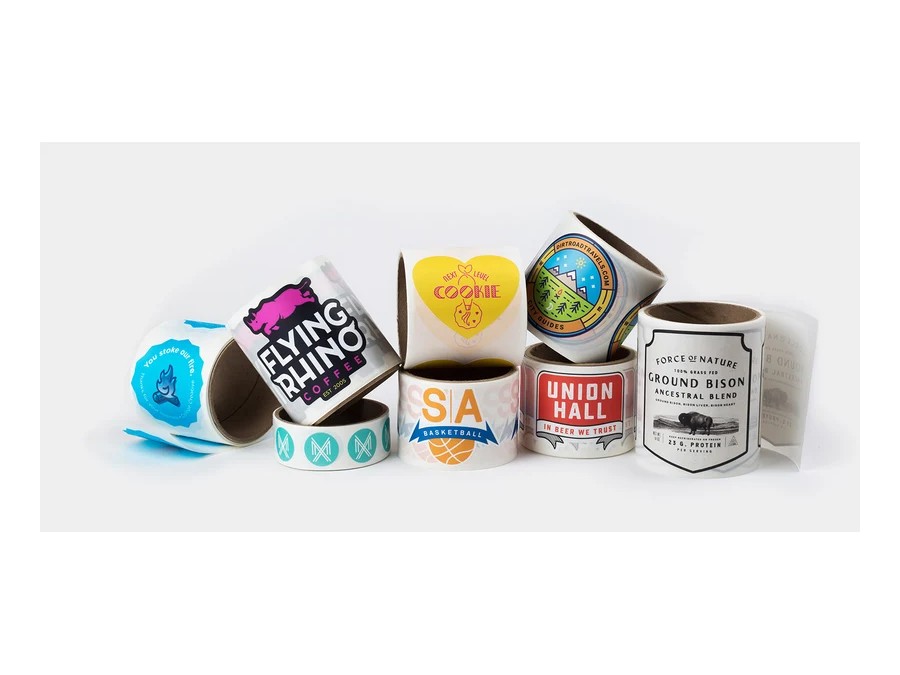
76 x 51mm, roll · Material: Clear polypropylene
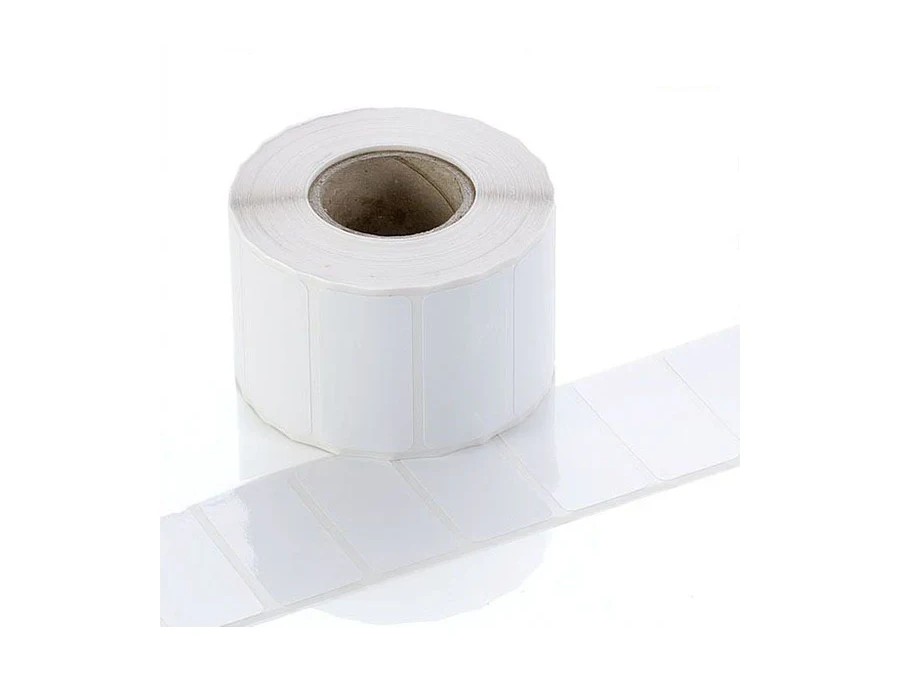
100 x 50mm, matt white · Material: Matt white polypropylene
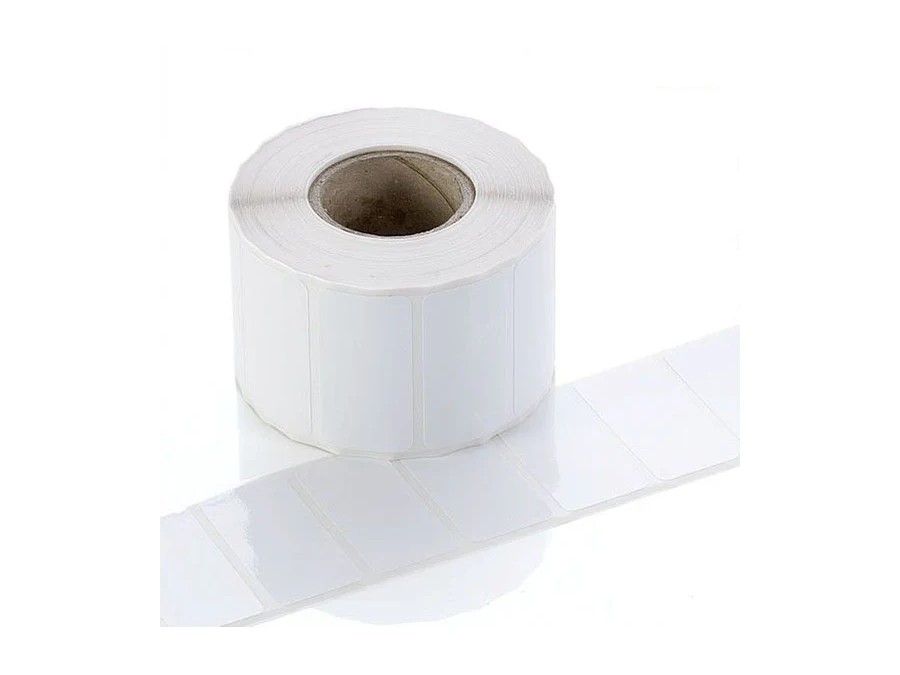
100 x 75mm, gloss white · Material: Gloss white polypropylene
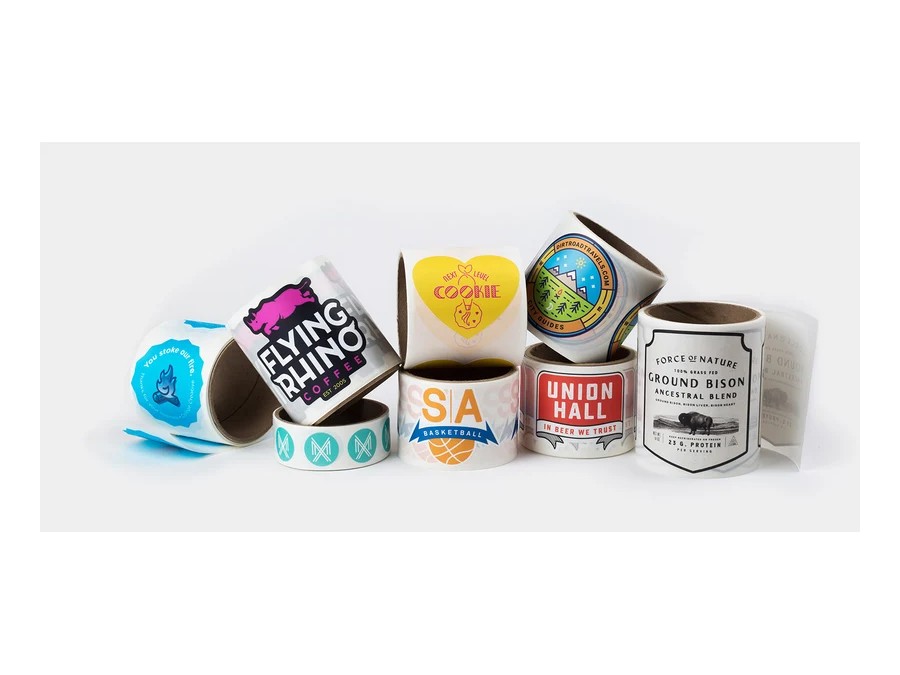
60mm round, brown kraft · Material: Brown kraft paper
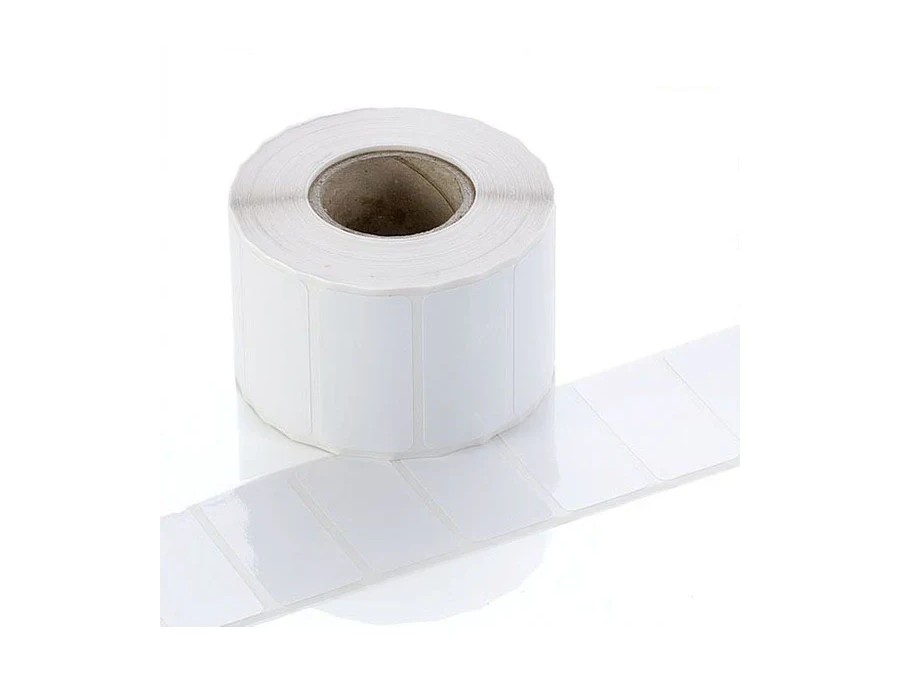
50 x 25mm, bright yellow · Material: Fluorescent paper
50 x 25mm, ribbon required · Material: Thermal transfer paper
76 x 51mm, ribbon required · Material: Thermal transfer paper
102 x 76mm, ribbon required · Material: Thermal transfer paper
76 x 51mm, permanent · Material: Direct thermal paper
102 x 152mm, permanent · Material: Thermal transfer paper
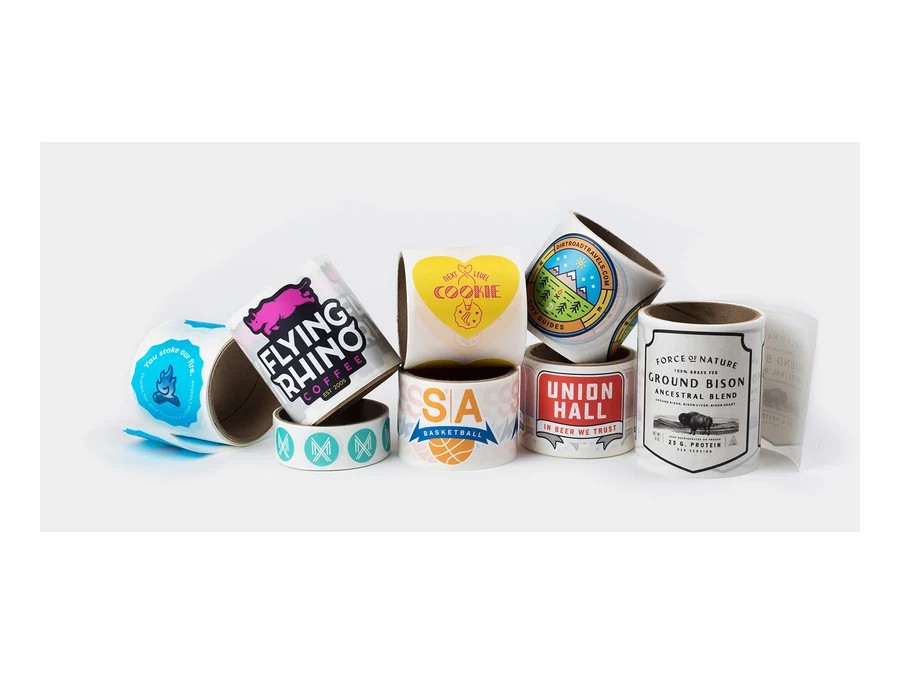
100 x 50mm, roll format · Material: Laminated waterproof label
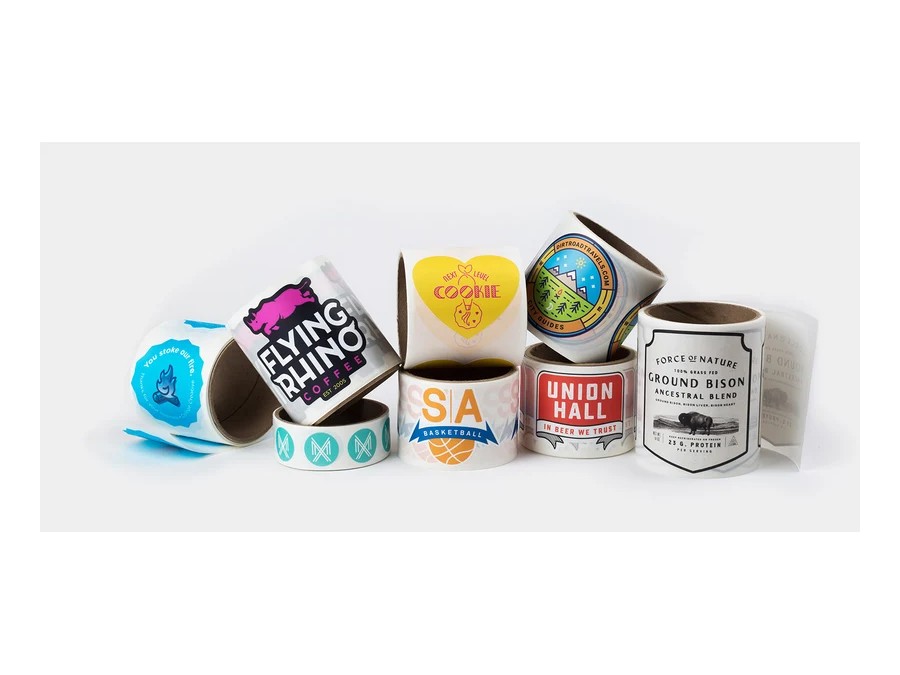
60mm round, roll format · Material: Laminated waterproof label
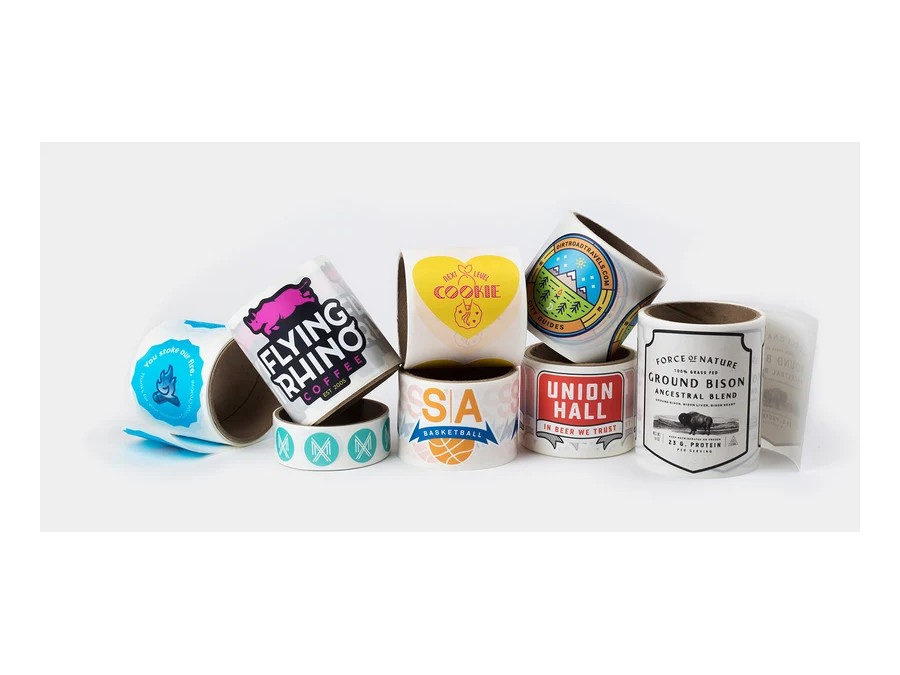
100 x 75mm, rectangle roll label · Material: Laminated waterproof label
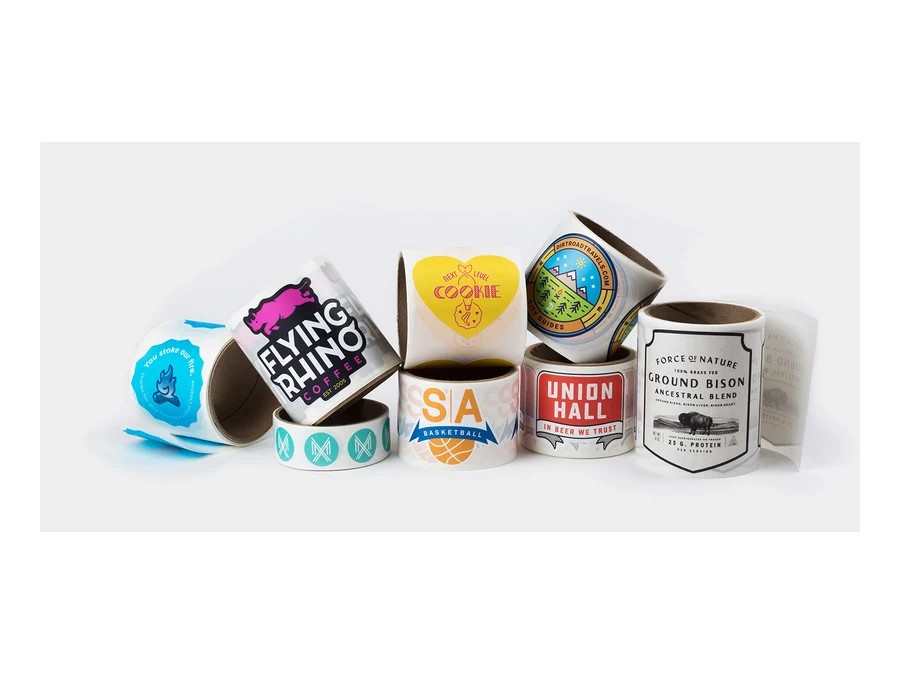
75 x 75mm, square/round options · Material: Laminated waterproof label
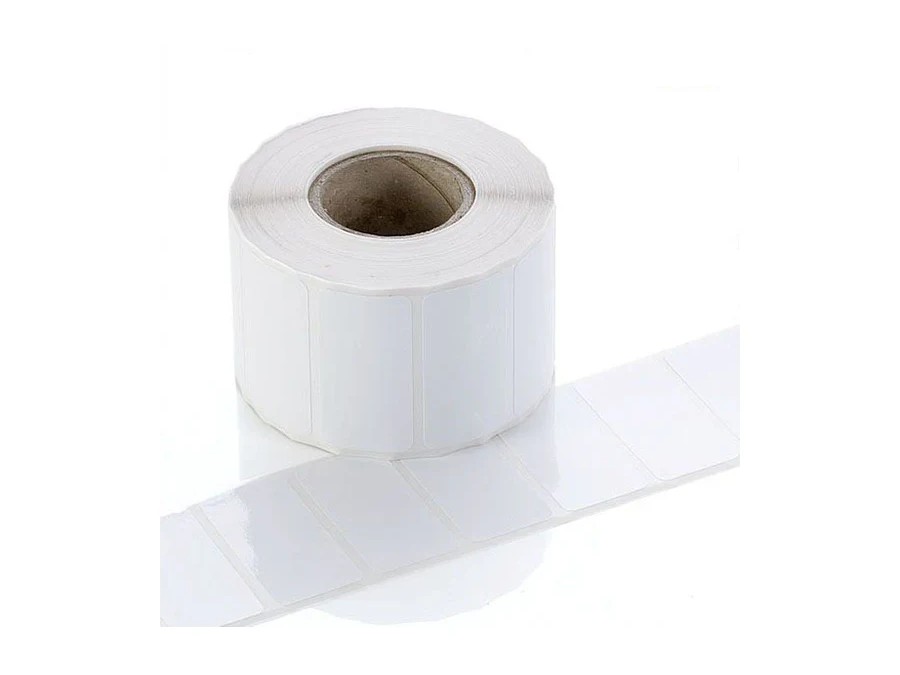
76 x 51mm, freezer adhesive · Material: White paper/synthetic freezer label
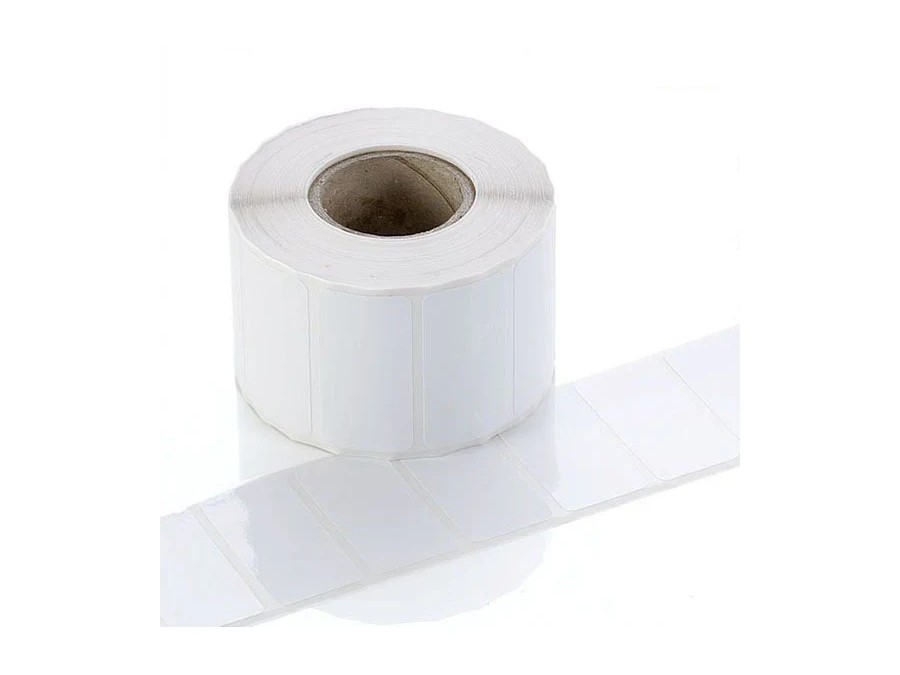
100 x 50mm, permanent high-tack · Material: White paper/polypropylene
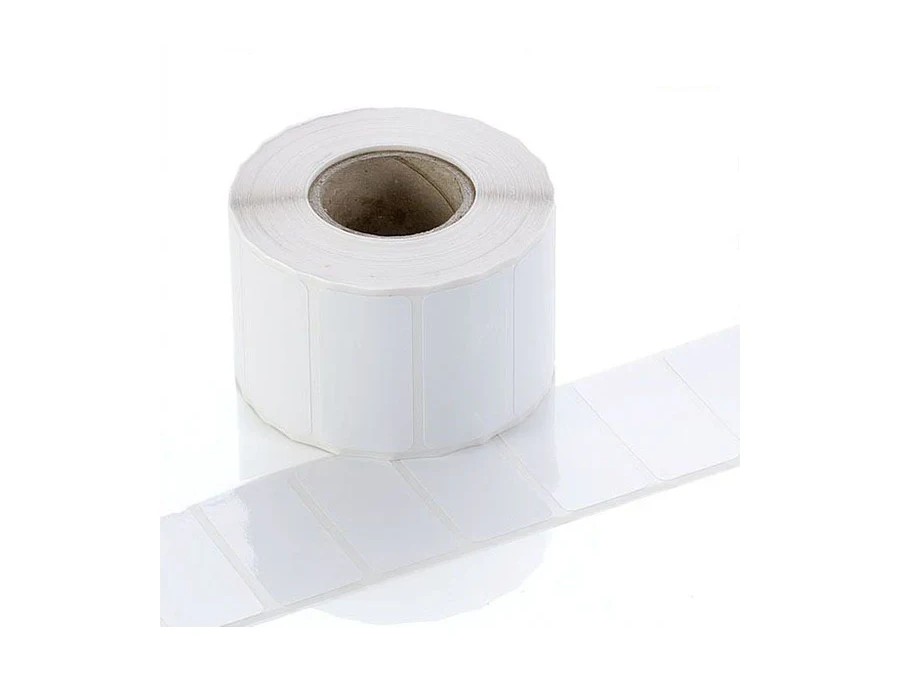
76 x 51mm, removable adhesive · Material: White paper
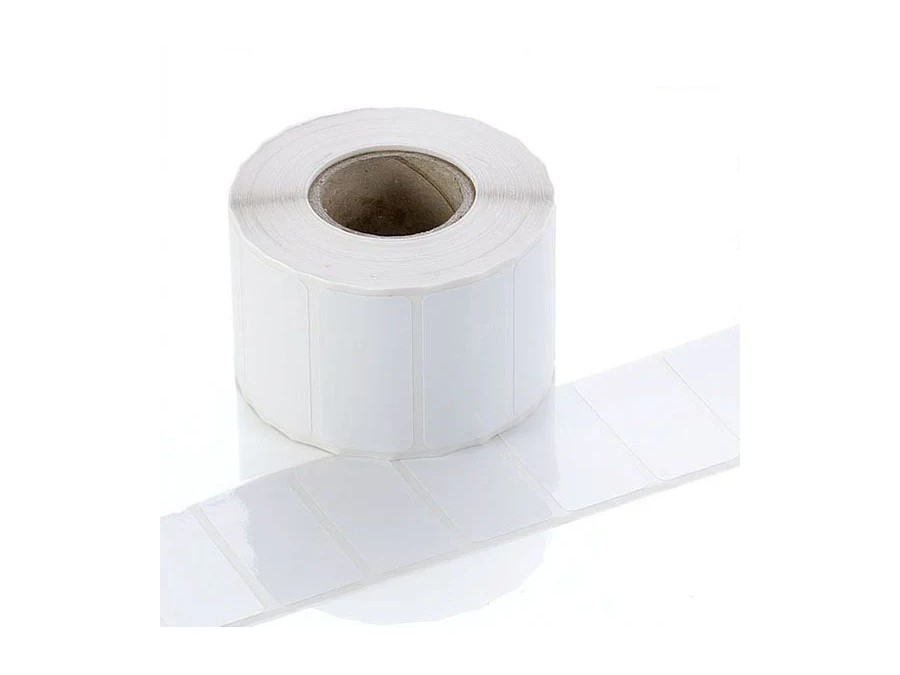
100 x 50mm, gloss vinyl · Material: Gloss white vinyl
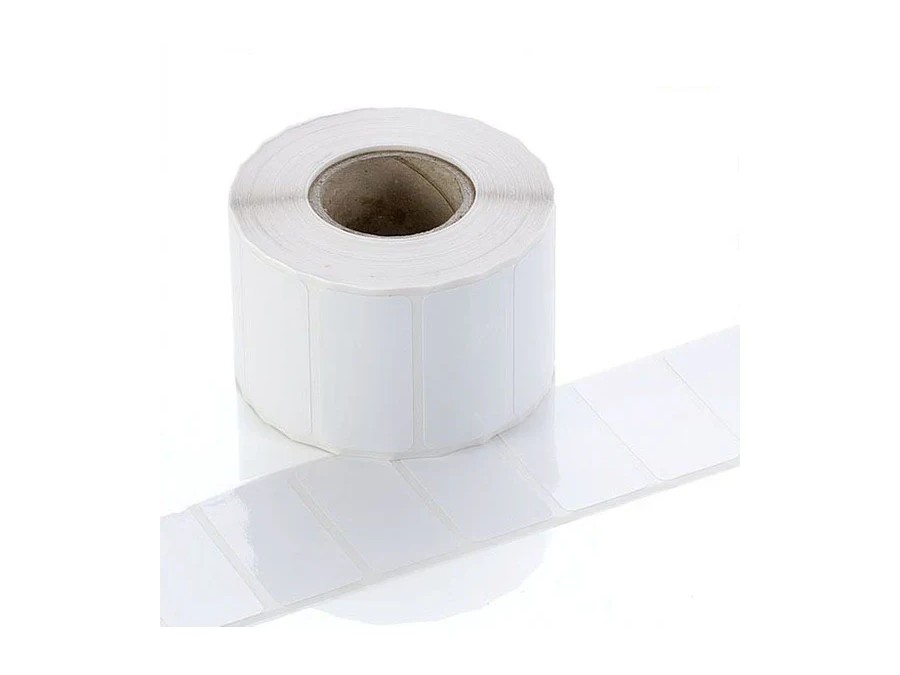
100 x 75mm, gloss vinyl · Material: Gloss white vinyl
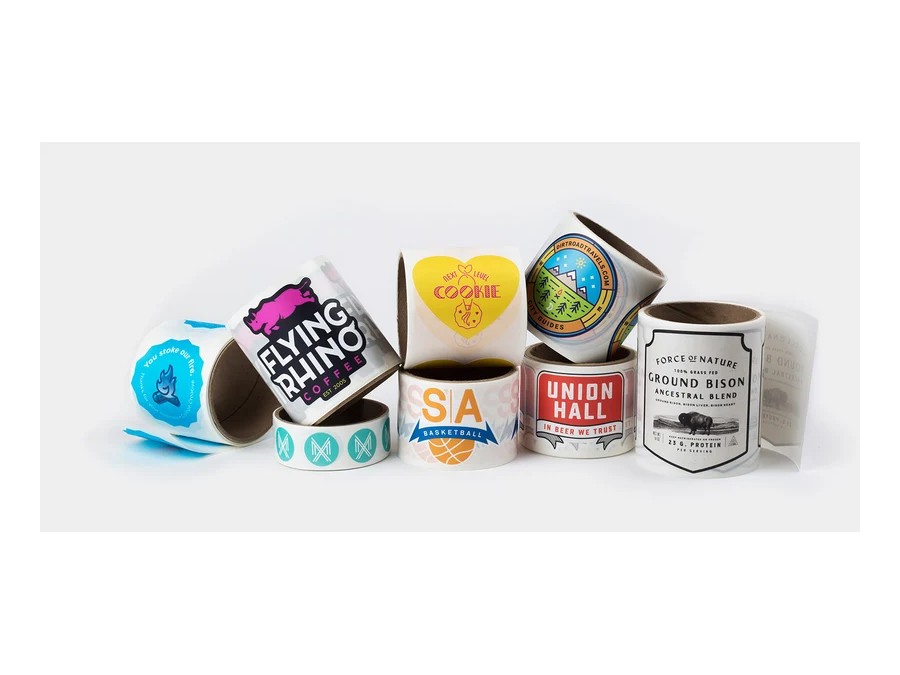
60 x 40mm, printable sheets · Material: White paper/vinyl options
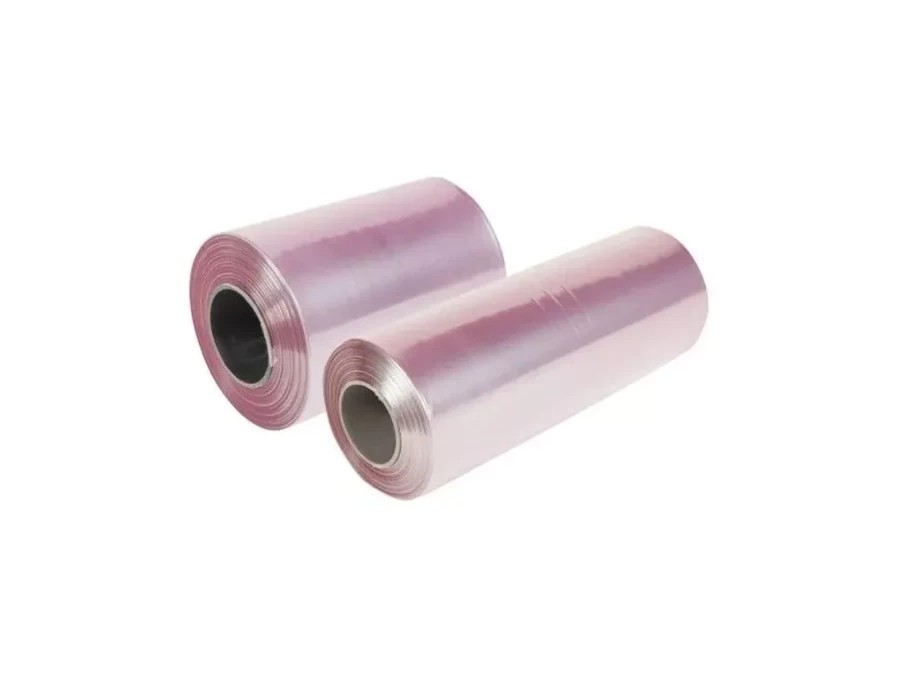
300mm width / 600mm open width; 600m; 19mu · Material: High clarity PVC
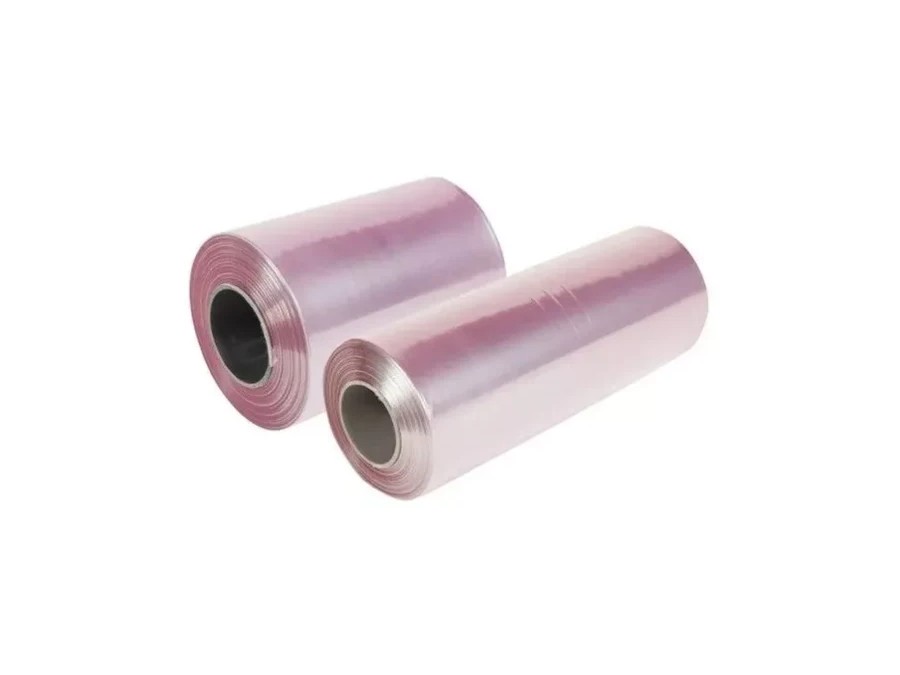
350mm width / 700mm open width; 600m; 19mu · Material: High clarity PVC
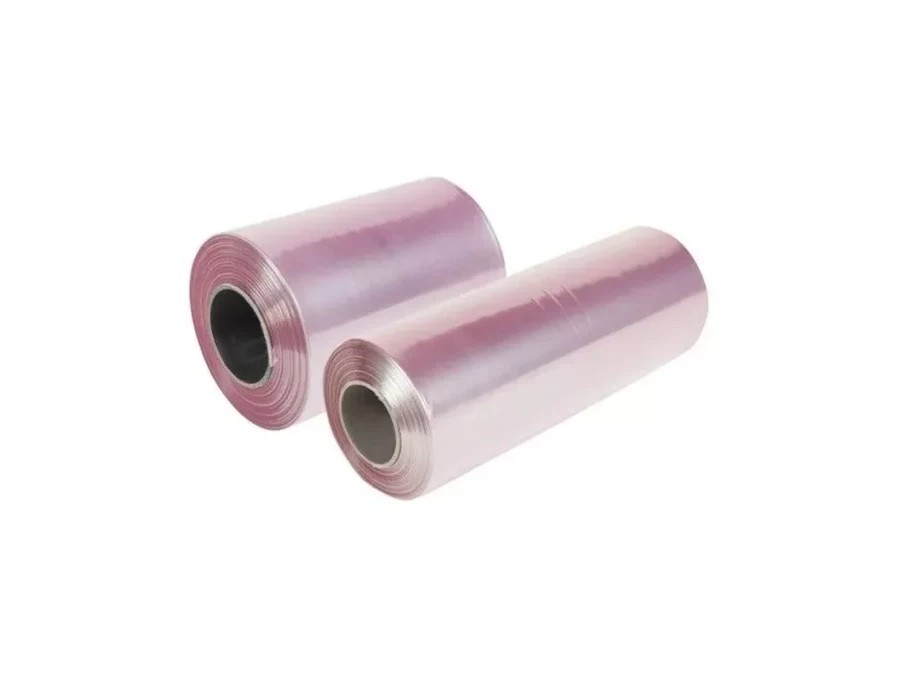
400mm width / 800mm open width; 600m; 19mu · Material: High clarity PVC
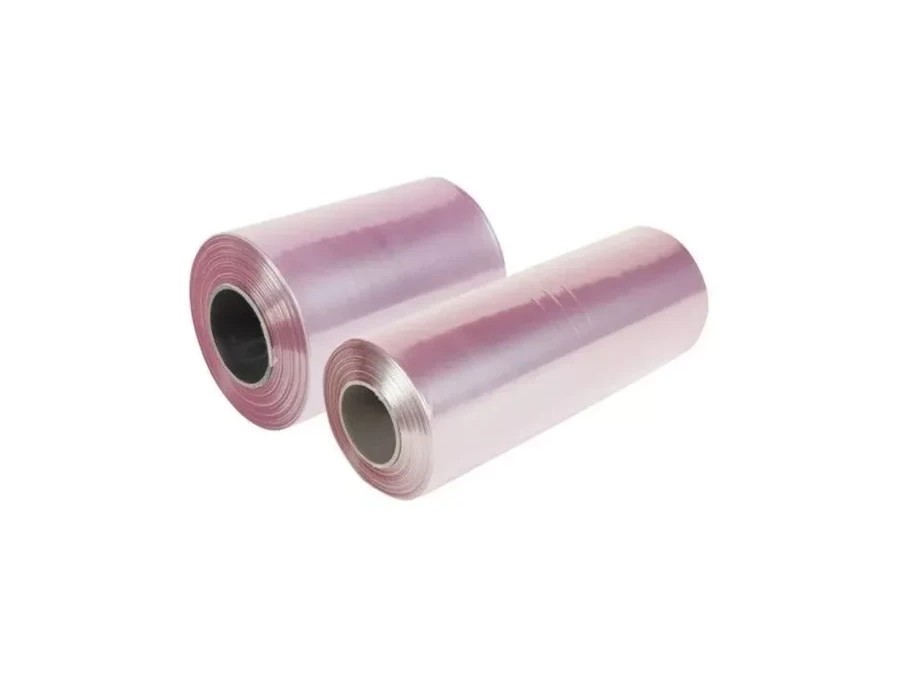
450mm width / 900mm open width; 600m; 19mu · Material: High clarity PVC
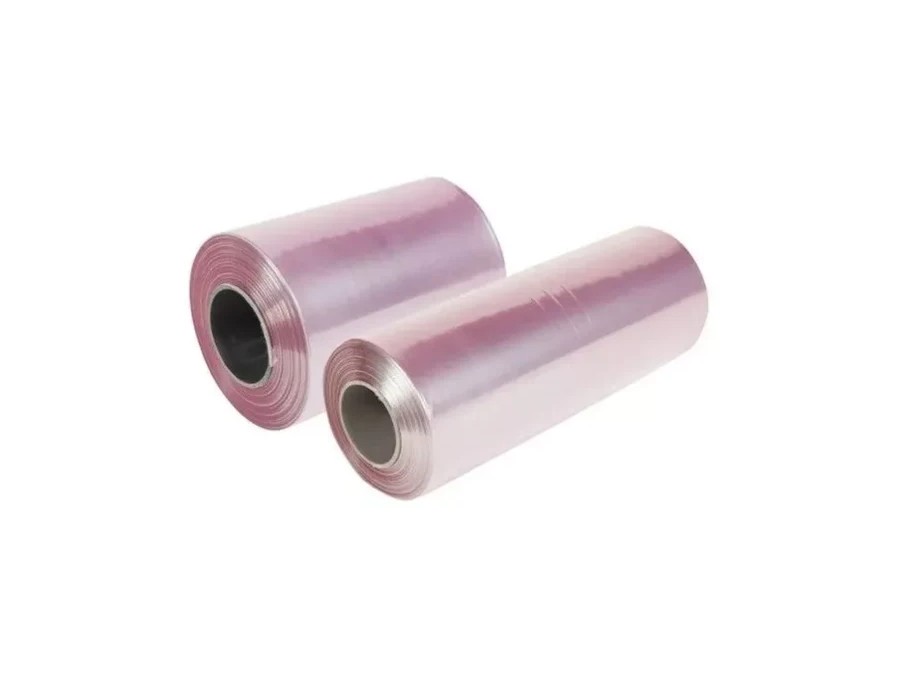
500mm width / 1000mm open width; 600m; 19mu · Material: High clarity PVC
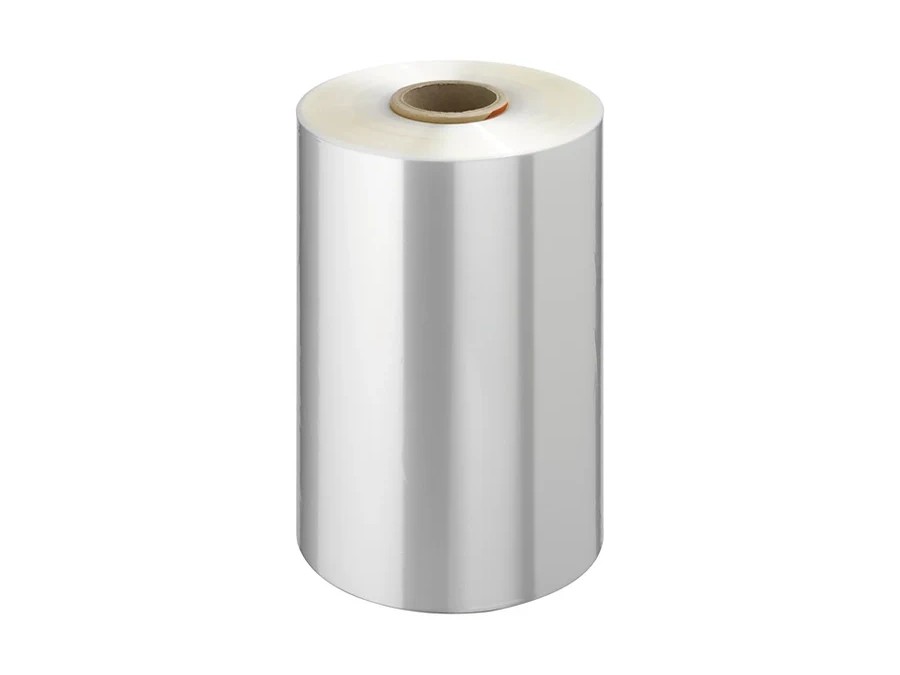
1.5m/3m width; 150 micron; approx 59m/roll; 25kg roll · Material: LDPE/polythene shrink film
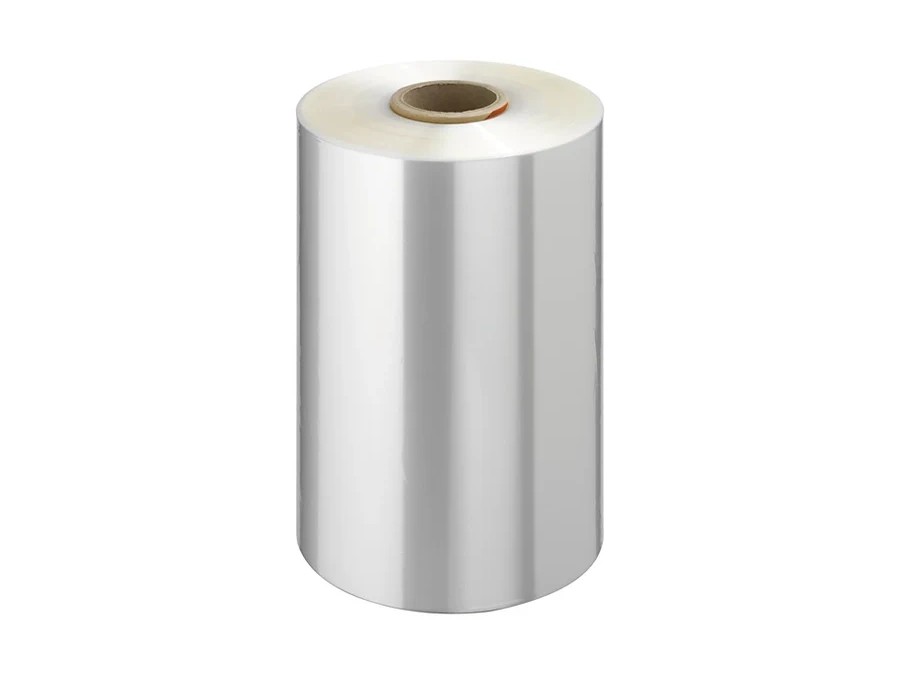
250mm x 1335m; 15mu; centrefolded · Material: Polyolefin
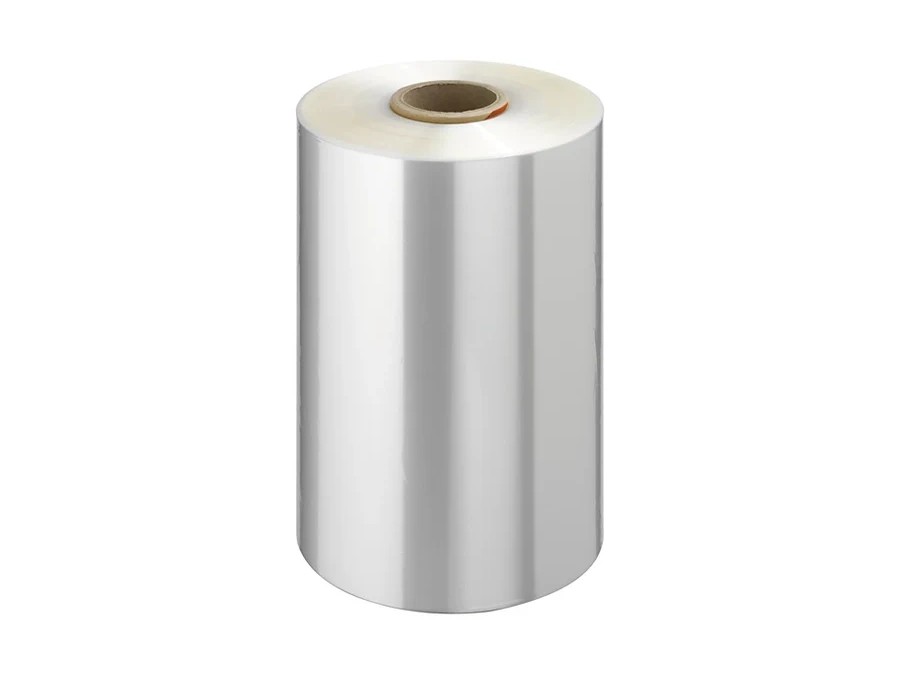
300mm x 1335m; 15mu; centrefolded · Material: Polyolefin
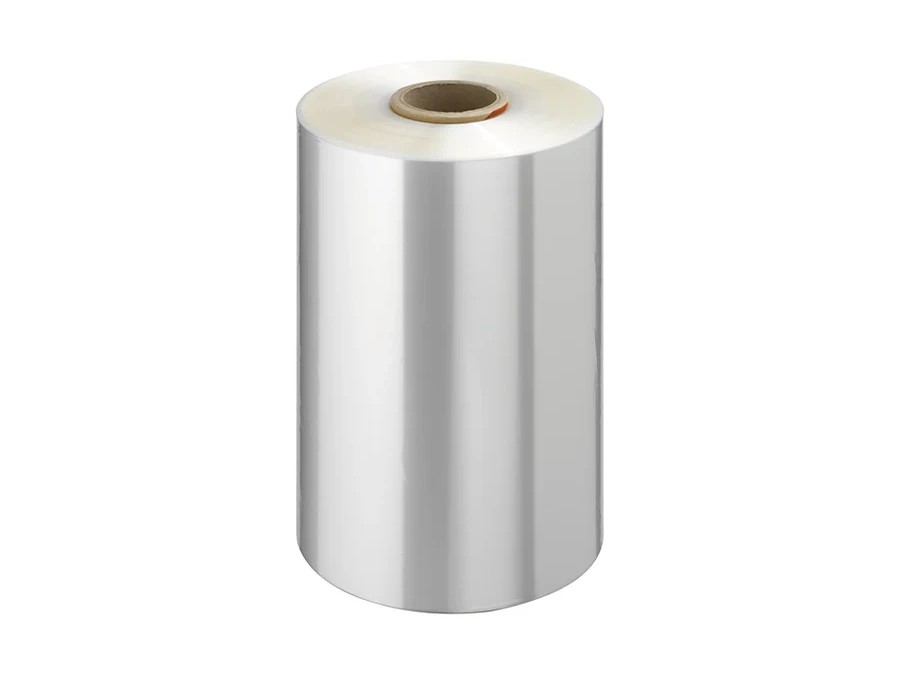
300mm x 1070m; 19mu; centrefolded · Material: Polyolefin
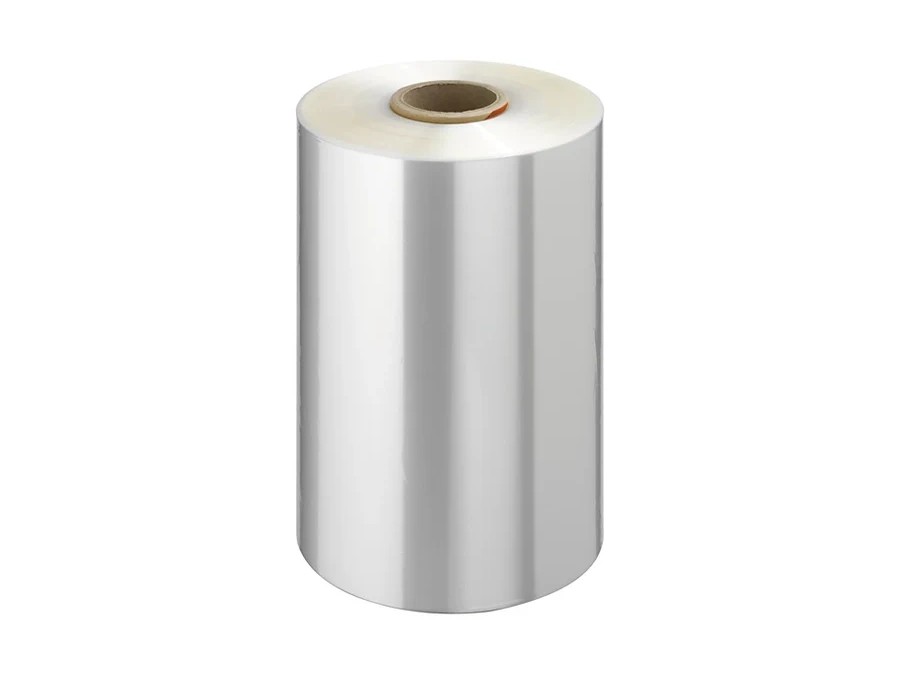
350mm x 1335m; 15mu; centrefolded · Material: Polyolefin
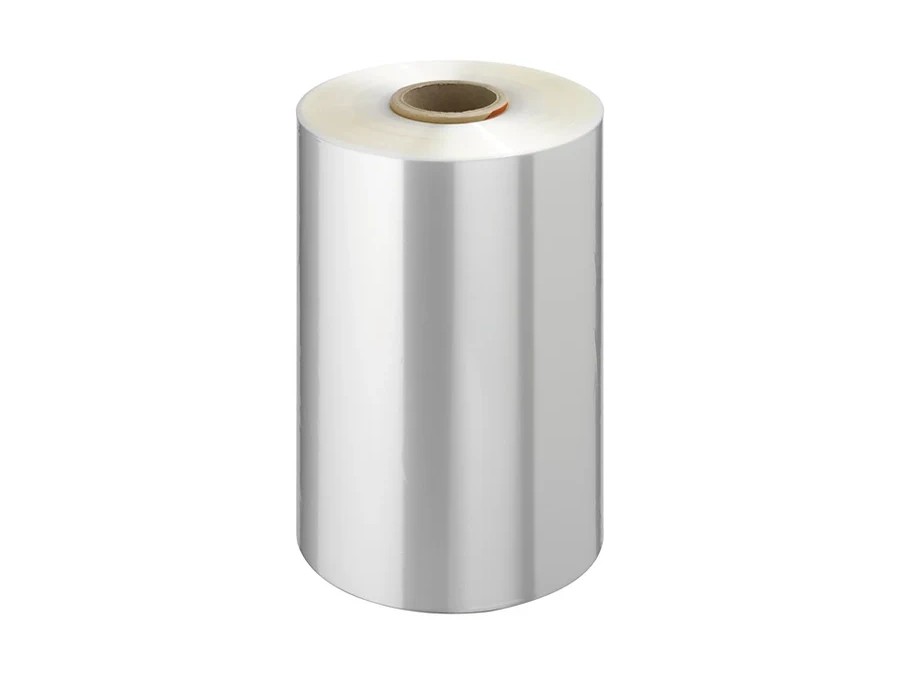
200mm x approx 1335m; 15mu · Material: Polyolefin
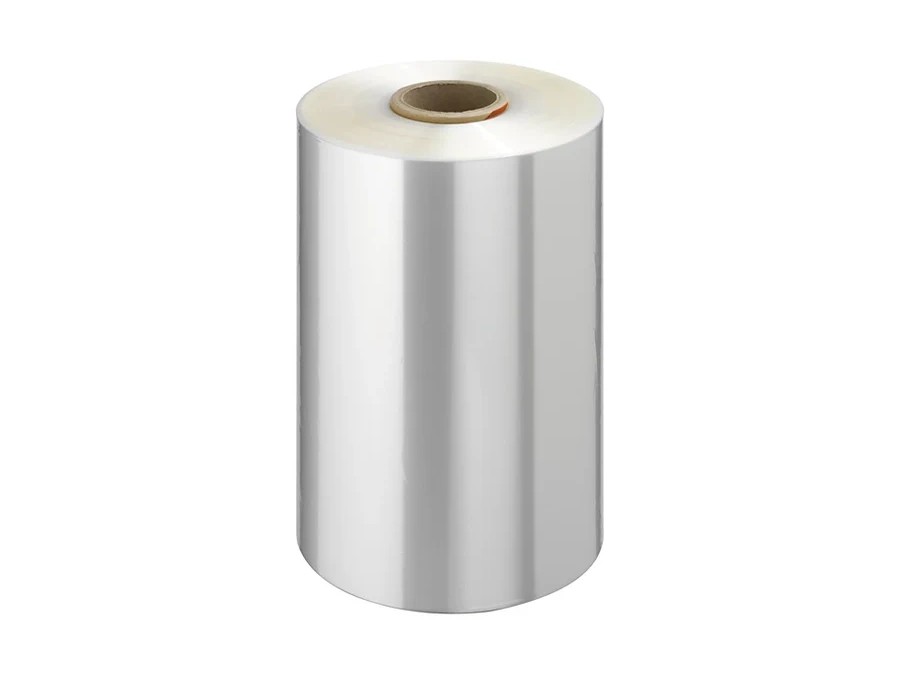
250mm x approx 1070m; 19mu · Material: Polyolefin
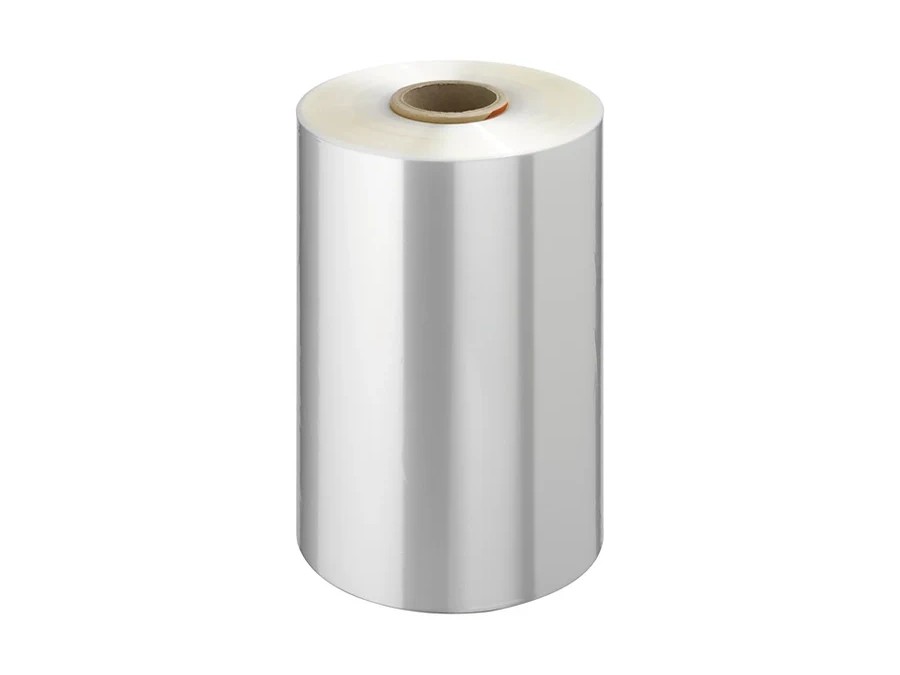
350mm x approx 1070m; 19mu · Material: Polyolefin
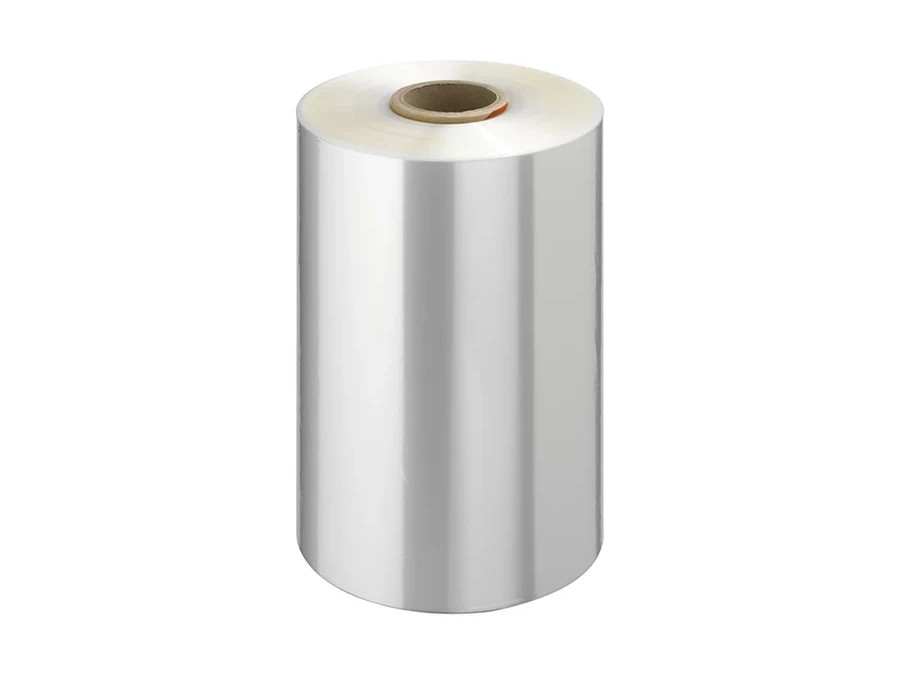
400mm x approx 1335m; 15mu · Material: Polyolefin
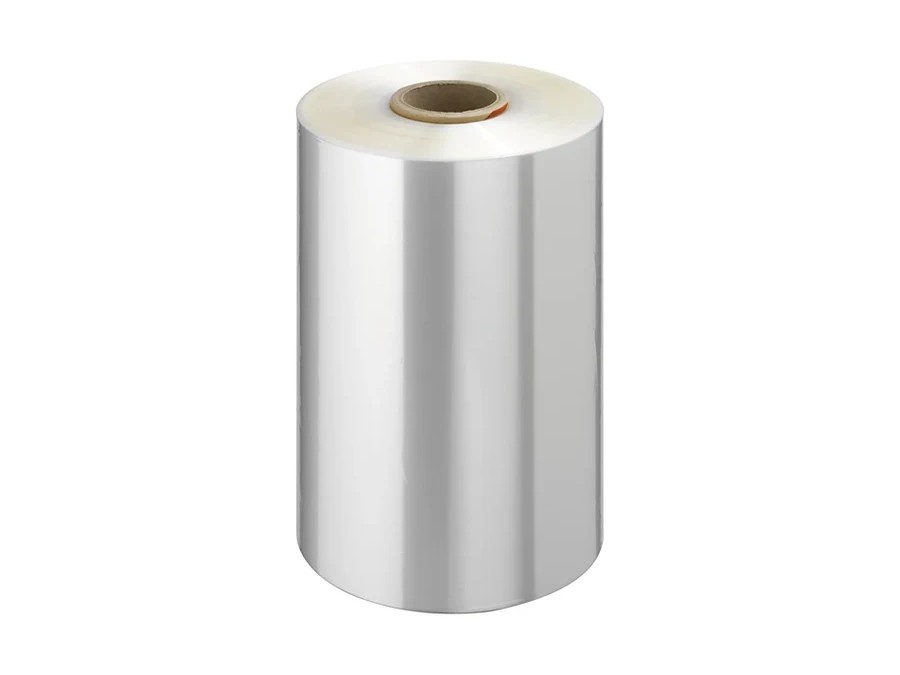
450mm x approx 1335m; 15mu · Material: Polyolefin
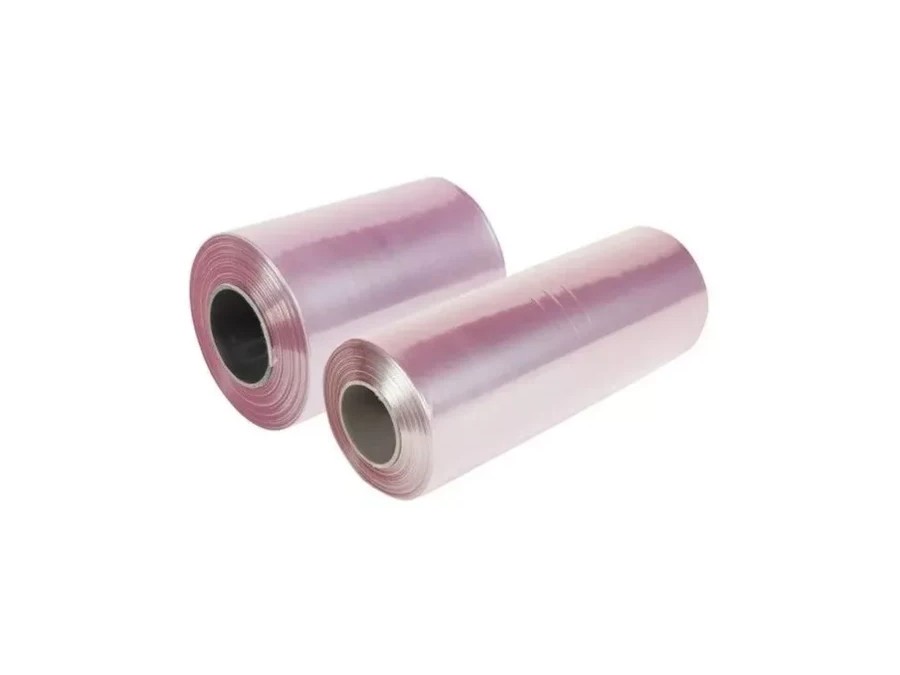
250mm width / 500mm open width; 600m; 19mu · Material: High clarity PVC
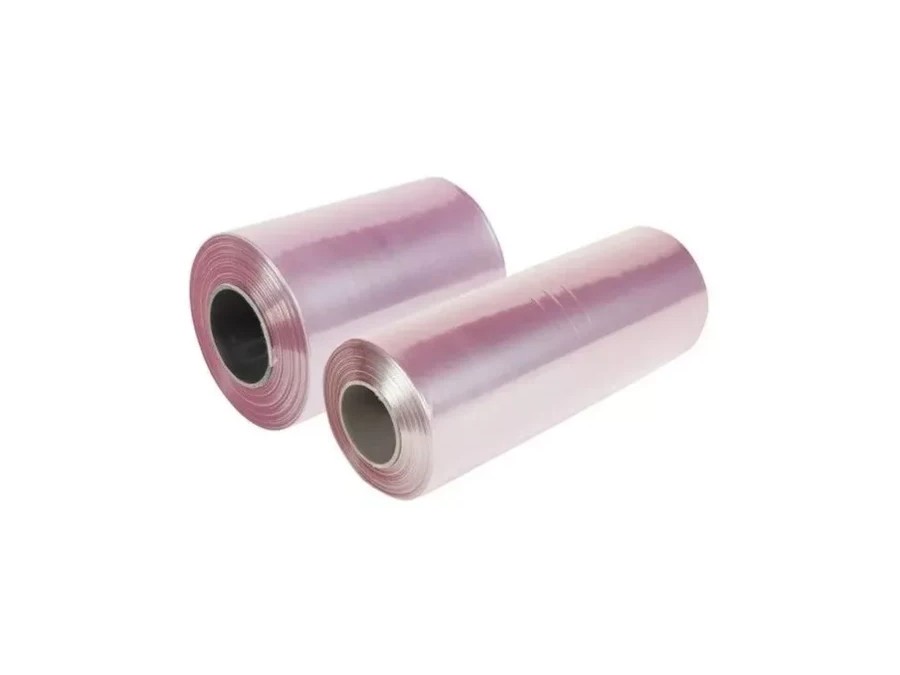
550mm width / 1100mm open width; 600m; 19mu · Material: High clarity PVC
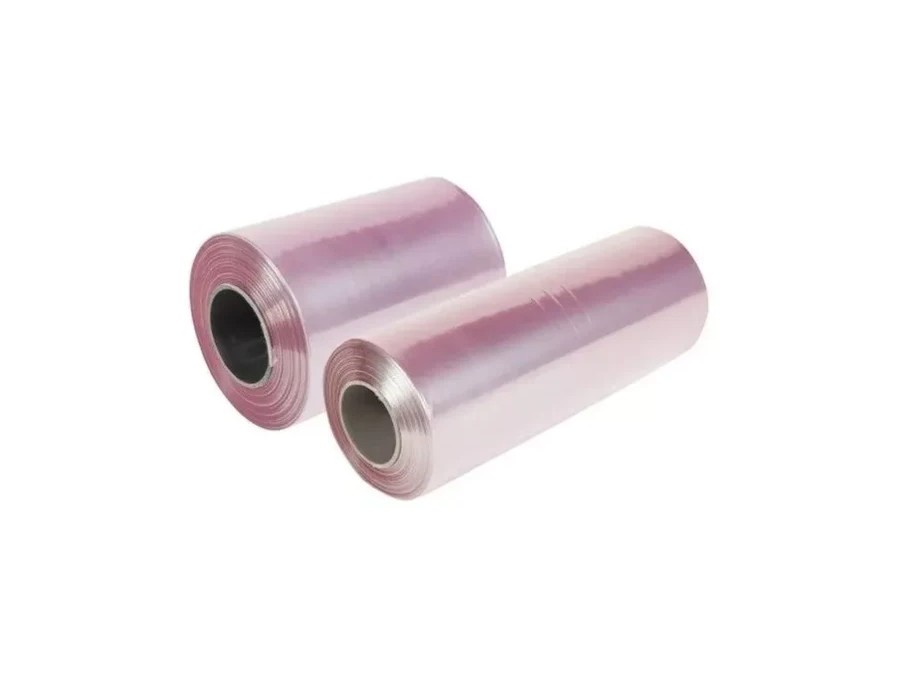
600mm width / 1200mm open width; 600m; 19mu · Material: High clarity PVC
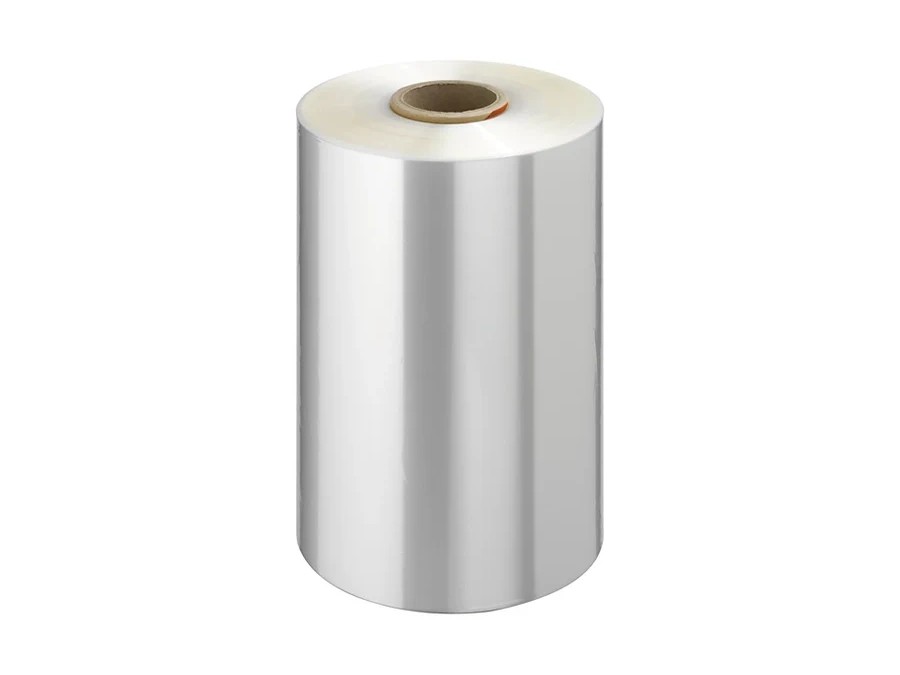
200mm centrefold, retail pack roll · Material: Polyolefin
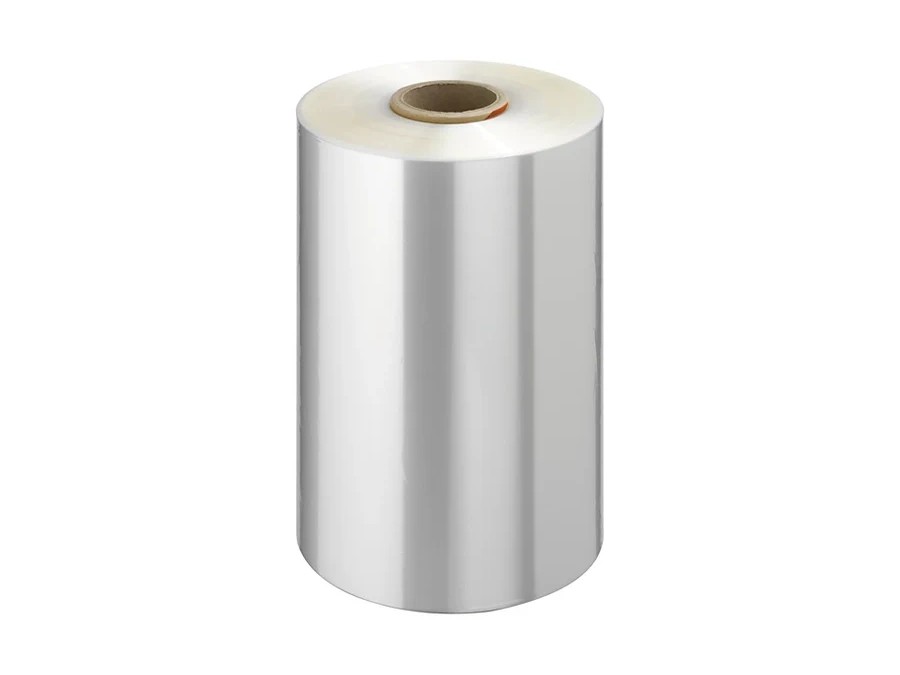
250mm centrefold, retail pack roll · Material: Polyolefin
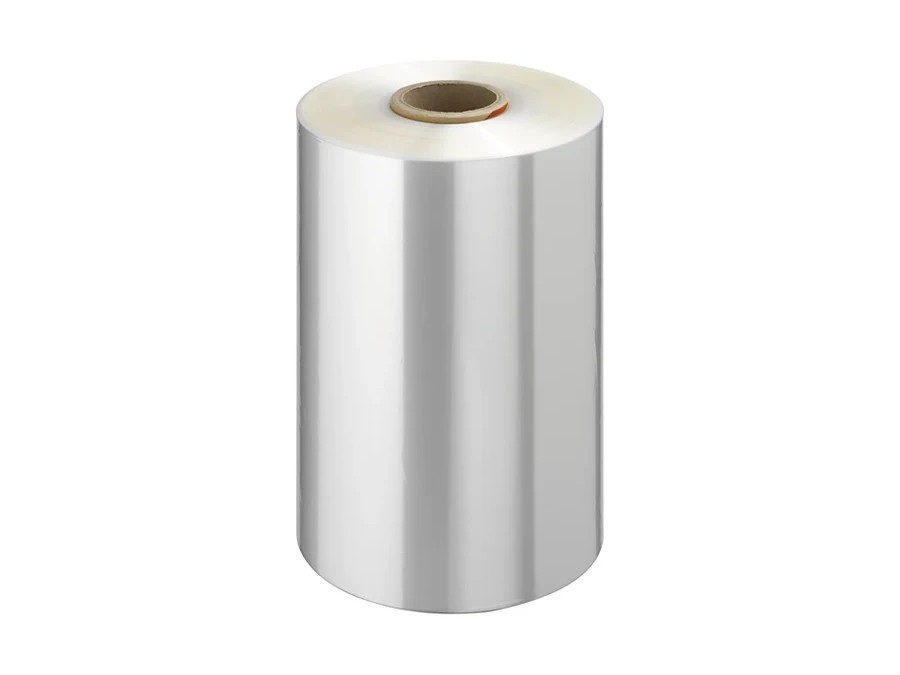
300mm centrefold, retail pack roll · Material: Polyolefin
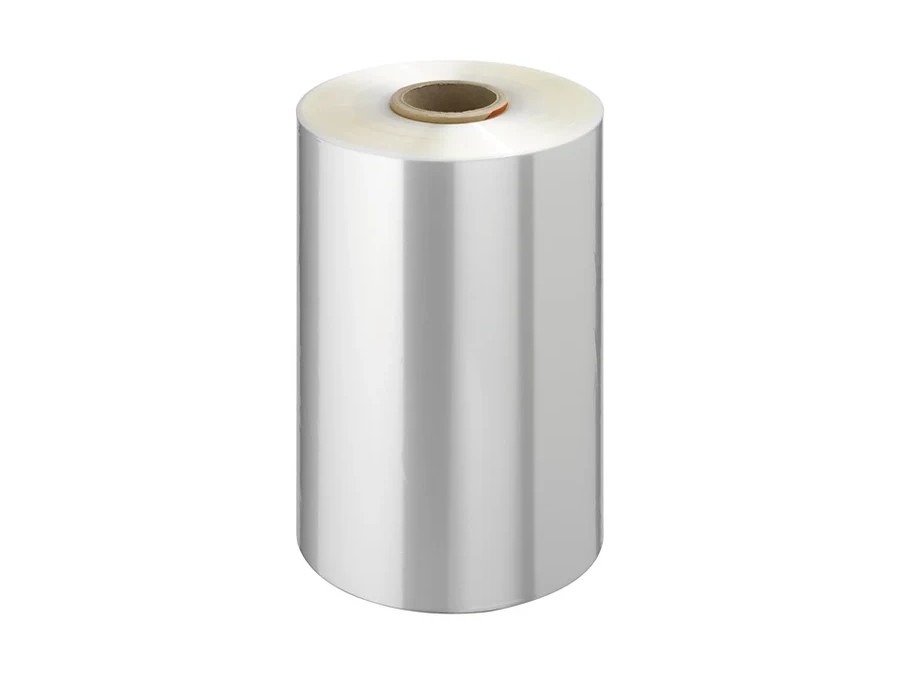
350mm centrefold, retail pack roll · Material: Polyolefin
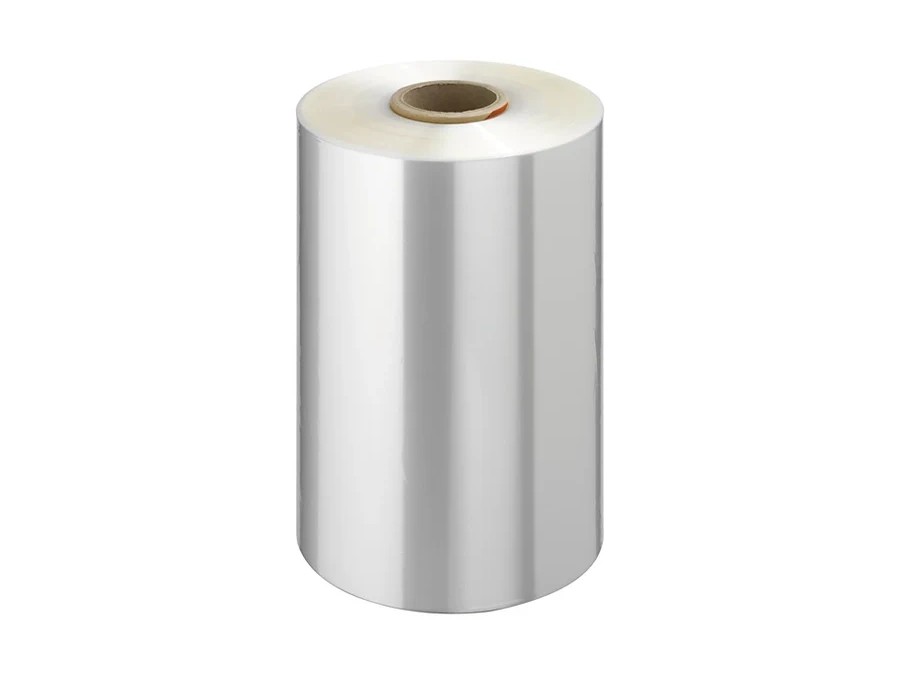
400mm centrefold, retail pack roll · Material: Polyolefin
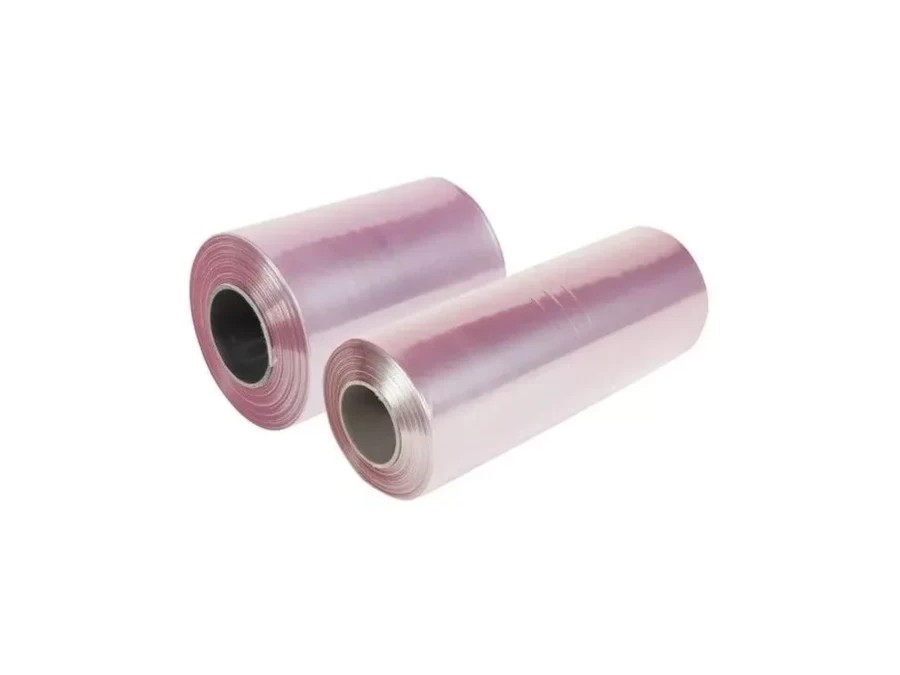
300mm centrefold, clear · Material: PVC
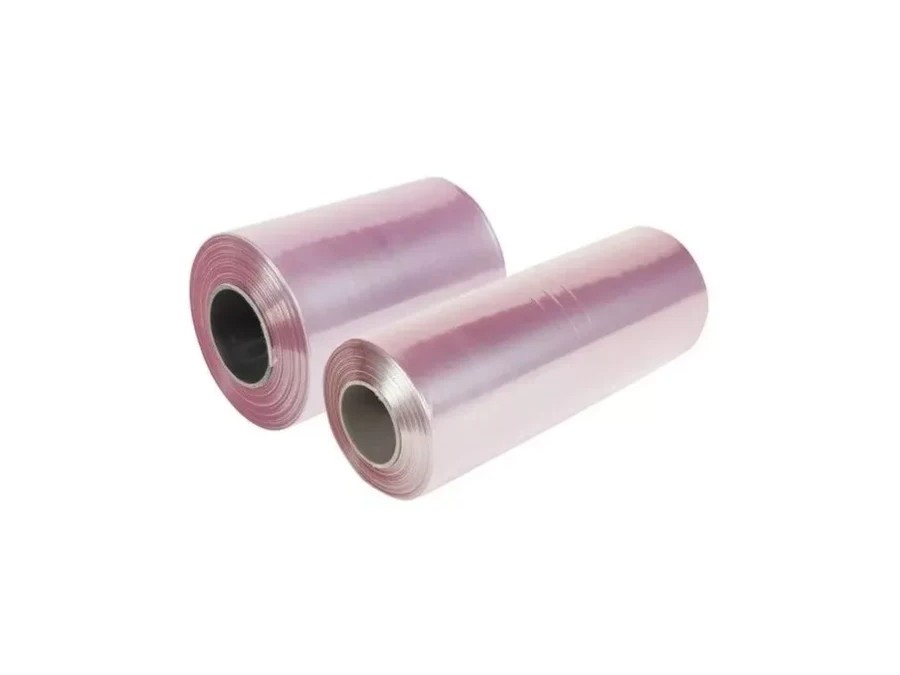
450mm centrefold, clear · Material: PVC
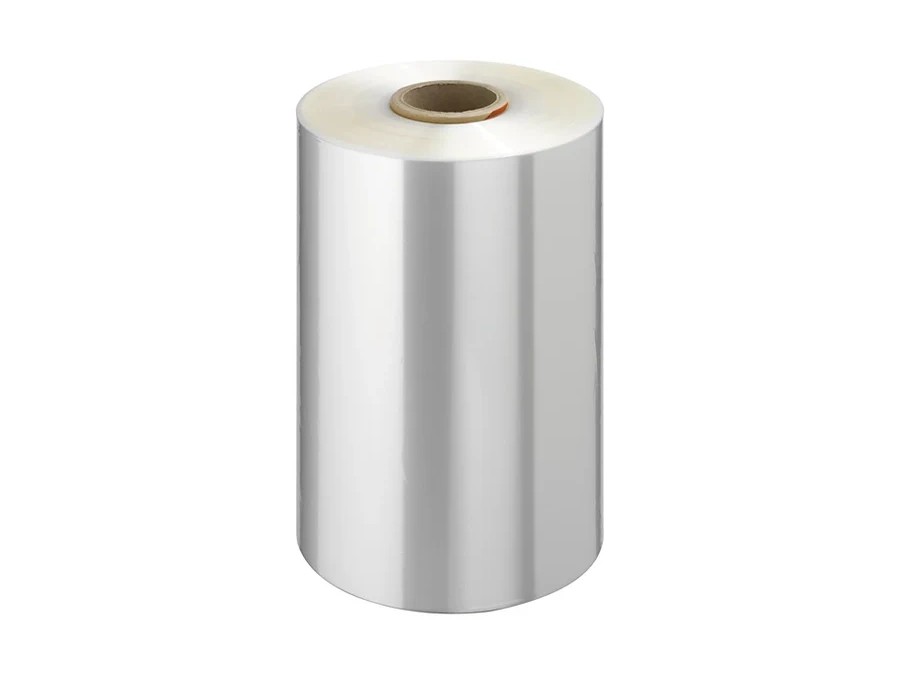
250mm, 15mu, centrefold · Material: Polyolefin
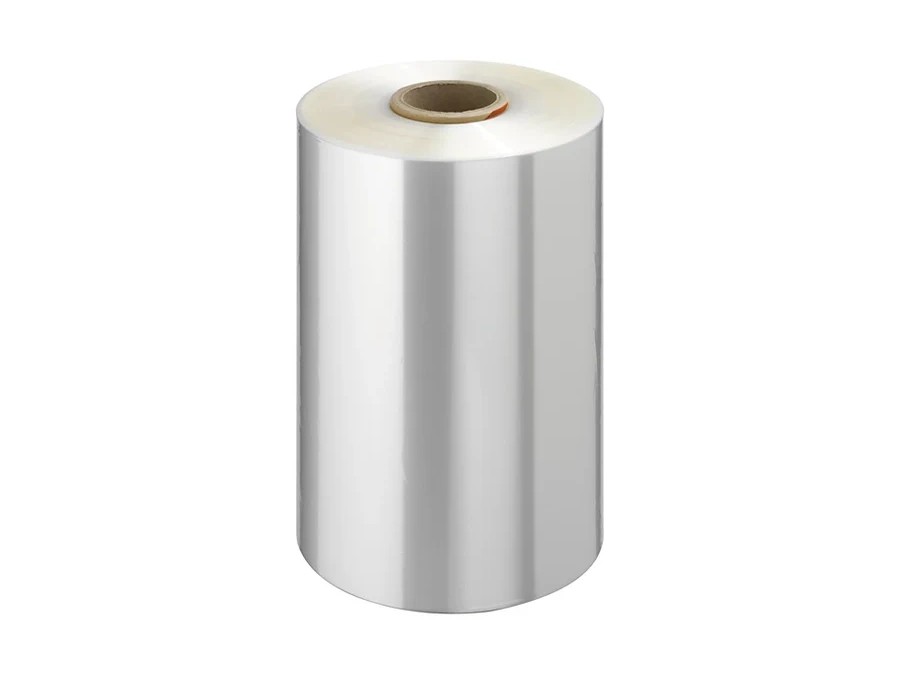
300mm, 15mu, centrefold · Material: Polyolefin
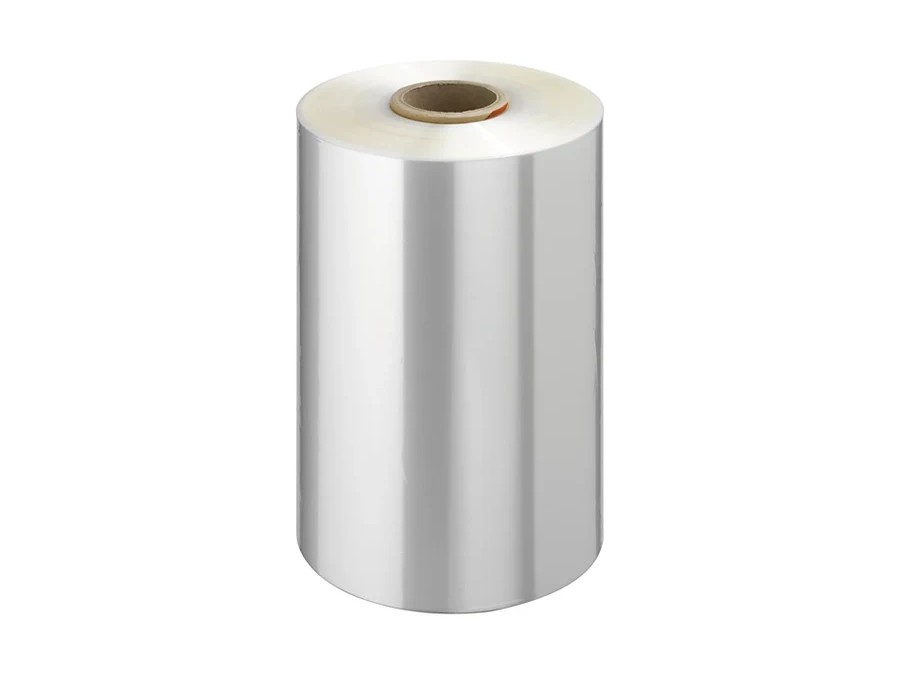
350mm, 15mu, centrefold · Material: Polyolefin
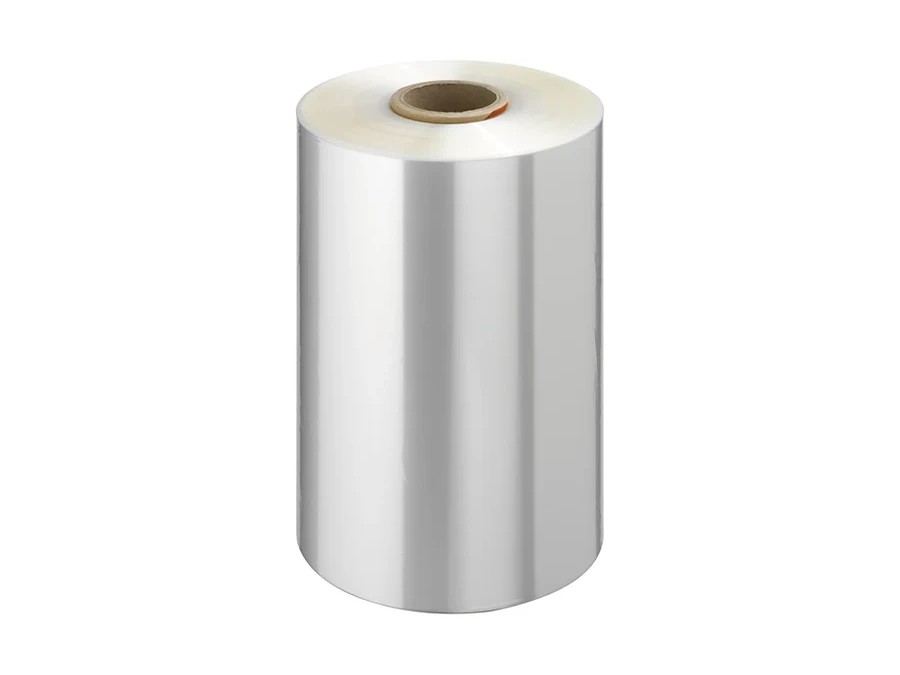
400mm, 19mu, centrefold · Material: Polyolefin
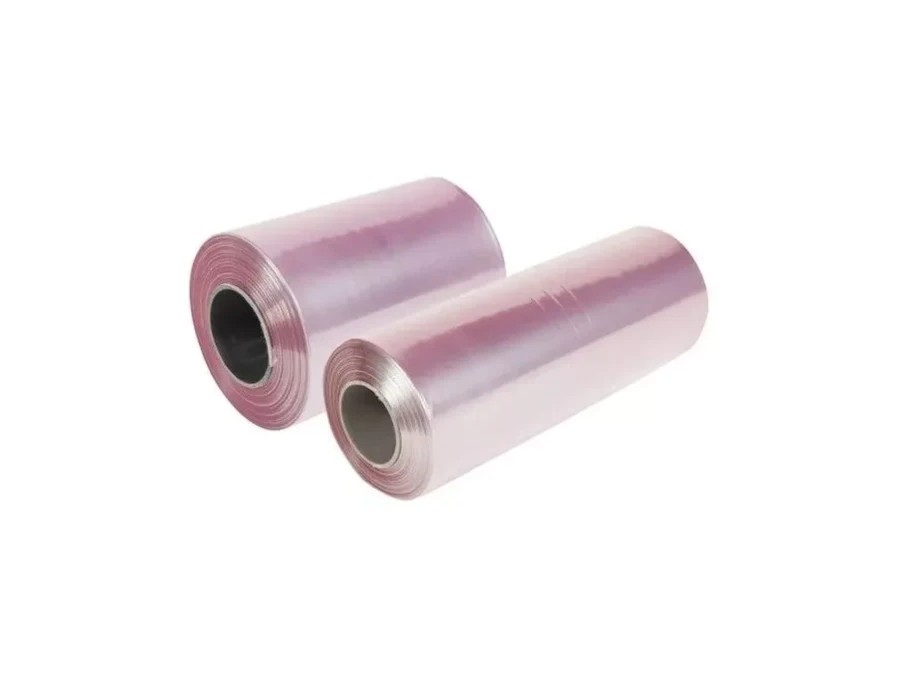
300mm, 19mu, centrefold · Material: PVC
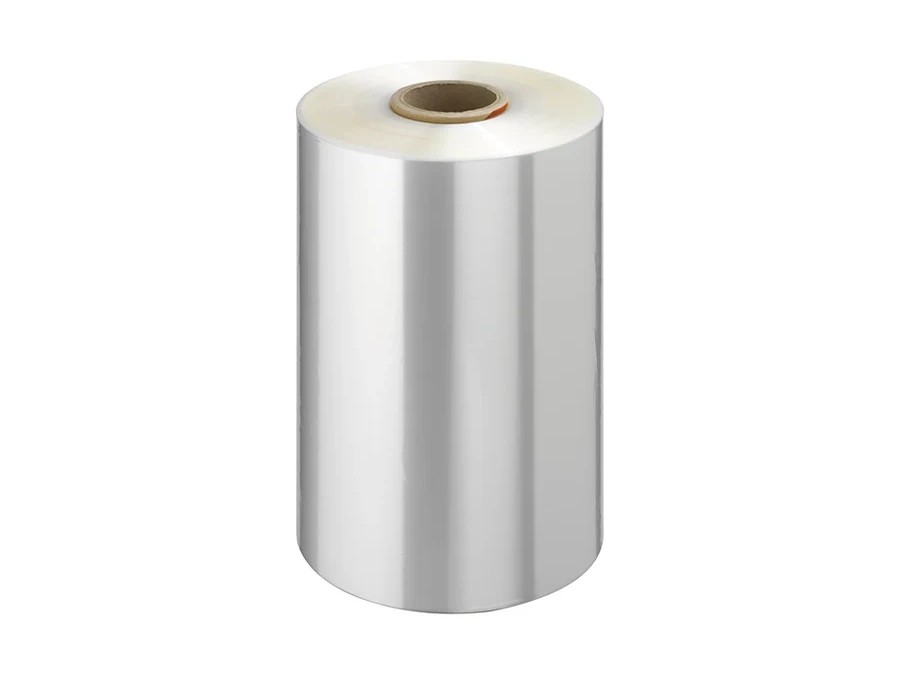
450mm x 425m, roll format · Material: Shrink film
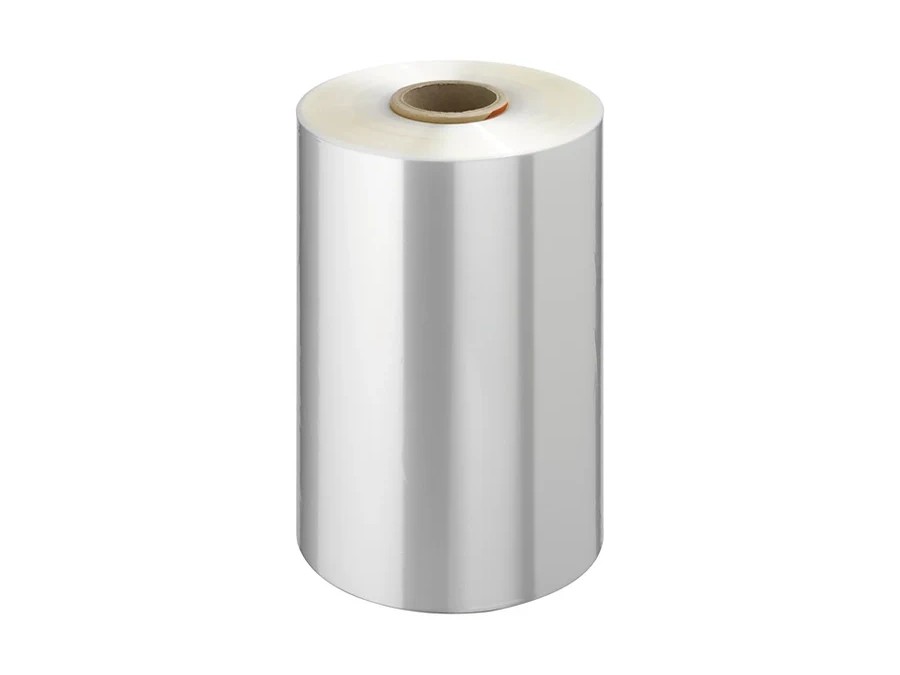
300mm roll; verify length/thickness · Material: Polyolefin
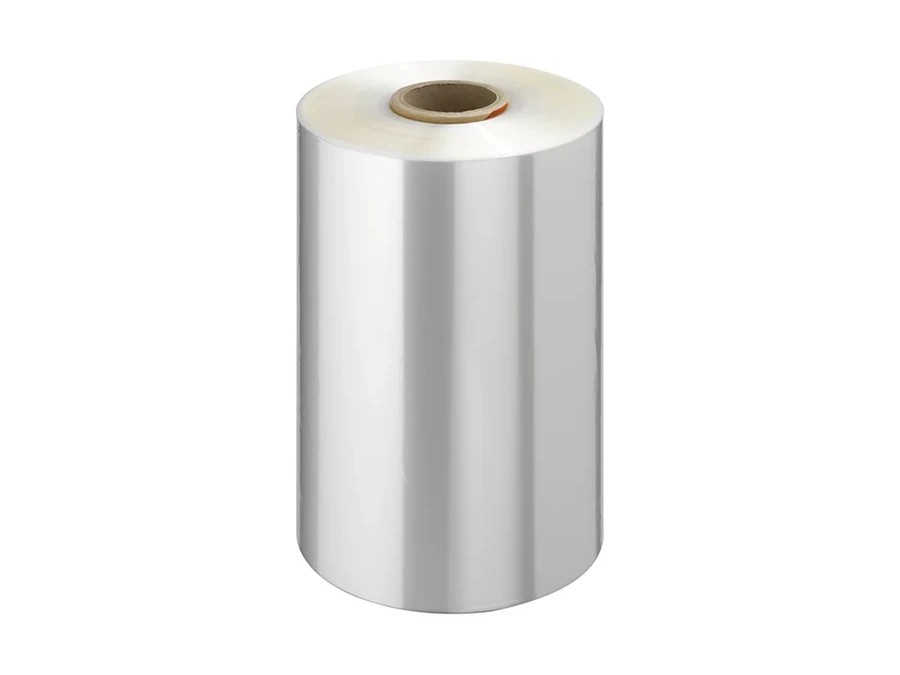
400mm roll; verify length/thickness · Material: Polyolefin
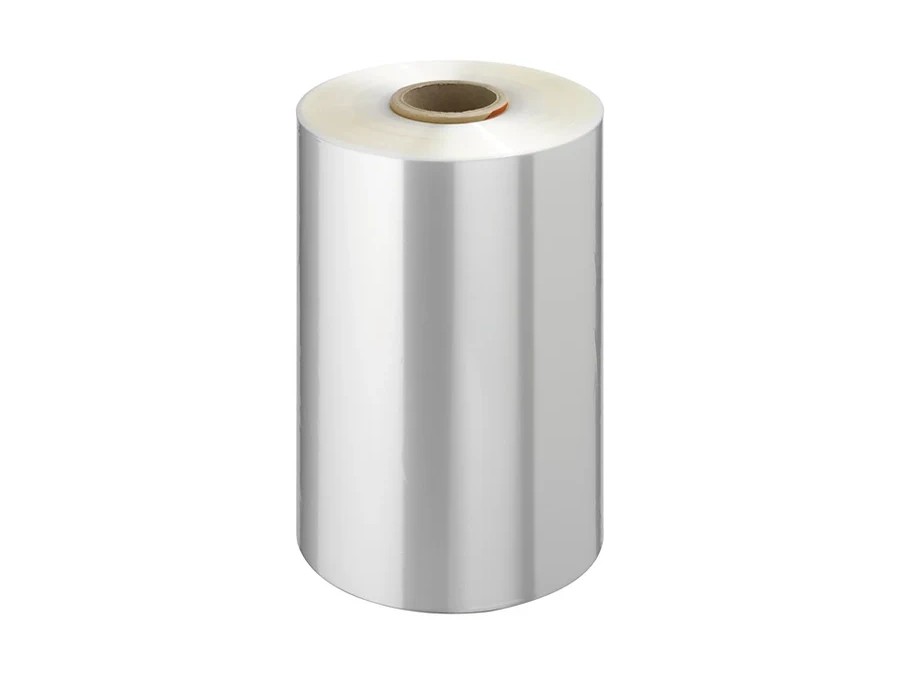
250mm, 15mu, centrefold · Material: Polyolefin
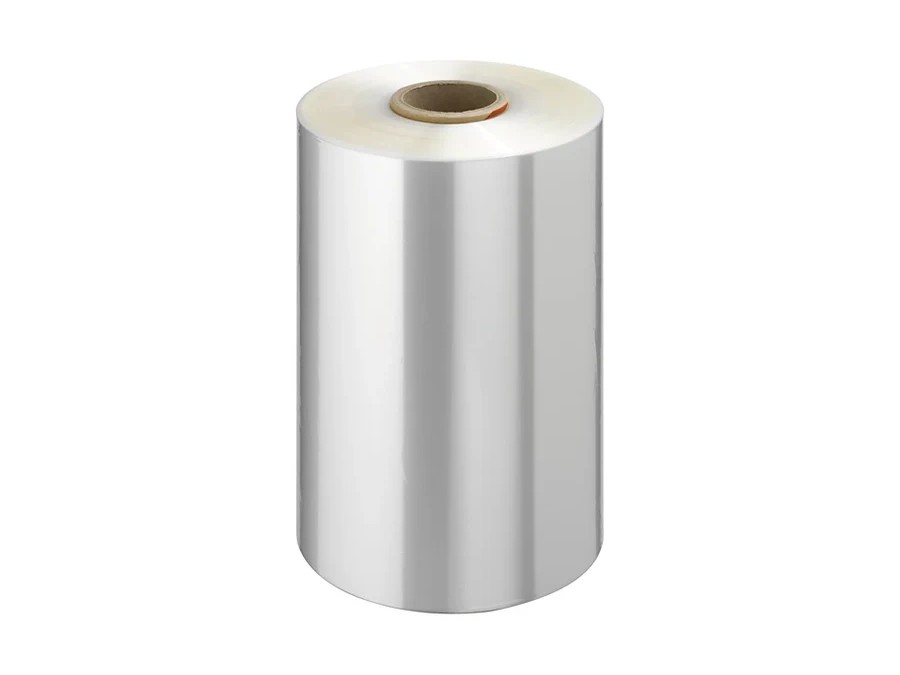
300mm, 19mu, centrefold · Material: Polyolefin
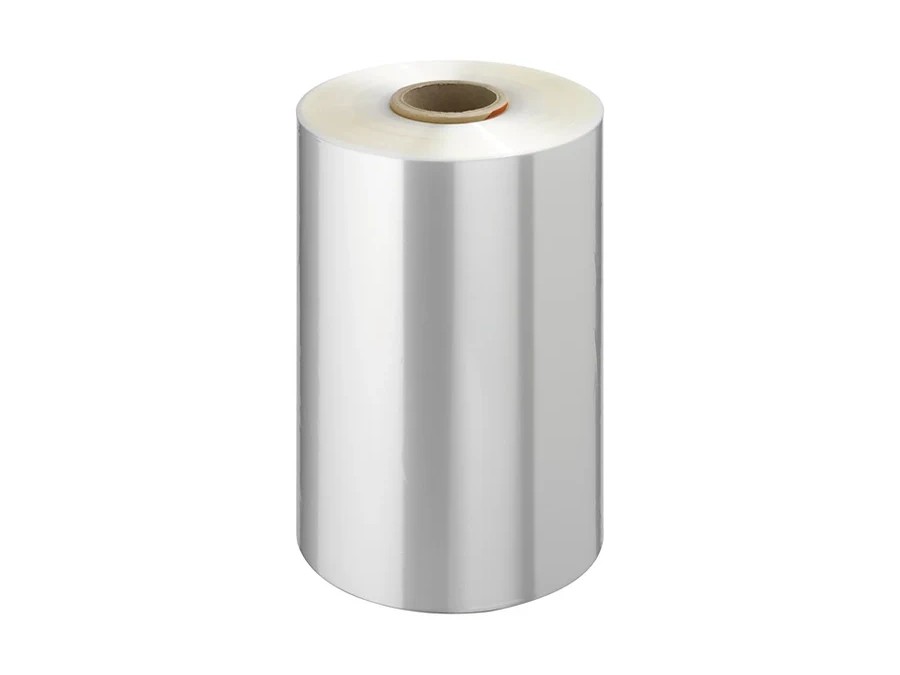
400mm, 15mu, centrefold · Material: Polyolefin
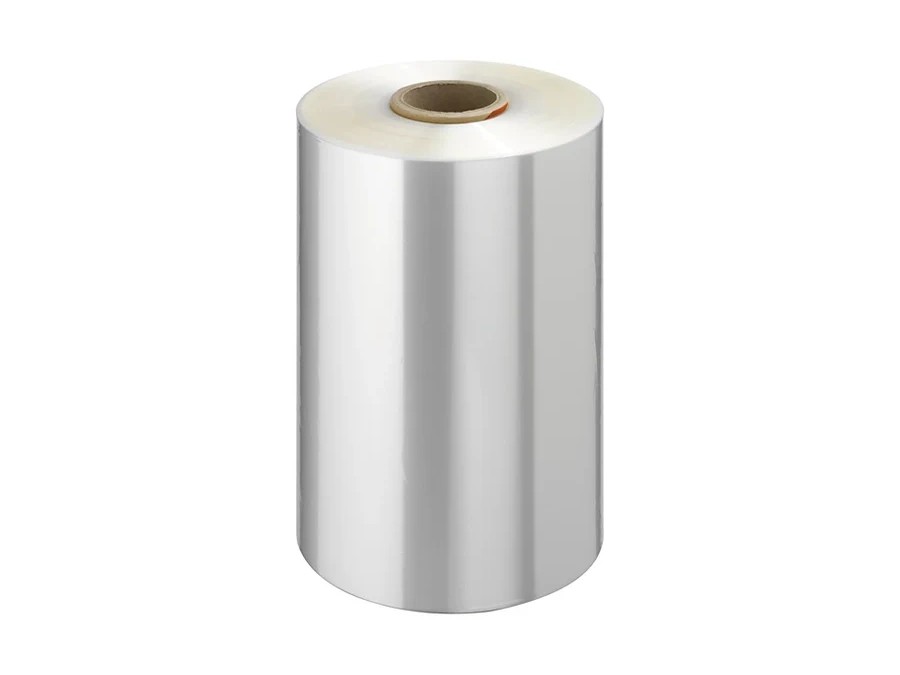
250mm, 15mu, centrefold · Material: Polyolefin/PVC depending listing
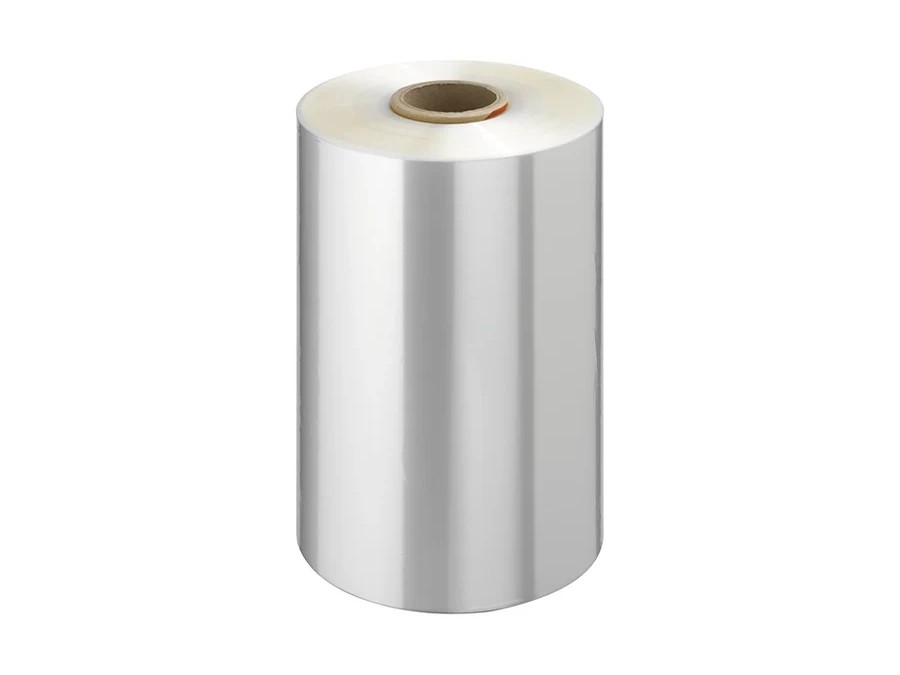
300mm, 15mu, centrefold · Material: Polyolefin/PVC depending listing
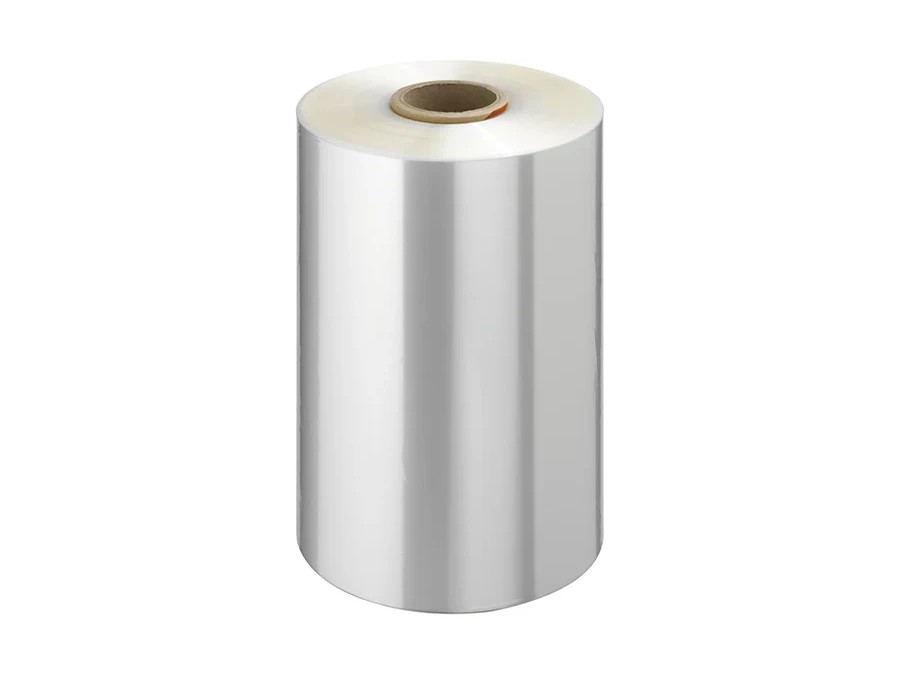
400mm, 19mu, centrefold · Material: Polyolefin/PVC depending listing
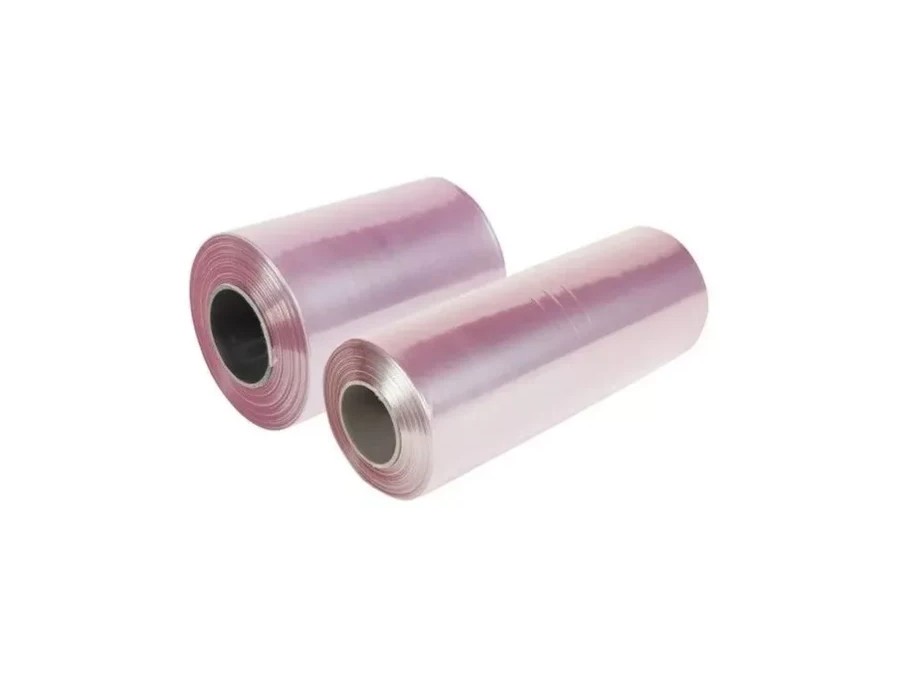
300mm, 19mu, centrefold · Material: PVC
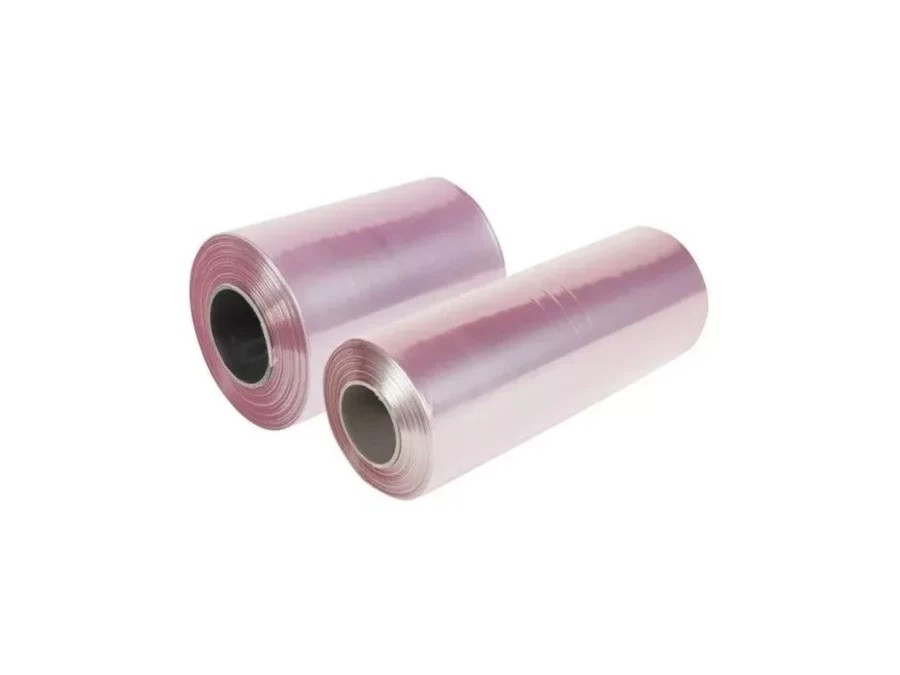
450mm, 19mu, centrefold · Material: PVC
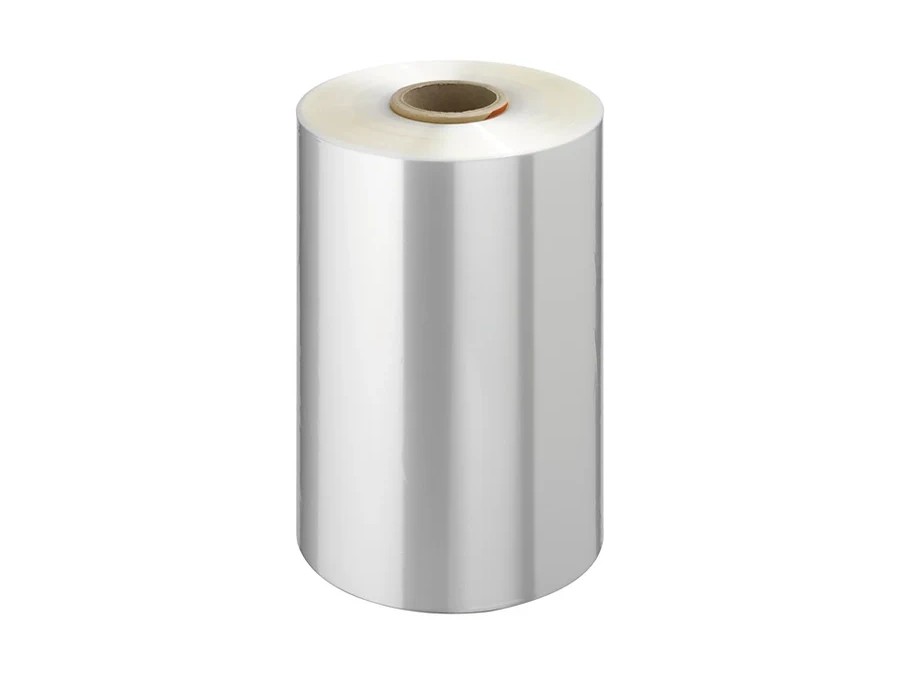
250mm, 15mu, centrefold · Material: Polyolefin
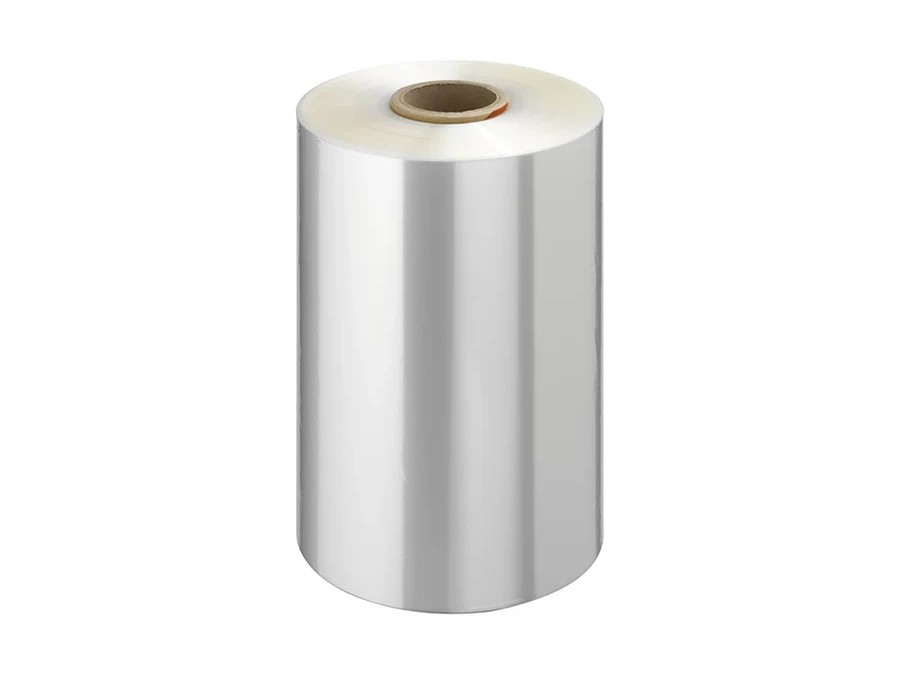
350mm, 15mu, centrefold · Material: Polyolefin
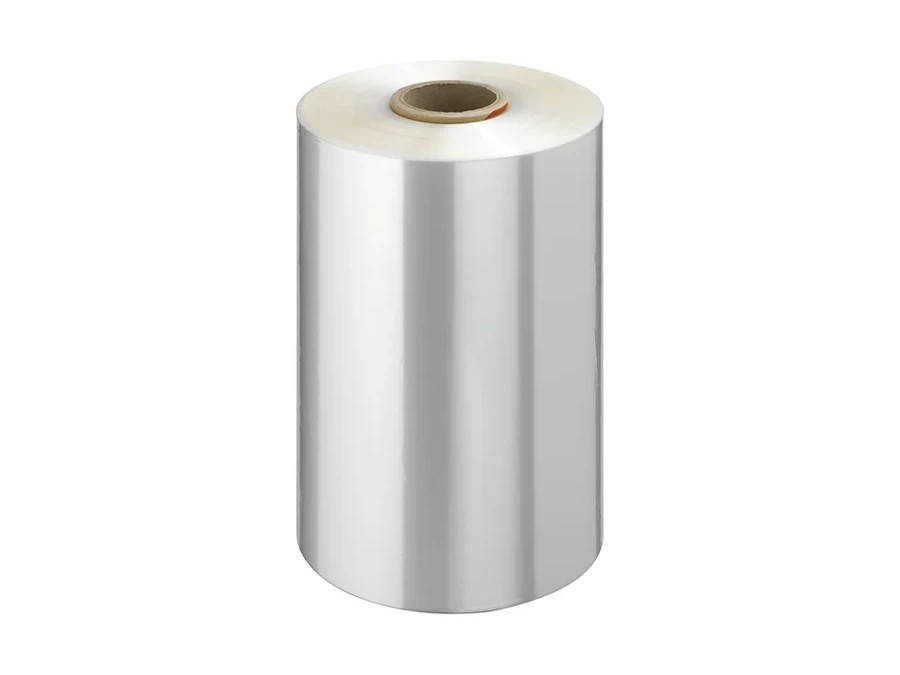
2m/4m width; 150 micron; 25kg roll · Material: LDPE/polythene shrink film
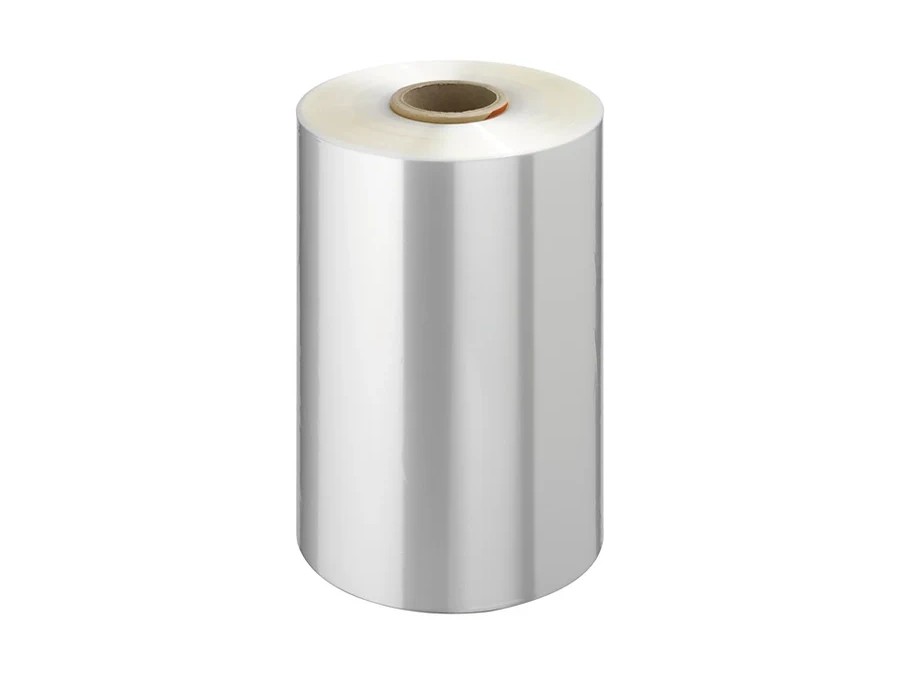
1m/2m width; 100 micron; 25kg roll · Material: LDPE/polythene shrink film
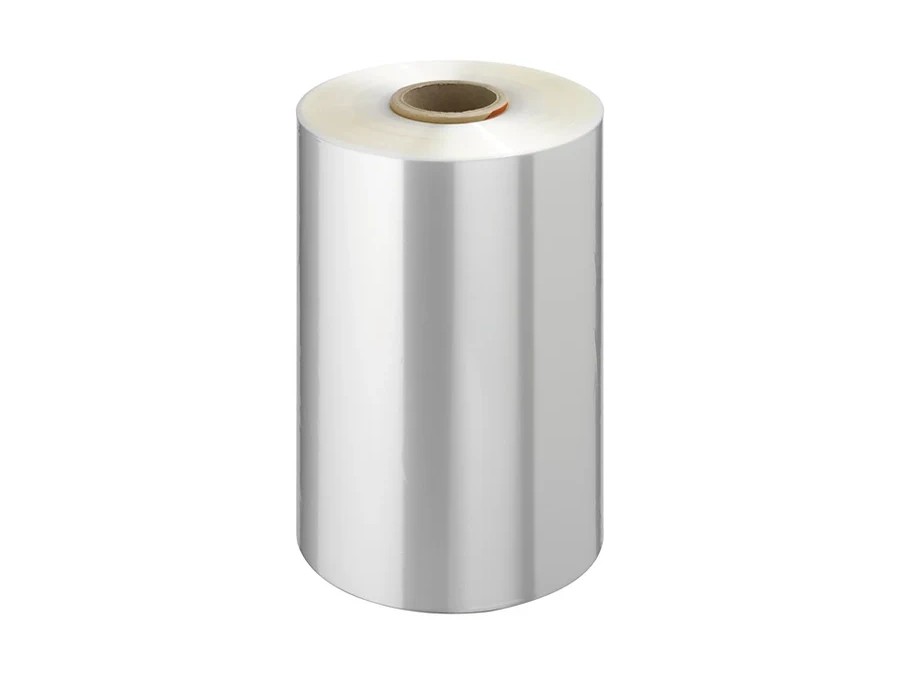
1.5m/3m width; 100 micron; 25kg roll · Material: LDPE/polythene shrink film
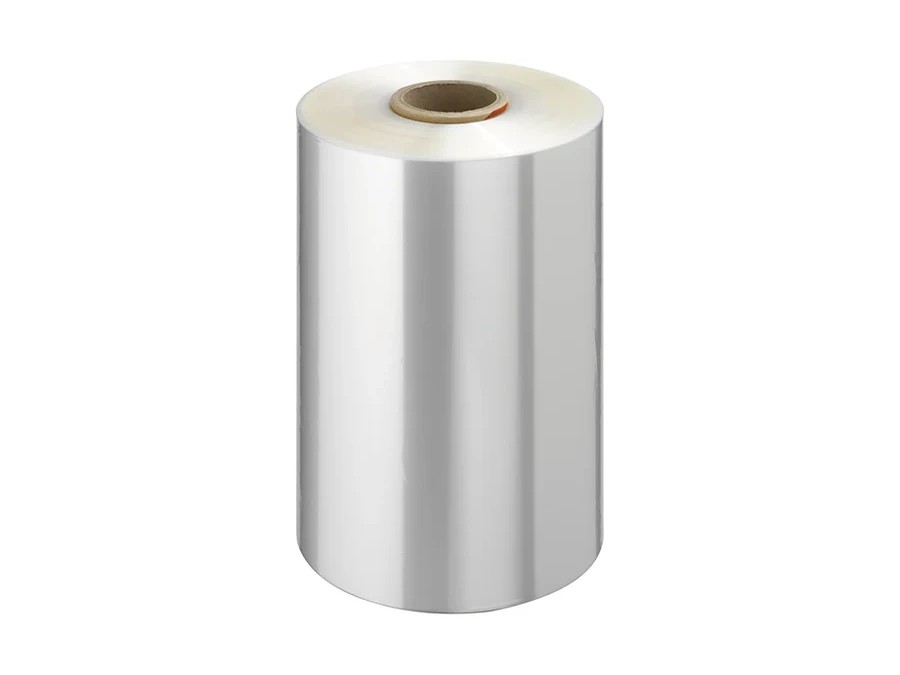
250mm tubing; 125 micron · Material: LDPE/polythene shrink tubing
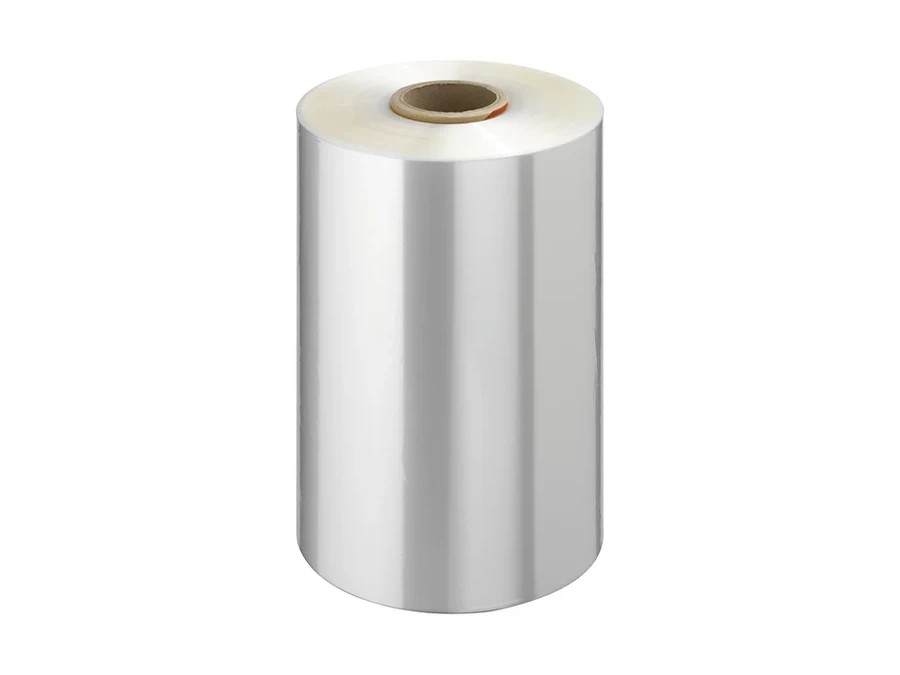
500mm tubing; 125 micron · Material: LDPE/polythene shrink tubing
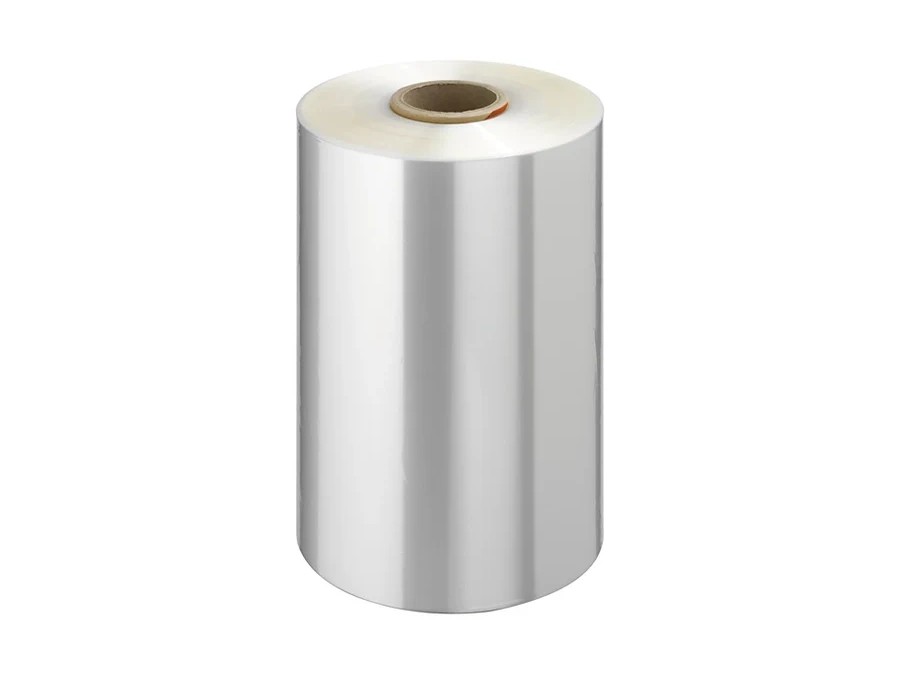
1250 x 850mm cover size · Material: LDPE shrink cover
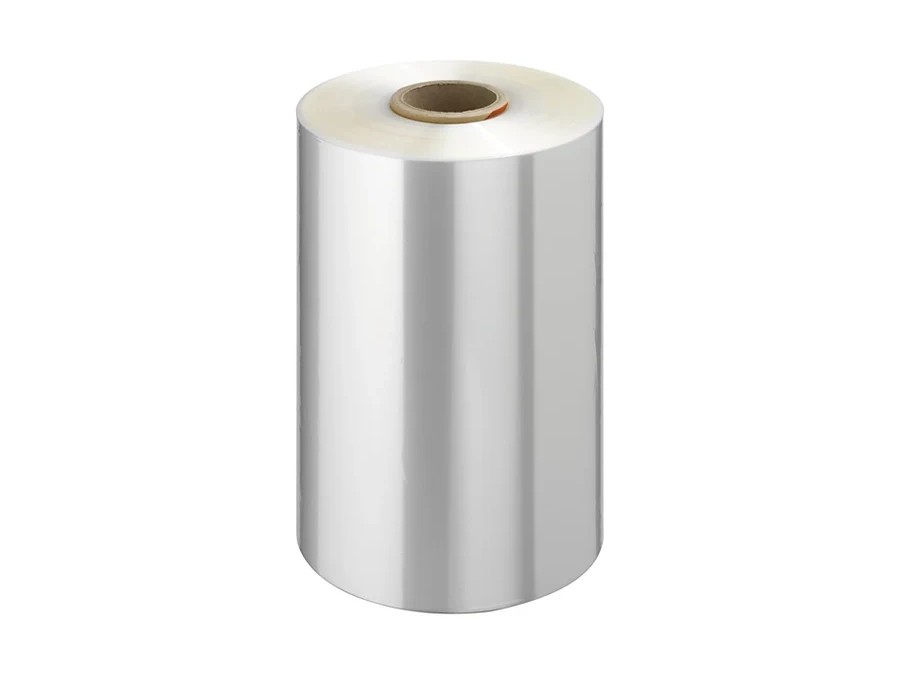
1450 x 1000mm cover size · Material: LDPE shrink cover
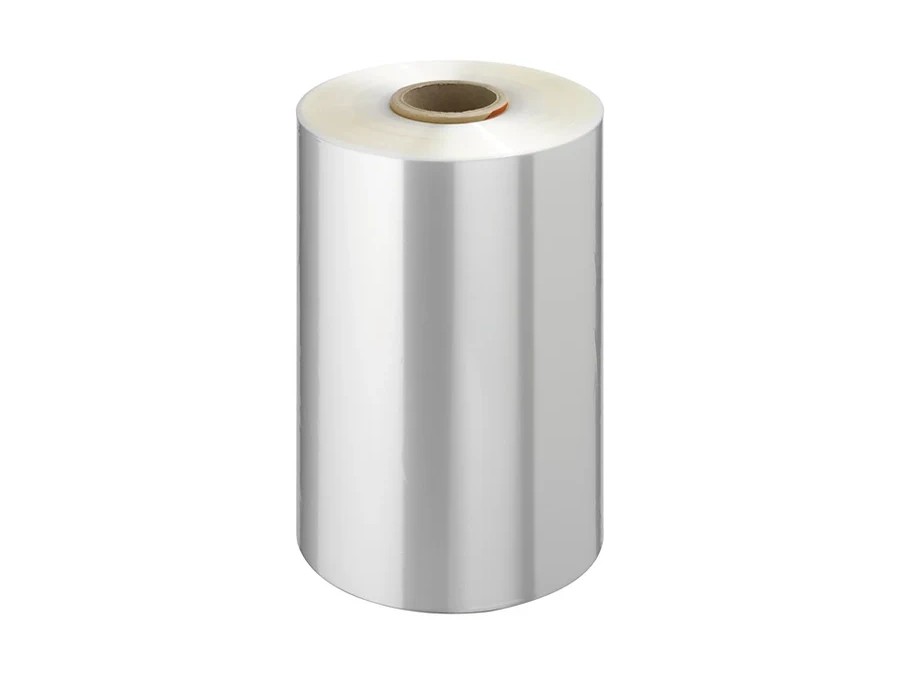
500mm, 19mu, centrefold · Material: Polyolefin
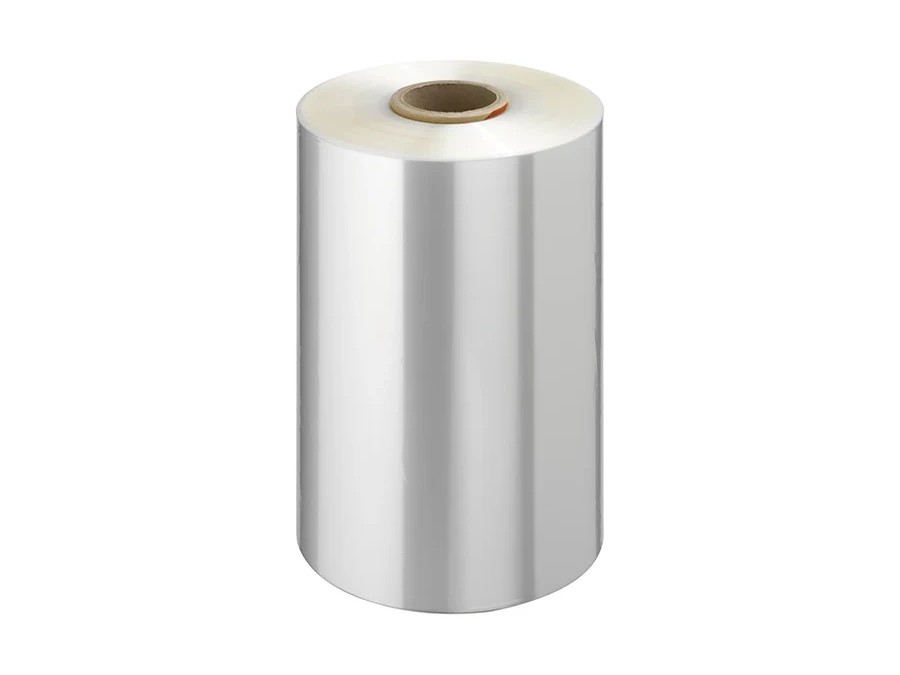
600mm, 19mu, centrefold · Material: Polyolefin
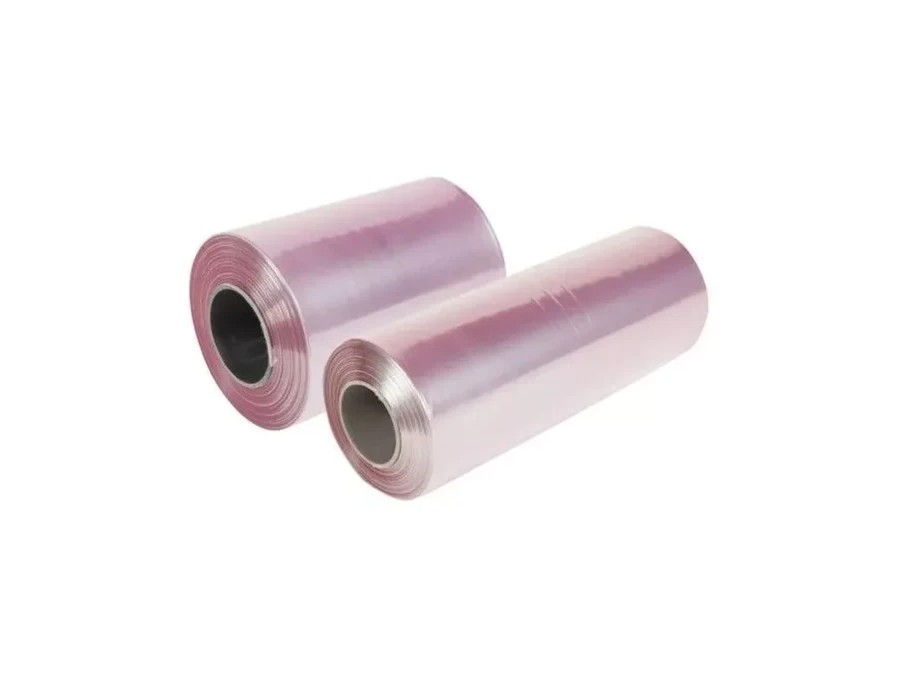
300mm/600mm; 600m; 19mu; 2-roll pack · Material: High clarity PVC
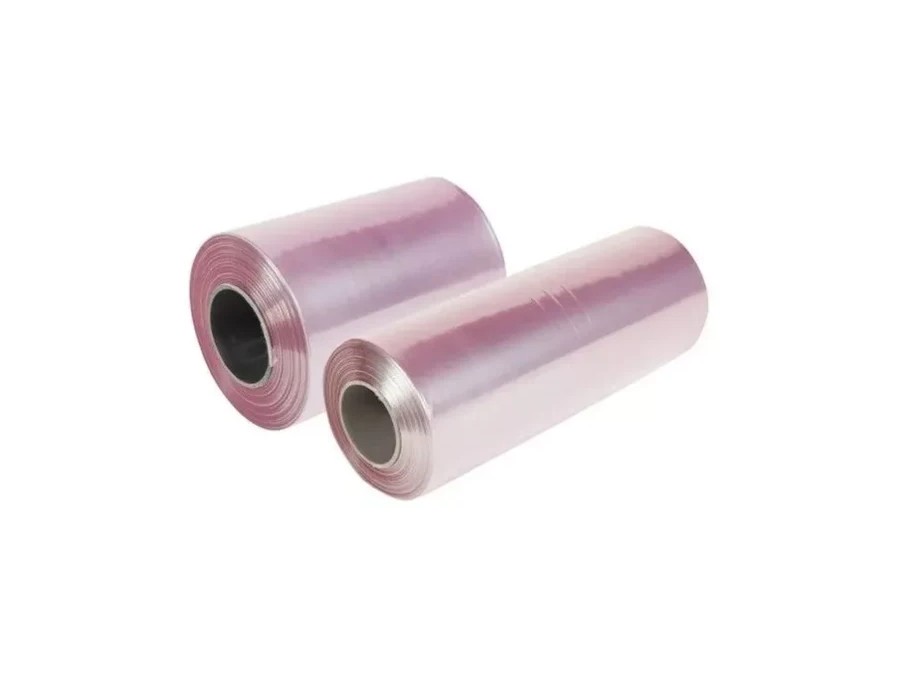
400mm/800mm; 600m; 19mu; 5-roll pack · Material: High clarity PVC
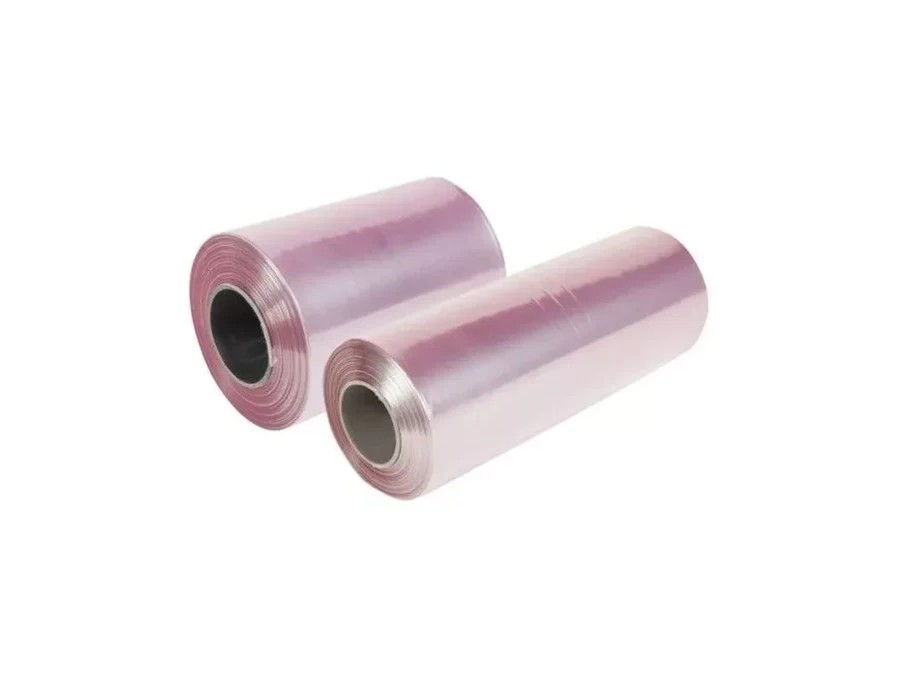
450mm/900mm; 600m; 19mu; 10-roll pack · Material: High clarity PVC
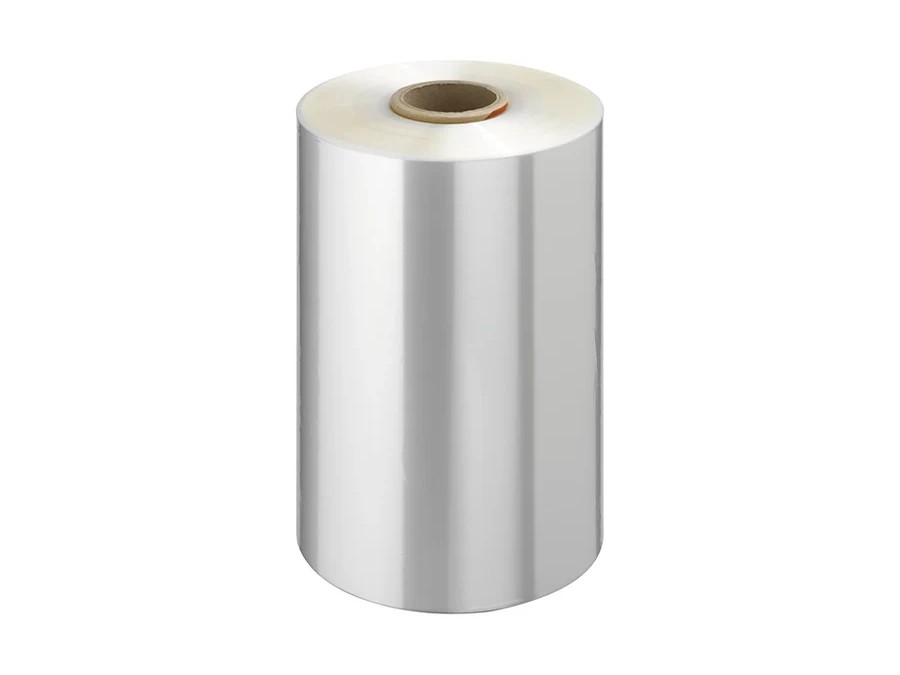
500mm x approx 1335m; 15mu · Material: Polyolefin
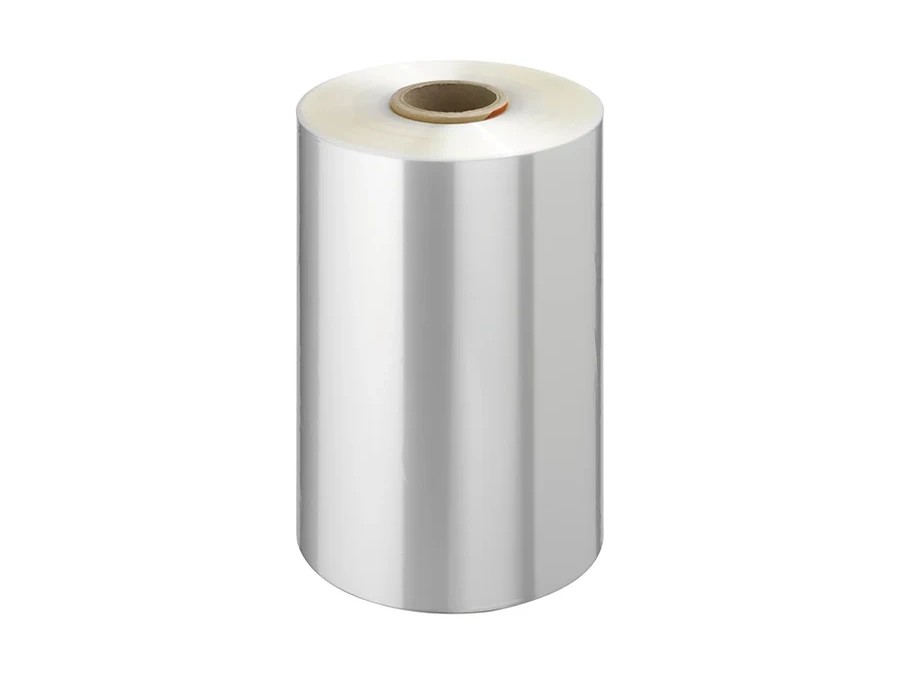
600mm x approx 1070m; 19mu · Material: Polyolefin
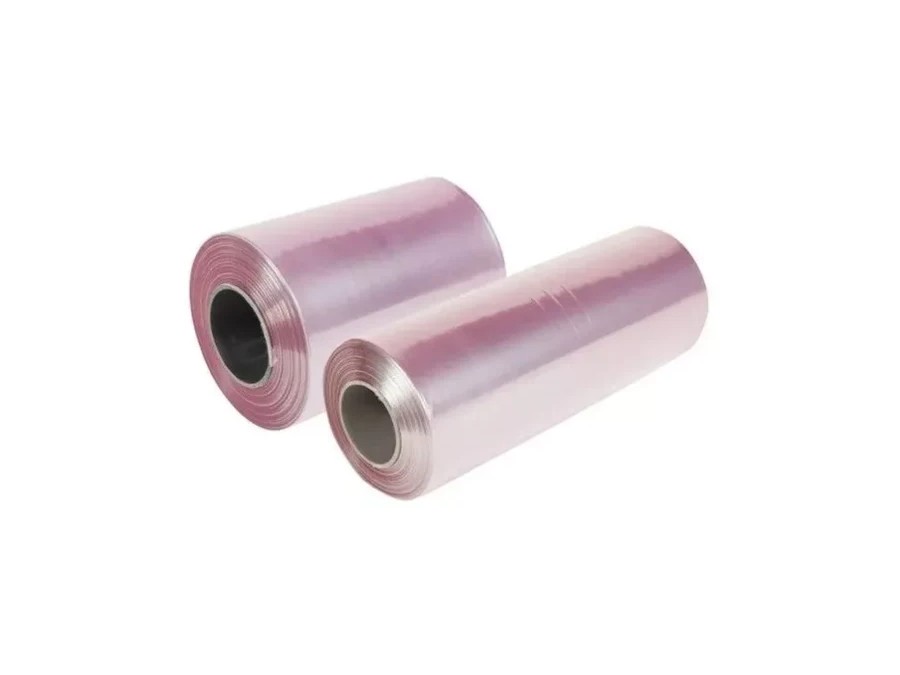
300mm roll; verify length/thickness · Material: PVC
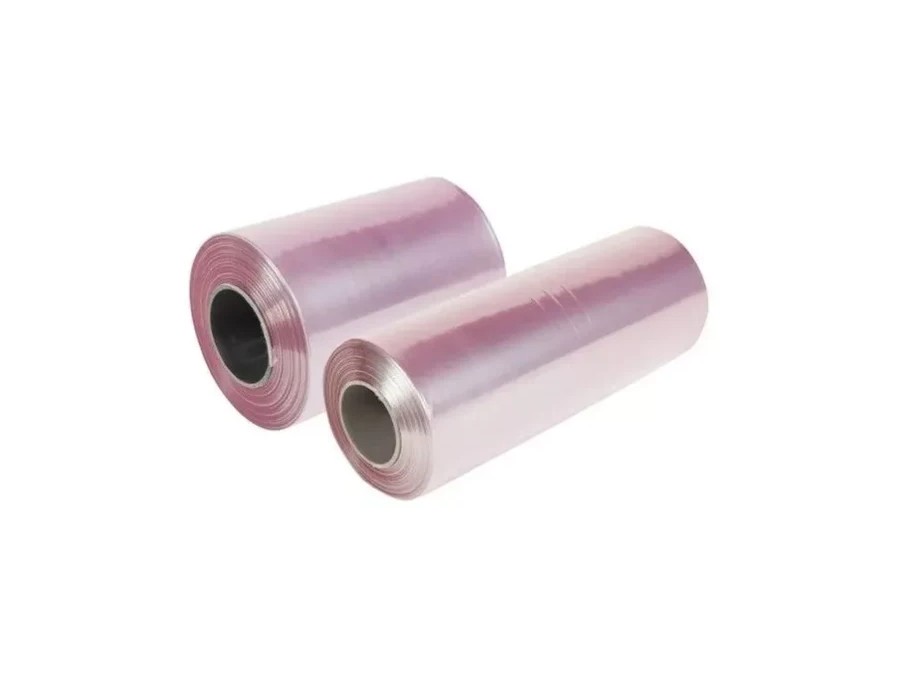
500mm roll; verify length/thickness · Material: PVC
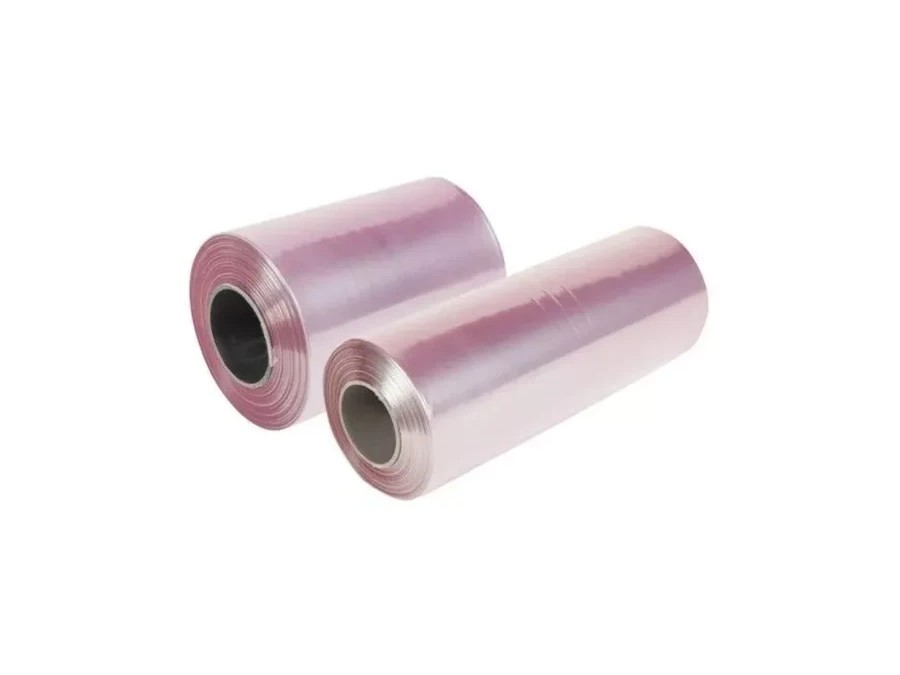
400mm, 19mu, centrefold · Material: PVC
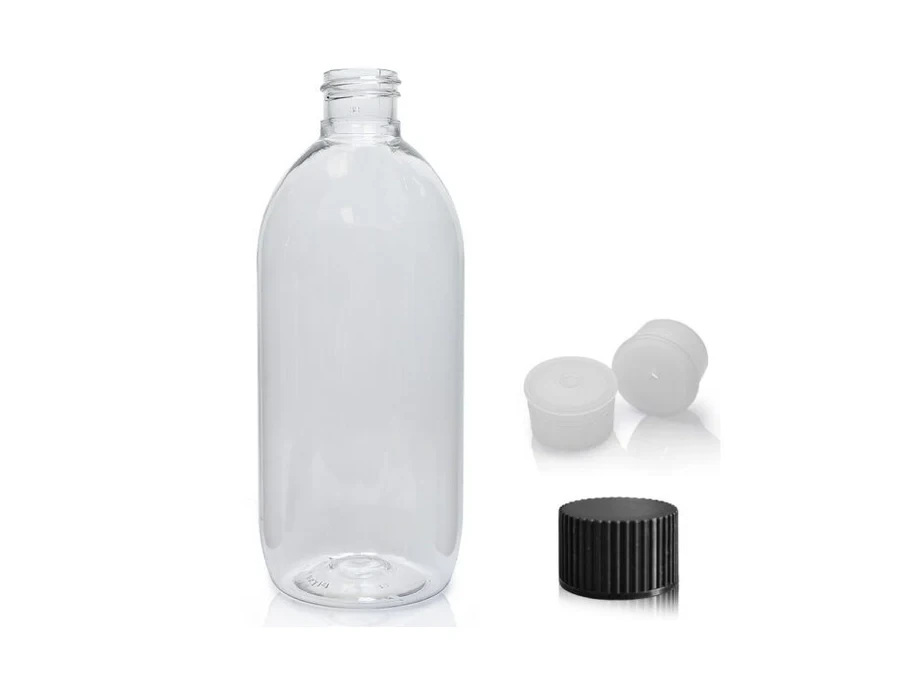
Range: clear PET bottles · Use case: water, drinks, household liquids and general filling applications
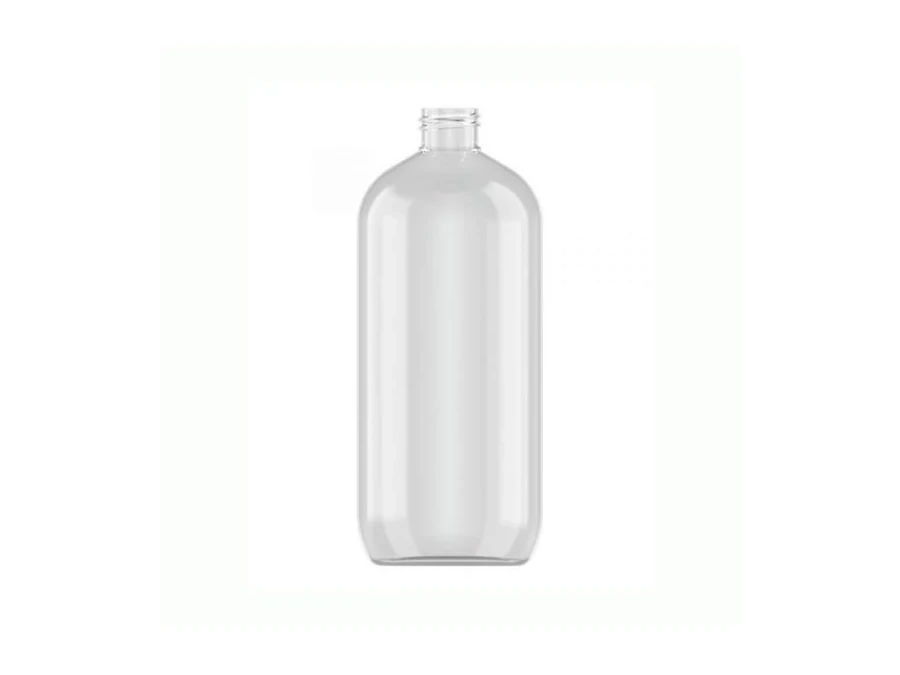
Range: coloured PET bottles · Use case: branded drinks, cosmetic and promotional packaging
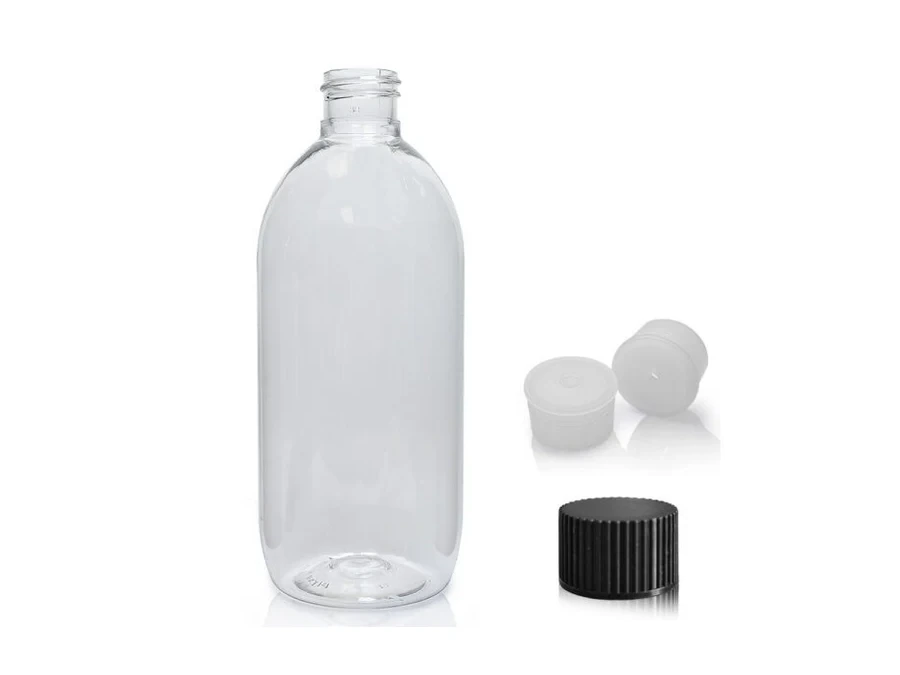
Range: amber plastic bottles · Use case: liquids, care products, oils and light-sensitive contents
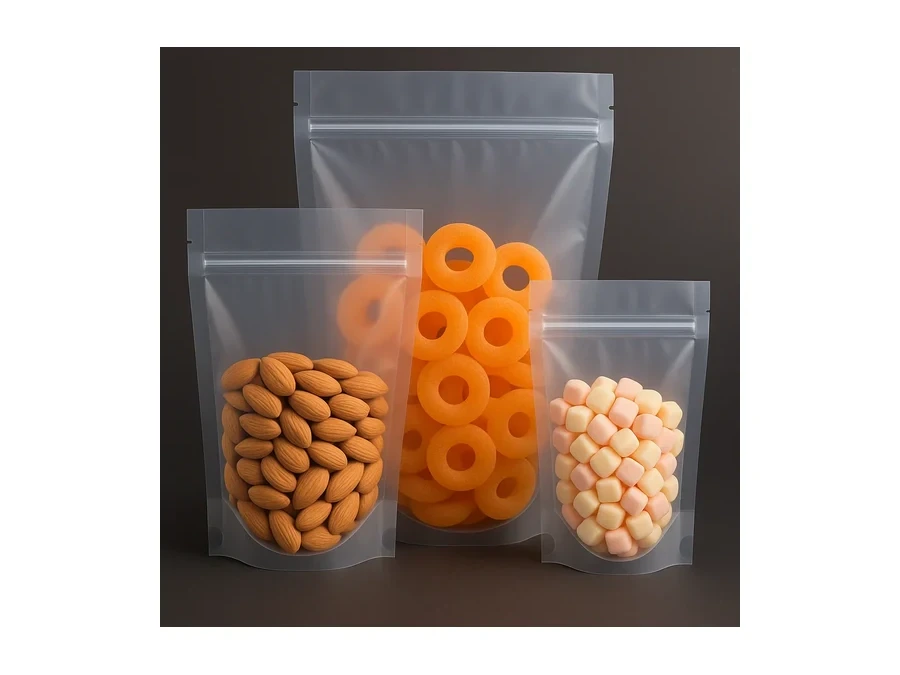
Range: flexible spouted pouches · Use case: drinks, concentrates, refills and liquid product packaging
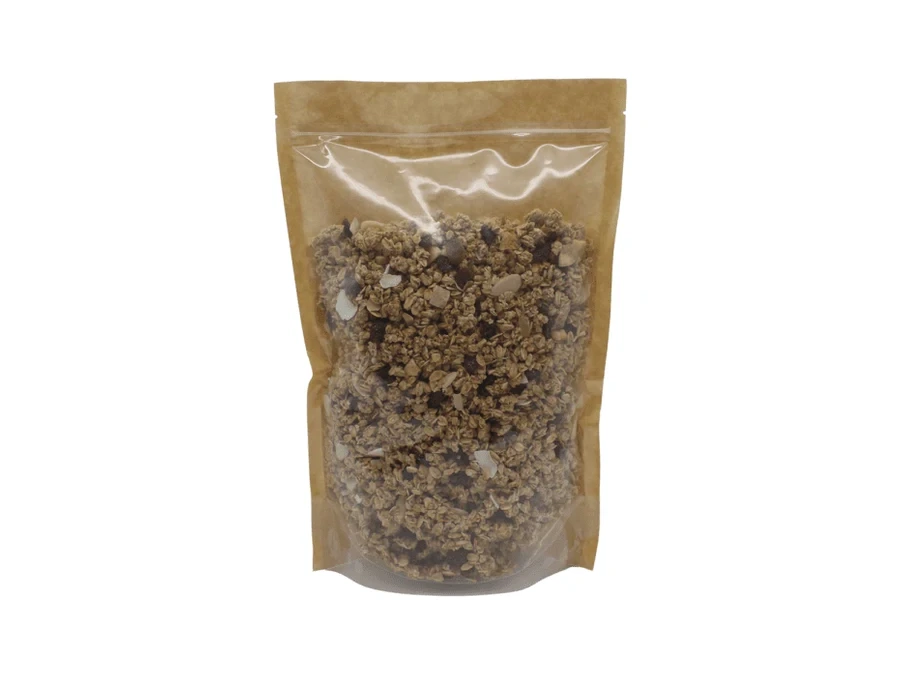
Range: printed stand-up pouches · Use case: retail packs, refill packs and branded pouch packaging
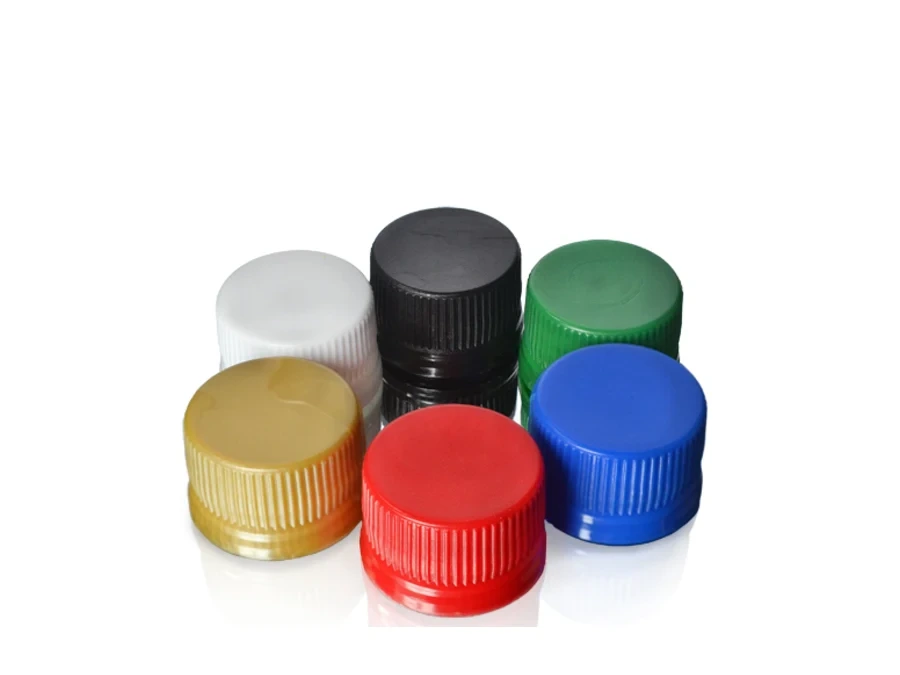
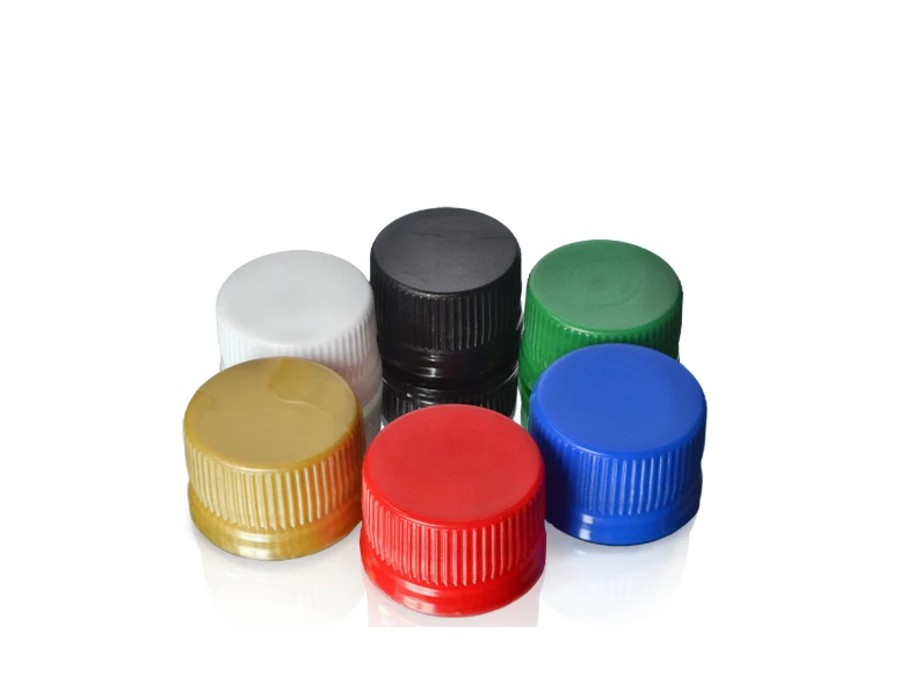
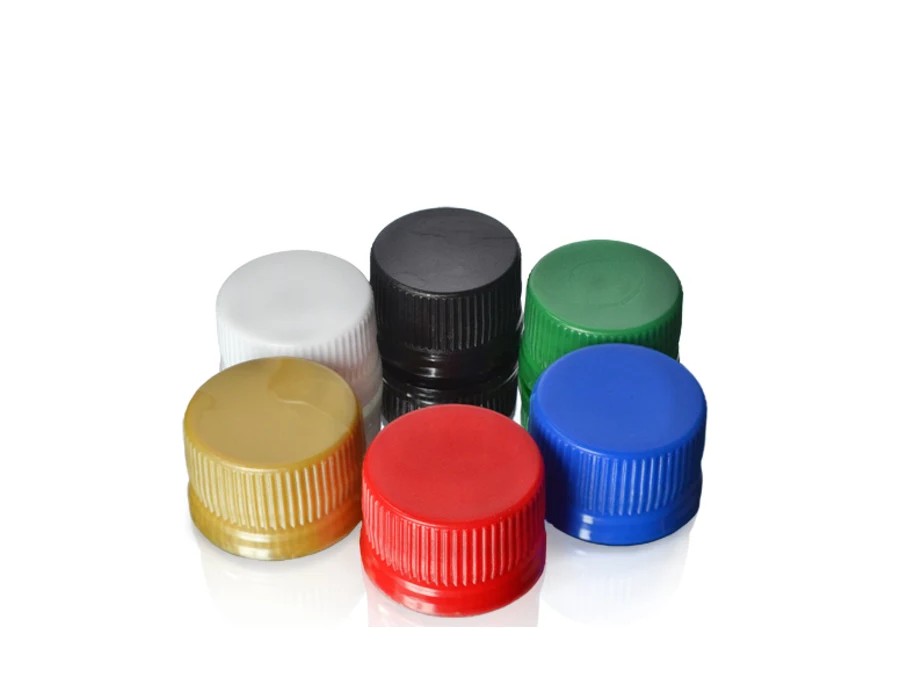
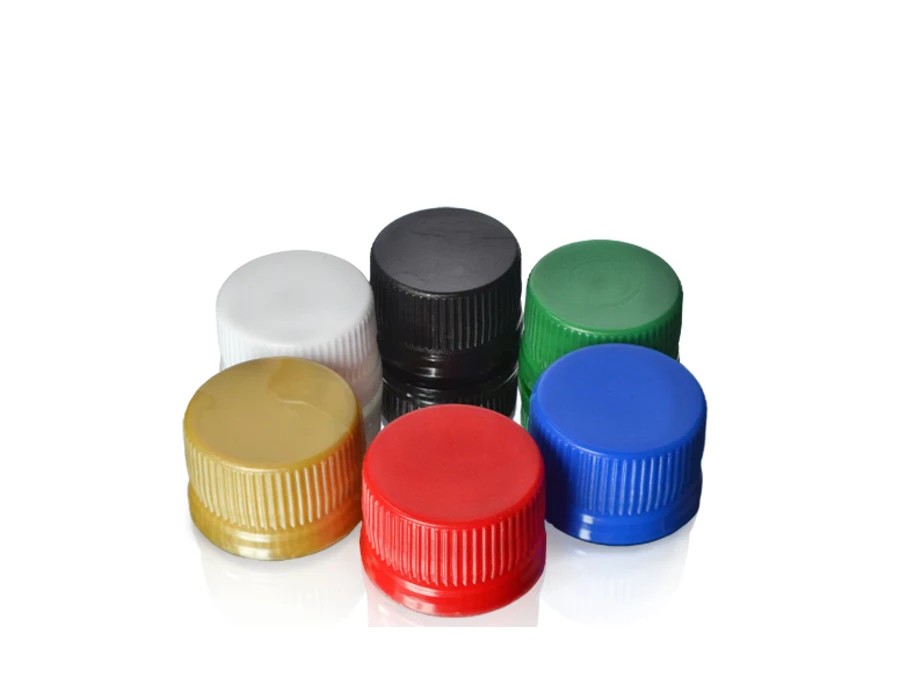
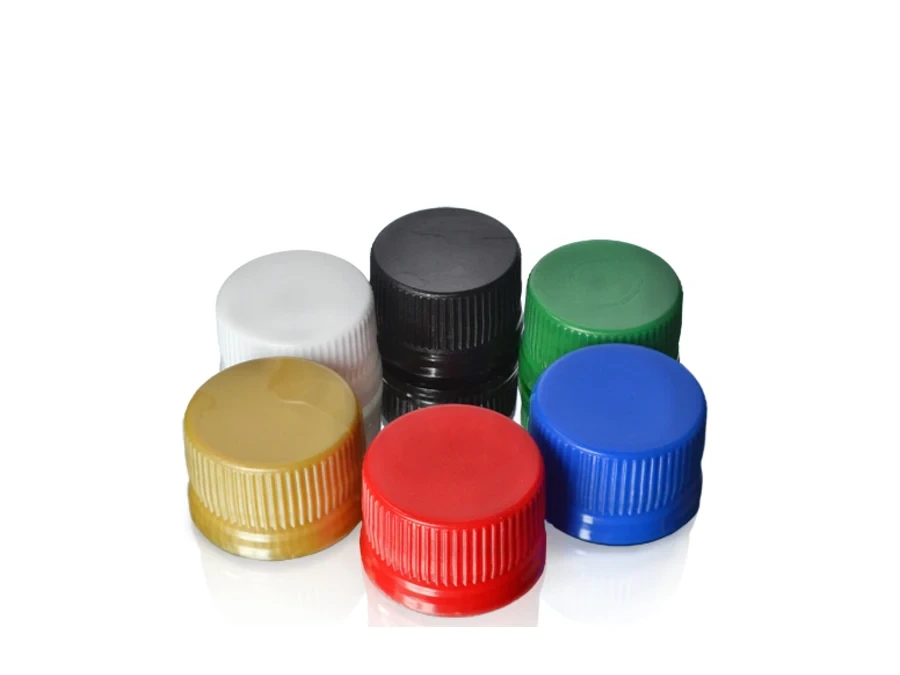
Range: coloured screw caps · Use case: colour-coded closures for bottle packaging
Range: dispensing and push-pull caps · Use case: sports caps, flip caps and dispensing closures
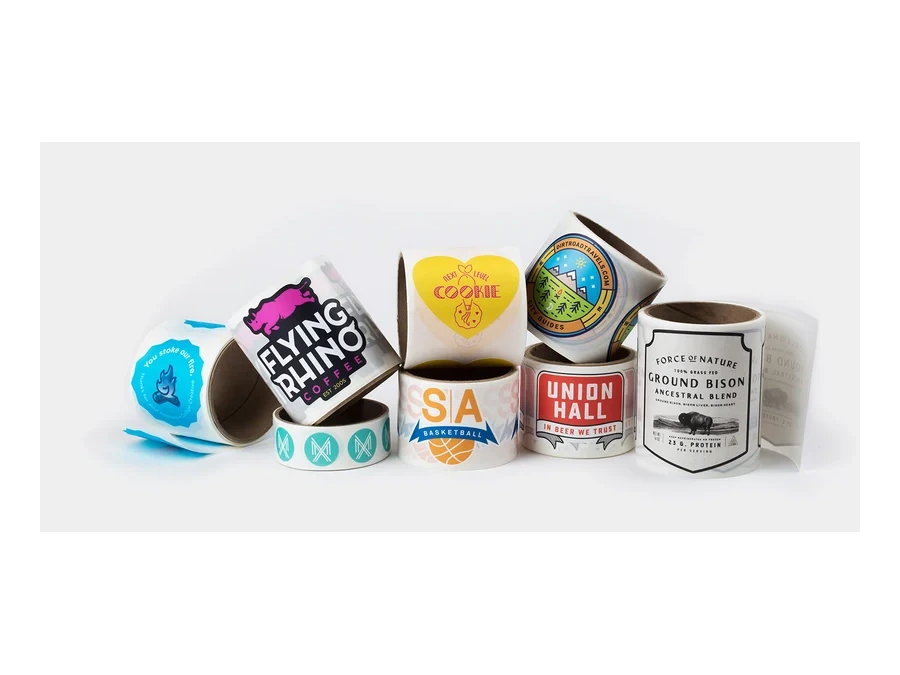
Range: custom printed product labels · Use case: drinks, household products and branded retail packs
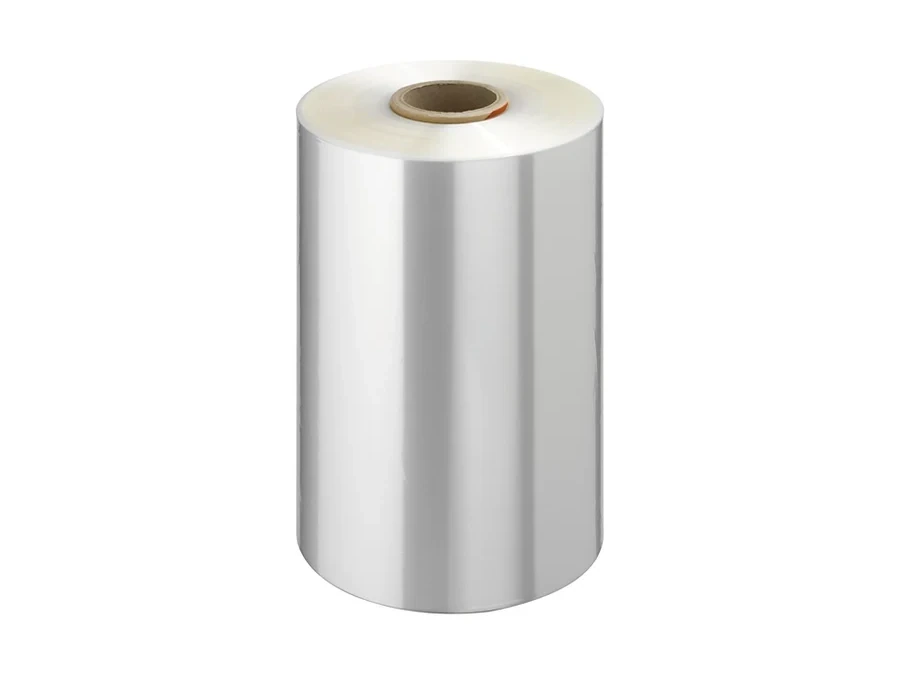
Range: clear shrink film rolls · Use case: wrapping, bundling and protective presentation
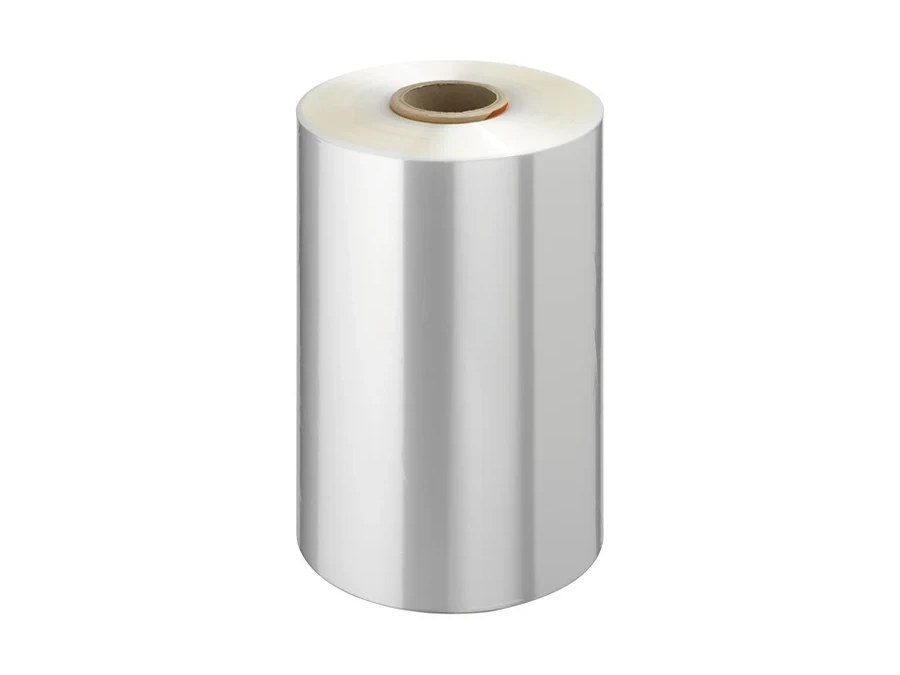
Range: shrink film for bottle multipacks · Use case: multipack collation and transport-ready bundling
Use the catalogue to identify candidate formats, then compare them using the same technical and evidence questions. A product photograph and nominal description are useful starting points, but they do not replace a material declaration, drawing, tolerance, compatibility check or production trial.
Define the contents, pack size, dispensing or opening method, barrier requirement, fill temperature, closure or seal, label area, transport conditions and target shelf life. This prevents a visual preference from overriding a functional requirement. Where an existing filling or packing line will be used, include the current container, closure, label or film specification and a sample of the accepted pack.
Record the exact material and construction for every component. Ask whether any recycled-content figure applies to the complete pack or a single component, and whether a recyclability statement reflects the format, colour, dimensions and UK collection context. Keep dated supplier evidence with the approved specification so that marketing and procurement wording can be reviewed when materials or guidance change.
Many catalogue entries begin with only the details available from the source material. Treat an unknown field as a question for the supplier or trial plan. In particular, do not infer a complete layer structure from a pouch appearance, a neck finish from cap diameter, a recycled-content percentage from a resin description, or food-contact suitability from a familiar pack shape. A short, accurate specification with clearly marked unknowns is more useful than a complete-looking specification built from guesses.
Once candidate products are identified, compare samples against the same written brief. Record the approved component code, drawing, colour and revision; the product and line conditions used in the trial; the accepted label, closure or secondary pack; and the quality checks that will be used for incoming goods. Confirm minimum order, lead time and delivery pattern only when the exact specification is agreed. If a supplier changes a material, construction or production site, decide whether the evidence and line approval need to be repeated.
For a deeper comparison, read the evidence guide and the material compatibility guide. The principal catalogue routes are bottles, pouches, caps and closures, labels and shrink film.